How to Wash Fleece in 7 Simple Steps
Washing fleece can be tricky, right? You want to keep it soft and cozy without ruining the fabric or shrinking your favorite pieces. You’re not alone—many people struggle with how to properly care for fleece to keep it looking great wash after wash.
Check the care label first so you know whether your fleece needs special handling.
Then gather a mild liquid detergent, stain remover, and a mesh laundry bag, and sort items by color. Pre-treat any stains, turn the fleece inside out, and wash it in cold water on a gentle cycle.
Skip bleach and fabric softener.
Afterward, reshape it and air-dry or tumble dry on low, and you’ll learn a few extra fleece-saving tricks next.
Key Takeaways
- Check the care label first for washing temperature, cycle, and warnings about bleach or fabric softener.
- Pre-treat stains gently and remove lint or pet hair before washing.
- Wash fleece inside out in cold water on a gentle cycle with mild, fragrance-free detergent.
- Avoid overloading the washer so fleece can rinse thoroughly and keep its softness.
- Reshape fleece after washing and dry on low heat or air-dry to prevent stretching and pilling.
Check the Care Label First

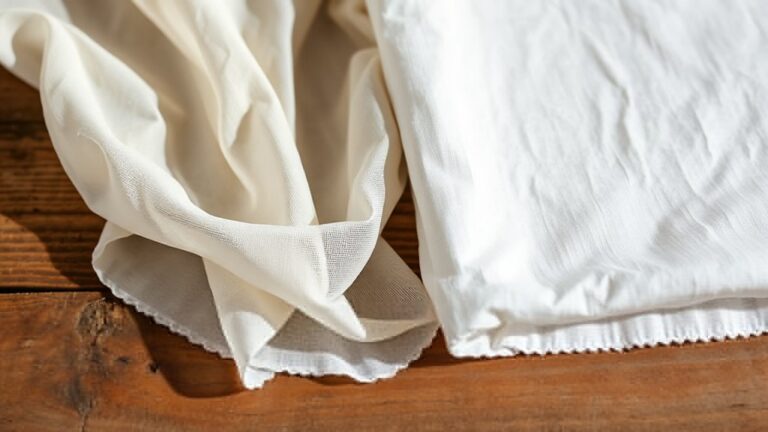
Before you wash fleece, check the care label so you can follow the manufacturer’s instructions and avoid shrinking, pilling, or damage. The label tells you what your fleece materials can handle, and it often lists the safest washing techniques for that fabric blend.
You may see symbols for water temperature, machine settings, or drying limits, and you should follow them closely. If the tag says cold wash only, don’t risk hot water. If it warns against bleach or fabric softener, skip them.
Some fleece needs gentle treatment because its fibers trap heat and can distort easily. Reading the label first helps you protect the texture, shape, and softness you want to keep. When you understand the instructions, you can choose the right cycle and avoid mistakes that shorten the life of your fleece.
Gather Detergent, Stain Remover, and a Mesh Bag
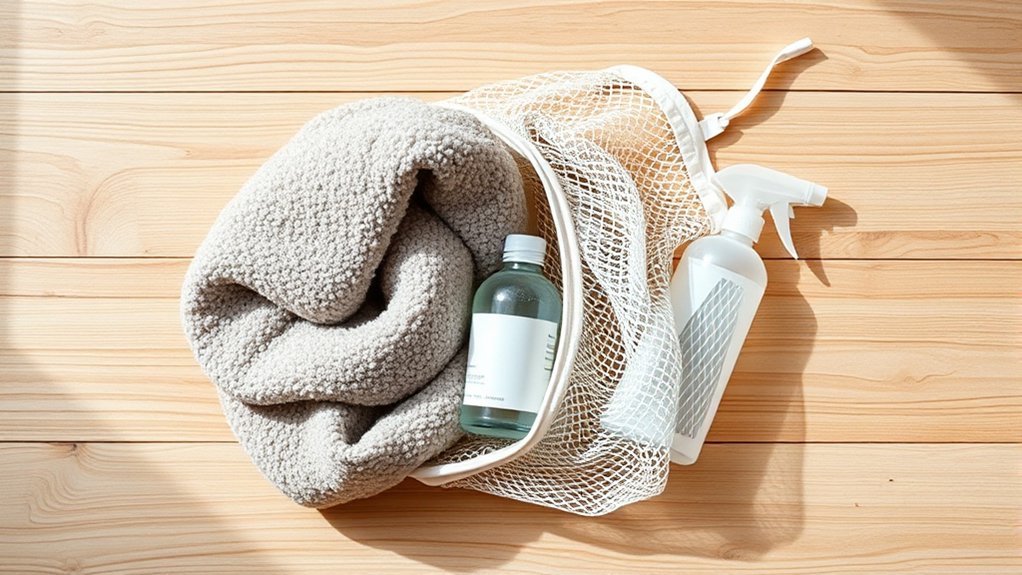
Once you’ve checked the label, set out a gentle detergent, any stain remover you need, and a mesh laundry bag to protect your fleece in the wash. Choose detergent types carefully: a mild liquid usually works best, while powders can leave residue on soft fibers. Avoid bleach and heavy additives since they can make fleece feel stiff or dull.
Keep your stain remover nearby so you’re ready if you spot marks before washing. For mesh bag usage, place the fleece inside and zip the bag closed to reduce rubbing, snagging, and pilling during the cycle. If you’re washing several fleece items, use one bag per piece or group similar colors together.
Having these supplies ready before you start helps you move quickly and keep the fabric in good shape. Set them within easy reach near the machine, and double-check that the bag is clean and intact before loading your fleece.
Pre-Treat Stains on Fleece
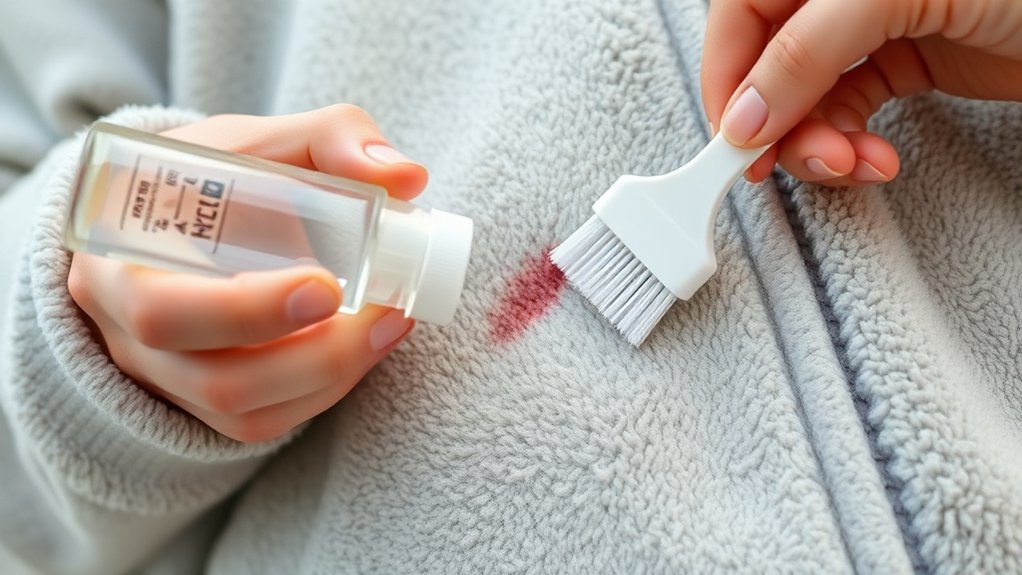
Gently spot-treat any stains on your fleece before washing so they don’t set in during the cycle. Check the fabric closely and identify the stain types first, since grease, mud, food, and makeup each respond best to different pre-treatment methods.
For fresh spills, blot with a clean cloth instead of rubbing, which can push the stain deeper into the fibers. Apply a small amount of stain remover directly to the mark, then let it sit for a few minutes so it can break down the residue.
If you’re dealing with an oily spot, use a little detergent and work it in with your fingertip. For dried stains, repeat the treatment gently until the discoloration fades. Always test products on a hidden area if you’re unsure.
Once the stain looks lighter, your fleece is ready for the wash cycle.
Wash Fleece in Cold Water
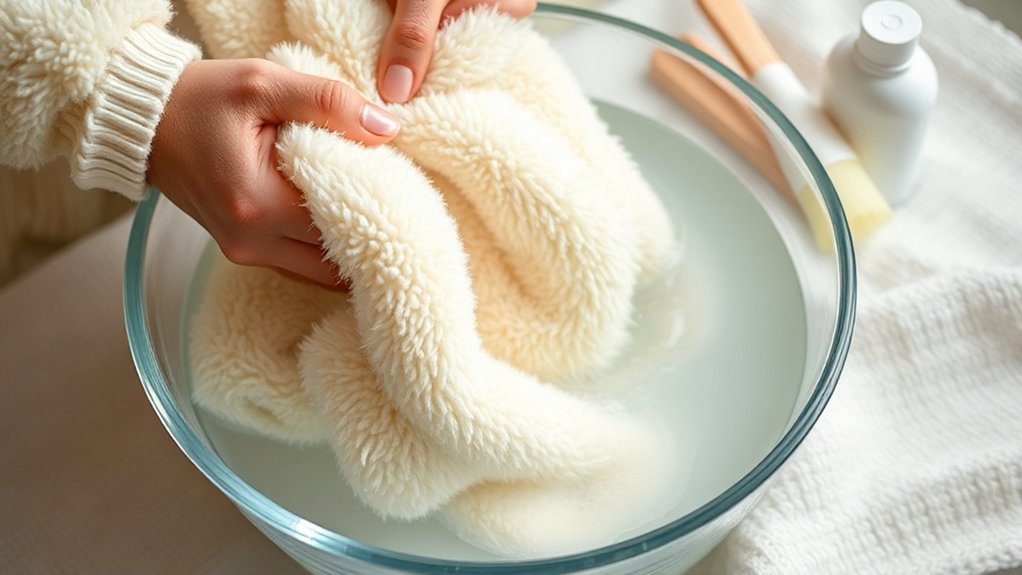
You should wash fleece in cold water to help it keep its softness, shape, and color. Plus, cold water reduces the risk of shrinkage and damage to the fibers. Just set your washer to the gentle cycle so the fabric gets a light, careful clean.
Cold Water Benefits
Cold water helps fleece keep its shape, softness, and cozy feel, while also reducing the chance of shrinking or matting. You’ll notice the cold water advantages right away: it lifts away dirt without stressing the fibers, so your favorite pullover stays plush longer.
It also helps preserve color, which matters when you want bright, fresh-looking fleece after repeated washes. For better fleece longevity, cold water uses less energy too, making it a smarter choice for your routine.
- Keeps fibers from tightening
- Helps colors stay vivid
- Supports longer wear and comfort
When you wash fleece in cold water, you’re protecting texture and extending usefulness with a simple, effective step.
Gentle Cycle Setting
Set your washer to the gentle cycle to help fleece clean without unnecessary friction. This setting lets cold water move through the fleece fabric slowly, so fibers stay soft and keep their loft.
You don’t need harsh agitation for everyday care; instead, let the machine do a light, steady wash. Use a mild detergent, then avoid overloading the drum so each piece has room to rinse well.
If you wash fleece often, the gentle cycle helps reduce wear and stretching, which can extend the time between replacements. Match this setting with your washing frequency and keep cycles short when the item only needs a quick refresh.
For best results, remove fleece promptly after the wash and reshape it before drying.
Use a Gentle Detergent and Cycle
Choose a gentle detergent to protect fleece’s soft fibers and keep them from breaking down in the wash. You should pick mild, fragrance-free formulas that rinse clean and won’t leave residue on the pile. Check the label for gentle detergents suited to synthetic fabric types, since harsh cleaners can strip softness and cause pilling.
Add only the recommended amount, because extra soap can cling to fleece and make it feel stiff.
Use cold or lukewarm water to help preserve texture. Skip bleach and strong stain removers unless the care tag allows them. Wash fleece with similar soft items to reduce abrasion.
Let your machine run on the gentle cycle so it agitates less and treats the garment with care. This setting helps you clean fleece thoroughly without stressing the fibers, so your favorite pieces stay cozy, smooth, and ready to wear.
Dry Fleece Without Damaging It
When the wash cycle ends, remove fleece right away and gently reshape it before drying. For best fabric protection, skip high heat and choose a low tumble setting or air-dry instead. If you use a dryer, add a couple of clean dryer balls to keep the fabric moving and help it dry evenly.
Stop the cycle while the fleece still feels slightly damp, then let it finish drying on a flat surface or hanger away from direct sun. These drying techniques reduce stiffness and help the pile stay soft.
Avoid wringing the fabric, which can stretch fibers and flatten the texture. Smooth seams and cuffs with your hands so they keep their original shape.
If the fleece feels heavy, lay it on a towel, roll it gently, and press out extra water before drying. Once it’s fully dry, give it a light shake to restore loft and keep it ready for wear.
Troubleshoot Common Fleece Problems
If your fleece starts to pill or collect lint, don’t worry—you can usually fix it with a bit of gentle care and the right tools. It’s pretty common, but easy to manage. You might also notice that it loses some of its softness after a few washes or drying cycles. If that happens, take a moment to check your washing routine and make a few adjustments. Small changes like these can really help keep your fleece feeling smooth, cozy, and in great shape.
Pilling And Lint
Pilling and lint can make fleece look worn faster than it really is, but you can manage both with a few simple habits. Turn the garment inside out before washing, and keep it away from zippers, towels, and rough fabrics. This helps with pilling prevention and keeps fibers from rubbing loose.
Use a gentle cycle and cold water. Skip fabric softener, which can trap fuzz. Remove surface lint with a lint brush or tape after drying.
If pills appear, trim them carefully with a fabric shaver instead of pulling them off. For lint removal, shake the fleece out before wearing it and store it separately from shedding items. These small steps keep your fleece looking cleaner, longer.
Loss Of Softness
Fleece can also lose its soft, cozy feel after repeated washing, but a few simple changes can help bring back that plush texture. You might be using too much detergent, which leaves residue and stiffens fibers.
Switch to a small amount of mild soap, wash in cool water, and skip fabric softener since it can coat fleece and reduce loft. Tumble dry on low or air-dry, then gently shake the fabric to restore fluff.
If your fleece still feels rough, you can add white vinegar to the rinse cycle to remove buildup. These fleece maintenance tips and softness preservation techniques help keep the pile springy, comfortable, and warm.
Treat fleece gently, and you’ll extend its life while keeping that familiar, cozy hand feel.
Frequently Asked Questions
Can Fleece Be Washed With Towels?
Yes, you can wash fleece with towels, but you’ll get better results if you keep them separate. Towels shed lint, and that can cling to fleece.
For better fleece care, wash fleece with similar soft items on a gentle cycle. These washing tips help prevent pilling and keep the fabric plush.
If you must mix loads, use cold water, skip fabric softener, and avoid high heat when drying.
How Often Should Fleece Blankets Be Washed?
You should wash your fleece blankets every 1 to 2 weeks if you use them often, but you can stretch the washing frequency if they stay clean and odor-free. Your fleece care routine should include spot-cleaning spills, shaking out dust, and washing after pet use or illness.
You’ll keep the fabric soft by avoiding overwashing and following the care label. If you notice smells, stains, or lint buildup, wash them sooner.
Does Fleece Shrink in the Dryer?
Yes, fleece can get a little cozy in the dryer and come out smaller if you use too much heat. You should follow smart fleece care by choosing low or no heat, since high temperatures can make the fibers contract.
For better drying tips, remove it while it’s still slightly damp and let it air-dry the rest of the way. You’ll keep it soft, fluffy, and comfortable much longer that way.
Can You Iron Fleece Safely?
No, you shouldn’t iron fleece directly. You can melt the fibers or flatten the texture, so for safe fleece care, avoid high heat.
If you need to remove wrinkles, use a steamer or press a cool iron over a damp cloth on the lowest setting. Good fabric maintenance keeps fleece soft, fluffy, and durable.
Always check the care label first, since some blends handle heat differently than others.
How Do You Remove Odors From Fleece?
You can remove odors from fleece by washing it with cool water and a gentle detergent, then air-drying it completely. For stubborn smells, soak it in a mix of water and white vinegar for 15 minutes before washing.
This odor removal method helps protect fleece fibers and keeps your fleece care routine simple. Don’t use fabric softener or high heat, since they can trap smells and damage the fabric.
Conclusion
When you wash fleece the right way, you’re not just cleaning a garment. You’re preserving its comfort, warmth, and life. Check the label, treat stains, choose cold water, and let gentle care do the heavy lifting.
A little attention now keeps fleece soft, cozy, and ready for every chilly day ahead. After all, isn’t it better to protect what keeps you warm? Small steps today can save your favorite fleece tomorrow and help you enjoy that cozy warmth for years to come.