What Are Moisture Wicking Fabrics and How to Use Them
If you’ve ever felt sticky and uncomfortable during a workout or outdoor adventure, you’re not alone. Many people struggle with managing sweat and staying dry, especially when the weather heats up or activities get intense. Finding the right clothing that keeps you comfortable without constant dampness can feel like a challenge.
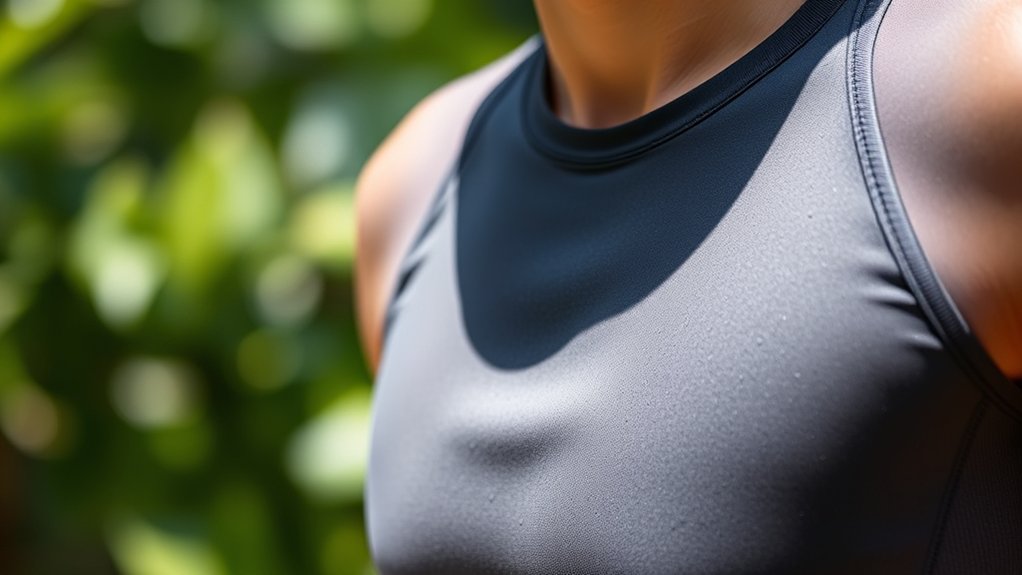
Moisture-wicking fabrics pull sweat away from your skin to the fabric’s surface, speeding up evaporation so you stay dry and comfortable during activity. They use fibers like polyester, nylon, merino wool, or bamboo, designed for breathability and quick drying.
You can wear them during workouts, outdoor adventures, or daily errands to manage sweat and regulate temperature. Understanding how to pick and care for these fabrics can help you get the best performance and comfort in any weather.
Key Takeaways
- Moisture-wicking fabrics pull sweat from the skin to the surface for quick evaporation, keeping wearers dry and comfortable. They use special fibers and weaves to enhance breathability and speed up moisture evaporation.
- Common materials include synthetic fibers like polyester and nylon, plus natural fibers such as wool and bamboo.
- These fabrics are ideal for high-intensity workouts, warm or humid weather, and as base layers in cooler climates.
- To maintain performance, wash with cold water, avoid fabric softeners, and air dry to preserve fabric quality.
What Are Moisture-Wicking Fabrics And Why Do They Matter?
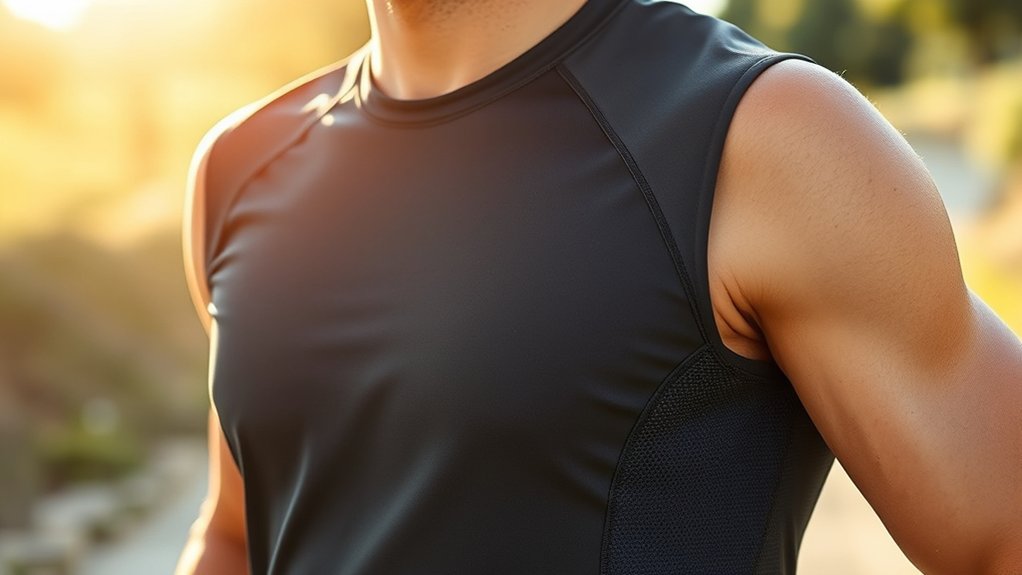
What makes moisture-wicking fabrics so important? When you choose these fabrics, you’re not just getting comfort, you’re investing in fabric durability and color retention that lasts.
Moisture-wicking materials actively pull sweat away from your skin to the fabric’s surface, helping you stay dry. But beyond that, these fabrics are designed to maintain their strength and vibrant colors even after repeated washes and heavy use.
You won’t have to worry about your favorite workout shirt fading or wearing out quickly. That’s because manufacturers use special fibers and weaves that resist damage caused by moisture and friction.
How Moisture-Wicking Fabrics Keep You Dry And Comfortable

You’ll find that moisture-wicking fabrics use special fibers to pull sweat away from your skin. This means sweat doesn’t just sit there—it moves to the surface of the fabric where it can evaporate quickly. And because the sweat evaporates faster, you stay dry and comfortable no matter what you’re doing. That’s exactly why these fabrics are a top choice for activewear designed to keep you cool and fresh.
Fabric Technology Explained
Although moisture-wicking fabrics might seem like simple materials, they rely on advanced technology to keep you dry and comfortable. These fabrics use special fibers designed to pull sweat away from your skin to the fabric’s surface, where it evaporates quickly.
This process not only improves fabric durability but also maintains its aesthetic appeal, so your clothes stay fresh and vibrant longer.
Here’s a quick look at key fabric features:
| Feature | Benefit |
|---|---|
| Fiber Composition | Moves moisture efficiently |
| Weave Structure | Boosts breathability |
| Surface Texture | Speeds up evaporation |
| Durability | Resists wear and tear |
| Aesthetic Appeal | Keeps colors bright and fabric smooth |
This technology keeps you comfortable, no matter how intense your activity gets.
Sweat Evaporation Process
How exactly do moisture-wicking fabrics keep you dry during intense activity? They pull sweat away from your skin and spread it across the fabric’s surface, speeding up the sweat evaporation process. This quick drying keeps you comfortable and prevents that sticky, damp feeling.
The secret lies in fabric breathability. These materials allow air to flow freely, helping moisture escape while letting your skin breathe. The breathability benefits not only improve evaporation but also regulate your body temperature, so you stay cool when it matters most.
Benefits For Activewear
When you choose activewear made from moisture-wicking fabrics, you benefit from improved comfort and performance during exercise. These fabrics pull sweat away from your skin, keeping you dry and preventing irritation. You’ll notice how this helps regulate your body temperature, so you stay cool even during intense workouts.
Beyond comfort, moisture-wicking materials align with current fashion trends, offering stylish options that don’t sacrifice function. Plus, their fabric durability means your activewear lasts longer, resisting wear and tear from frequent use and washing.
Whether you’re running, cycling, or hitting the gym, moisture-wicking activewear supports your activity by managing moisture effectively while maintaining a sleek, modern look that fits your lifestyle.
Common Materials That Make Moisture-Wicking Fabrics Effective
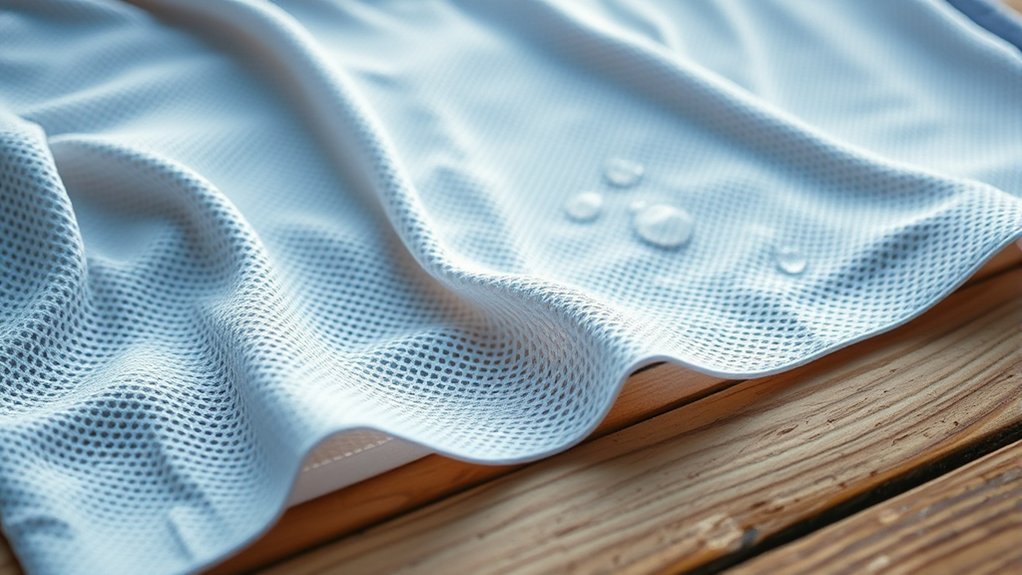
You’ll find moisture-wicking fabrics made from both natural and synthetic fibers, and each type offers its own unique benefits. For example, natural fibers like cotton and wool can pull moisture away from your skin, which feels pretty comfortable. On the other hand, synthetics like polyester and nylon dry quickly, so they keep you feeling dry faster.
Knowing a bit about these materials can really help you pick the right fabric for whatever activity you have in mind—and make sure you stay comfortable while doing it.
Natural Moisture-Wicking Fibers
Although synthetic fibers often get the spotlight for moisture-wicking, natural fibers play a crucial role in keeping you dry and comfortable. Natural fibers like cotton, wool, and bamboo absorb moisture and allow it to evaporate quickly, helping regulate your body temperature.
Wool, especially merino, excels by wicking moisture while resisting odors, making it perfect for activewear. Bamboo fibers offer a soft, breathable option with natural antimicrobial properties.
Plus, natural fibers are sustainable options, often biodegradable and less energy-intensive to produce than synthetics. When you choose moisture-wicking fabrics made from natural fibers, you not only stay comfortable but also support eco-friendly practices.
Synthetic Moisture-Wicking Fabrics
Since synthetic fibers are engineered for performance, they excel at pulling moisture away from your skin and drying quickly. Common synthetic moisture-wicking fabrics include polyester, nylon, and spandex, each offering unique benefits in fabrics comparison.
Polyester, for example, is durable and lightweight, making it a popular choice for activewear. Nylon adds strength and elasticity, while spandex offers flexibility and shape retention.
When you choose synthetic fabrics, you’ll notice how they balance moisture management with breathability. Beyond function, these fabrics also shine in style and design, allowing you to find workout gear that looks great and performs well.
Everyday Benefits Of Moisture-Wicking Fabrics For Comfort And Performance
How can moisture-wicking fabrics transform your daily comfort and performance? By keeping you dry and comfortable, these fabrics help you stay focused, whether you’re at work, exercising, or running errands. They pull sweat away from your skin and allow it to evaporate quickly, preventing that sticky, uncomfortable feeling.
Plus, moisture-wicking fabrics align well with current fashion trends, offering stylish options that don’t sacrifice functionality. You can find everything from activewear to casual pieces made with these innovative materials.
Beyond comfort and style, choosing moisture-wicking fabrics supports fabric sustainability. Many moisture-wicking textiles are designed to be durable and long-lasting, reducing the need for frequent replacements.
Some are even made from recycled materials, helping reduce environmental impact. So, using moisture-wicking fabrics not only *boosts* your performance but also contributes to a more sustainable wardrobe.
Moisture-Wicking Fabrics Vs. Cotton And Other Materials
When you compare moisture-wicking fabrics to cotton and other traditional materials, the differences in performance become clear. Moisture-wicking fabrics actively pull sweat away from your skin, keeping you dry and comfortable. Cotton tends to absorb moisture and stay damp longer.
This difference influences not only comfort but also how quickly fabrics dry, which is crucial for active use.
Here’s why moisture-wicking fabrics often outshine others:
- They dry faster, reducing chafing and discomfort during physical activity.
- They align with growing fashion trends that prioritize both function and style.
- Many moisture-wicking options offer improved fabric sustainability, using recycled or eco-friendly materials.
While cotton remains popular for its softness and breathability, moisture-wicking fabrics are better suited for performance and durability. They’re especially great when you want to stay fresh and dry.
Choosing moisture-wicking fabrics can also support your commitment to sustainable fashion, making them a smart, modern choice.
When To Wear Moisture-Wicking Fabrics For Best Results
You’ll get the best results from moisture-wicking fabrics during intense workouts or outdoor activities—basically, whenever you’re sweating the most. They’re perfect for warm or humid weather, but honestly, they can keep you comfortable during daily wear too. So, let’s take a closer look at the ideal times and conditions to wear them.
Ideal Exercise Scenarios
Although moisture-wicking fabrics work well in many situations, they shine brightest during high-intensity workouts or outdoor activities where sweat and heat buildup are common. You’ll find them especially useful when you need to stay dry and comfortable, helping you focus on your performance. Whether you’re running, cycling, or hitting the gym, these fabrics keep moisture away from your skin.
Ideal exercise scenarios include:
- Intense cardio sessions where sweat pours
- Outdoor sports like hiking or trail running
- Group fitness classes with constant movement
Weather Conditions Suitability
Sweat and heat aren’t the only factors that affect how well moisture-wicking fabrics perform. You also need to take into account the weather conditions. These fabrics excel in warm, humid climates by efficiently pulling moisture away from your skin, keeping you dry and comfortable.
However, in cooler weather, they still work well as a base layer, helping to regulate your body temperature without adding bulk. When choosing moisture-wicking garments, consider fashion trends that blend performance with style, so you stay comfortable without sacrificing your look.
Furthermore, pay attention to fabric sustainability. Many brands now focus on eco-friendly moisture-wicking materials, allowing you to support the environment while enjoying high-performance wear. Wearing these fabrics thoughtfully ensures you get the best results regardless of the weather.
Daily Wear Benefits
When should you reach for moisture-wicking fabrics in your daily routine? These fabrics are perfect whenever you want to stay comfortable and dry without sacrificing style. Thanks to evolving fashion trends, moisture-wicking fabrics now blend seamlessly with everyday wear, offering both function and flair.
Plus, their fabric durability means they hold up well through daily use and frequent washing.
Consider wearing moisture-wicking fabrics for best results in these situations:
- During busy workdays to stay fresh and focused.
- On casual outings where comfort meets style.
- While running errands in unpredictable weather.
Choosing The Right Moisture-Wicking Fabric For Your Activity And Climate
Since different activities and climates demand unique performance qualities, choosing the right moisture-wicking fabric can make a big difference in your comfort and effectiveness. If you’re doing high-intensity workouts or outdoor sports, prioritize fabrics with excellent durability to withstand frequent movement and washing.
Synthetic blends like polyester or nylon often excel here, maintaining their structural integrity over time. For hot, sunny climates, look for fabrics that offer strong color retention so your gear won’t fade quickly under intense sunlight.
Darker colors with good color retention can also help hide sweat stains, keeping you looking fresh. In cooler or damp environments, you might prefer moisture-wicking fabrics with added insulation or thermal properties to keep you warm without feeling clammy.
Ultimately, match the fabric’s durability and color retention to your specific activity and climate needs, ensuring your gear supports your performance day after day.
Spotting Quality Moisture-Wicking Fabrics Before You Buy
Understanding what makes a fabric durable and suitable for your activity is just the start. When spotting quality moisture-wicking fabrics before you buy, you’ll want to evaluate more than just feel and fit. Check the fabric’s breathability and quick-drying features, but also look at how it’s made.
Fabric dyeing affects more than color; it influences both durability and environmental impact. Choosing fabrics dyed with eco-friendly processes helps reduce harmful chemical waste.
Keep these tips in mind:
- Inspect the fabric’s texture for smoothness and slight stretch, which indicate quality.
- Opt for brands transparent about their fabric dyeing methods, prioritizing sustainability.
- Look for certifications or labels that confirm low environmental impact during production.
Caring For And Washing Moisture-Wicking Fabrics Properly
Although moisture-wicking fabrics are designed to handle sweat and moisture, you need to care for them properly to maintain their performance and longevity. Start by washing your garments in cold water with a gentle detergent. Avoid fabric softeners and bleach, as they can clog the fibers and reduce wicking ability.
Turn your clothes inside out to protect the surface and remove any buildup.
For stain removal, treat spots promptly using a mild stain remover or a mix of water and vinegar. Gently blot the stain instead of rubbing, which can damage the fabric.
Air dry moisture-wicking clothes instead of using high heat in the dryer, as heat can break down fibers.
These care tips will help maintain your fabric’s breathability and moisture management, keeping your gear fresh and effective workout after workout. By following these simple steps, you’ll extend the life of your moisture-wicking clothes and guarantee they perform when you need them most.
Layering Moisture-Wicking Fabrics For Different Weather Conditions
Taking care of your moisture-wicking fabrics guarantees they stay effective, but knowing how to layer them properly can make a big difference when facing varying weather conditions. Layering techniques help you regulate body temperature and maximize comfort by combining moisture-wicking base layers with insulating or protective outer layers.
Proper layering with moisture-wicking fabrics enhances comfort and temperature control across all weather conditions.
You want to assure each layer contributes to moisture management without compromising fabric durability.
For warm weather, stick to a single moisture-wicking layer to keep sweat away from your skin. In cooler climates, add an insulating layer over your moisture-wicking base to trap heat while still allowing moisture to escape. When it’s cold and wet, use a moisture-wicking base, an insulating middle layer, and a waterproof outer shell.
Keep these tips in mind: choose layers that complement each other’s breathability. Avoid heavy fabrics directly against your skin. Rotate layers based on activity intensity and weather changes.
Master these layering techniques to get the most from your moisture-wicking fabrics.
Frequently Asked Questions
Can Moisture-Wicking Fabrics Cause Skin Irritation or Allergies?
Yes, moisture-wicking fabrics can cause skin irritation or allergies if you have skin sensitivity or a specific allergy risk. Some synthetic fibers or chemical treatments used in these fabrics might trigger reactions for sensitive skin.
To avoid this, you should check fabric labels for hypoallergenic properties and wash new garments before wearing. If you notice redness, itching, or discomfort, stop using the fabric and consult a dermatologist to address your skin concerns.
Are Moisture-Wicking Fabrics Environmentally Friendly or Sustainable?
Moisture-wicking fabrics can be eco-friendly materials if they’re made from recycled fibers or natural sources like bamboo. When you choose brands committed to sustainable manufacturing, you support less waste and lower energy use.
However, many moisture-wicking fabrics rely on synthetic fibers, which aren’t always sustainable. So, you should look for certifications or labels that prove the fabric’s eco-friendly and sustainable before buying to make a greener choice.
How Long Do Moisture-Wicking Fabrics Typically Last Before Losing Effectiveness?
Think of moisture-wicking fabrics like a trusty shield against sweat that slowly wears down. Typically, their fabric durability holds strong for about 20 to 50 washes before material degradation starts to creep in.
How long they last depends on care. Harsh detergents or heat can speed up the breakdown. If you treat them gently, you’ll keep that wicking power alive longer, ensuring you stay dry and comfortable through many workouts.
Can Moisture-Wicking Fabrics Be Dyed or Altered After Purchase?
You can dye moisture-wicking fabrics, but you’ll face some dyeing limitations because these fabrics often have special coatings or synthetic fibers that don’t absorb dye well.
Fabric alteration, like cutting or sewing, is usually fine, but you should avoid harsh chemicals or heat that can damage the moisture-wicking treatment. If you want to change the color, test a small area first so you don’t ruin the fabric’s performance or appearance.
Do Moisture-Wicking Fabrics Have Any Impact on Body Temperature Regulation Beyond Drying?
Yes, moisture-wicking fabrics help with thermal regulation beyond just drying sweat. When you wear them, they pull moisture away from your skin, which boosts sweat management by speeding up evaporation.
This evaporation cools your body, helping you stay comfortable during workouts or hot weather. So, these fabrics don’t just keep you dry, they actively assist your body in regulating temperature, making you feel cooler and less clammy throughout the day.
Conclusion
Now that you know how moisture-wicking fabrics keep you dry and comfortable, imagine never feeling clammy again, whether you’re hitting the gym or braving unpredictable weather. But here’s the secret: choosing the right fabric and caring for it properly makes all the difference.
Ready to transform your comfort and performance? Your next outfit could change everything if you know what to look for. Don’t settle for less; your skin will thank you for choosing moisture-wicking fabrics.