What Is Organza?
Finding the perfect fabric that combines elegance with structure can be a real challenge. If you’ve ever struggled to find something lightweight yet polished for your special projects, you’re not alone.
Many people look for a material that adds shimmer and shape without the bulk, especially for garments and décor that need that extra touch of sophistication.
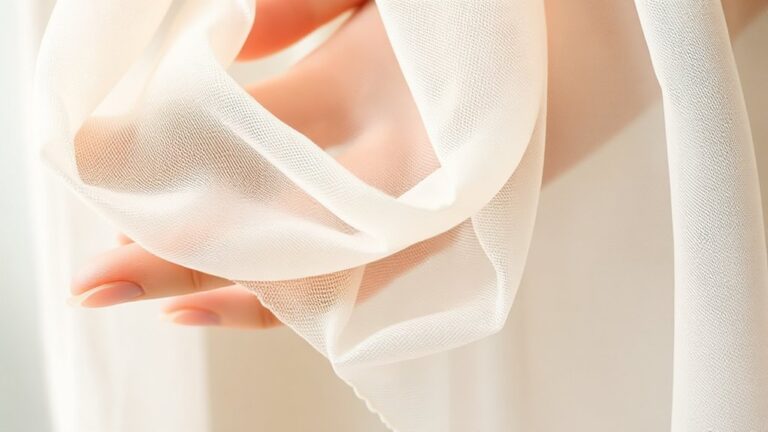
Organza is a lightweight, sheer fabric that gives your garments and décor a crisp, elegant shape. You’ll usually find it in silk, polyester, or nylon, and its tight plain weave is what makes it so translucent and structured. What Is Organza?
It’s popular for bridal wear, evening dresses, sleeves, overlays, and accents because it adds shimmer without bulk.
If you keep going, you’ll see how it’s made, cared for, and chosen for different projects.
Key Takeaways
- Organza is a lightweight, sheer fabric with a crisp texture that adds structure and elegance to garments and décor.
- It is traditionally made from silk, but modern organza also uses polyester or nylon fibers.
- Its open weave creates transparency and breathability while maintaining a firm, sculpted shape.
- Organza is commonly used for bridal gowns, evening wear, sleeves, overlays, and decorative accents.
- Quality organza feels smooth and slightly crisp, with an even weave and minimal loose threads.
What Is Organza?

Organza is a lightweight, sheer fabric known for its crisp texture and delicate appearance. You’ll notice it feels airy yet holds shape, which makes it stand out from softer, drapier fabrics.
When you choose organza, you get a material that adds structure, shimmer, and a refined finish to garments and décor. Its organza history stretches back centuries, when it appeared in luxury clothing and formal wear.
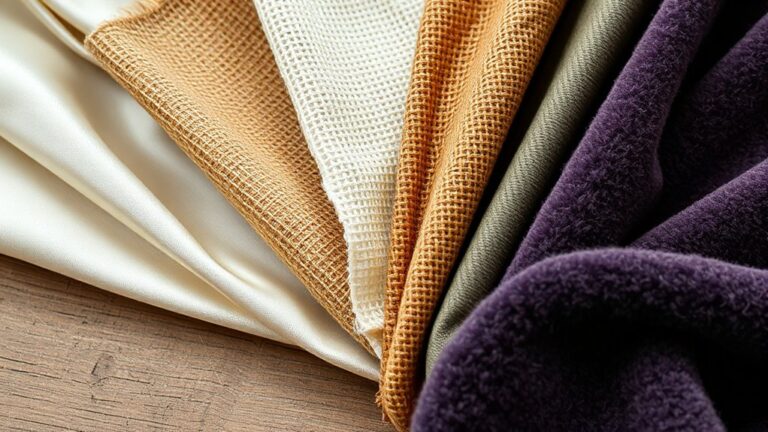
Today, you can find many organza varieties, including silk, polyester, and nylon options, each offering a slightly different look and feel. You might use it for overlays, sleeves, evening dresses, bridal accents, or decorative details that need a touch of elegance.
You can find organza in silk, polyester, and nylon, perfect for overlays, sleeves, and elegant bridal accents.
Because it’s so sheer, you can layer it to create depth without adding much weight. If you want fabric that looks delicate but makes a strong visual statement, organza is a smart choice for both fashion and design.
How Organza Is Made

To make organza, manufacturers weave very fine fibers into a plain, tightly balanced structure that gives the fabric its crisp, transparent quality. You’ll usually see this start with filaments drawn to an even thickness, then twisted just enough to add strength without dulling the sheen.
In traditional organza origins, silk was the standard choice, and artisans refined production techniques to keep the cloth lightweight and sheer. Today, you may also find synthetic fibers handled with the same careful weaving approach, which helps preserve the fabric’s airy look.
After weaving, the material can be lightly heat-set or finished to sharpen its body and reduce slippage. These steps matter because organza depends on structure, not weight, to hold its shape.
When you understand how it’s made, you can better judge quality, drape, and stiffness for your project.
Silk Organza vs. Synthetic Organza
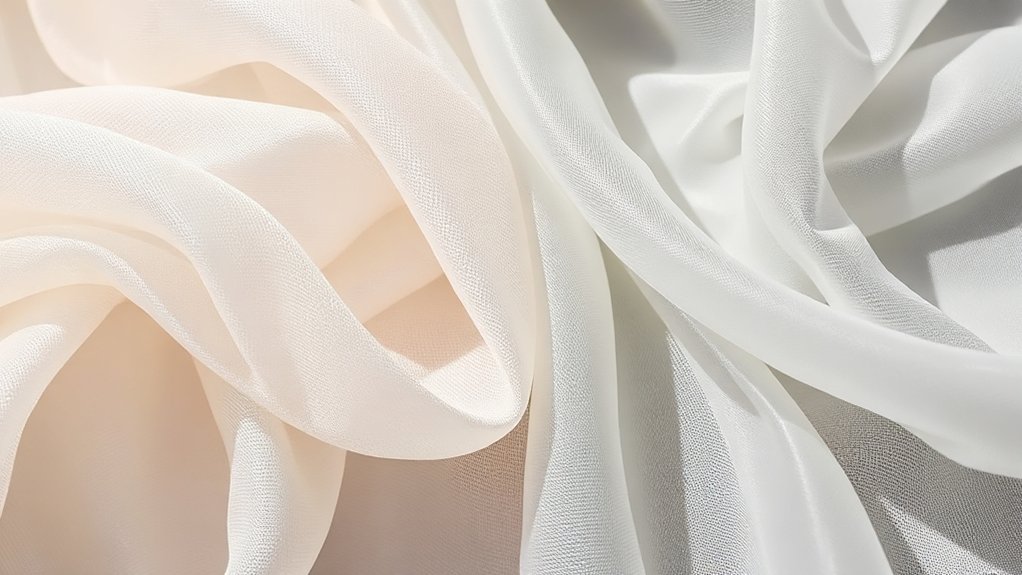
At a glance, silk and synthetic organza can look very similar, but they differ in feel, cost, and performance. If you want the richest hand, silk organza gives you the natural silk properties people love: a crisp drape, subtle luster, and a soft touch that feels refined. It also breathes well, so it’s ideal when you want luxury in garments or decor.
Synthetic organza, usually polyester or nylon, offers clear synthetic advantages: it’s cheaper, easier to find, more wrinkle-resistant, and often holds color better. You can use it for projects that need structure without a high price tag. However, it may feel stiffer or less refined than silk, and it can trap more heat.
If you’re choosing between them, think about your budget, the occasion, and how much comfort matters. For formalwear, silk often wins; for practice pieces, events, or durable displays, synthetic organza works well.
Why Organza Looks So Sheer
You know why organza looks so sheer? It’s all about the way it’s woven. The open weave creates tiny gaps between the threads, which lets light sneak right through. Plus, the fabric uses fine filament yarns, making it super lightweight and translucent.
All these details work together, allowing light to pass through easily and giving organza that airy, delicate look we love.
Open Weave Structure
Organza’s airy look comes from its open weave structure, where the yarns are spaced apart just enough to let light pass through. You notice this immediately when you hold it up, because the fabric doesn’t block much light and keeps a delicate, translucent effect.
This open weave also adds to fabric breathability, so the cloth feels lighter and less enclosed than denser textiles.
- You see the pattern clearly under light.
- You get a crisp, floating drape.
- You enjoy a fabric that feels refined without looking heavy.
That balance makes organza ideal when you want elegance with a barely-there appearance. Its structure gives you visual softness while still holding shape, which is why it stands out in formalwear and decorative layers.
Fine Filament Yarns
That airy structure works hand in hand with organza’s fine filament yarns, which are thin, smooth, and tightly spun. When you look at the fabric, you’re seeing how these yarn properties limit bulk and let light pass through easily.
Because the fibers stay slender and uniform, they create a fine texture that feels crisp instead of heavy. You also notice that the yarns don’t trap much density in the cloth, so the surface appears delicate and almost transparent.
This is why organza seems so sheer even though it still holds shape well. Its filaments give you elegance, lift, and a clean finish without adding weight. When woven tightly, they preserve structure while keeping the fabric visually light.
Common Organza Uses in Fashion
In fashion, organza often brings a light, airy structure to garments without adding bulk. You’ll see it in bridal gowns, evening wear, and fashion accessories when you want crisp volume and a polished finish. Designers use it for sleeves, overskirts, and overlays, and you can spot it in runway looks that balance drama with delicacy.
Use layering techniques to soften transparent panels while keeping shape. Try fabric combinations like satin, tulle, or silk for contrast and movement. Discover color variations to match seasonal trends, design inspirations, and vintage styles.
You can wear organza to add elegance to special outfits, especially when you want texture that catches the light. It works well in structured silhouettes, bows, and statement details, so your look feels refined without appearing heavy. When you choose organza, you’re choosing a fabric that enhances simple designs with a clean, ethereal edge.
Using Organza in Home Decor
Beyond fashion, organza can bring the same light, airy elegance into your home decor. You can use organza curtains to soften sunlight while keeping rooms bright and open. Their sheer texture adds movement and a delicate finish to living rooms, bedrooms, or dining spaces.
If you want a polished table setting, layer organza table runners over solid linens for instant dimension. You can match them with candles, flowers, or simple dinnerware to create a refined look without overwhelming the space.
You’ll also find organza useful for chair sashes, gift wrapping, and accent bows on drapery tiebacks. Because the fabric holds shape well, you can gather, knot, or drape it with ease. Choose colors that complement your palette, from crisp white to jewel tones, and let organza add a graceful, decorative touch wherever you place it.
Organza Benefits and Tradeoffs
You’ll love organza for its lightweight, sheer look that adds instant elegance. Plus, it holds a crisp shape beautifully, which makes it great for polished designs. That said, you’ll need to handle it gently because its delicate nature calls for extra care.
Lightweight Sheer Appeal
Organza’s airy, translucent structure gives it a distinctly light, elegant look that feels refined without seeming heavy. You can use it when you want a soft glow that lets color and movement show through. It works beautifully for sheer layering, especially when you want depth without bulk, and it can enhance festive occasions with a polished, delicate finish.
Its main appeal is visual: you get a graceful silhouette that catches light and adds interest.
- It feels featherlight on the body.
- It creates a romantic, see-through effect.
- It adds instant dressiness without weight.
Still, because it’s so sheer, you’ll often want a lining or thoughtful styling. That tradeoff is part of its charm, since organza rewards you with elegance, not opacity.
Crisp Structure
Crisp, structured, and easy to shape, organza holds its form in a way that makes hems, sleeves, and overlays look distinctly polished. You get defined lines that add volume without heavy bulk, so your garment can feel airy yet dramatic.
Among organza characteristics, this stiffness is the main reason designers reach for it when they want clean silhouettes and visible texture. In organza applications, you’ll often see it in formal dresses, bridal accents, evening jackets, and decorative layers that need to stand away from the body.
The tradeoff is that its sculpted look won’t drape softly like fluid fabrics, so your design should benefit from structure rather than movement. If you want crisp elegance, organza gives you impact fast.
Delicate Care Needs
Because organza is lightweight and often sheer, it needs gentle handling from the start. You’ll enjoy its airy beauty, but you also need to protect it from snags, heat, and rough seams. That tradeoff matters when you choose it for dresses, wraps, or decor.
- Handle it with clean hands and minimal friction.
- Use gentle washing in cool water, or better yet, dry clean when the label says so.
- Hang or lay it flat to dry, away from direct sun.
You should avoid wringing, harsh detergent, and heavy ironing, since they can distort the crisp weave. With delicate handling, organza keeps its shape, shine, and refined look. Its reward is elegance; its cost is extra care.
How to Care for Organza Fabric
To keep organza looking crisp and beautiful, handle it gently from the start. You should treat it like a delicate layer, not a workhorse fabric. For organza cleaning, spot-clean small marks with cool water and a mild detergent, then blot, don’t rub.
If you must wash it, use a mesh bag and a gentle cycle, or hand-wash it briefly. Afterward, lay it flat to dry away from heat. For organza storage, keep it in a breathable garment bag, away from direct sunlight and sharp folds.
| Care step | What you should do |
|---|---|
| Washing | Use cool water and mild soap |
| Drying | Air-dry flat, out of heat |
| Ironing | Use low heat with a pressing cloth |
| Storage | Hang or fold loosely in breathable fabric |
Check seams and hems after wear, and fix snags right away so they don’t spread.
How to Tell Quality Organza
How can you spot quality organza at a glance? You can judge it by crispness, sheen, and structure. Good organza feels light yet holds its shape, showing clear organza characteristics without looking limp or plasticky.
- Look at the weave: You should see an even, tight pattern with few loose threads or snags.
- Check the finish: Quality fabric reflects light softly, not with a harsh shine.
- Test the hand feel: It should feel smooth, dry, and slightly crisp, not rough or brittle.
When you gently scrunch it, fine organza springs back instead of collapsing. If you hold it to the light, you’ll notice clean transparency and consistent texture across the surface. Strong fibers also improve organza durability, so the fabric resists tearing better during handling.
You don’t need to overthink it. Trust your eyes, touch, and how the fabric recovers. Small flaws can signal lower quality, while balanced drape and firmness usually mean better organza.
How to Choose the Right Organza
Choosing the right organza starts with the purpose you have in mind, since different projects call for different levels of stiffness, sheen, and transparency. If you’re making eveningwear, pick a softer weave that drapes well and won’t overpower the silhouette.
For bridal details, a firmer option can hold pleats, bows, and layers with more structure. You should also compare organza colors under natural light, because some shades look richer or more sheer indoors.
When you want visual interest, look for organza patterns that add texture without making the fabric feel heavy. Test how it behaves when you gather, press, or sew it, since your choice affects both comfort and finish.
If you’re unsure, buy a small swatch first. That lets you judge hand feel, opacity, and movement before you commit to a full yardage purchase for your project.
Frequently Asked Questions
Can Organza Be Dyed at Home?
Yes, you can dye organza at home if you use the right dye techniques and test a small swatch first. You’ll get better results with silk or nylon organza than polyester, which resists color.
Use a gentle dye bath, stir carefully, and rinse well. Check color fastness after drying, because some shades can fade or bleed.
Always wear gloves and work in a well-ventilated area to protect your fabric and yourself.
Is Organza Suitable for Outdoor Clothing?
No, you’ll usually find organza isn’t the best pick for outdoor clothing. Think of a paper kite in a breeze: it looks light and graceful, but it tears fast.
You’ll face durability concerns because the fabric snags and wrinkles easily. Its weather resistance is limited against wind, rain, and rough wear. If you want a dressy look outdoors, you’re better off layering organza over sturdier fabrics that can handle the elements.
Does Organza Fray Easily When Cut?
Yes, organza can fray easily when you cut it, so you’ll want to handle it carefully. You can reduce damage by using sharp scissors, pinking shears, or a rotary cutter for cleaner cutting methods.
If you’re sewing, finish edges quickly with zigzag stitches, French seams, or bias binding. Good fraying techniques help keep the fabric neat, especially because organza’s crisp weave can unravel fast at cut edges.
Can Organza Be Embroidered Without Puckering?
Yes, you can embroider organza without puckering if you handle it like a kite in a light breeze: steady, supported, and never forced. You’ll want to use embroidery techniques that keep stitches light and choose fabric stabilizers to hold the sheer weave in place.
I once watched a bridal veil stay flawless after careful hooping and backing, proving delicate fabric can still carry bold thread beautifully.
Is Organza Eco-Friendly Compared With Other Fabrics?
Organza isn’t automatically eco-friendly; you’ll need to check its fiber and production. If you choose silk organza, you may support a natural fiber, but farming and dyeing still matter.
Polyester organza often lasts longer, yet it’s fossil-based and sheds microplastics. You can improve your impact by favoring sustainability practices, recycled content, and fabric alternatives like organic cotton, linen, or Tencel when they fit your project.
Conclusion
Organza is more than a fabric; it’s a whisper of elegance. When you choose it, you choose lightness, structure, and a touch of drama that can lift an outfit like a breeze raising a curtain.
Whether you prefer silk or synthetic, you’ll get a material that shines best when handled with care. Pick the right organza, and you’ll add a delicate symbol of grace to your wardrobe. It doesn’t just decorate it; it transforms it, making organza a truly special choice.