What Is Faux Leather?
Finding stylish, durable leather products that are affordable and animal-friendly can feel like an impossible quest. If you’ve ever struggled to find alternatives that look great without breaking the bank or compromising your values, you’re not alone. Many people face this challenge when shopping for jackets, bags, or furniture.
Faux leather is a synthetic material that gives you the look of real leather without using animal hide. You’ll usually find it made from polyurethane, PVC, microfiber, or plant-based blends, and it’s used for jackets, bags, shoes, and furniture.
It’s often easier to clean, lighter, and more affordable than real leather, though it can crack or peel over time. If you want to know how it compares, there’s more to uncover below.
Key Takeaways
- Faux leather is a synthetic material made to look and feel like real leather. It is commonly made from polyurethane (PU), polyvinyl chloride (PVC), microfibre, or plant-based materials.
- People use faux leather for jackets, bags, shoes, furniture, and other stylish products. It is usually easier to clean and more affordable than real leather.
- Faux leather offers an animal-free alternative, though it may crack or wear out faster over time.
What Is Faux Leather?
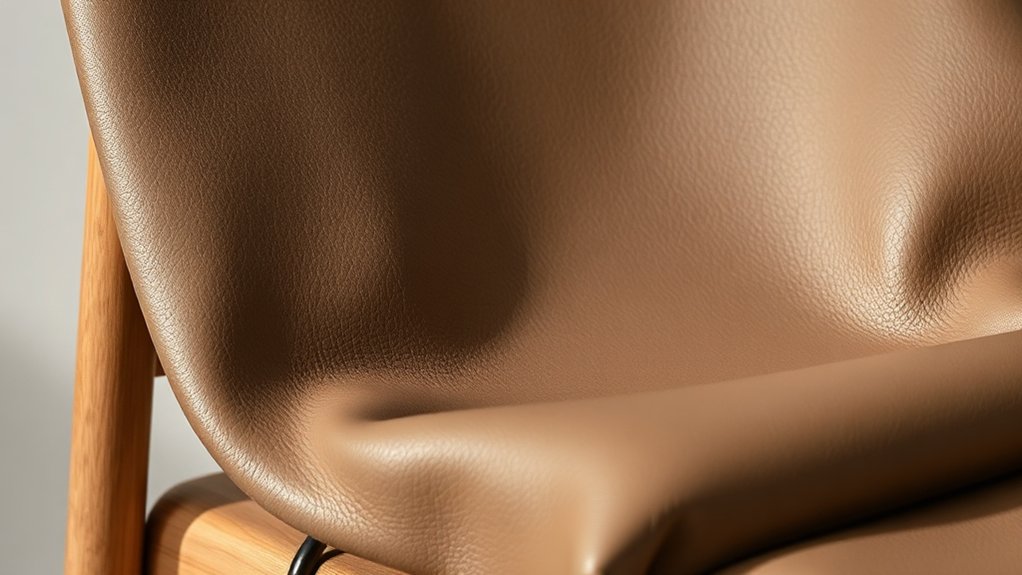
Faux leather is a synthetic material designed to look and feel like real leather without using animal hide. You’ll see it made from materials like polyurethane or PVC, which manufacturers shape into jackets, bags, shoes, furniture, and accessories.
Because it’s versatile, you can find it in many colors, textures, and finishes, making it easy to match different fashion trends. It’s also popular when you want a polished look without choosing animal-based materials.
Many brands now highlight it as one of several sustainability options, especially when they want to reduce dependence on traditional leather goods. You can wipe it clean easily, and it often costs less, so it fits everyday use and style updates.
When you shop, you’ll notice faux leather showing up in both casual and upscale pieces, giving you a practical material that balances appearance, affordability, and modern design.
Faux Leather vs. Real Leather
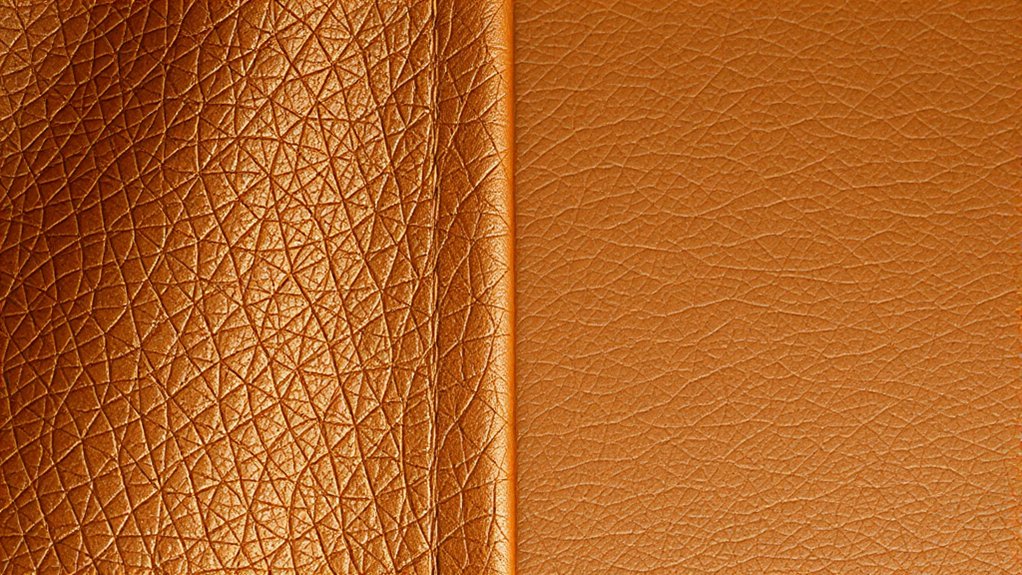
When you compare faux leather with real leather, you’ll notice differences in appearance and texture right away. Faux leather often looks smoother and more uniform. On the other hand, real leather usually has a richer, more natural grain that gives it character.
You’ll also find that faux leather can be easier to clean, which is a big plus. But if you take good care of real leather, it often lasts much longer. So, each has its own benefits depending on what you’re looking for.
Appearance And Texture
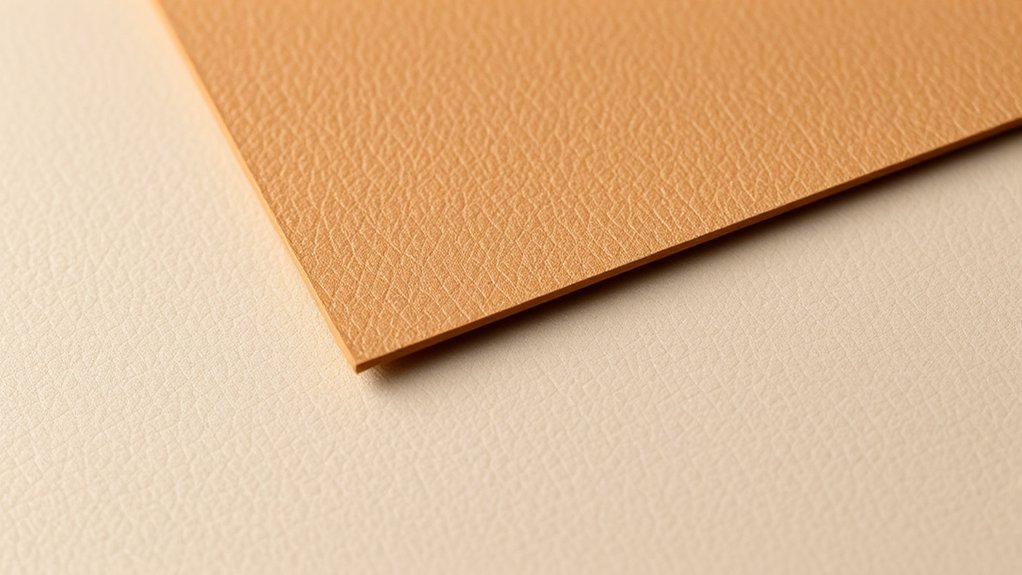
At a glance, faux leather can look very similar to real leather, but the differences usually show up in the details. You’ll notice faux leather often has a more uniform surface, while real leather shows natural grain, pores, and subtle irregularities.
In fashion trends, that consistency boosts market demand because it offers more color options and styling ideas. Consumer perception also shifts as eco-friendly alternatives gain popularity.
- Smoother, even finish
- Matte or glossy sheen
- Texture variations that feel patterned
- Historical use shaped by modern manufacturing
You can spot faux leather by its crisp edges and printed grain, yet it still delivers strong visual appeal. With simple maintenance tips, you can keep its look polished without much effort.
Durability And Care
Although faux leather can handle everyday wear well, it usually won’t age like real leather. You’ll find it resists stains, wipes clean easily, and needs fewer maintenance tips than genuine hide.
Still, it can crack, peel, or fade over time, especially with heat, heavy friction, or harsh cleaners. Real leather usually lasts longer if you condition it and protect it from moisture, but it demands more care and a bigger budget.
If you want low-effort upkeep, faux leather is practical. If you want long lasting options, real leather often wins. To extend faux leather’s life, keep it out of direct sun, clean spills quickly, and use a soft cloth instead of abrasive tools.
Common Types of Faux Leather
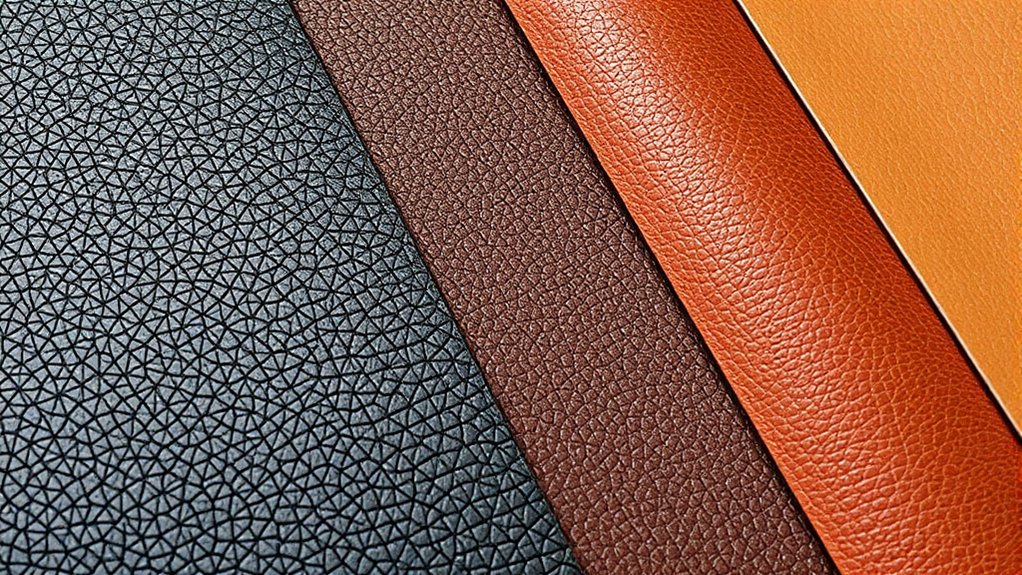
Faux leather comes in several common forms, and each one offers a different balance of look, feel, durability, and price. You’ll often see PVC, polyurethane, microfibre, and plant-based options, each suited to different needs.
If you want a sleek finish at a lower cost, PVC can work well. If you prefer a softer hand and more flexibility, polyurethane usually feels closer to real leather. Microfibre versions can add breathability and strength, while plant-based styles appeal when you want sustainability practices to guide your choices.
- PVC: affordable and easy to wipe clean
- PU: softer and more versatile
- Microfibre: lightweight with a refined texture
- Plant-based: popular with eco-minded shoppers
You can also track fashion trends to see which finish, color, or grain design fits your style. The best type depends on how you’ll use it and what matters most to you.
How Faux Leather Is Made
Manufacturers make faux leather by combining a fabric base with a plastic or plant-based coating, then treating the surface to mimic the look and feel of real hide. You’ll usually see a woven or knit backing, then a liquid finish spread, pressed, or laminated onto it.
Producers add texture with rollers or embossing plates, and they can tint the surface during this stage to create different colors and grain patterns. After that, they cure or dry the material so the layers bond securely and resist wear.
Some production techniques rely on polyurethane, while others use PVC or newer bio-based blends from renewable material sources. Finishers may also apply protective topcoats to improve flexibility, gloss, or stain resistance.
Each step shapes how the final sheet looks, feels, and performs. Because makers can adjust coatings, texture, and backing, you get a wide range of faux leather qualities without using animal hide.
Common Uses for Faux Leather
You’ll spot faux leather in plenty of everyday products because it offers a leather-like look without the same cost or upkeep. You can use it across styles and settings, from sleek fashion accessories to practical home decor. Designers also choose it for automotive interiors, where it adds a polished finish to seats, panels, and trim.
- Bags, belts, and wallets
- Jackets, skirts, and other clothing items
- Sofas, chairs, and upholstery fabric
- Pet products, sporting goods, and travel gear
You’ll also find it in children’s items, where easy styling matters. Because manufacturers can shape it into many colors and textures, faux leather fits casual and formal looks alike. If you want eco friendly options, you’ll see it featured in products marketed for lower-impact sourcing or alternative materials.
Faux leather also appears in children’s items, with versatile styling and eco-friendly options for lower-impact designs.
In short, faux leather appears wherever you need a versatile surface that works in fashion, furniture, vehicles, and everyday gear.
Benefits of Faux Leather
Beyond its wide range of uses, faux leather stands out for a few practical advantages. You can enjoy a polished look that fits everyday life, from jackets to chairs, without paying the premium of many natural materials. It’s easy to wipe clean, so you spend less time worrying about spills and stains.
You also get more design flexibility since makers can create many colors, textures, and finishes. For many buyers, the sustainability benefits and ethical fashion appeal make faux leather an attractive choice.
| Benefit | What you notice | Why it matters |
|---|---|---|
| Easy care | Quick cleanup | Saves time |
| Style options | Many finishes | Matches your taste |
| Ethical choice | Animal-free appeal | Supports ethical fashion |
You’ll also find it lightweight and versatile, which helps you use it in fashion, furniture, and accessories with confidence.
Faux Leather Drawbacks
When you go for faux leather, you might find it doesn’t last as long as real leather, especially if you use it a lot. Plus, you’ll want to keep it away from high heat because it can warp or crack more easily. On top of that, it’s worth thinking about the environmental side of things—many faux leather products are made from plastics that don’t break down quickly. So, there are definitely a few things to keep in mind if you’re considering faux leather.
Durability Concerns
Although faux leather can look polished and feel practical, it doesn’t always hold up as well as genuine leather over time. You may notice cracking, peeling, or surface wear after regular use, especially on seats, bags, or jackets you handle often. That means you’ll likely replace items sooner, which can add to sustainability concerns and reduce long-term value.
To extend its life, follow simple maintenance tips and protect the finish with gentle cleaning. Avoid harsh cleaners that weaken the coating. Wipe spills quickly to prevent staining. Store items away from abrasion. Use them lightly to slow visible wear.
If you want a material that stays attractive longer, you should compare durability before buying.
Heat Sensitivity
Faux leather can be especially vulnerable to heat, so you’ll want to keep it away from radiators, direct sunlight, hot car interiors, and other warm surfaces. Prolonged exposure can warp, crack, or stick the finish, especially if the material has low heat resistance.
You may notice stiffness, bubbling, or fading after repeated temperature effects, and those changes can make the surface look worn faster than you’d expect. If you use faux leather furniture or accessories, place them in cooler spots and avoid ironing or placing hot items on them.
You can also extend their appearance by cleaning them gently and storing them properly when not in use. Small temperature changes matter, so treat faux leather carefully.
Environmental Impact
Even if faux leather is often marketed as a more affordable alternative, its environmental impact can still be a real drawback. You may like its look, but you should consider what happens before and after use.
It’s usually made from plastic-based materials. Production can release harmful emissions. It often won’t biodegrade quickly. Recycling options are limited for many products.
When you buy faux leather, you help drive demand for petroleum-derived materials and coatings that can persist in landfills. You can reduce harm by choosing durable items, checking for certified recycled content, and seeking sustainable alternatives like plant-based or recycled fabrics.
If you already own faux leather, extend its life through repair and reuse so you don’t replace it too soon.
How To Spot Quality Faux Leather
To spot quality faux leather, start by looking closely at the surface, feel, and construction. High-quality pieces show a realistic grain, even coloring, and subtle variation instead of a plastic shine.
Run your hand over it; good faux leather feels supple, not stiff or sticky, and it should flex without cracking. Check the stitching, edges, and backing for tight, clean workmanship, since sloppy seams often signal weak material.
Good faux leather feels supple and flexible, with clean stitching and edges that signal careful craftsmanship.
You can also test drape: quality faux leather hangs smoothly and resists puckering. Ask about the base fabric and coating, because better formulations often address sustainability concerns by using fewer harsh solvents or recycled components.
Read labels and compare details, since honest specs help you judge value. Look for clear maintenance tips, too, because reputable makers explain how to keep the material looking sharp.
When a product balances realism, durability, and transparent information, you’re likely seeing better faux leather.
How To Care for Faux Leather
Once you’ve chosen a good piece, keeping faux leather in shape is mostly about gentle, consistent care. Use simple cleaning methods: wipe it with a damp microfiber cloth, then dry it right away.
For daily upkeep, brush off dust and check seams so small issues don’t grow.
Blot spills fast for easier stain removal. Use mild soap, not harsh chemicals. Store items away from heat and sunlight. Rotate use to improve wear prevention.
Follow these maintenance tips to limit color fading and cracking. Apply protective sprays only when the label says they’re safe for your finish, and test first.
Smart storage solutions matter too: keep bags stuffed and jackets on padded hangers. For tough spots, choose product recommendations made for faux leather, not real hide.
Adjust care frequency to how often you use the item; high-traffic pieces need more attention than occasional pieces.
Is Faux Leather Right for You?
To figure out if faux leather is right for you, start by thinking about how much wear and tear it will need to handle. Also, consider how much care you’re willing to put into maintaining it.
Faux leather can give you a stylish look without breaking the bank, which is a big plus. But keep in mind, it might not be as durable as real leather.
If you’re after something that’s easy to maintain and budget-friendly, then faux leather could be a smart choice.
Durability And Care
When you’re weighing faux leather for furniture, clothing, or accessories, durability and care are part of the trade-off. You can get solid everyday use if you choose quality materials and treat them well. Key longevity factors include coating thickness, backing fabric, and how often you use the item.
Wipe spills quickly with a soft, damp cloth. Skip harsh cleaners that can crack the surface. Keep it out of direct sunlight when possible. Store items loosely so they don’t crease.
These care tips help faux leather hold its shape and finish longer. You should also avoid sharp edges and heavy abrasion, since once the top layer wears through, repairs are limited. With regular maintenance, you’ll extend life and keep the material looking clean and polished.
Style And Budget
Style matters, and faux leather can be a smart choice if you want a sleek look without the higher price tag of real leather. You can use it to follow style trends without stretching your wallet, since designers often feature it in jackets, bags, chairs, and boots.
It’s also budget friendly when you want to refresh your space or wardrobe often. If you like changing your look seasonally, faux leather lets you do that with less commitment. You’ll still get polish and edge, but you won’t pay for the premium feel of genuine hide.
Choose it if you value variety, lower cost, and easy styling over long-term heirloom appeal. For many people, that balance makes faux leather the right fit.
Frequently Asked Questions
Does Faux Leather Contain Any Animal-Derived Ingredients?
Usually, you won’t find animal-derived ingredients in faux leather, but you should check the label. You’re often dealing with synthetic materials like polyurethane or PVC, though some brands add coatings, dyes, or adhesives that can raise sustainability concerns.
Their manufacturing processes vary, and a few products may include small amounts of animal-based additives or recycled leather fibers. If you need a vegan option, you should confirm the full material list before buying.
Can Faux Leather Be Recycled After Use?
No, you usually can’t recycle faux leather easily after use. You’ll often face sustainability concerns because most faux leather blends plastic coatings with fabric backings, and that mix complicates recycling.
Isn’t it frustrating when something made to look durable still creates waste? Its environmental impact can be significant if you toss it in regular trash. You can extend its life through repair, reuse, or donation, then choose recyclable alternatives next time.
How Long Does Faux Leather Typically Last?
Faux leather typically lasts 2 to 10 years, depending on durability factors like quality, thickness, and how often you use it. You’ll extend its life if you keep it out of direct sunlight, clean spills quickly, and avoid harsh cleaners.
These maintenance tips help prevent cracking, peeling, and fading. If you treat it gently and store it well, you can get much more wear from it over time.
Is Faux Leather Safe for People With Allergies?
Yes, faux leather can be a smart choice if you’re sensitive to animal materials, but you should check the exact product. Some items may release odors or contain chemicals that trigger faux leather allergies.
You’ll usually do better with hypoallergenic materials and low-VOC options. Always review labels, ask about coatings, and test a small area first.
If you’ve got severe allergies, talk with your doctor before buying furniture or clothing.
Does Faux Leather Have a Strong Chemical Smell?
Yes, faux leather can have a strong chemical smell, especially when you first unpack it. You might notice off-gassing from plastics or adhesives, but the odor usually fades after a few days.
To reduce it, air the item out in a ventilated space and wipe it gently. If you’re weighing sustainability concerns, look for lower-impact options. These maintenance tips can help keep the scent from lingering longer.
Conclusion
So, when you choose faux leather, you’re stepping into a world where style meets practicality. You get the sleek look of leather without the heavy baggage, like a smart coat of armor for your furniture or wardrobe.
Sure, it isn’t perfect, but with the right care, it can hold its own and shine. In the end, faux leather can be a good fit if you want flair, function, and a kinder footprint with faux leather.