What Is Calico Fabric?
If you’ve ever struggled to find an affordable, versatile fabric that’s perfect for everything from sewing to home projects, you’re not alone. Many people want a material that’s easy to work with and beginner-friendly without sacrificing quality or style. That’s where calico fabric comes in.
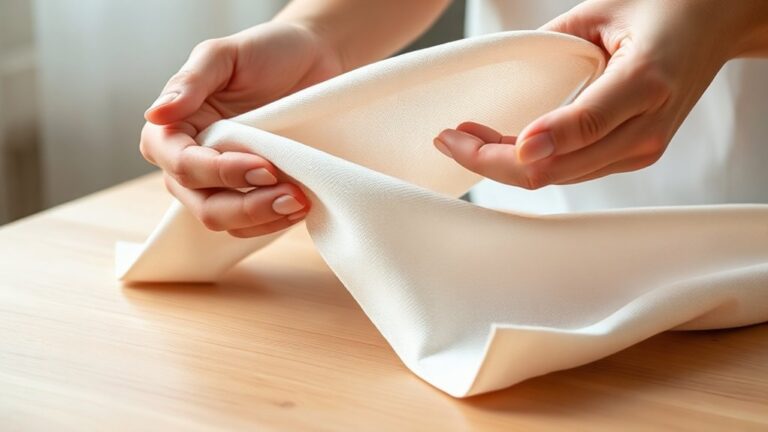
Calico fabric is a lightweight, plain-woven cotton cloth you can use for sewing, quilting, mockups, and home projects. You’ll notice its slightly coarse texture, matte finish, and usually unbleached or lightly dyed look.
It’s affordable, easy to cut, and forgiving for beginners, so you can test patterns or stitch everyday items with ease. Calico also has a long history rooted in India, and there’s plenty more to uncover about its uses and care.
Key Takeaways
- Calico is a plain-woven cotton fabric that is lightweight, slightly coarse, and usually unbleached or lightly dyed.
- It originated in Calicut, India, and became popular through global trade for its strength and affordability.
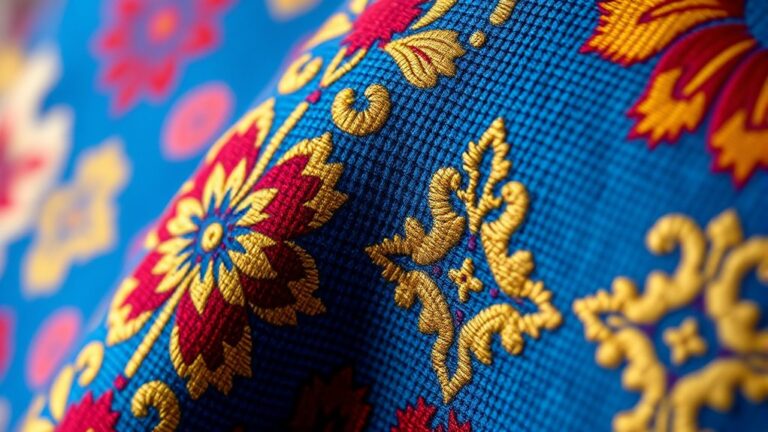
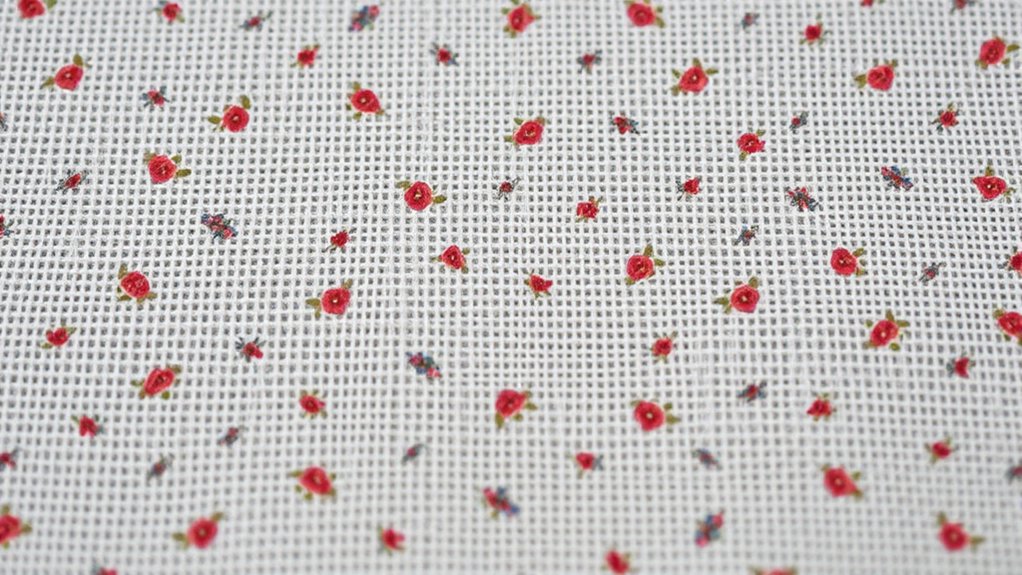
- Calico is commonly printed with small floral or geometric patterns, though it can also be plain.
- It is widely used for quilting, crafts, mockups, tote bags, linings, and simple home décor projects.
- Calico is beginner-friendly, easy to sew, breathable, and should be washed gently to reduce shrinkage.
What Is Calico Fabric?
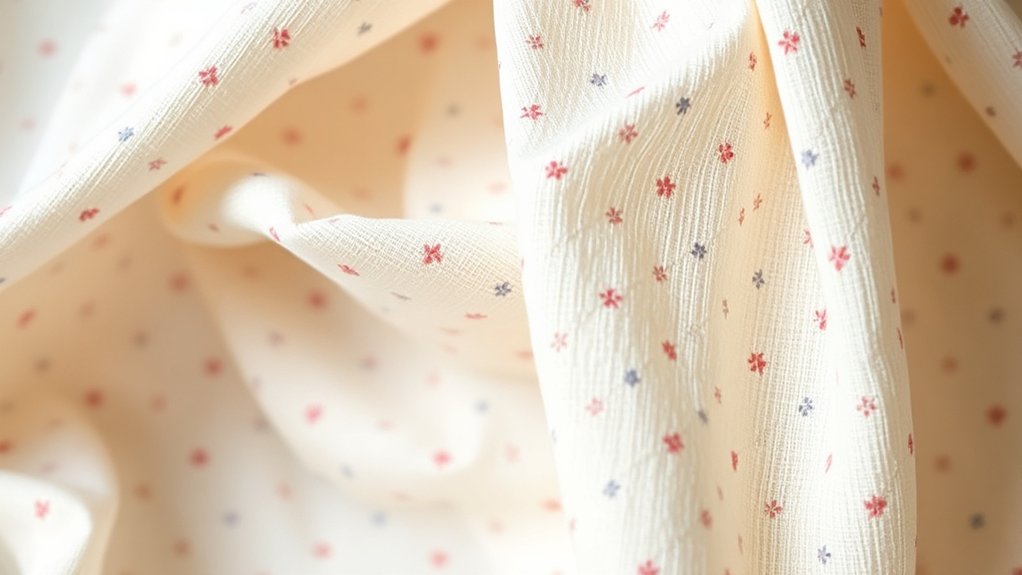
Calico fabric is a plain-woven textile, usually made from cotton, that’s known for its simple, affordable, and versatile nature. You’ll notice its calico characteristics right away: a lightweight feel, a slightly coarse texture, and an unbleached or lightly dyed appearance.
Because it’s easy to cut, sew, and print, you can use it for mockups, quilting, crafts, and practical household items. You’ll also see calico patterns ranging from plain solids to small floral or geometric prints, which add visual interest without overwhelming the fabric’s humble look.
Its simplicity makes it a go-to choice when you want a dependable material that’s easy to handle and inexpensive to buy. If you’re learning to sew, calico gives you a forgiving surface for practice. If you need fabric for testing a design, it lets you work confidently before moving to a final material.
Calico Fabric’s Origins and History
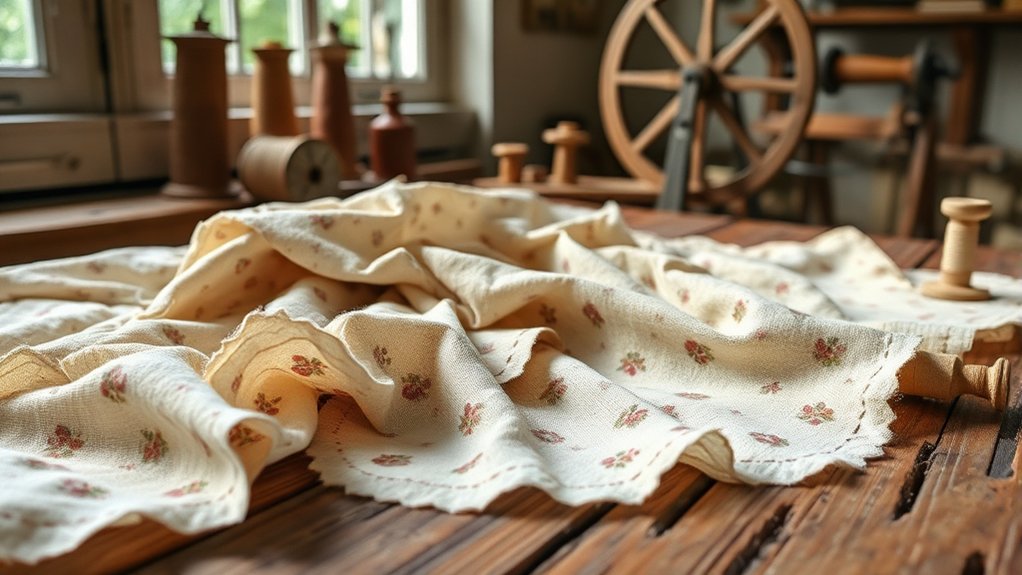
You can trace calico’s roots all the way back to India, where skilled weavers first started making this cotton cloth centuries ago. From there, traders carried calico across Asia and into Europe. It didn’t take long for it to become popular. Over time, its uses and meaning evolved alongside changes in fashion, trade, and industry.
Origins Of Calico
Though it’s now associated with simple printed cotton, calico began as a plain, tightly woven fabric made in the Indian city of Calicut. Skilled weavers there produced durable cloth for local use and export.
You can trace its early appeal to strength, affordability, and the ease with which dyers and printers could transform it. As trade expanded, merchants carried calico beyond India. You’d soon see calico patterns gaining attention for their vivid motifs and practical charm.
That spread gave the cloth historical significance since it connected Asian textile skill with growing global demand. When you learn about its origins, you see calico as more than a print. It’s a versatile cotton fabric shaped by craftsmanship, commerce, and cultural exchange.
Calico Through History
From its Indian beginnings, calico’s story stretches into global trade, changing tastes, and industrial textile production. You can trace how Indian weavers first exported this printed cotton, then how European merchants adopted it, copied it, and spread it worldwide.
As you follow the timeline, you’ll see bans, tariffs, and shifting fashions shape demand. Calico patterns became easier to mass-produce during the Industrial transformation, so you could buy them more cheaply and in far greater variety.
Later, designers revived calico trends for quilting, dressmaking, and home décor, blending utility with charm. Today, you still encounter calico as a practical, versatile fabric whose history reflects commerce, craftsmanship, and style.
How Calico Fabric Is Made
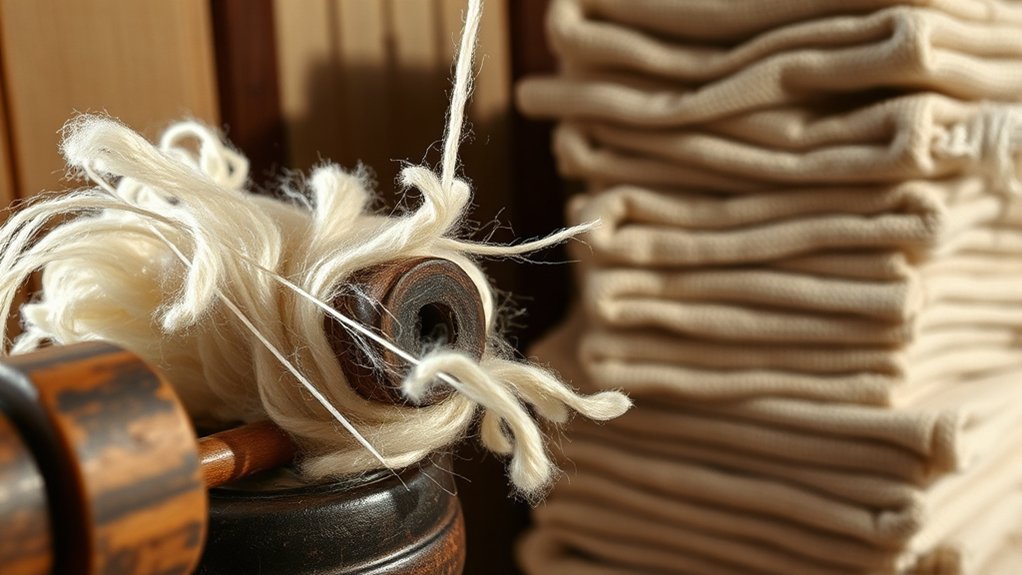
You’ll find that calico fabric starts with cotton. This cotton is woven into a plain, sturdy cloth. Then, you can add color and pattern through dyeing and printing. That’s what gives the fabric its familiar look. These steps come together to create calico’s simple texture and recognizable designs.
Dyeing And Printing
A plain calico base becomes distinctive through dyeing and printing, which add the simple patterns and colors the fabric is known for. You can choose natural dyes for a softer look, or rely on eco friendly dyes for brighter, more consistent results.
Makers use several dyeing methods, and they often pair them with block printing or screen printing to place fabric patterns with control and precision. If you want organic calico with a handmade feel, these approaches keep the surface lively without overwhelming its clean texture.
Colorfast techniques help the color stay put during washing and wear, so the design lasts longer. This stage turns plain cloth into a recognizable, useful material while preserving calico’s lightweight, versatile character.
Cotton Weaving Process
Cotton weaving starts with spun cotton yarn, which mills feed through looms to create calico’s plain, closely woven cloth. You begin with careful cotton sourcing, since fiber quality affects strength, texture, and finish.
After cleaning and carding, machines align the fibers into smooth yarns that can withstand steady tension. You then use weaving techniques that interlace warp and weft threads in a simple over-under pattern, giving calico its durable structure.
Because the weave is tight, the fabric feels sturdy yet breathable, making it useful for clothing, crafts, and home goods. Once woven, you can inspect the cloth for flaws, trim edges, and prepare it for bleaching, dyeing, or printing.
This process keeps calico affordable, versatile, and easy to work with.
Calico Fabric vs. Cotton and Muslin
Though calico, cotton, and muslin all come from cotton fibers, they serve different purposes and feel quite different in use. In your calico characteristics comparison, you’ll notice calico often appears as a practical, printed or plain fabric for mockups, home projects, and simple garments.
Cotton, by contrast, describes the broad fiber family, so you can find it in everything from shirts to sheets. Muslin usually comes in a lighter, looser weave, which makes it a favorite for draping, pattern testing, and delicate applications.
Calico fabric versatility stands out when you want an affordable material that handles sewing practice, crafts, and temporary designs well. If you need a dependable test fabric, calico gives you structure and visibility for markings.
If you want everyday comfort, cotton often wins. If you need a soft, airy sample fabric, muslin fits better.
Calico Fabric’s Texture, Weight, and Finish
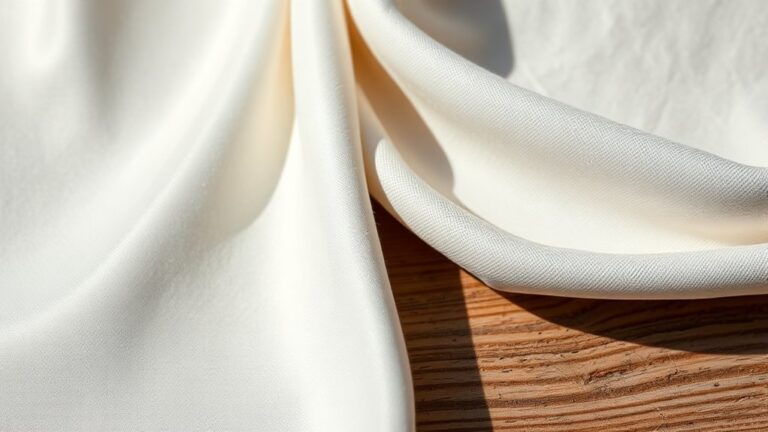
When you touch calico, you immediately notice its plain weave and slightly coarse texture. It feels pretty straightforward and natural. The weight tends to be medium to light, but that can change a bit depending on the weave and what fibers are blended in. Plus, its surface finish stays matte and unpolished, giving it a practical, no-fuss look.
Texture And Weave
Calico’s texture is usually soft but a little irregular, with a plain weave that gives it a light, breathable feel. You’ll notice tiny slubs and a slightly uneven surface, and those calico characteristics add charm without making the cloth fussy. The simple over-under weave helps the fibers lock together, so you get steady fabric durability for everyday projects.
You can feel the weave clearly. The surface looks natural, not polished. It handles dye and print well. It works nicely for sewing practice. It keeps its shape in use.
When you touch calico, you’re sensing a practical cloth that balances comfort and structure. Its texture suits mock-ups, linings, and casual makes with ease, and it doesn’t hide its honest construction.
Weight And Surface Finish
Calico usually feels light to medium in weight, so it’s easy to cut, pin, and sew without much strain. You’ll find that this fabric sits comfortably in common weight categories for everyday projects, from crisp quilting pieces to simple linings.
Its unfinished surface often looks matte and slightly rustic, which gives your work a natural, honest look. Because calico is usually minimally processed, it absorbs dyes and paints well, but it can also show printing or surface treatments clearly.
If you want a smoother hand, you can wash and press it before use, though it won’t lose its basic texture. That balance of modest weight and plain finish makes calico practical, versatile, and beginner-friendly for many sewing tasks.
Common Uses for Calico Fabric in Sewing and Crafts
In sewing and crafts, this versatile cotton fabric shows up in everything from quilt blocks and tote bags to apron linings, doll clothes, and practice patterns. You can cut it for quilting projects, test garment pieces, and simple home-decor accents without fuss.
It also works well in craft tutorials, where you need a stable material for tracing, piecing, or stamping. Because you can handle it easily, you’ll reach for it when you want to mock up ideas before using pricier fabric.
Use it for:
- quilt backs and piecing
- tote and storage bags
- apron and costume linings
- doll outfits and toys
- pattern testing and mock-ups
You can also turn scraps into pin cushions, sachets, or patchwork details. In workshops, you’ll find it handy for beginners learning seams, hems, and basic cutting.
Why Sewists Choose Calico Fabric
Sewists choose this fabric because it’s affordable, easy to cut, and forgiving to work with, so you can focus on shape and technique instead of fighting the material. You can practice sewing techniques without worrying that every mistake will ruin an expensive piece.
The weave holds together well enough for pinning, stitching, and seam ripping, which makes it ideal when you’re learning or testing new ideas. You’ll also appreciate how clearly it shows seams, darts, and edges, helping you improve precision as you work.
In fabric selection, calico gives you a practical starting point because it behaves predictably and responds well to pressing. That reliability lets you draft, adjust, and repeat with confidence.
If you want a cloth that supports experimentation while keeping costs low, calico makes your sewing sessions smoother and more productive.
How to Choose Calico Fabric for Your Project
Once you know calico is a reliable, budget-friendly choice, the next step is picking the right kind for your project. You should start by matching the weave weight to your goal: lighter calico works for mock-ups, while denser cloth gives better fabric durability for bags or home accents.
Think about calico patterns too; printed options add charm, but plain fabric lets you test fit, dye, or embellishment more easily.
- Check the project’s structure needs
- Compare thread count and thickness
- Choose prewashed or unwashed yardage
- Pick calico patterns that fit your style
- Buy extra for seams, shrinkage, and mistakes
If you’re sewing clothing, feel the drape first. If you’re crafting decor, inspect the surface for even texture and color.
How to Care for Calico Fabric
To keep calico fabric looking its best, wash it gently in cool or lukewarm water with a mild detergent. Then dry it on low heat or air-dry it to limit shrinkage and fading.
Good calico fabric care starts with simple washing instructions: turn the fabric inside out, avoid bleach, and separate dark or bright prints from lights.
For stain removal, blot spills quickly with cold water and a mild soap instead of rubbing, which can spread the mark.
When the fabric’s slightly damp, press it with an iron on a medium setting. Use ironing tips like testing a small corner first and steaming lightly to smooth wrinkles.
Store clean calico in a cool, dry place, folded neatly or rolled in breathable cotton bags. These storage solutions help prevent dust, mildew, and creases, so your calico stays fresh, sturdy, and ready for your next project.
Calico Fabric for Home Decor Projects
Calico fabric brings an easy, handcrafted feel to home decor, making it a smart choice for pillows, curtains, table runners, and simple slipcovers. You can use calico patterns to add charm without overwhelming a room, and its soft texture pairs well with rustic, cottage, or farmhouse styles.
Because calico durability holds up to everyday use, you can decorate rooms that need both style and function. Choose bold florals for accents or subtle prints for a calmer look, then mix them with solids for balance.
- Sew quick pillow covers for seasonal refreshes
- Make light curtains that filter sunlight nicely
- Create table runners for casual dining spaces
- Cover stools or benches with simple slipcovers
- Add fabric accents to baskets and lampshades
Frequently Asked Questions
Is Calico Fabric Suitable for Beginner Sewing Projects?
Yes, calico fabric can be great for your beginner sewing projects because it’s affordable, easy to handle, and forgiving. You’ll notice its simple fabric characteristics, like a plain weave and slight stiffness, help you practice cutting and stitching without much stress.
Use these beginner tips: prewash it, press it first, and start with simple patterns. You’ll build confidence quickly while learning basic sewing skills and avoiding expensive mistakes.
Can Calico Fabric Be Dyed or Printed at Home?
Yes, you can dye or print calico fabric at home with good results. You’ll get the best finish if you prewash it first, then choose simple dyeing techniques like immersion or tie-dye.
For printing methods, you can use fabric paint, stamps, or screen printing. Because calico absorbs color well, you can experiment easily.
Just test a small piece first, and heat-set your design so it lasts longer.
Does Calico Fabric Shrink After Washing?
Yes, calico fabric can shrink after washing, especially if you haven’t prewashed it. Think of it like a thirsty field: once you add water, the fibers settle and tighten.
Because of calico fabric characteristics, it’s usually sturdy but still prone to slight shrinkage. For better calico fabric care, wash it in cool water, use gentle cycles, and air-dry when you can. That way, you’ll keep its shape and size steadier.
Is Calico Fabric Breathable in Hot Weather?
Yes, calico fabric can feel breathable in hot weather because you get lightweight comfort and good airflow. Its calico characteristics include a loose weave and natural cotton fiber, so you stay cooler than in heavier fabrics.
You can use it for summer clothing like dresses, shirts, and linings when you want simple, airy wear. It’s not as breezy as linen, but it’s still a practical warm-weather choice.
What Needle Works Best for Sewing Calico Fabric?
You’ll do best with a universal needle, size 80/12 for lightweight calico, or 90/14 if your fabric feels a bit sturdier. If you think calico always needs a special needle, that theory falls apart fast: the weave matters more than the name.
Choose needle types that match the weight, and use smooth sewing techniques to prevent skipped stitches or puckering. A sharp needle can also help if your calico’s tightly woven.
Conclusion
Now that you know what calico fabric is, you can see why it’s such a handy choice for so many projects. It’s the dependable workhorse of sewing, simple, affordable, and ready to shape your ideas.
Whether you’re making clothes, practice pieces, or home decor, calico gives you a solid starting point. Choose it with care, treat it well, and it’ll keep serving you project after project with calico fabric.