Properties of Silk Fabric: A Quick Guide
Finding the perfect fabric that feels luxurious yet practical can be a real challenge. If you’ve ever struggled with materials that are either too heavy or not breathable enough, you’re not alone. Many people want something that looks elegant but also keeps them comfortable all day long.
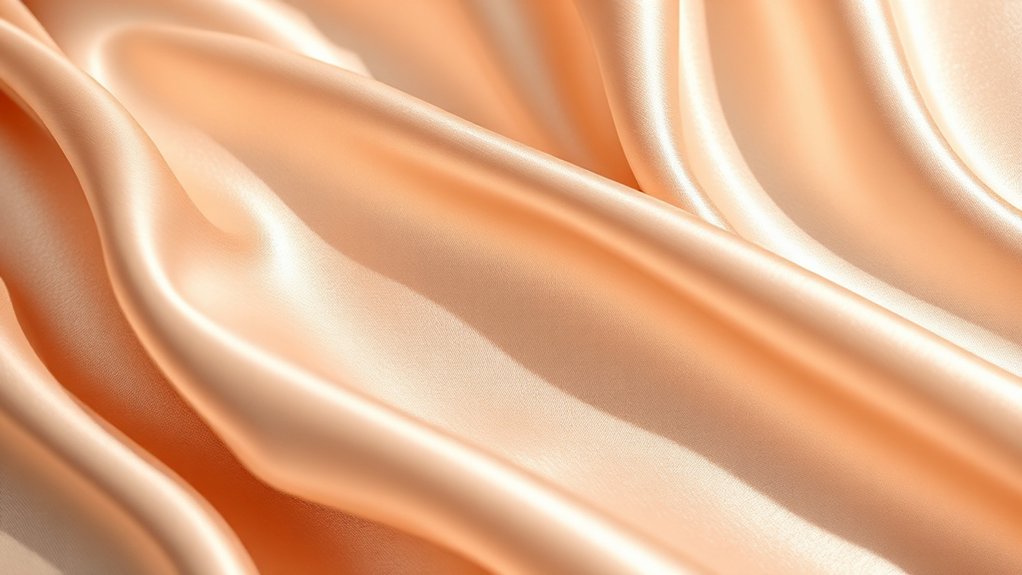
Silk fabric comes from silkworm cocoons, and you’ll notice its smooth softness, subtle sheen, and graceful drape right away. It feels lightweight and breathable, so you stay comfortable in warm or cool weather. Properties of Silk Fabric.
Silk also absorbs moisture and helps regulate temperature, making it ideal for clothing, bedding, and accessories. With proper care, it stays elegant and durable. If you keep going, you’ll uncover even more about its types, care, and best uses.
Key Takeaways
- Silk is a natural fiber known for its smooth texture, subtle sheen, and elegant drape. It feels luxurious and looks beautiful in any garment.
- It is lightweight, breathable, and comfortable in both warm and cool weather. So, you can wear silk year-round without feeling too hot or too cold.
- Silk fibers are soft and flexible, creating a gentle, fluid feel against the skin. This makes silk a favorite for delicate clothing and accessories.
- Common silk types include charmeuse, chiffon, dupioni, and taffeta, each with distinct textures. Knowing these can help you choose the right silk for your project.
- Proper care requires gentle washing, avoiding harsh chemicals, and storing silk in a cool, dark place. Taking care of silk well keeps it looking fresh and beautiful longer.
What Is Silk Fabric?

Silk is a natural fabric prized for its smooth feel, subtle sheen, and lightweight drape. You get it from silkworms, which spin cocoons from a protein filament that people unwind into thread.
In silk history, this fabric first gained fame in ancient China, where makers guarded silk production for centuries. Today, you’ll still see it woven into clothing, bedding, and accessories because it starts as a fine fiber and becomes a luxurious textile after careful processing.
When you choose silk, you’re choosing a material with a long cultural legacy and a reputation for refinement. You may notice that different silks vary by weave, source, and finishing methods, but each type comes from the same basic natural origin.
That makes silk both traditional and versatile, fitting everything from formal wear to everyday pieces.
Key Silk Fabric Properties
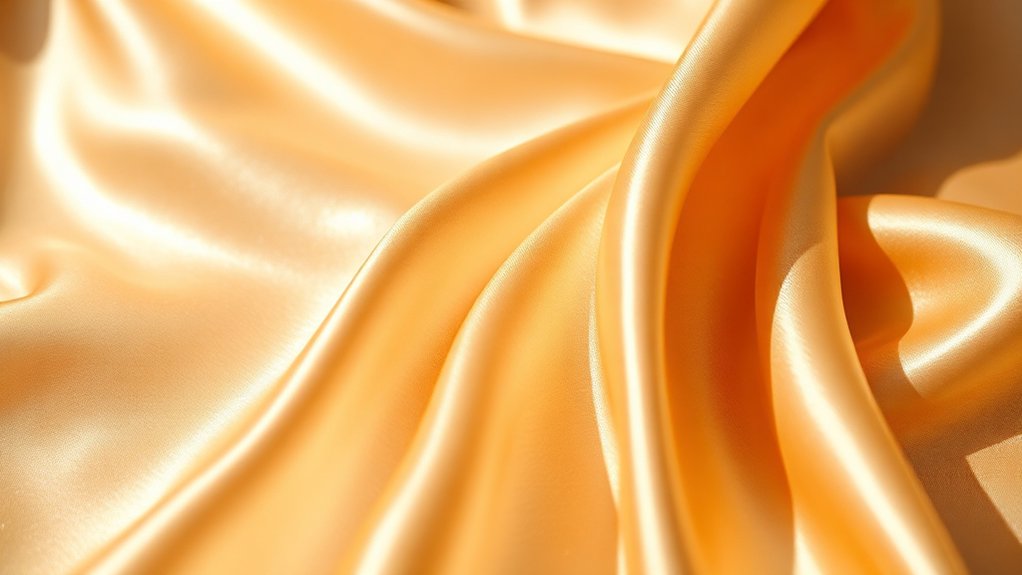
Beyond its history and reputation, silk stands out for a set of qualities that affect how it looks, feels, and performs. You’ll notice its smooth silk texture, which gives garments a refined drape and a polished finish.
Silk also catches light beautifully, so colors often appear rich and vivid. Its natural fibers can help regulate temperature, making it useful across seasons. In silk history, people prized it for elegance, strength, and rarity, and those traits still matter today.
| Property | Why it matters |
|---|---|
| Luster | Adds a subtle, elegant shine |
| Drape | Helps fabric hang gracefully |
| Breathability | Supports comfort in changing weather |
You can also appreciate how silk resists stiffness better than many fabrics, so it moves with you instead of against you. These key properties explain why silk remains a favorite for clothing, accessories, and special occasions.
What Makes Silk Feel So Soft
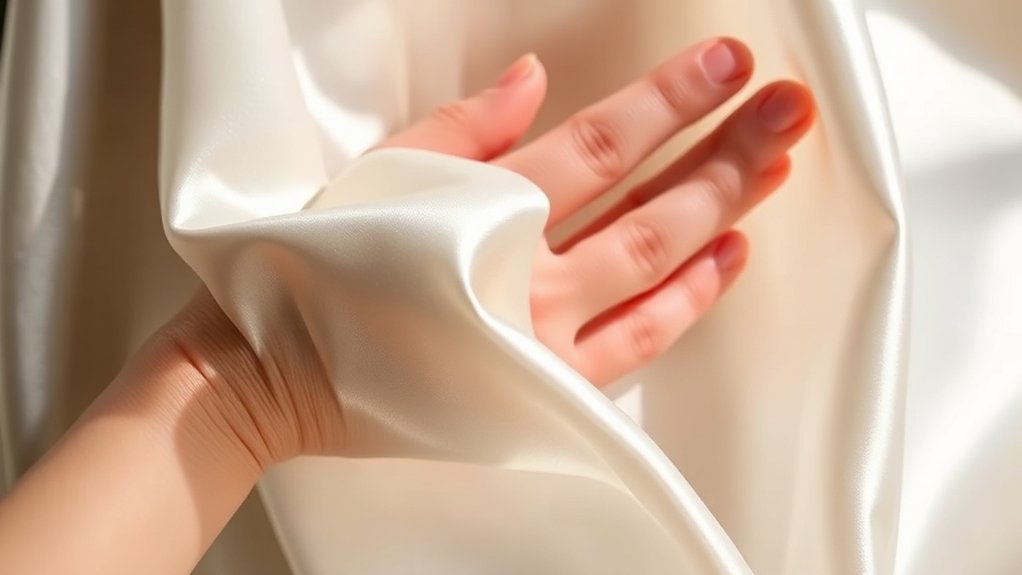
Its softness comes from the fine structure of its fibers, which are naturally smooth and flexible. You feel that instantly when you touch silk, because the fibers slide against your skin instead of catching or scratching. That smooth surface gives silk softness a gentle, almost weightless feel, while its protein-based makeup helps it stay supple rather than stiff.
You also notice that silk’s weave can improve the sensation, since a tighter, finer fabric often feels even more delicate.
When you wear silk, its silk texture adapts to your movements, so it doesn’t feel rigid or rough. Instead, it creates a soft, comfortable touch that many people associate with luxury.
You’ll appreciate that this comfort comes from the material itself, not just from finishing treatments. That natural feel is why silk often seems so pleasant against your skin, even in simple garments.
Silk Shine and Drape
That elegant sheen is one of the first things you notice about silk, and it comes from the way its smooth fibers reflect light. You see this silk luster shift as the fabric moves, giving each fold a polished look that feels refined, not flashy.
When you wear silk, it doesn’t sit stiffly; it flows around your body with graceful ease, creating natural lines that flatter without much effort. This silk elegance makes dresses, scarves, and blouses look instantly enhanced.
- It catches light from different angles.
- It creates soft, fluid folds.
- It adds movement to your outfit.
- It makes simple designs look luxurious.
Because silk drapes so well, you can rely on it for pieces that need a gentle fall and a clean silhouette. The result is a fabric that looks graceful in motion and calm at rest.
How Breathable Silk Fabric Is
Silk’s graceful drape is only part of its appeal; it also feels comfortable because the fabric lets air move through it. You’ll notice this when you wear it in warm weather, since tiny gaps between fibers help heat escape and fresh air circulate.
Several silk breathability factors affect how cool it feels, including weave, weight, and finish. A lighter, looser weave usually allows more airflow than a dense one, so you may feel less trapped in the fabric.
Weave, weight, and finish all shape silk’s breathability, with lighter, looser weaves letting in more airflow.
Silk also offers silk moisture absorption, which means it can draw a bit of sweat away from your skin and help you stay drier. That balance of airflow and moisture control makes silk feel smooth rather than stuffy.
If you choose the right silk for the climate, you can enjoy comfort without adding bulk or clamminess.
Silk Fabric Strength and Durability
When you choose silk, you’re getting a fabric that is light yet surprisingly strong for its delicate feel. You’ll notice its silk tensile strength can rival many fibers of similar weight, so it doesn’t easily snap when you handle it carefully.
Silk also shows silk resilience, meaning it can bend and recover better than you might expect from such a fine material. With regular wear, you can count on it to hold its shape when you avoid rough friction and sharp snags.
You should wash it gently to protect the fibers. You’ll extend its life by storing it away from rough surfaces. You can reduce wear by avoiding heavy abrasion. You’ll keep it looking better when you handle it with care.
If you treat silk well, it can stay beautiful for years without losing its graceful look.
How Silk Regulates Temperature
Beyond durability, silk also helps you stay comfortable across changing temperatures. You’ll notice that it adapts quickly to your body’s needs, so it can feel cool when the air is warm and cozy when the air turns chilly.
This comes from silk’s natural fibers, which support thermal regulation by letting heat move in a balanced way instead of trapping it. As you wear it, the fabric helps stabilize your skin’s microclimate, so you won’t feel overly hot or clammy as easily.
Silk also supports moisture management by drawing some perspiration away from your skin and allowing it to evaporate more readily. That means you can stay drier and more comfortable during daily wear or while sleeping.
Silk helps move perspiration away from your skin, keeping you drier and more comfortable throughout the day.
If you want a fabric that feels light, breathable, and responsive, silk gives you practical comfort without sacrificing softness.
Common Types of Silk Fabric
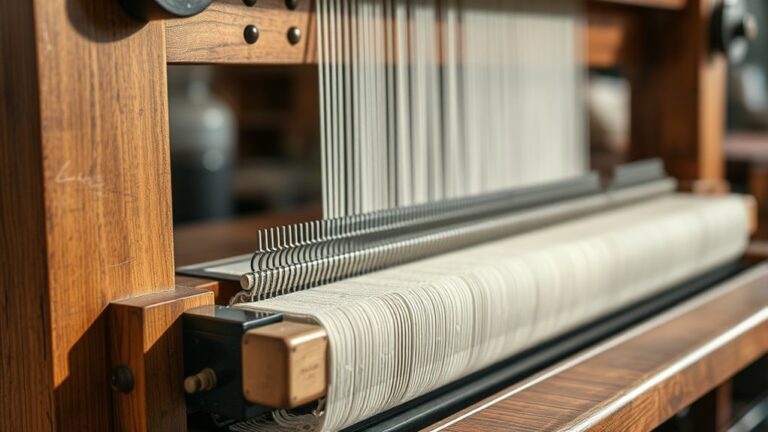
Silk fabric comes in several distinct types, and each one offers a different balance of texture, sheen, weight, and drape. When you investigate silk, you’ll notice that silk weaving shapes how each fabric looks and feels. Silk history explains why certain varieties became prized around the world.
Charmeuse gives you a glossy front and a soft, fluid hand.
Chiffon feels light and airy, so you get a sheer, delicate look.
Dupioni offers a crisp texture and subtle slubs that add character.
Taffeta gives you a smooth, structured surface with a crisp finish.
You can use charmeuse for elegant garments, chiffon for layered designs, dupioni for statement pieces, and taffeta for styles that need body. As you compare them, pay attention to weave, weight, and luster. Those details help you choose the right silk for your project and your personal style.
How to Care for Silk Fabric
To keep silk looking beautiful, you’ll want to handle it gently and protect its delicate fibers from heat, harsh chemicals, and rough friction. For silk cleaning, check the care label first, then hand wash in cool water with a mild detergent made for delicate fabrics. Don’t wring or twist the material; instead, press out excess water with a clean towel and lay it flat to dry away from direct sunlight.
If you use a machine, choose the gentlest cycle and place the item in a mesh bag, but hand washing is safer.
For silk storage, keep pieces clean and fully dry before putting them away. Fold them loosely, wrap them in breathable tissue, and store them in a cool, dark place. Avoid plastic bags, which trap moisture and can dull the fabric.
If you spot a stain, act quickly and test any cleaner on a hidden area first.
Best Uses for Silk Fabric
Once you know how to care for it, silk becomes much easier to enjoy in the places where it really shines. You’ll get the most value when you use it for items that benefit from drape, softness, and a subtle sheen.
In silk fashion, choose it for blouses, dresses, scarves, and ties when you want a polished look without much bulk. At home, silk bedding can feel cool, smooth, and luxurious, especially if you prefer a gentle touch against your skin.
You can also use silk for lining jackets, making sleepwear, or crafting elegant accessories that need fluid movement.
- Evening wear that needs graceful drape
- Lightweight scarves and wraps
- Silk bedding for a cooler sleep feel
- Lining and accessories for comfort and shine
Frequently Asked Questions
Is Silk Hypoallergenic for Sensitive Skin?
Yes, silk can be hypoallergenic for sensitive skin, so you may find it soothing. You’ll often benefit from its smooth fibers, which can reduce friction and irritation.
These silk benefits make it a popular choice if you deal with sensitive skin or allergies. Still, you should check for dyes or finishes, since those can bother you.
If you react easily, choose high-quality, untreated silk and test it first.
Does Silk Wrinkle Easily Compared With Other Fabrics?
Yes, silk wrinkles more easily than many fabrics, especially cotton blends or synthetics. You’ll notice creases after sitting or packing it tightly, so silk durability can feel lower in everyday wear.
With good silk care, though, you can reduce wrinkling by hanging garments, steaming gently, and avoiding overstuffing. If you want a smooth look, you’ll need to handle silk more carefully than sturdier, wrinkle-resistant materials.
Can Silk Be Dyed Into Bright Colors?
Yes, you can dye silk into bright, brilliant colors. With the right dyeing methods, you’ll get vivid hues that really pop, especially on high-quality silk.
You should also pay attention to colorfastness techniques so the shade stays bold after washing and wear. Because silk absorbs dye well, you can create rich reds, deep blues, and glowing golds.
Test a small piece first, and you’ll avoid surprises.
Is Silk Suitable for Upholstery or Home Decor?
Yes, you can use silk for upholstery or home decor, but you should choose it carefully. Silk adds a luxurious look and rich color, yet it’s less forgiving than sturdier fabrics.
You’ll want to think about silk durability and how much wear the piece gets. Silk maintenance can be demanding, so use it on accents, curtains, or low-traffic furniture where you can protect it from sun, spills, and abrasion.
How Does Silk Compare to Satin in Texture?
Silk and satin don’t feel the same, even though they can look alike. You’ll notice silk feels cool, smooth, and light, with a natural silk sheen that’s soft rather than flashy.
Satin usually feels slicker and often heavier, depending on the satin weight, because it’s a weave, not a fiber. As the saying goes, silk’s touch is like moonlight, while satin glides like water.
Conclusion
Silk fabric gives you more than beauty; it gives you comfort, too. You feel its soft touch, notice its graceful shine, and enjoy how it moves with you.
Whether you wear it on a warm day or layer it in cooler weather, silk works with your body, not against it. When you care for it well, silk rewards you with lasting elegance.
In the end, silk fabric isn’t just fabric; it’s a little everyday luxury.