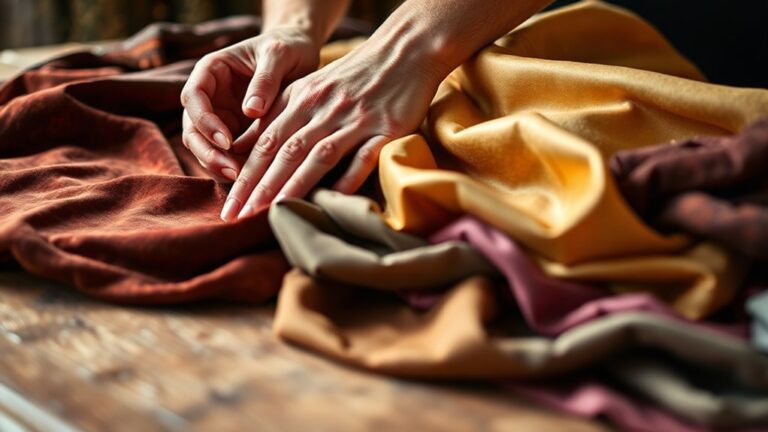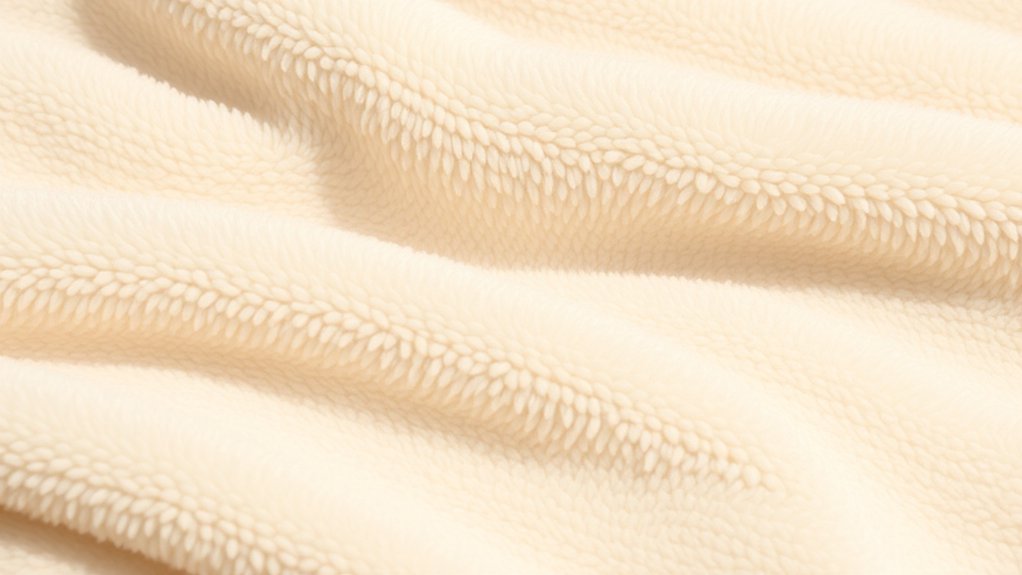
What Is Minky Fabric?
Finding the perfect fabric that’s soft, durable, and cozy can be a real challenge. You’re not alone if you’ve struggled to find materials that feel luxurious but also hold up well over time. Many people want something gentle enough for babies yet sturdy enough for everyday use.
Minky fabric is a super-soft, plush textile made mostly from polyester, often with a little stretch for comfort and durability. You’ll notice its velvety, cozy feel right away, along with a smooth surface that can be dotted, short-pile, or long-pile.
People use it for blankets, baby items, toys, and home décor because it feels luxurious and wears well.
If you keep going, you’ll uncover the types, care tips, and best ways to use it.
Key Takeaways
- Minky fabric is a soft, plush polyester textile with a velvety, luxurious feel. It’s often blended with spandex for extra stretch and durability.
- Minky has a dense pile that creates a smooth, cuddly surface and rich-looking color.
- It’s commonly used for blankets, baby items, plush toys, pillows, and home décor.
- Wash minky in cold water on a gentle cycle and avoid high heat to protect the nap.
What Is Minky Fabric?

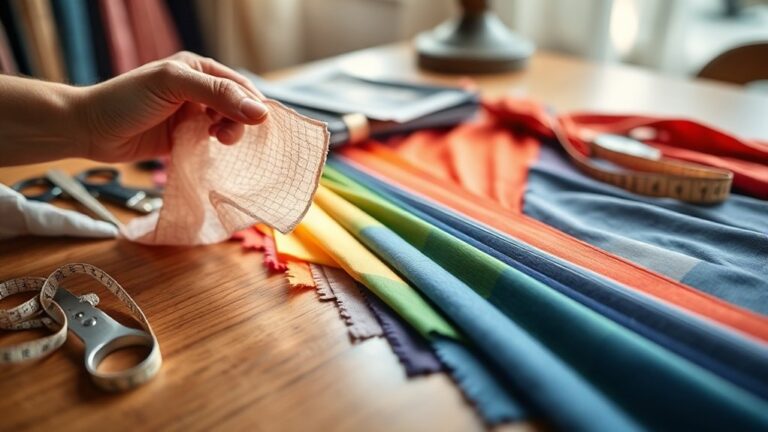
Minky fabric is a soft, plush textile known for its velvety feel and cozy texture. You’ll notice it right away because it looks luxurious and feels gentle against your skin.
Soft, plush, and velvety, minky fabric brings a luxurious feel that’s gentle against your skin.
When you choose it, you’re picking a fabric that often appears in blankets, baby items, plush toys, and home décor. Its appeal comes from its smooth surface and comforting touch, which make it popular for both practical and decorative projects.
If you’re exploring minky applications, you’ll find it works well wherever softness matters most. The minky history reflects its rise as a modern favorite for comfort goods, especially in items designed to feel inviting and warm.
You can use it for sewing projects, gifts, or everyday accessories when you want a plush finish that stands out. It’s a simple choice that adds texture, warmth, and a polished look without much effort.
What Minky Fabric Is Made From
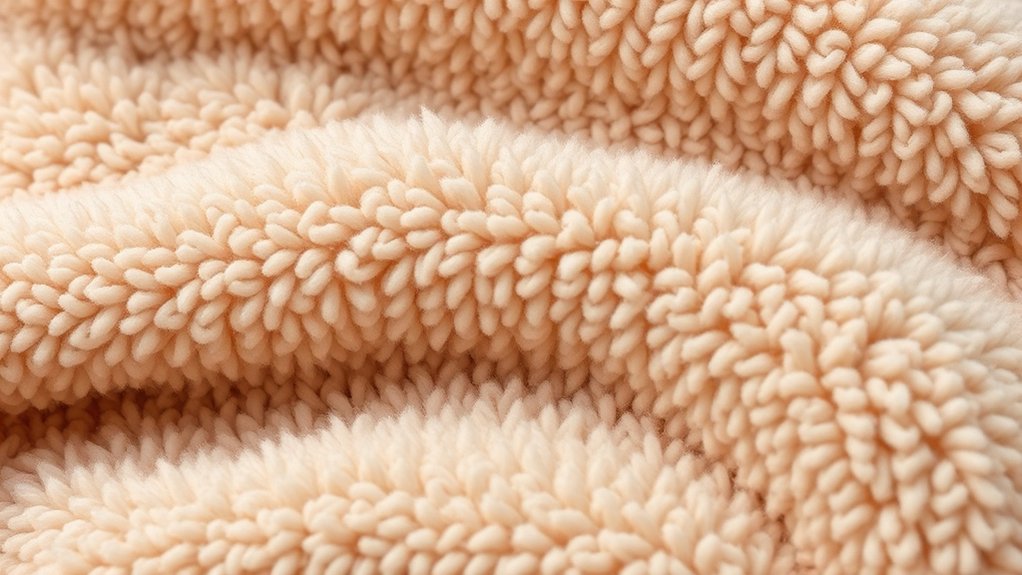
You’ll usually find minky fabric made from a polyester base. This gives it both strength and softness, which is pretty great. Manufacturers often blend different fibers to tweak the stretch, feel, and durability just right. Plus, its plush knit construction is what creates that smooth, fuzzy surface you know and love.
Common Fiber Blends
Although minky fabric is known for its ultra-soft feel, it usually comes from synthetic fibers like polyester, often blended with spandex or other stretch materials to improve flexibility and durability. When you look at common fiber blends, you’ll notice they’re designed to balance softness, stretch, and resilience.
A little spandex helps the fabric move with you, while other fibers can add structure or shape retention. This mix supports the practical side of minky fabric history, since makers wanted a plush textile that could handle everyday use.
You’ll also find these blends in many minky fabric uses, from blankets to baby items and cozy apparel. By choosing the right blend, you get a fabric that feels luxurious, performs well, and keeps its gentle touch longer.
Polyester Base Material
At the core of most minky fabric lies polyester, a synthetic fiber prized for its softness, strength, and easy care. When you choose minky, you’re usually choosing a material built around polyester properties that help it resist shrinking, wrinkling, and fading.
You’ll also notice that polyester holds dye well, so the fabric often keeps its rich color after repeated washing. This base material gives you a smooth, dependable surface that works well in blankets, garments, and baby items.
Because polyester fibers are engineered for performance, they add fabric durability without demanding delicate handling. You can wash it more easily than many natural fibers, and it often dries quickly too. That practical makeup is a big reason minky feels luxurious while staying accessible for everyday use.
Plush Knit Construction
Plush knit gives minky its signature feel and look. You get a dense surface that traps tiny loops or piles, creating a plush texture and strong warmth retention. The knit properties let the fabric stretch lightly while staying smooth, so you can cut, sew, and shape it with ease.
These softness factors also support fabric durability because the backing resists fraying better than many loose weaves.
| Feature | What You Notice | Benefit |
|---|---|---|
| Pile height | Soft, fuzzy surface | Extra comfort |
| Knit backing | Flexible structure | Easy handling |
| Fiber blend | Smooth polyester feel | Better durability |
| Surface finish | Velvety sheen | Design versatility |
| Construction | Stable yet plush | Great for crafting applications |
Use gentle maintenance tips: wash cold, skip high heat, and avoid harsh agitation.
Why Minky Fabric Feels So Soft
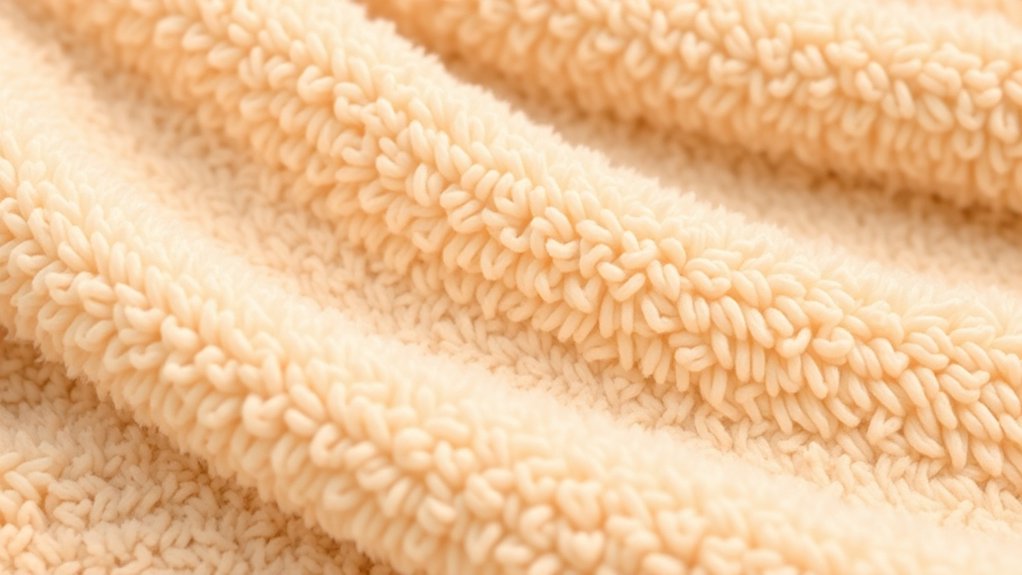
You can feel minky fabric’s softness right away because its dense fiber pile creates a cushioned, velvety surface. Plus, the plush polyester texture adds a smooth, cozy touch that feels really gentle against your skin. So, when you put it all together, these features give the fabric its signature soft feel.
Dense Fiber Pile
Minky’s signature softness comes from its dense fiber pile, where thousands of tiny fibers stand close together to create a thick, velvety surface. You feel that dense texture instantly because the pile cushions your hand without feeling bulky.
This structure also supports fiber durability, so the surface keeps its inviting feel through regular use. You notice a smooth glide when you brush it. You get a plush touch that still looks neat. And you enjoy comfort that lasts through repeated handling.
Because the fibers stand tightly packed, they trap less air between strands and create a richer handfeel. That close arrangement gives minky its distinctive softness while helping it hold shape. No wonder it’s a favorite for blankets, clothing, and accents.
Plush Polyester Texture
Softness starts with polyester engineered for a velvety finish, giving minky its smooth, cuddly feel without sacrificing structure. You feel that plush texture the moment you run your hand across it, because the fibers lie close together and create a sleek surface.
Unlike rougher fabrics, minky doesn’t scratch or trap stiffness, so it works well for cozy blankets, baby items, and lounge accessories. You also get a slight stretch and bounce, which helps the fabric drape softly against your skin.
That polished polyester finish resists matting, so the softness lasts through regular use. When you want warmth without heaviness, minky gives you a comforting touch that feels luxurious, easy to care for, and inviting every day.
What Minky Fabric Feels and Looks Like
Minky fabric feels plush and velvety, with a silky nap that gives it a rich, cushioned touch. You’ll notice the Minky texture glides under your hand, then springs back with a soft, smooth pile.
Its surface often catches light, so Minky colors can look deeper, brighter, or gently shadowed as you move it. That subtle sheen adds a polished look without feeling stiff.
You also get reassuring Minky durability, since the fabric holds its cozy finish through regular use. Minky applications range from blankets to pillows, so you can see how its look and feel suit comfort-focused projects.
- Soft, cloudlike touch
- Smooth, luminous appearance
- Cozy yet polished finish
Common Types of Minky Fabric
When you look into minky fabric, you’ll usually come across plush varieties that range from extra-soft to thicker, more velvety styles. Plus, you’ll notice dot pattern options, which add texture and give the fabric its classic look. These common types each bring a different feel and finish to your project.
Plush Minky Varieties
Though they all share a velvety feel, plush minky varieties come in several distinct styles, each with its own texture and purpose. You’ll notice that these fabrics often feel thicker and softer than standard minky, making them ideal when you want extra comfort and warmth.
Their plush textures can enhance blankets, stuffed toys, and baby items, while vibrant colors help your project stand out.
- Short-pile plush: You get a smooth, dense surface that feels cozy and durable.
- Long-pile plush: You’ll enjoy a fluffier hand that adds more loft and softness.
- Ultra-soft plush: You can use this when you want maximum snuggle factor and a luxurious finish.
Dot Pattern Styles
Dot pattern styles give minky fabric its signature raised texture, and you can choose from several common designs depending on the look and feel you want. When you compare dot designs, you’ll notice differences in size, spacing, and softness that create distinct texture variations.
| Style | Best For |
|---|---|
| Small dots | Baby items |
| Large dots | Throws |
| Colorful dots | Accent decor |
You can also match color combinations to your project, from soft neutrals to bold contrasts. These choices affect how the fabric reads visually and how cozy it feels in your hands. Current usage trends favor simplified dot designs for modern nurseries and tactile accessories, while larger patterns stay popular for blankets. Pick the style that fits your purpose, then enjoy the plush, raised finish.
Best Projects for Minky Fabric
Minky fabric works best for projects where softness matters most, so it’s ideal for baby blankets, plush toys, throws, pillows, and cozy loungewear. You can use Minky blankets for comfort, Minky toys for cuddly gifts, and Minky pillows for a luxe touch. It also shines in Minky quilts, clothing, accessories, baby items, and home decor when you want a plush finish.
- Baby gear: Make safe-feeling blankets, burp cloths, and soothing Minky baby items.
- Gifts: Sew Minky toys or personalized pillows that feel special right away.
- Home comfort: Create throws, quilts, and decor pieces that add warmth.
If you want a project that looks polished and feels indulgent, choose Minky. It gives you a soft result that people notice immediately, and it works beautifully for both practical and decorative makes.
Sewing Tips for Minky Fabric
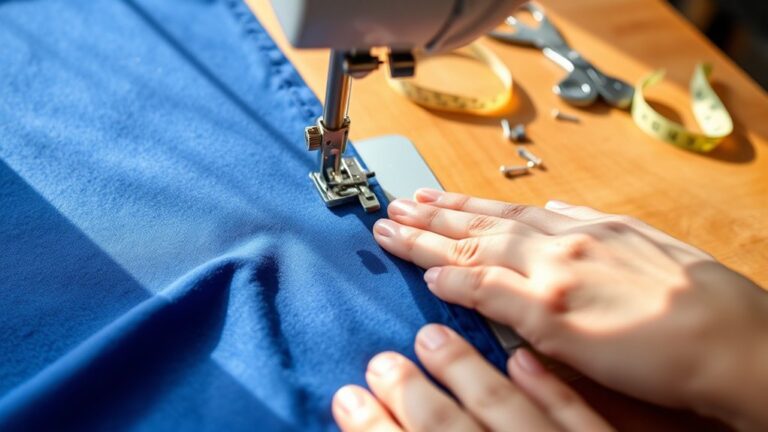
To get great results with Minky fabric, you’ll want to slow down and handle it a little differently than cotton. Use a walking foot or even feed foot to keep layers moving evenly, and test your stitch length on scraps first. Pin or clip generously, because the plush surface can shift while you sew.
When you cut, keep the fabric flat and use a rotary cutter for cleaner edges. If you need seams that stay neat, sew with a slightly longer stitch and avoid stretching the pile as you guide it.
These minky sewing techniques help you reduce puckering and preserve the soft texture you want in the finished piece. Press gently with low heat or finger press whenever possible, since too much heat can crush the nap.
Good minky fabric care starts at the machine: handle the fabric lightly, trim threads as you go, and finish seams in a way that supports durability without adding bulk.
How to Wash Minky Fabric
A gentle wash keeps minky soft and plush, so use cold water, a mild detergent, and a delicate cycle whenever possible. For best minky fabric care, turn the fabric inside out before washing, and place it in a mesh bag if you can. Avoid bleach and fabric softener since they can leave buildup on the fibers.
- Use low agitation to protect the pile.
- Wash with similar soft items to reduce friction.
- Air-dry flat or tumble dry on low, then brush lightly with your hand.
These washing techniques help preserve the smooth texture you love and keep the surface from matting. If you spot-clean a stain, dab it gently instead of rubbing. After washing, reshape the fabric while it’s still damp, and let it dry fully before using or storing it.
Minky Fabric vs Fleece
Though both fabrics feel soft, minky and fleece have different textures, weights, and uses. You’ll notice minky has a plush, velvety surface with a smooth drape, while fleece usually feels lighter, stretchier, and more matte.
In fleece comparisons, minky often wins when you want a luxurious look and a dense hand, but fleece can feel warmer for everyday layering. You may choose minky for baby blankets, pillows, plush toys, and other minky applications where softness matters most.
Fleece works better for jackets, hoodies, and activewear because it breathes well and insulates without much bulk. Minky also shows prints more vividly, while fleece tends to appear more casual.
Fleece suits jackets and activewear, while minky stands out with richer prints and a more polished look.
If you want a fabric that feels rich and cozy, minky stands out. If you need a practical, flexible material for daily wear, fleece often makes more sense.
How to Choose Good Minky Fabric
When you’re choosing good minky fabric, start by checking the pile, weight, and backing, since these factors shape how soft, durable, and easy to sew the fabric will be. You should also feel the nap to judge how the surface recovers after brushing. Look for minky fabric characteristics that match your project: shorter pile works well for blankets, while plush, high-pile options feel extra cozy for toys and pillows.
- Test stretch and drape so the fabric hangs smoothly.
- Inspect the backing for tight, even knit support.
- Compare colors under natural light to spot inconsistencies.
Quality minky should shed little, hold its shape, and resist pilling after washing. If you want better minky fabric durability, choose a reputable seller and read product specs for fiber content and care instructions. A good sample can save you time, money, and frustration later.
Frequently Asked Questions
Is Minky Fabric Safe for Babies?
Yes, minky fabric can be safe for babies when you choose high-quality, breathable, and certified materials. You should check for loose fibers, strong dyes, and choking hazards like small trims.
Minky fabric benefits include softness and warmth, while minky fabric uses often include blankets, crib liners, and toys. You’ll want to wash it before use and supervise anything your baby sleeps with to keep things safe.
Does Minky Fabric Shed or Pill Over Time?
Like a well-loved blanket in a classic tale, you’ll find minky fabric usually sheds very little and resists pilling better than many plush fabrics. Its minky fabric durability depends on quality and use, but you can expect it to hold up well with gentle washing.
For minky fabric maintenance, avoid high heat, rough agitation, and abrasive surfaces. If you care for it properly, you’ll keep it soft, smooth, and cozy longer.
Can You Iron Minky Fabric Without Damaging It?
You can, but you shouldn’t put a hot iron directly on it. Use low heat, a pressing cloth, and quick light touches so you don’t flatten the pile or scorch the fibers. These ironing techniques protect the plush surface while smoothing wrinkles.
For proper fabric care, test a hidden spot first, and if possible, steam from a distance instead of pressing hard. Let it cool flat to keep its texture.
Is Minky Fabric More Expensive Than Fleece?
Yes, you’ll usually pay more for minky fabric than for fleece. I once compared prices while shopping for a baby blanket, and minky cost about 30% more per yard. That extra price often reflects its plush feel and smoother finish.
If you want softness and better minky fabric durability, it can be worth it. For cozy blankets, toys, and other minky fabric uses, fleece stays the cheaper choice.
Does Minky Fabric Hold up in Pet-Friendly Homes?
Yes, minky fabric can hold up in pet-friendly homes if you choose a dense, high-quality version and use smart durability factors like tight pile and strong stitching. You’ll want to trim claws and limit rough scratching.
For cleaning tips, vacuum regularly, spot-clean spills quickly, and wash it gently on cold. You can keep it looking soft, but you’ll need to stay proactive with pet hair and snag prevention.
Conclusion
Now that you know what minky fabric is, you can see why it’s such a favorite for cozy projects. It’s soft, plush, and versatile, with a feel that’s almost like a cloud wrapped in warmth.
Whether you’re sewing a blanket, toy, or garment, choosing good minky fabric makes all the difference. Treat it with care, and it’ll reward you with comfort, charm, and lasting beauty every time you work with minky fabric.