What Is Felt Fabric?
If you’ve ever tried working on craft projects or home décor ideas, you know how frustrating it can be to find the right fabric that’s easy to handle and won’t fray. You’re not alone—many people struggle with materials that are either too delicate or too hard to work with.
That’s where felt fabric comes in, offering a perfect balance of durability and versatility.
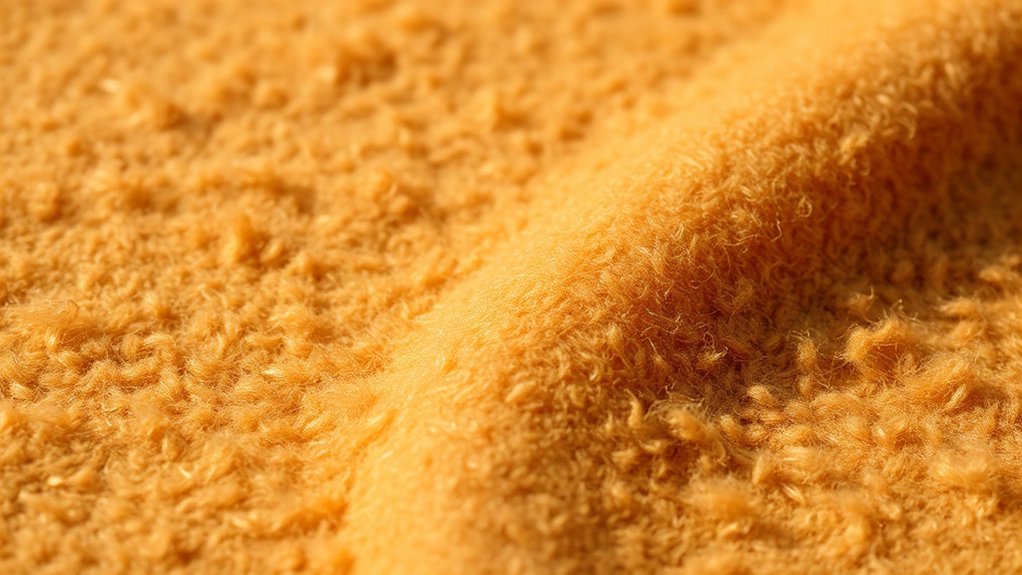
Felt fabric is a dense, nonwoven material you get by pressing fibers together until they lock into a smooth, firm sheet. You’ll find it made from wool, synthetic fibers, or blends, and it’s valued for durability, warmth, sound absorption, and easy cutting without fraying.
Because it’s versatile and low-maintenance, you can use it for crafts, décor, insulation, and more. Keep going, and you’ll see how it’s made, used, and cared for.
Key Takeaways
- Felt fabric is a dense, nonwoven material made by compressing fibers together.
- It has a smooth, compact surface and feels firm yet flexible.
- Felt is durable, insulating, and good at absorbing sound.
- It cuts easily without fraying, making it useful for crafts and décor.
- Felt comes in natural wool and synthetic versions, each with different textures and uses.
What Is Felt Fabric
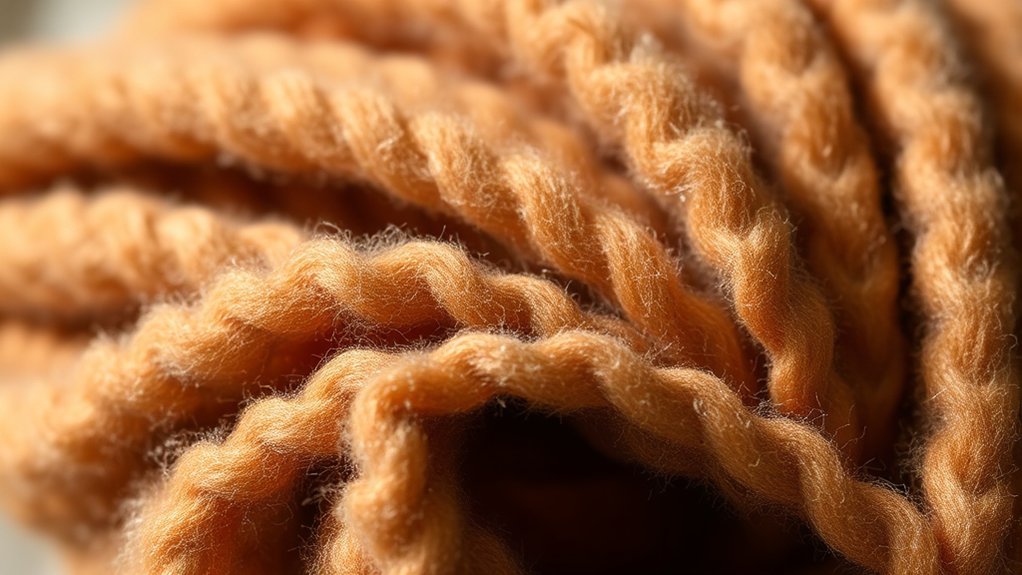
Felt fabric is a dense, nonwoven material made by compressing and matting fibers together, usually with heat, moisture, and pressure. You’ll notice that it doesn’t have a woven or knitted structure, which gives it a smooth, compact surface and a firm yet flexible feel.
Its felt characteristics include durability, insulation, sound absorption, and easy cutting without fraying. Because of these traits, you can use it in many practical ways, from craft projects and home décor to clothing accents, padding, and industrial products.
Felt applications also extend to toys, hats, bags, piano hammers, and protective lining. You may find it in natural wool versions or synthetic blends, depending on the look and performance you want.
How Felt Fabric Is Made
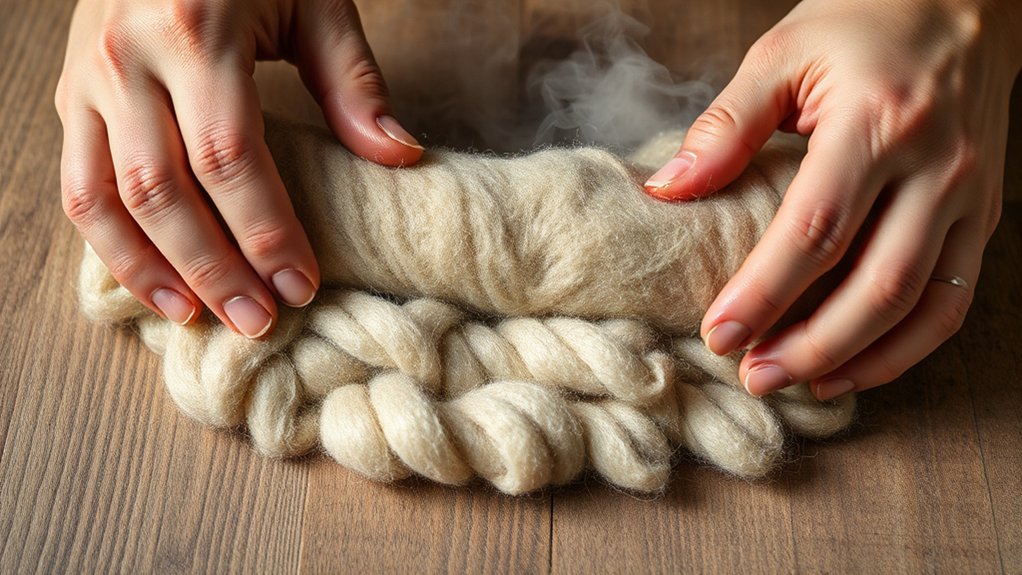
To make felt fabric, manufacturers start by laying down loose fibers, usually wool or synthetic materials. Then they apply heat, moisture, and pressure to bind them together into a dense sheet. You can picture each step as a controlled transformation, where the fibers interlock and tighten.
Different production techniques shape the final result, giving you firmness, thickness, and texture variations.
| Step | Action | Result |
|---|---|---|
| 1 | Spread fibers | Even mat |
| 2 | Add moisture | Fibers soften |
| 3 | Apply pressure | Dense felt |
You’ll notice that repeated agitation helps the fibers mesh more fully, so the sheet becomes stable and durable. Makers may also adjust fiber length, compression, and finishing to refine the surface.
Natural and Synthetic Felt
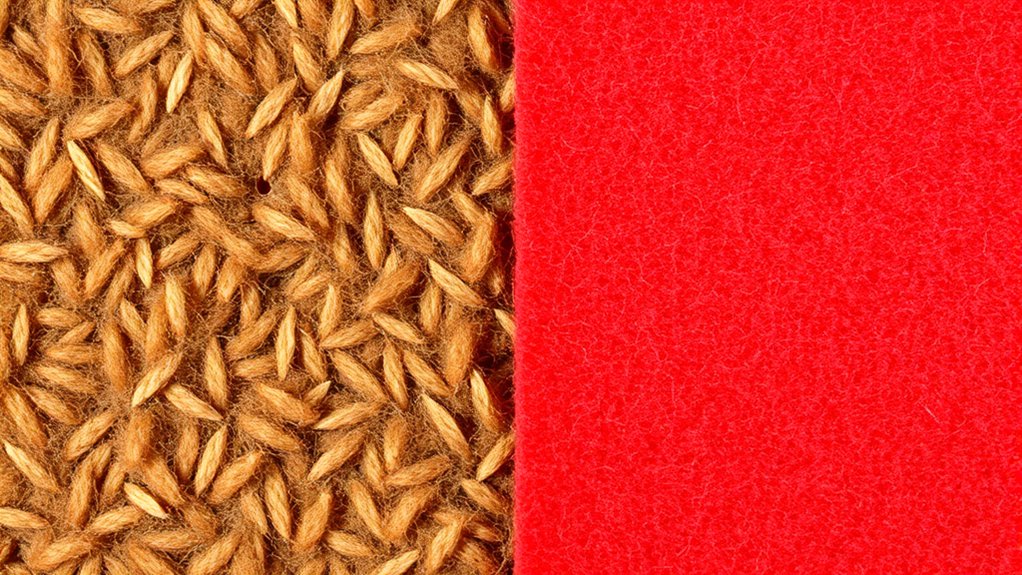
Beyond the production process, felt also comes in natural and synthetic forms, and each type offers different strengths. When you choose natural felt, you’re working with fibers from natural sources like wool, so you get a softer hand, better breathability, and a more traditional look.
Synthetic felt uses man-made fibers, and its synthetic properties often give you lower cost, easier maintenance, and stronger resistance to moisture. You’ll notice color variations are usually broader in synthetic options, while natural felt often shows subtle, earthy tones.
Texture differences matter too: natural felt feels warmer and richer, while synthetic versions can feel smoother or firmer. Consider durability factors before you buy, since your project may need added strength or flexibility.
Your crafting techniques can also guide the choice, and different design applications may favor one type over the other. If you care about environmental impact, natural felt can be preferable, though sourcing still matters.
Common Types of Felt Fabric
Several common felt fabrics stand out for their distinct looks, textures, and uses. You’ll often see wool felt, which feels soft, dense, and naturally resilient. It usually offers rich color variations and works well when you want a classic, slightly luxurious finish.
Acrylic felt gives you a budget-friendly option with bright shades and easy handling, though it feels lighter and less structured. Polyester felt adds durability and keeps its shape nicely, so you can choose it when you need a sturdy sheet with consistent texture.
Blended felt combines fibers to balance softness, strength, and cost, giving you more flexibility. You can also find industrial felt, which comes in thicker, firmer forms and often serves specialized needs. When you compare these types, pay attention to thickness options, surface feel, and edge stability.
That way, you’ll pick the felt that matches your project’s look and performance.
What Felt Fabric Is Used For
You can use felt fabric for all kinds of craft projects, from simple appliqués to handmade toys and ornaments. It’s super easy to work with, which makes it great for both beginners and experienced crafters.
It also works really well in home décor. Think about using it for coasters, wall hangings, or table accents — it adds a nice, cozy touch to any space.
Plus, because felt is soft yet sturdy, it’s perfect for insulation purposes too. Whether you need something practical or decorative, felt can do the job.
Craft Projects
Felt fabric is a favorite for craft projects because it’s easy to cut, shape, and glue without fraying. You can turn it into masks, bookmarks, plush toys, and simple ornaments with basic craft supplies. Because it holds its form, you can layer pieces, stitch edges, or add embellishments with confidence.
Try these felt techniques:
| Project | Skill Level | Best Use |
|---|---|---|
| Appliqué | Beginner | Custom patches |
| Hand sewing | Easy | Soft toys |
| Gluing | Beginner | Fast decorations |
You’ll also appreciate how felt comes in bright colors and different weights, so you can match your idea quickly. Whether you’re making school activities or personalized gifts, felt helps you create neat results fast.
Home Décor
Beyond crafts, felt fabric also works well in home décor because it adds texture, color, and a soft finish without needing much finishing. You can use it for wall art, pillow accents, table runners, and seasonal garlands. It instantly makes a room feel warmer and more personal.
Because felt cuts cleanly and holds its shape, you can play with bold color combinations or subtle neutrals to suit your style. It also helps you build texture contrasts when you layer it with wood, linen, glass, or metal.
Since felt doesn’t fray easily, you can create neat appliqués, framed shapes, and decorative shapes that stay crisp. With simple sewing or glue, you’ll turn ordinary spaces into cozy, customized rooms that feel thoughtfully finished.
Insulation Uses
In workshops and homes alike, felt is often chosen for insulation because its dense, fibrous structure helps slow the transfer of heat and sound. You can line walls, wrap pipes, or pad machinery to improve thermal performance without bulky materials.
Because felt traps tiny air pockets, it also supports acoustic insulation, helping reduce echoes and soften vibrations in studios, offices, and vehicle interiors. You’ll find it useful where you need a simple, flexible barrier that can be cut, layered, or tucked into tight spaces.
Felt won’t replace specialized insulation in every job, but it gives you a practical option for moderate temperature control and noise reduction. If you want a material that’s easy to handle and install, felt can do both.
Why Felt Fabric Doesn’t Fray
Felt doesn’t fray because its fibers lock tightly together instead of lining up in woven rows. Since it has a non-woven structure, the strands stay bound as one solid sheet. So, when you cut felt, you won’t see the edges unraveling easily. It’s pretty handy for crafts because you don’t have to worry about frayed edges!
Fibers Lock Together
When wool, acrylic, or other fibers are pressed, heated, and agitated together, they tangle and interlock into a dense mat that holds itself together. You get a fabric that resists unraveling because each strand grips its neighbors.
Higher fiber density helps lock the surface tight, while texture variation gives the fibers more edges to catch and cling. You can see why this matters when you cut felt: the edge stays neat instead of unraveling.
- Heat softens fibers so they bend.
- Pressure pushes them closer.
- Motion makes them hook together.
This simple locking action gives felt its stable form and lets you shape it without worrying about frayed threads.
Non-Woven Structure
Unlike woven fabrics, felt doesn’t rely on a crisscrossed yarn structure, so you won’t see loose threads running in rows. Instead, you get a dense mat of interlocked fibers that stay put. This boosts non-woven durability and helps explain key felt characteristics.
| Feature | Woven Fabric | Felt |
|---|---|---|
| Structure | Yarns cross | Fibers mat |
| Fraying | Common | Rare |
| Edge behavior | Unravels | Stays stable |
Because the fibers bond across the surface, you can cut felt without triggering the same unraveling you’d expect from cloth. That’s why it feels sturdy at the edges, resists fray, and keeps its shape during everyday use.
Benefits of Felt Fabric
Soft yet sturdy, felt fabric offers a rare mix of durability, warmth, and versatility that makes it useful in everything from crafts to clothing and home décor. You’ll appreciate how it resists fraying, holds its shape, and feels comfortable in cool weather.
Soft yet sturdy, felt offers warmth, durability, and versatility for crafts, clothing, and home décor.
It also supports sustainability benefits when you choose recycled or responsibly sourced fibers, since you can reuse it for many projects instead of replacing it often.
- Durability advantages: you get a material that stands up well to regular use.
- Insulation: it helps trap warmth without feeling bulky.
- Versatility: you can use it for decorative accents, accessories, and practical items.
Because felt doesn’t unravel easily, you can enjoy a cleaner finish in your projects. Its soft texture and muted look also make it easy to pair with many styles, giving you a dependable, attractive fabric that works across seasons and settings.
How to Cut and Sew Felt Fabric
Because felt fabric is sturdy and easy to work with, cutting and sewing it is simple once you use the right techniques. Start by laying felt flat on a self-healing mat, then trace your pattern with chalk or a washable marker. Use sharp fabric scissors or a rotary cutter for clean edges, and keep your cuts slow for accuracy.
If you need curved shapes, snip small sections instead of forcing the blade through all at once.
When you sew felt, choose straight stitches, blanket stitches, or simple decorative hand stitching. Felt doesn’t fray much, so you can leave edges raw or finish them for a polished look. Pin carefully, or use clips if pins leave marks.
Test thread tension before you begin, since bulky felt can pucker under tight stitches. These cutting techniques and sewing tips help you create neat, durable projects with less effort and better control.
How to Care for Felt Fabric
To keep felt fabric looking its best, handle it gently and clean it with care. You should avoid harsh scrubbing, hot water, and strong detergents because they can distort the fibers. Instead, use simple cleaning techniques that match the stain and the fabric’s weight. Spot clean small marks with a damp cloth and mild soap, then blot dry with a towel.
Handle felt gently, avoid harsh cleaning, and spot clean with mild soap to protect its fibers.
- Brush off dust with a soft lint brush.
- Dab spills quickly; don’t rub them in.
- Air dry felt flat, away from direct heat.
For longer storage, fold felt neatly or roll it with acid-free paper to prevent creases. Keep it in a cool, dry place, and add storage tips like sealing it in a breathable bag to protect it from dust and moisture. If you care for it this way, your felt will stay smooth, colorful, and ready for your next project.
How to Choose the Right Felt Fabric
When you choose felt fabric, start by matching the material to your project’s needs. Thickness, texture, and fiber content all affect how it performs. For crafts, you might want soft wool felt. For costumes or displays, synthetic felt can be cheaper and easier to cut.
Check thickness variations carefully because a thin sheet suits layering, while a dense piece holds shape better for boxes, ornaments, and appliqué.
| Need | Best choice |
|---|---|
| Soft drape | Wool felt |
| Budget project | Synthetic felt |
| Structural support | Thick pressed felt |
You should also compare color options before you buy. Bright shades work well for kids’ projects, while neutral tones fit home décor and mixed-media work. If you’ll stitch or glue the fabric, test the edge finish since some felts shed more than others.
When you balance function, look, and durability, you’ll pick felt fabric that makes your project easier and looks polished too.
Frequently Asked Questions
Is Felt Fabric Eco-Friendly and Recyclable?
Yes, felt fabric can be eco-friendly and recyclable, but you’ll want to check the fiber content. If you choose wool felt or recycled-fiber felt, you get better sustainability benefits.
Synthetic felt, often made from polyester, isn’t as green and can be harder to recycle. The production process also matters, since low-impact methods use less water and energy.
You should look for certifications and recycled materials whenever possible.
Can Felt Fabric Be Used Outdoors?
Yes, you can use felt fabric outdoors, but you’ll want to protect it. About 60% of untreated felt can absorb moisture quickly, so you should expect limited weather resistance.
For better outdoor durability, you can choose wool-blend or synthetic felt and add a water-resistant coating. You’ll get the best results in covered spaces, where sun, rain, and wind won’t break it down as fast.
Does Felt Fabric Attract Dust or Lint Easily?
Yes, felt fabric can attract dust and lint, especially if you use it in busy, dry spaces. Its textured surface can hold onto particles, so you may notice dust accumulation more than with smoother fabrics.
You can reduce lint attraction by vacuuming it gently, using a lint roller, and keeping it away from shedding materials. If you care for it regularly, you’ll keep it looking cleaner and fresher.
Is Felt Fabric Safe for Children’s Crafts?
Yes, felt fabric can be safe for children’s crafts when you choose non-toxic, age-appropriate options and supervise closely. You should check safety standards on dyes, adhesives, and small embellishments before starting.
For better results, you can pre-cut shapes, use child-safe scissors, and avoid loose beads for younger kids. These crafting tips help you create fun, low-risk projects that kids can enjoy with confidence and creativity.
Can Felt Fabric Be Machine Washed?
Yes, you can often machine wash felt fabric, but you’ll want to check the label first. Like a gentle rain on a window, washing can refresh it without ruining it.
Use cold water, a delicate cycle, and mild detergent to protect felt fabric durability. For best felt fabric cleaning, skip high heat and heavy spinning, then air dry it flat so it keeps its shape and texture longer.
Conclusion
So, when you work with felt fabric, you’re choosing a material that’s simple, versatile, and surprisingly useful. Whether you’re crafting, sewing, decorating, or making something practical, felt can fit the job like a quiet supporting actor stealing the scene.
You’ve learned how it’s made, what it’s used for, and how to care for it, so you’re ready to pick the right kind and put it to work with confidence. Felt fabric really is a dependable choice for a wide range of creative projects.