Types of Denim: A Simple Guide
Finding the perfect pair of jeans can feel overwhelming. You want something stylish, comfortable, and durable, but with so many options out there, it’s easy to get lost.
If you’ve ever stood in front of a wall of denim wondering what type is right for you, you’re not alone.
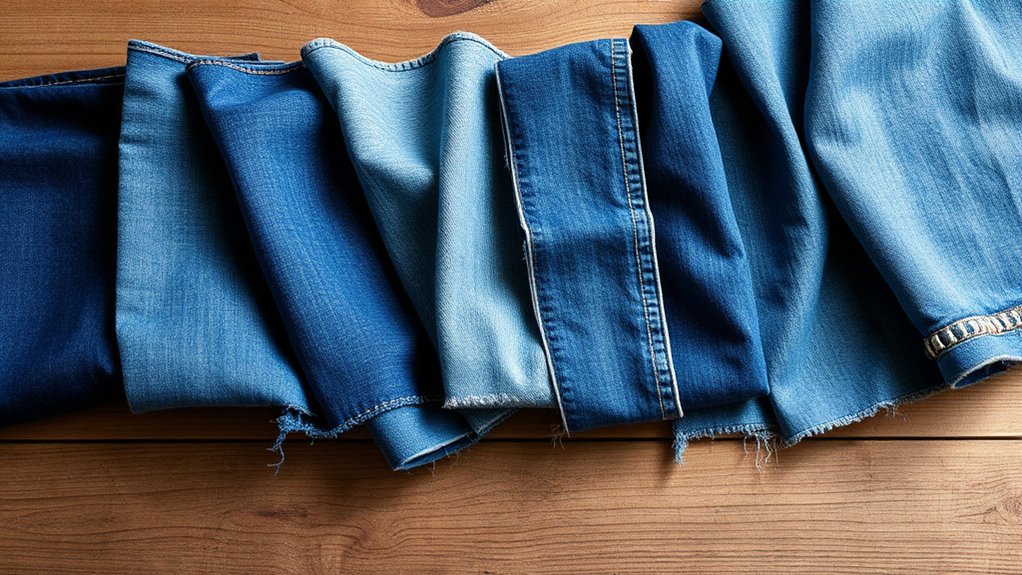
Denim comes in several types, and knowing them helps you choose what fits your style and needs. You’ll often see selvedge denim, which has durable finished edges, raw denim, which starts stiff and fades to your body, and stretch denim, which adds comfort and movement.
Washes like light, dark, and acid wash change the look, while twill weaves and finishes affect feel and durability.
Keep going, and you’ll learn which denim works best for you.
Key Takeaways
- Denim is a durable cotton twill fabric, valued for its strength, versatility, and everyday style.
- Selvedge denim has finished edges and a heritage feel. Raw denim starts stiff and fades uniquely over time.
- Stretch denim adds elastane for comfort and flexibility, making jeans easier to move in.
- Common washes include light, dark, and acid wash. Each creates a different look and styling option.
- Choose denim by weight, weave, and finish for the right fit, drape, durability, and comfort.
What Is Denim, Exactly?

Denim is a sturdy cotton twill fabric, and you’ll usually recognize it by its diagonal weave and rugged feel. You wear it because it’s durable, practical, and easy to style, but denim’s appeal goes beyond looks.
It started as workwear, and denim history shows how it moved from tough labor clothes to everyday fashion. When you choose denim, you’re picking a textile made to handle repeated wear, washing, and movement without losing its character too quickly.
Its woven structure gives it strength, while indigo dyeing creates that familiar blue surface. You’ll also hear more about denim sustainability as brands try to reduce water use, chemical impact, and waste in production.
Common Types of Denim Fabrics
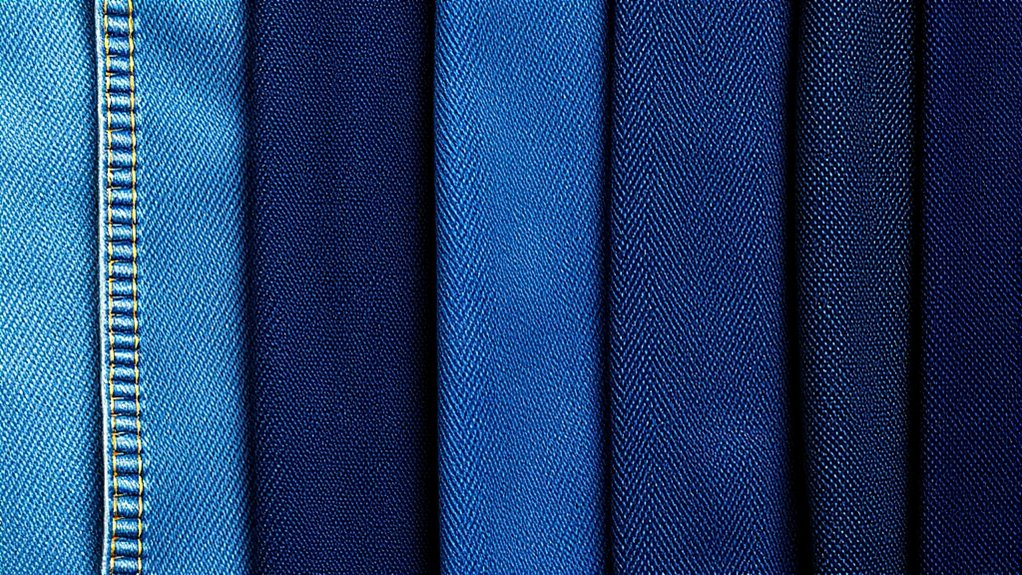
When you look into common denim fabrics, you’ll quickly notice that selvedge denim, raw denim, and stretch denim each bring something different to the table. Selvedge denim gives you a durable, finished edge that holds up well over time.
Raw denim, on the other hand, starts off untreated and fades naturally as you wear it, giving your jeans a unique look. Then there’s stretch denim, which adds flexibility for extra comfort during your day-to-day activities.
Knowing these basics makes it easier to pick the denim that fits your style and what you need. So, whether you want something sturdy, something that ages with you, or something comfy, there’s a denim fabric out there for you.
Selvedge Denim
Selvedge denim stands out for its tightly woven edge, which keeps the fabric from unraveling and signals careful craftsmanship. You’ll often find its selvedge origins in old shuttle looms, where narrower cloth and cleaner edges became the norm. That history helps explain its strong reputation for selvedge durability, especially when you wear jeans often.
Look for the finished edge inside the cuff. Expect a sturdier, more structured feel. Choose it when you want lasting style. Notice the premium look in details.
You won’t need to baby it, but you’ll appreciate how it ages with regular wear and repeated washing. Selvedge denim gives you a classic option that blends heritage, strength, and everyday versatility in one fabric.
Raw Denim
Raw denim arrives unfinished, so it hasn’t been washed, distressed, or softened before sale. You’ll notice it feels stiff at first, but it gradually molds to your body as you wear it. That process gives your jeans a unique fade pattern that reflects your habits and movement.
If you want this look, choose raw denim brands known for quality indigo dye and sturdy construction. Good raw denim care helps protect the fabric: wash it sparingly, turn it inside out, and air-dry it to preserve color and shape.
Because the surface stays untouched, raw denim can develop sharp contrast and character over time. You get a pair that feels personal, durable, and distinct from factory-finished denim.
Stretch Denim
Stretch denim blends cotton with a small amount of elastane or spandex, giving you extra give and a closer, more comfortable fit. You get easier movement, a sleeker silhouette, and jeans that adapt to your day without feeling stiff. Good denim elasticity helps the fabric flex at the knees, waist, and hips, while strong stretch recovery lets it bounce back after wear.
Choose it when you want comfort and shape. Wear it for fitted jeans, skirts, and jackets. Check the fiber blend for better durability. Look for high stretch recovery to reduce bagging.
If you like denim that moves with you, stretch denim offers a practical balance of comfort and style.
Raw Denim and Selvedge Denim
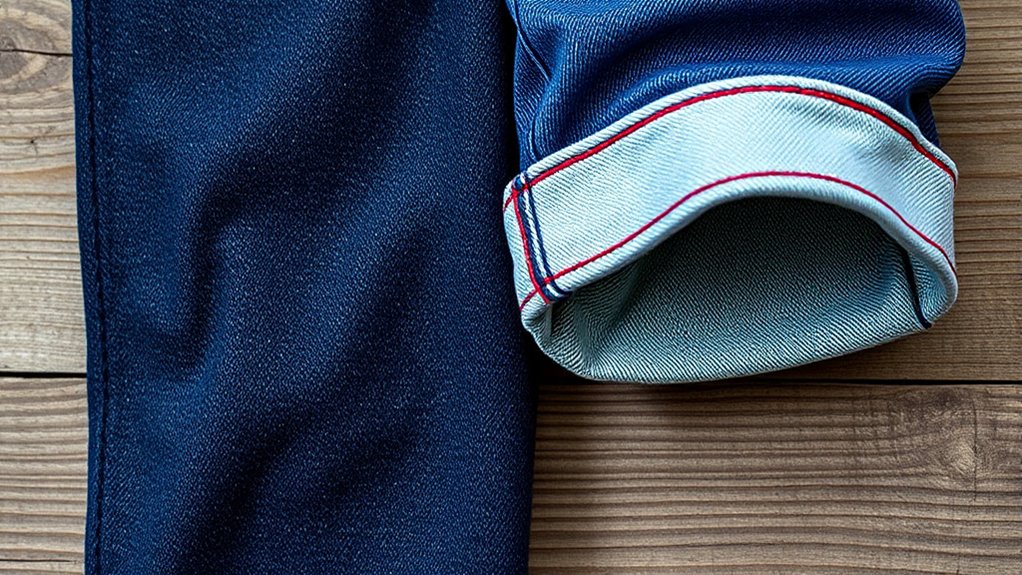
Two denim terms often come up together, but they describe different things: raw denim is fabric that hasn’t been washed or distressed after dyeing, while selvedge denim refers to how the cloth is woven, with clean finished edges that help prevent fraying.
When you choose raw denim, you often get deeper color and a fit that adapts to you over time. Those raw denim benefits appeal if you like a personal, lived-in look. Selvedge denim durability matters when you want jeans that hold their structure and show quality construction.
| Feature | What it means |
|---|---|
| Raw denim | Unwashed, stiff, and dark |
| Selvedge denim | Woven on shuttle looms |
| Fade potential | Develops with your wear |
| Edge finish | Clean, self-finished seams |
| Best for | Denim lovers seeking longevity |
You’ll pay more for both, but you’re buying craftsmanship, character, and jeans that reward regular wear with lasting appeal.
Washed Denim: Light, Dark, and Acid Washes
Washed denim totally changes the look and feel of your jeans. You’ve got options that go from soft, light washes to richer, darker ones. Light wash denim feels super casual and worn-in, perfect for everyday wear. On the other hand, dark wash denim looks cleaner and more polished, great if you want something a bit dressier. Then there’s acid wash, which adds bold contrast and this really cool faded effect that makes your jeans stand out.
Light Wash Denim
Light wash denim gives jeans a faded, worn-in look that feels relaxed and easy to wear. You can pair it with tees, sweaters, or sneakers for an effortless outfit. It works especially well when you want a casual vibe without feeling too dressed up.
When choosing light wash styles, look for slimmer cuts, straight legs, or relaxed fits that suit your shape and routine.
- Soft, lived-in finish
- Easy to style daily
- Great for spring and summer
- Simple light wash care
For light wash care, wash your jeans inside out in cold water and skip harsh detergents. Air-dry them to help preserve the color and texture you like.
Dark Wash Denim
If you want a denim option that feels a bit more polished, dark wash jeans are a natural next step. You can wear them from office casual to dinner plans, and they usually slim your look.
Dark wash trends keep leaning toward clean finishes, minimal fading, and straight or tapered cuts. When styling dark wash, pair it with crisp white shirts, knit polos, or a structured blazer.
| Occasion | Top Choice | Shoe Idea |
|---|---|---|
| Work | Button-down | Loafers |
| Weekend | Tee | Sneakers |
| Evening | Blazer | Boots |
You’ll find this wash easy to dress up, yet relaxed enough for everyday wear. Because the color stays deep, it also hides wear better than lighter denim.
Acid Wash Effects
Acid wash denim brings a bold, high-contrast look that instantly stands out from lighter or darker washes. You get that mottled, worn-in effect when manufacturers use acid wash techniques to strip color unevenly, creating sharp pale patches and deep shadows.
The acid wash history goes back to the 1980s, when designers chased edgy, rebellious style. Today, you can wear it for a vintage vibe or use it to add texture to simple outfits.
- Pairs well with plain tees
- Adds instant retro attitude
- Softens structured jackets
- Highlights rugged denim details
If you want denim that feels loud, distinctive, and a little nostalgic, acid wash delivers without trying too hard.
Stretch Denim for Everyday Comfort
Stretch denim brings a little extra give to your jeans, making them easier to wear all day without feeling stiff or restrictive. You get stretch denim benefits like better mobility, a softer feel, and a fit that moves with you when you sit, bend, or walk.
That’s why it works so well for daily wear, whether you’re heading to work, running errands, or relaxing on the weekend. You’ll find stretch denim styles in slim, straight, skinny, and even relaxed cuts, so you can choose a look that matches your comfort level and personal taste.
Because the fabric flexes, it can help reduce pinching at the waist and tightness through the thighs. If you want jeans that feel comfortable without losing shape, stretch denim is a smart choice. It gives you comfort, ease, and reliable wear every day.
Lightweight vs. Heavyweight Denim
Lightweight and heavyweight denim each bring something different to the table, so the right choice depends on how and when you plan to wear it. If you want cooler, easier movement, lightweight denim keeps you comfortable on busy days. It still offers solid lightweight durability for regular wear.
If you prefer a sturdier feel, heavyweight denim gives you more structure and heavyweight comfort. This is especially true when you want jeans that feel substantial. You’ll usually reach for lighter denim in warm weather, while heavier denim works well when you want a tougher, more grounded fit.
Choose lightweight denim for heat and long days. Choose heavyweight denim for a firm, durable feel. Pick comfort based on your activity level. Match the weight to your climate and routine.
Common Denim Weaves and Finishes
You’ll notice denim looks and feels different depending on how it’s woven. It can range from the classic twill weave to more textured options that give it a unique character.
Plus, there are popular finishes that change its appearance, like faded, rinsed, or distressed treatments. These little details really shape both the look and performance of the denim you pick.
Common Denim Weaves
Denim comes in a few core weaves, and each one changes how the fabric looks, feels, and wears over time. You’ll usually see twill, right-hand twill, left-hand twill, and broken twill. These weaving techniques shape denim textures, from crisp and sturdy to softer and more relaxed.
Right-hand twill leans diagonally and feels classic. Left-hand twill can soften faster with wear. Broken twill helps reduce leg twist. Plain denim gives a flat, even surface.
When you choose a weave, you’re deciding how your jeans will drape, fade, and break in. Tighter weaves often feel durable, while looser ones can feel lighter and less rigid. Knowing these basics helps you pick denim that matches your comfort, style, and everyday use.
Popular Denim Finishes
Beyond weave, denim finishes play a big role in how fabric looks and feels, from deep raw indigo to faded, distressed, or washed-down surfaces. You can choose raw denim if you want a stiff, dark start that softens over time.
If you prefer a broken-in look right away, stonewashed and enzyme-washed jeans give you a lighter, smoother feel. Acid-washed denim adds high-contrast texture, while sandblasted styles create a worn, vintage edge.
Distressed denim works well when you want frayed hems, whiskering, or ripped details that feel lived-in. Embroidered denim adds decoration and personality, letting you stand out without changing the base fabric.
When you shop, think about comfort, color, and how much character you want your jeans to show.
How Denim Changes Over Time
Over time, denim softens, fades, and molds to your body, developing a look that’s distinctly your own. As you wear it, friction, washing, and sunlight shift its color and texture, revealing creases at the knees, whiskers near the hips, and lighter seams. This denim evolution reflects your habits, not just the fabric itself, and it echoes historical trends that moved denim from workwear to everyday style.
You’ll notice darker denim breaking in more slowly. Frequent washing can speed up fading and stiffness changes. Raw denim changes most dramatically with regular wear. Stretch blends may keep their shape longer, but they still age.
If you want denim to age well, wear it often and wash it only when needed. Your pair won’t stay static; it’ll tell a story through every fade, fold, and softened edge.
Best Denim for Jeans, Jackets, and Skirts
The best denim depends on what you’re making and how you want it to wear. For jeans, you usually want midweight denim with enough stretch to move with you, while still holding its shape through daily use. For jackets, choose a sturdier, heavier denim that keeps structure and layers easily over shirts or sweaters.
For skirts, lighter or medium denim works well because it drapes better and feels less rigid when you sit or walk. You can also pay attention to denim trends without losing practicality. Dark washes often look polished, while faded finishes feel more casual.
If you want extra comfort, look for denim with a small amount of elastane. Good denim care helps each piece last longer: wash it less often, turn it inside out, and air-dry it when you can. That way, your jeans, jacket, or skirt keeps its color, shape, and character over time.
How to Choose the Right Denim
Choosing the right denim starts with understanding how you’ll wear it. You should match the fabric weight, stretch, and finish to your routine. For daily comfort, choose denim with a little elastane; for structure, pick rigid cotton.
Think about fit considerations first: slim cuts flatter some bodies, while relaxed or straight legs give more room and ease. Then compare color options to suit your style. Dark washes look polished, lighter washes feel casual, and black denim works almost anywhere.
Slim cuts flatter some bodies, while relaxed or straight legs offer more room and ease.
Check stretch for comfort and mobility
Compare rise, leg shape, and length
Pick wash based on occasion
Choose durable denim for frequent wear
If you’re buying jeans, jackets, or skirts, try them on and move around. Bend, sit, and walk to see whether the denim keeps its shape. When the fabric feels right and the color suits your wardrobe, you’ll wear it more often.
Frequently Asked Questions
How Should Denim Be Washed to Prevent Fading?
You should wash denim inside out in cold water to slow fading. Use a gentle cycle, a mild detergent, and skip bleach or harsh stain removers.
For better denim care, wash it only when it’s truly dirty, and air-dry it instead of using high heat. Keep the washing temperature low because hot water strips color faster.
If you can, spot-clean small marks and avoid overwashing to preserve the color longer.
Can Denim Be Tailored After Purchase?
Yes, you can tailor denim after purchase. Think of it like shaping a guitar string: a small turn can make the whole piece sing.
You can hem the length, take in the waist, taper the legs, or repair seams through denim alterations. A good tailor can improve your denim fit without ruining the fabric.
Just remember, thick seams and stretch content can limit how much you can change.
What Causes Denim to Shrink Over Time?
Denim shrinks over time because you wash it in hot water, dry it on high heat, and stress the fibers through wear. Your fabric composition matters too, since cotton contracts more than blends.
If you buy pre-shrunk denim, you’ll notice less change, but it can still tighten a bit after repeated washing. To slow shrinkage, you should wash cold, air-dry, and avoid over-drying whenever you can.
How Do You Remove Stains From Denim?
You can remove stains from denim quickly, even if you think it’s too set in. Blot the area first, then apply a little cold water and mild detergent for simple stain removal. Gently rub with a soft cloth, rinse, and repeat if needed.
For tougher marks, use a stain remover made for denim care. Always air-dry your jeans, since heat can lock in the stain.
Is Denim Suitable for Summer Wear?
Yes, denim can work well for summer wear if you choose lightweight denim and breathable cuts. You’ll stay cooler in jeans, skirts, or jackets made from thinner fabric and looser fits.
Pair them with tanks, tees, or sandals for easy summer styles. Avoid heavy, dark denim on scorching days since it traps heat.
With the right wash and weight, you can wear denim comfortably all season long.
Conclusion
When you choose denim, you’re really choosing how you want your clothes to look, feel, and age. Raw denim might fade with your habits, while stretch denim gives you comfort from day one.
For example, if you wear jeans to work every day, a dark wash with a little stretch can give you a polished look and easy movement. Pick the fabric that fits your life, and your denim will work harder for you.
Choosing the right type of denim is key to making sure your jeans not only look great but also suit your lifestyle perfectly.