What Is Microfiber?
If you’ve ever struggled to find cleaning cloths that actually do the job without leaving streaks or taking forever to dry, you’re not alone. Many people find themselves frustrated with fabrics that just don’t absorb well or wear out quickly.
That’s why microfiber has become such a popular choice—it tackles these problems head-on.
Microfiber is a very fine synthetic fabric made from polyester, polyamide, or both, and you’ll often see it in cloths, towels, clothing, and upholstery. Its tiny split fibers trap dust, lift debris, and absorb moisture well, so it cleans and dries efficiently.
You get a soft, lightweight feel with strong durability and quick drying. It’s also easy to care for, and if you keep going, you’ll find out what makes it work so well.
Key Takeaways
- Microfiber is an ultra-fine synthetic fiber, usually made from polyester, polyamide, or blends. It is thinner than silk and designed to trap dust and absorb moisture efficiently.
- Microfiber is widely used in cleaning cloths, towels, apparel, upholstery, and bedding. Its split-fiber structure makes it soft, durable, lightweight, and quick-drying.
- Microfiber needs gentle care, and some versions raise sustainability concerns due to microplastic shedding.
What Is Microfiber?
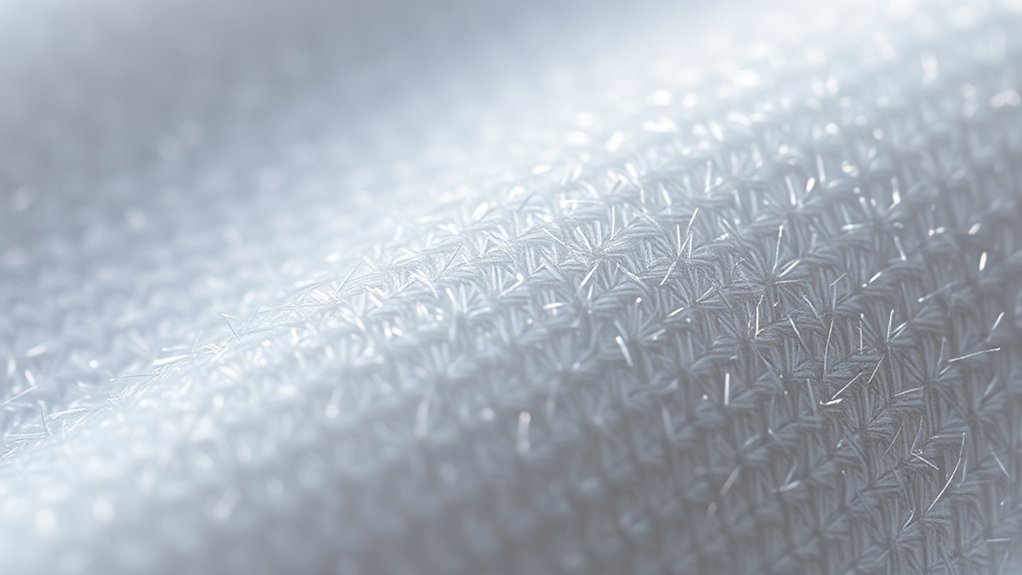
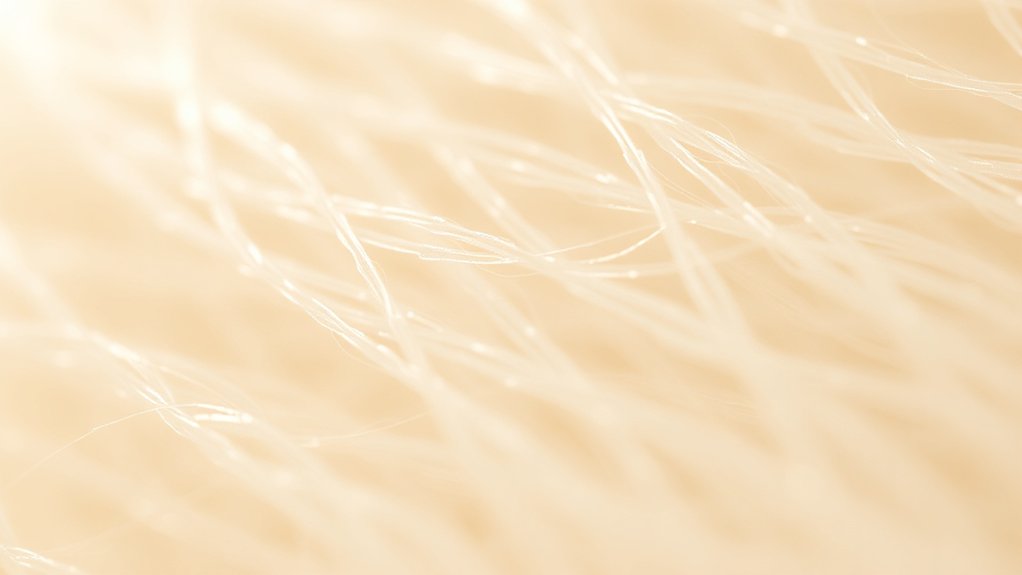
Microfiber is a very fine synthetic fiber, usually made from polyester, polyamide, or a blend of the two, that’s thinner than a strand of silk. When you handle microfiber, you notice how light, soft, and durable it feels.
Because its strands are so small, the material can trap dust, absorb moisture, and create a smooth finish on surfaces. You’ll see microfiber applications in cleaning cloths, towels, clothing, upholstery, and sports gear, where performance and comfort matter.
Microfiber’s tiny strands trap dust, absorb moisture, and deliver a smooth finish across everyday fabrics and surfaces.
It also works well in filters and bedding, since it combines strength with a gentle touch. As you compare fabrics, microfiber sustainability becomes an important question, because its synthetic base affects recycling, washing, and long-term environmental impact.
Still, its efficiency can help you use less water, detergent, and energy in everyday tasks. Understanding microfiber helps you choose products that fit your needs and values.
How Microfiber Is Made

To understand microfiber better, it helps to look at how manufacturers turn raw polymers into such fine strands. You’ll usually see polyester, polyamide, or a blend melted, extruded through tiny spinnerets, and cooled into continuous filaments.
Producers then stretch the filaments to align molecules, split them with heat or chemicals, and cut them into short lengths or keep them continuous, depending on use. These microfiber production techniques control diameter, strength, and absorbency.
| Stage | What Happens | Result |
|---|---|---|
| Melting | Polymer is heated | Liquid feed |
| Extrusion | Material passes spinnerets | Thin filaments |
| Splitting | Fibers are divided | Microfine strands |
You’ll notice that dyeing, finishing, and blending may follow. Each step affects consistency and the environmental impact, since energy use, chemical handling, and wastewater all matter.
Why Microfiber Feels So Soft
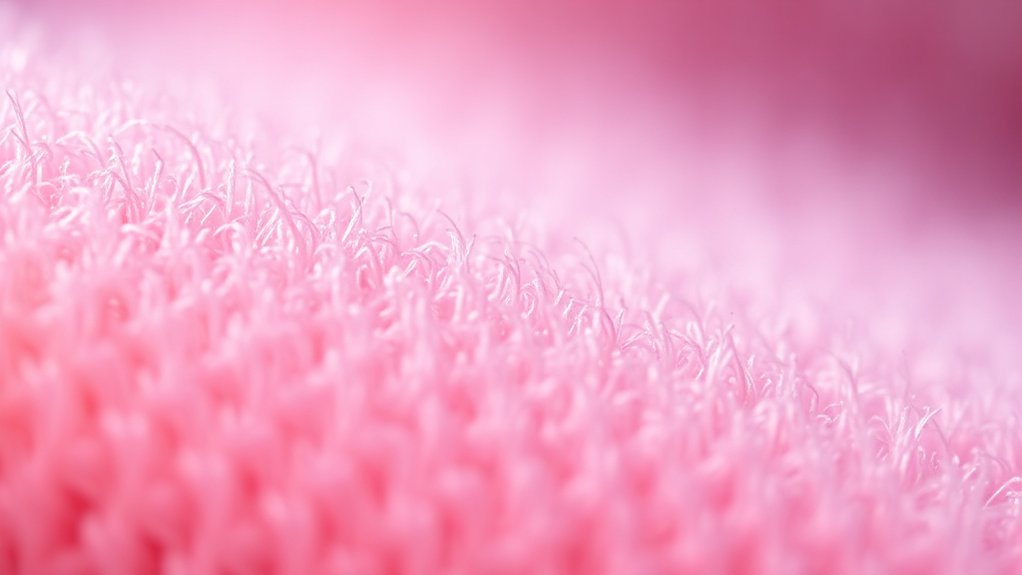
What makes microfiber feel so soft is its incredibly fine structure: the thinner the fibers, the more surface area they create and the less they scratch against your skin. When you touch it, you notice a soft texture that bends and flexes instead of feeling stiff or rough.
Because each strand is so small, the fabric can glide smoothly across your skin and avoid that prickly sensation you get from coarser materials. You also feel less friction, which helps the fabric seem gentle and skin friendly in everyday use.
The split fibers can trap air between them, giving the material a plush, cushioned touch without making it heavy. That’s why microfiber often feels cozy in your hands, on your face, or against any surface you clean. It gives you comfort through structure, not bulk.
Microfiber’s Main Benefits
Beyond its soft feel, microfiber gives you several practical advantages that make it a popular choice for clothing, cleaning cloths, and bedding. You get strong absorbency, so spills and sweat don’t linger.
You also get lightweight comfort, which helps fabrics feel easy to wear or use every day. In a durability comparison, microfiber often outlasts many basic fabrics because its fine fibers resist wear and keep their shape after repeated washing.
| Benefit | What You Notice | Why It Matters |
|---|---|---|
| Absorbency | It soaks up moisture fast | You clean or dry surfaces quicker |
| Durability | It holds up well over time | You replace items less often |
| Easy care | It washes and dries quickly | You save time and effort |
If you want eco friendly options, microfiber can support less water use during care and longer product life, which may reduce waste.
Common Types of Microfiber
When you look at microfiber, you’ll usually see blends of polyester and polyamide. These materials give it strength and absorbency, which is pretty handy. You’ll also notice its split microfiber structure. This creates tiny fibers that trap dirt and moisture much more effectively.
If you’re picking out cleaning cloths, it helps to compare grades. That way, you can choose the right level of softness, durability, and performance for what you need.
Polyester And Polyamide
Among the most common microfibers, polyester and polyamide stand out because they’re durable, lightweight, and easy to engineer for specific uses. When you compare polyester properties, you’ll notice strong color retention, quick drying, and good resistance to stretching and shrinking. That makes it a practical choice for cleaning cloths, apparel, and upholstery.
Polyamide benefits include softness, flexibility, and better absorbency, so you often get a smoother feel and stronger wiping performance. You can also blend these fibers to balance strength and comfort. Because both fibers can be spun into very fine strands, you’ll get a fabric that traps dust, lifts grime, and lasts through repeated washing.
Choose the one that fits your task, and you’ll improve results without sacrificing durability.
Split Microfiber Structure
Split microfiber often refers to a fine synthetic strand that’s been separated into even smaller filaments, creating more surface area for grabbing dust, oil, and moisture. You’ll notice that this split structure gives the fiber a star-like profile, which boosts performance without adding bulk.
Those tiny channels help you lift debris from smooth and textured surfaces more effectively than a round strand can. The main split benefits include better absorbency, faster drying, and stronger pickup during wiping.
In many microfiber applications, manufacturers use splitting to improve cleaning power, polishing, and liquid retention. You also get a softer feel and more contact points, so the material can trap particles instead of pushing them around.
That design makes split microfiber especially useful when you need efficient, controlled cleaning.
Cleaning Cloth Grades
Microfiber cleaning cloths come in a few common grades, and each one balances softness, absorbency, and durability a little differently. You’ll usually see general-purpose cloths, plush towels, and tightly woven glass cloths.
General-purpose grades handle dusting, spills, and everyday wiping with solid cleaning effectiveness, while plush cloths hold more liquid and lift grime from delicate surfaces. Glass cloths stay thin and lint-free, so they work best on mirrors, windows, and screens.
When you make a durability comparison, thicker weaves often last longer through repeated washing, but lighter cloths can excel at detail work. Choose the grade that matches the job, and you’ll clean faster, waste less product, and protect surfaces better.
Where Microfiber Is Used
Because of its fine, tightly woven fibers, microfiber shows up in a wide range of products you use every day. You’ll find it in cleaning applications like cloths, mops, towels, and dusters that trap dirt and polish surfaces with less effort.
In fabric technology, manufacturers use it for apparel, upholstery, bedding, and sportswear because it can feel soft, wick moisture, and hold up through repeated use. You may also see microfiber in car interiors, eyeglass wipes, and reusable household pads, where its small fibers help it reach tiny grooves and edges.
Since the material is versatile, companies can shape it into lightweight, durable items for home, work, and travel. When you choose microfiber products, you’re picking a fabric that adapts well to many tasks without adding bulk or extra maintenance.
Microfiber vs. Cotton
When you compare microfiber with cotton, the biggest differences usually show up in texture, absorbency, and care. You’ll often notice microfiber feels smoother and traps less lint, while cotton feels softer and more natural against your skin.
Cotton breathability can make it a better choice when you want airflow in warm weather or bedding that feels airy. Microfiber, on the other hand, usually absorbs moisture faster and dries sooner, so you may prefer it for towels, cleaning cloths, or activewear. Its microfiber durability also helps it resist wear, shrinking, and fading better than many cotton items.
- Microfiber: lightweight, quick-drying, and long-lasting
- Cotton: breathable, familiar, and comfortable
- Your choice depends on feel, function, and maintenance
If you want a fabric that handles repeated use well, microfiber often wins. If comfort and ventilation matter most, cotton may suit you better.
How to Wash Microfiber
When you wash microfiber, it’s best to use a gentle cycle with cold or warm water. And be sure to skip the fabric softener because it can clog the fibers.
To keep both the fabric and your washing machine in good shape, wash microfiber items with similar fabrics and avoid mixing in lint-producing loads.
After washing, either air-dry your microfiber or tumble dry on low heat. Once it’s clean and dry, store it properly to help it keep performing well.
Washing Machine Care
To keep microfiber in good shape, use a gentle wash cycle with cool or warm water and a mild, liquid detergent. These microfiber maintenance tips help protect the fibers and keep the fabric performing well.
Follow washing guidelines by sorting microfiber separately from lint-heavy items like cotton towels and fleece, since lint can cling and reduce absorbency. Don’t overload your washer because extra friction can stress the material and leave residue behind.
Choose a short cycle when possible, and skip fabric softener or bleach, which can coat or damage the fibers.
- Wash microfiber alone or with similar synthetics
- Use a small amount of liquid detergent
- Clean the washer drum regularly
Drying And Maintenance
After washing, dry microfiber on low heat or let it air-dry so the fibers stay soft and effective. Skip high heat because it can melt or flatten the strands and reduce absorbency.
If you use a dryer, choose a gentle cycle and remove the fabric as soon as it’s dry. Don’t add dryer sheets or fabric softener since they leave a coating that hurts performance.
Shake items out before drying to speed airflow and limit wrinkles. For maintenance tips, wash microfiber separately, inspect it for lint, and store it clean and dry.
Good drying techniques help preserve the tiny fibers so you can keep using them for dusting, cleaning, and polishing. With simple care, your microfiber stays durable, efficient, and ready for repeated use.
Common Microfiber Drawbacks
Despite its many benefits, microfiber has a few common drawbacks you should consider before choosing it. You may notice that some microfiber items feel less breathable than natural fabrics, so they can trap heat during long wear. You might also see pilling or static cling, especially when you wash them with rougher textiles.
Another concern is that microfiber can shed tiny fibers over time, which raises its environmental impact and can affect waterways. When you make a cost comparison, cheaper versions may seem appealing, but they often wear out faster and lose softness sooner.
- Holds heat more than cotton or linen
- Can attract lint, dust, and static
- May release microfibers during washing
To reduce these issues, you should wash microfiber gently and separate it from abrasive fabrics. That helps you extend its life and keep its performance more consistent.
How to Choose Quality Microfiber
When you’re picking out quality microfiber, start by checking the fiber density. Tighter fibers usually mean the fabric will perform better and last longer. Then, take a look at the weave quality. Does the fabric feel smooth and consistent? A well-made weave is a good sign. You’ll also want to compare the GSM weight. Generally, a higher GSM means the microfiber is thicker and more absorbent, which is exactly what you want.
Fiber Density
Fiber density is one of the quickest ways to judge microfiber quality, because tighter weaves usually trap more dust, absorb better, and feel more durable in your hand. You should pay attention to fiber characteristics like thickness and splitting, since they shape how much surface area the cloth offers.
Higher density usually means the fibers pack closer together, increasing the density impact on cleaning power and liquid pickup. When you compare options, look for a cloth that feels substantial without becoming stiff or heavy.
Denser cloth often cleans with fewer passes. Lighter cloth may work for quick dusting. Balanced density helps you match the job.
Weave Quality
Weave quality tells you a lot about how microfiber will perform, because a tight, even weave helps the cloth grab dust, lift grime, and hold up over time. When you inspect a towel or cloth, look for consistent weave patterns without loose loops, gaps, or frayed edges.
A cleaner structure usually means better fabric durability, so the material can survive repeated use and washing without falling apart. You’ll also notice that well-made microfiber feels smooth yet slightly textured, which helps it clean efficiently without scratching delicate surfaces.
If the weave looks irregular or sloppy, the cloth may shed, snag, or wear out faster. Choose microfiber that feels balanced in your hand and looks uniform across the surface.
GSM Weight
After checking weave quality, the next number to look at is GSM, or grams per square meter. It tells you how dense and substantial the microfiber feels. A higher gsm measurement usually means thicker cloth, better absorbency, and a plusher touch.
A lower gsm can feel lighter and dry faster. You should match GSM to the job: choose medium weights for general cleaning, and heavier towels for drying or polishing. In a quick gsm comparison, notice that quality doesn’t always mean the highest number; too much density can reduce flexibility.
200–300 GSM: light dusting and quick wipes
300–400 GSM: everyday cleaning and glass care
400+ GSM: drying, buffing, and premium feel
Frequently Asked Questions
Is Microfiber Biodegradable or Recyclable?
Microfiber usually isn’t biodegradable, and you can’t reliably recycle it through normal curbside systems. You’ll often need to check local textile programs because some facilities accept it for specialized recycling.
If you buy less, wash items gently, and use filters, you can cut microfiber production and reduce its environmental impact. When you choose durable fabrics and dispose of them properly, you help keep fibers out of waterways and landfills.
Does Microfiber Shed Harmful Particles During Washing?
Yes, microfiber shedding during washing can release tiny particles into water, and you should treat that as a real concern. Like confetti from a ripped sleeve, these fibers drift out during washing effects, then slip into drains and waterways.
You can reduce the risk by washing less often, using cooler cycles, filling loads fully, and installing a filter bag or lint-catching device. That way, you help cut microfiber shedding.
Can Microfiber Cause Allergies or Skin Irritation?
Yes, microfiber can cause allergies or skin irritation if you’re sensitive to the fabric, dyes, or finishing chemicals. Microfiber safety is usually good for most people, but skin sensitivity varies, so you might notice itching, redness, or discomfort.
You can reduce irritation by washing new items before use, choosing fragrance-free detergents, and avoiding rough weaves. If symptoms keep showing up, you should stop using it and ask a dermatologist.
How Long Does Microfiber Typically Last?
You’ll usually get several years from microfiber, and good care can stretch it longer. Think of it like a sturdy web: if you wash it gently, skip high heat, and avoid harsh cleaners, the fibers stay intact.
Microfiber durability depends on quality and use, while microfiber maintenance matters just as much. In daily cleaning, towels may last hundreds of washes, but heavy scrubbing or abrasion can shorten that lifespan.
Does Microfiber Absorb Odors Easily?
Yes, microfiber can absorb odors easily, especially if you leave it damp or let spills sit. You’ll notice odor retention when oils, sweat, or food particles cling to the fibers.
To reduce that, wash it promptly and dry it completely. For better odor elimination, use warm water, mild detergent, and skip fabric softener, which can trap smells. With regular care, you’ll keep your microfiber fresher and longer-lasting overall.
Conclusion
So, when you choose microfiber, you’re choosing a fabric that feels almost like a whisper and works hard behind the scenes. You can enjoy its softness, absorbency, and easy care, but you should also remember its limits.
Like a modern-day magic cloth from a fairy tale, it can make daily tasks feel lighter and cleaner. With the right care, you’ll get the most from this versatile material every day.
In the end, understanding microfiber helps you appreciate how special it is and why it’s a great choice for your everyday needs.