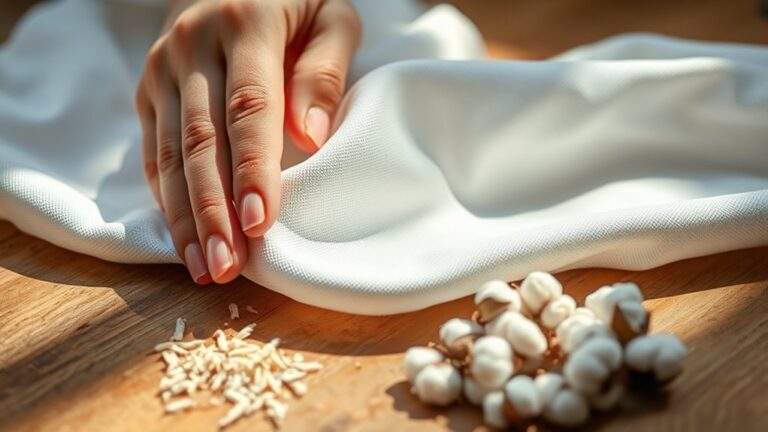
What Is Broadcloth?
Finding the perfect fabric that balances durability, smoothness, and versatility can be a real challenge. You’re not alone if you’ve struggled to find materials that look polished yet hold up well over time. Many people face this when shopping for fabrics for shirts, dresses, or home décor projects.
Broadcloth is a tightly woven fabric you’ll notice for its smooth surface, crisp hand, and polished look. You’ll often find it made from cotton, polyester, or blends, and it’s valued for durability, clean lines, and easy pressing.
It works well for shirts, dresses, linings, and light home décor because it holds shape nicely. If you keep going, you’ll see how its history, types, and uses make it such a versatile fabric choice.
Key Takeaways
- Broadcloth is a closely woven fabric with a smooth finish and crisp hand.
- It is traditionally made from tightly finished wool, but today it often uses cotton or polyester.
- Broadcloth has a fine weave, subtle sheen, and polished appearance.
- It is durable, holds shape well, and works well for shirts, dresses, and light décor.
- Compared with poplin or Oxford, broadcloth is smoother, denser, and more formal-looking.
What Is Broadcloth
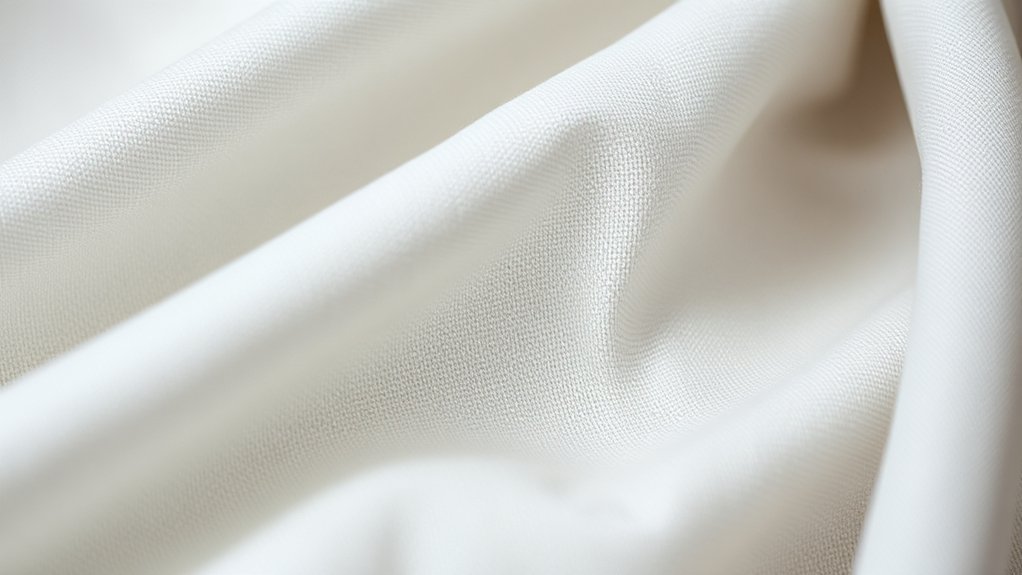
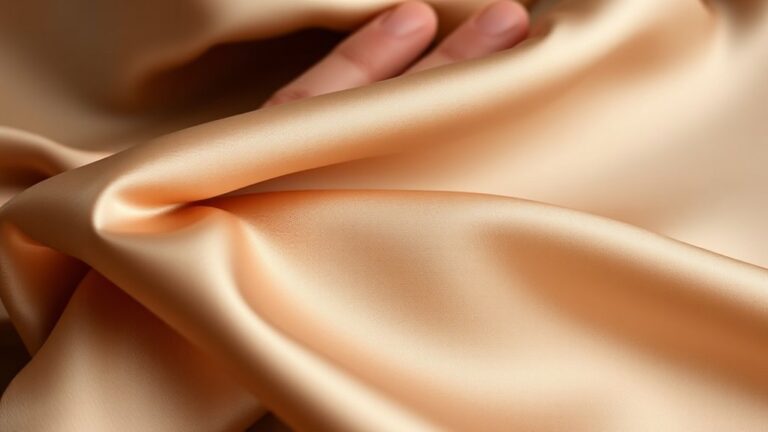
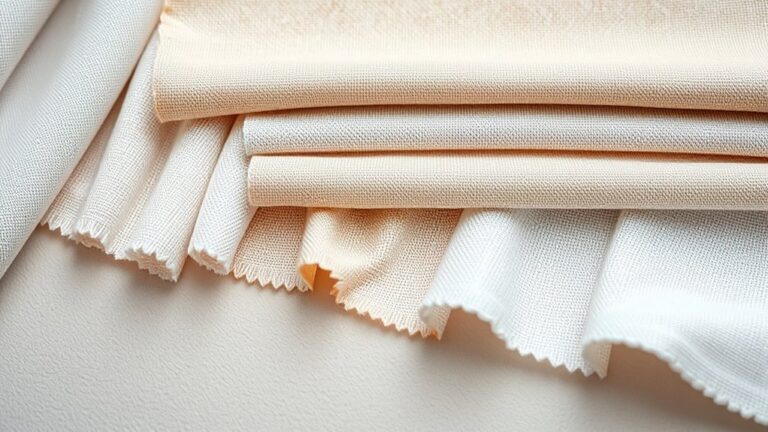
Broadcloth is a closely woven fabric known for its smooth finish, tight construction, and versatile use in clothing and home textiles. You’ll usually notice a crisp hand and a polished look that make it feel refined without feeling heavy.
Among broadcloth characteristics, you’ll find a fine weave, a soft surface, and dependable durability that suits shirts, linings, and lightweight décor. Because the yarns sit tightly together, the fabric resists wear and holds its shape well.
Broadcloth offers a fine weave, soft feel, and durable structure that works beautifully for shirts, linings, and light décor.
You can choose it when you want a clean drape and a neat appearance. The broadcloth history reflects long-standing practical use in everyday textiles, where makers valued its balance of comfort and structure.
When you handle it, you’ll see why it remains a popular choice: it looks smooth, feels controlled, and adapts easily to many projects without extra fuss.
Where Broadcloth Came From

Its roots trace back to medieval Europe, where weavers developed broadcloth as a tightly finished wool fabric valued for strength, warmth, and a polished surface. You can think of it as a textile shaped by trade, guild skill, and local resources, especially in England and the Low Countries.
As merchants moved cloth across borders, broadcloth gained historical significance because it helped fuel regional economies and set standards for quality control. You’d also notice its cultural impact in the way it marked status, since fine cloth often signaled wealth, civic pride, and social standing.
Over time, you’ve seen broadcloth move from a practical necessity into a respected cloth linked with craftsmanship and tradition. Its reputation spread because makers prized consistency, and buyers trusted its dependable finish.
Today, that origin story still matters, since it explains why broadcloth remains associated with durability, refinement, and a long textile heritage.
Common Types of Broadcloth
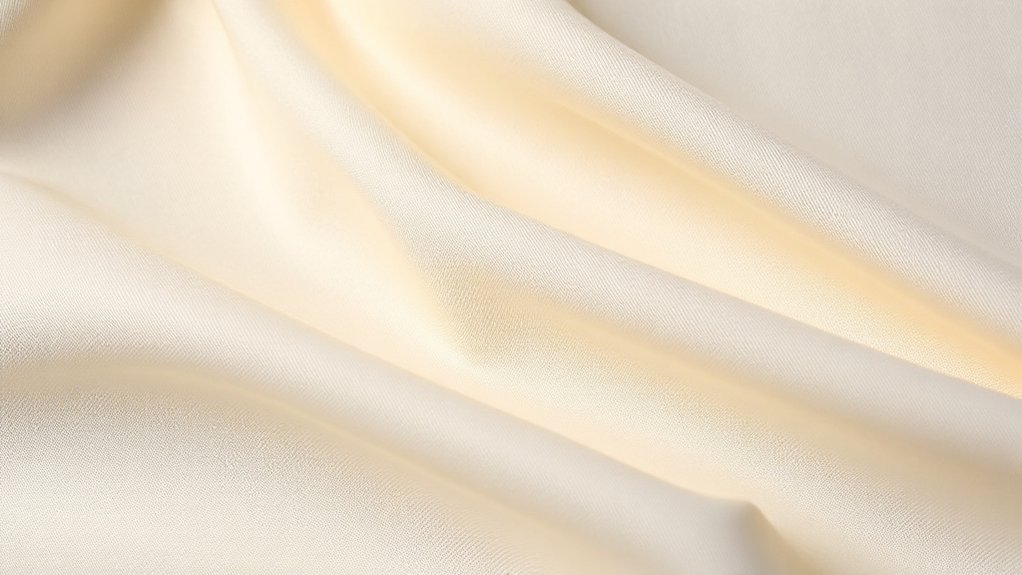
When you look at broadcloth today, you’ll find that the name covers a few related fabrics rather than one single cloth. You’ll usually see cotton broadcloth first: a smooth, plain-woven fabric with a crisp hand that works well for shirts, blouses, and lining.
You may also encounter polyester broadcloth, which gives you a similar look with added wrinkle resistance and easier care. In dressmaking, a cotton-poly blend often offers a balance of comfort, structure, and durability.
Some broadcloths feel tightly woven and slightly brushed, while others stay slick and lightweight, so you should check the fabric label before you buy. Broadcloth patterns often include solid colors, tiny checks, stripes, and subtle prints.
Broadcloth colors range from clean white and soft pastels to deep navy, black, and bright shades, so you can choose a version that fits both casual and formal projects.
How Broadcloth Is Made
You start with carefully prepared fibers. These fibers set the stage for broadcloth’s smooth feel and durable strength. Then, the yarns go through a tight weaving process. This creates the fabric’s dense, even surface. After that, finishing techniques come into play. They help refine the cloth’s texture, appearance, and performance.
Fiber Preparation
Before weaving begins, broadcloth makers prepare the fibers with careful cleaning, carding, and spinning to create a smooth, even yarn. You’ll often notice that fiber sourcing matters, because cotton, wool, or blends each bring different fiber characteristics that affect softness, strength, and sheen.
During preparation, makers remove impurities, align the fibers, and twist them into consistent yarns so the fabric can be woven cleanly later. You don’t want uneven material here, since irregular fibers can create weak spots or rough texture.
Careful preparation helps broadcloth feel refined and look polished, with a surface that’s ready for the next stage. By starting with well-selected fibers and precise spinning, producers set up the fabric for its signature smooth finish.
Tight Weaving Process
At this stage, the prepared yarn is woven very tightly on a loom, with the warp and weft threads packed close together to create broadcloth’s dense, smooth structure. You’ll notice that this tight weave leaves little space between threads, so the cloth feels firm and even.
As the loom works, you get a fabric that resists shifting and keeps its shape well. This construction also boosts fabric durability, making broadcloth a practical choice for garments and household textiles.
Because the yarns sit so close together, the surface looks clean and refined, without a loose or open texture. You can see how the weaving step gives broadcloth its signature balance of strength, smoothness, and reliability, all before any later treatment happens.
Finishing Techniques
Once the cloth comes off the loom, broadcloth usually goes through finishing steps that refine its surface and improve performance. You’ll see finishing processes that wash, scour, and sometimes full the fabric. This helps the yarns settle and the weave look smoother.
Producers may also use fabric treatments to control shrinkage, soften handfeel, or add a slight sheen. A final press or calendering can flatten the surface and boost its crisp appearance.
Cleaning removes oils and residue
Fulling tightens the cloth
Softening improves drape
Calendering adds smoothness
Heat setting stabilizes shape
These steps make broadcloth easier to sew, wear, and care for.
Broadcloth’s Texture, Weight, and Drape
Broadcloth has a smooth, tightly woven surface that feels crisp rather than bulky. You notice a fine texture comparison right away: it’s flatter and cleaner than many casual fabrics, so it looks polished under light.
Depending on weight variations, you can choose lighter versions for breathable shirts or slightly heavier ones for sharper structure in dressier pieces. That balance makes broadcloth easy to wear year-round.
Its drape usually falls with gentle control, so it won’t cling or collapse dramatically. Instead, it hangs neatly and gives your garments a tidy silhouette.
When you want fabric that feels smooth against your skin and still keeps its shape, broadcloth delivers. You can press it easily, and it tends to hold crisp lines after ironing.
If you prefer fabric that feels refined without excess stiffness, broadcloth gives you that middle ground.
Broadcloth vs. Other Cotton Weaves
When you compare broadcloth with poplin, you’ll notice that broadcloth usually feels smoother and denser. It’s got that nice, tight weave that gives it a cleaner finish.
Now, when you look at it alongside oxford and twill, broadcloth really stands out because of its finer weave. That means it not only looks sharper but can also feel more comfortable against your skin.
Broadcloth Vs. Poplin
If you’re comparing broadcloth with poplin, the main difference comes down to weave texture and finished feel. Broadcloth usually has a tighter, smoother surface with a slightly denser hand, while poplin shows a subtle ribbed texture from its weave structure. When you choose between them, think about how each suits your broadcloth applications and fabric characteristics.
- Broadcloth feels smoother against skin
- Poplin adds slight texture and crispness
- Broadcloth drapes with a clean, polished look
- Poplin can feel a bit more structured
- Both work well when you want lightweight cotton comfort
Broadcloth Vs. Oxford
By contrast, Oxford cloth has a more textured, basketweave look that feels sturdier and more casual than broadcloth. You’ll notice broadcloth usually feels smoother, finer, and more tightly woven, which gives it a cleaner, dressier appearance. That difference matters when you choose fabric for shirts, uniforms, or other garments.
Broadcloth characteristics make it a strong pick when you want a crisp surface, subtle sheen, and a polished finish. Oxford, on the other hand, suits relaxed button-downs and everyday wear better because its texture adds visual depth.
For broadcloth applications, you’ll often see it used where neatness and comfort need to work together. If you want a fabric that looks refined without much fuss, broadcloth gives you a sharper, sleeker result overall for many wardrobe staples.
Broadcloth Vs. Twill
Twill brings a diagonal weave that gives it more texture, drape, and visual depth than broadcloth’s smooth, flat finish. You’ll notice broadcloth characteristics in its crisp feel, light structure, and clean look, while twill properties include strength, resilience, and a subtle ribbed surface.
If you want a shirt that looks polished and presses flat, broadcloth works well. If you prefer fabric that hides wrinkles and feels a bit heavier, twill may suit you better.
- Broadcloth feels sleeker.
- Twill looks more textured.
- Broadcloth suits formal shirts.
- Twill resists creasing well.
- Your choice depends on comfort, style, and care.
Best Uses for Broadcloth
Broadcloth shines in projects where you want a smooth, crisp finish without a lot of bulk. You’ll often reach for it in shirt making because it holds clean lines, feels comfortable, and gives your garment a polished look.
It also works well for lightweight dresses, linings, and other tailored pieces where structure matters. In home decor, broadcloth can help you create pillow covers, simple curtains, tablecloths, and other accents that need a neat appearance without heavy drape.
You can use it for quilting too, especially when you want a uniform surface and easy cutting. Since it’s versatile, broadcloth fits both beginner and experienced sewing projects. You’ll get the best results when you choose it for designs that call for a refined finish, moderate structure, and everyday practicality.
How to Care for Broadcloth
To keep broadcloth looking crisp, wash it in cool or warm water on a gentle cycle with a mild detergent. This fabric responds well to simple cleaning methods, so skip bleach and avoid harsh stain removers that can weaken fibers.
After washing, shake out the garment, smooth seams, and let it air-dry or tumble-dry on low heat. If you iron broadcloth, use a medium setting while the fabric is slightly damp to reduce wrinkles quickly.
For storage tips, fold items neatly or hang them on padded hangers to help maintain their shape. Keep broadcloth in a cool, dry place away from direct sunlight, which can fade color over time.
- Use mild detergent
- Wash on gentle cycle
- Dry on low heat
- Iron while slightly damp
- Store away from sunlight
How to Choose Quality Broadcloth
Once you know how to care for broadcloth, the next step is choosing a fabric that will hold up well in the first place. Start by feeling the weave: good broadcloth should feel smooth, tightly woven, and even across the surface.
Check the fabric characteristics for consistent thickness, a crisp hand, and a finish that doesn’t look overly shiny or flimsy. Hold it up to the light; you shouldn’t see uneven gaps or weak spots.
Next, look for quality indicators like clean edges, uniform color, and minimal pilling when you rub the cloth gently. If you’re buying by the yard, ask about fiber content and thread count, since both can affect durability and comfort.
You should also test how the fabric drapes, because a balanced drape often signals better construction. When possible, compare several bolts side by side so you can spot subtle differences before you buy.
Why Broadcloth Remains Popular
Its lasting appeal comes from a rare mix of practicality and polish, since broadcloth feels smooth, looks clean, and works well for everything from shirts to bedding. You can rely on it because it adapts to daily wear without losing a crisp finish.
Its tight weave helps you get reliable structure, easy care, and a refined drape that suits both casual and dressier looks. That style versatility keeps broadcloth relevant in wardrobes and homes, while steady market demand reflects how often people return to it.
Choose it for shirts that need a sharp silhouette
Use it for bedding that should feel smooth
Pair it with layers for year-round wear
Enjoy easy laundering and low-maintenance care
Trust it when you want lasting value
Frequently Asked Questions
Can Broadcloth Be Used for Quilting Projects?
Yes, you can use broadcloth for quilting projects, especially when you want a smooth, crisp finish. You’ll find that broadcloth durability makes it a practical choice for light-use quilts, wall hangings, and patchwork pieces.
You can also enjoy broadcloth patterns for colorful blocks and accents. Just know it may fray more than quilting cotton, so you’ll want to handle edges carefully and prewash it before sewing.
Is Broadcloth Suitable for Summer Clothing?
Yes, you can wear broadcloth for summer clothing, especially if you choose a lighter fabric weight and decent breathability factors. You’ll find it feels smooth and crisp, which can work well for shirts, dresses, and skirts in warm weather.
However, if you pick a heavier version, you may feel warmer than you’d like. For the best comfort, you should look for cotton broadcloth and loose-fitting designs.
Does Broadcloth Wrinkle Easily After Washing?
Yes, broadcloth can wrinkle after washing, especially if you don’t follow the care instructions. Its fabric characteristics vary by fiber blend, but cotton broadcloth tends to crease more than polyester blends.
You can reduce wrinkles by removing it promptly from the dryer, shaking it out, and ironing on low heat if needed. If you want a crisp look, hang it soon after washing and avoid overloading the machine.
Is Broadcloth a Good Choice for Embroidery?
Yes, broadcloth can be a solid canvas for embroidery, like a quiet pond reflecting each stitch. You’ll get clean results with many embroidery techniques because the weave holds detail well, and its smooth surface helps designs stay crisp.
You should also appreciate its fabric durability, since it can handle repeated stitching without falling apart. For best results, stabilize it first so your thread doesn’t pucker or distort the fabric.
Can Broadcloth Be Blended With Synthetic Fibers?
Yes, you can blend broadcloth with synthetic fibers. You’ll often find broadcloth blend types like cotton-polyester, which add wrinkle resistance, durability, and easier care.
Those synthetic fiber benefits can also improve color retention and reduce shrinkage, making the fabric more practical for everyday use. If you want a softer feel with less maintenance, a blended broadcloth can give you a balanced option that still looks crisp and polished.
Conclusion
So, now you know what broadcloth is, where it came from, and why it still earns a place in your sewing room. When you choose the right type, you can get crisp structure, smooth drape, and reliable comfort all in one fabric.
Whether you’re making shirts, linings, or everyday pieces, broadcloth can really hit the nail on the head. Care for it well, and it’ll keep looking sharp for a long time. That’s the beauty of broadcloth.