How to Choose Soft Stretchy Material
Choosing the perfect soft stretchy material can feel overwhelming, especially when you want something that’s comfortable, durable, and looks great. You’re not alone—many people struggle to find fabrics that stretch without losing shape or feel rough on the skin.
But with a little know-how, you can easily spot the best options for your project and avoid common pitfalls.
To choose soft stretchy material, you should feel for smoothness, breathability, and gentle give that moves with your body. Pick a fabric with good recovery so it snaps back after stretching and won’t sag or ripple.
Cotton blends feel natural, modal feels silky, and spandex adds snug flexibility. Check weight, drape, and opacity before buying, and test a swatch for comfort and durability.
With a few simple checks, you’ll spot the best fit for your project and uncover more useful details.
Key Takeaways
- Choose fabrics that feel smooth, breathable, and comfortable against the skin.
- Check stretch recovery so the material snaps back without sagging or rippling.
- Match fabric weight to the garment, like lighter knits for tops and midweights for leggings.
- Prefer durable blends such as cotton, modal, or spandex for softness and flexibility.
- Test drape, opacity, and movement with a swatch before buying.
How Soft Stretch Fabric Performs
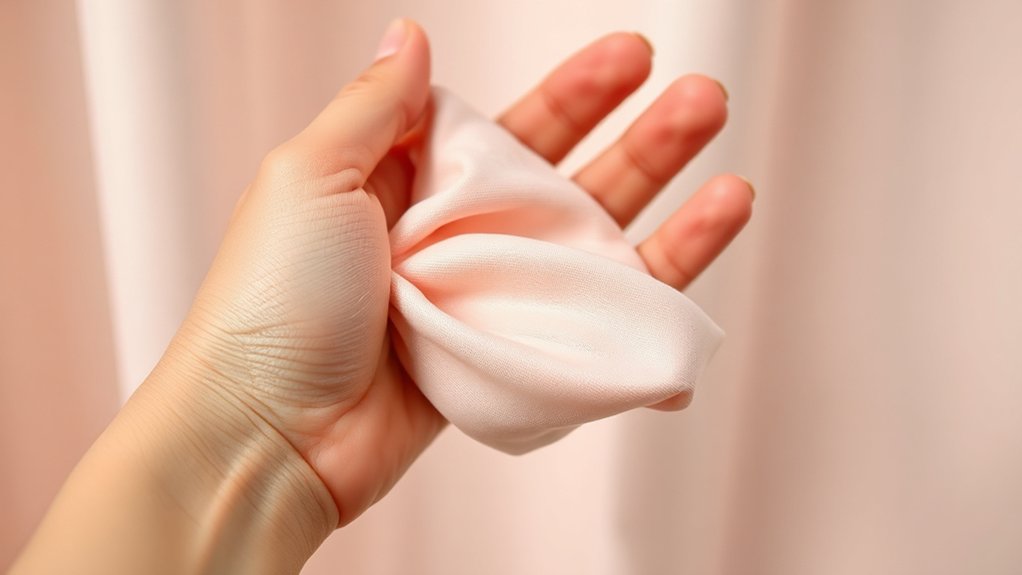
Soft stretch fabric performs best when you need comfort, freedom of movement, and a close fit that still feels easy to wear. You’ll notice it bends with your body instead of fighting it, so you can move, sit, and reach without strain.
Different fabric types change the feel: some drape smoothly, while others hold shape and recover quickly after stretching. That recovery helps your clothing stay neat through repeated wear.
Different fabric types change the feel, with some draping softly and others holding shape with reliable recovery.
You can also expect better breathability and less pulling across seams when the material matches the task. In many stretch applications, this balance matters more than thickness alone because performance depends on how the fibers react under pressure.
When you wear the right soft stretch fabric, you get a snug look without stiffness, and you keep comfort throughout the day. It’s this mix of flexibility, recovery, and softness that makes it so useful.
Pick the Right Stretch for Your Project
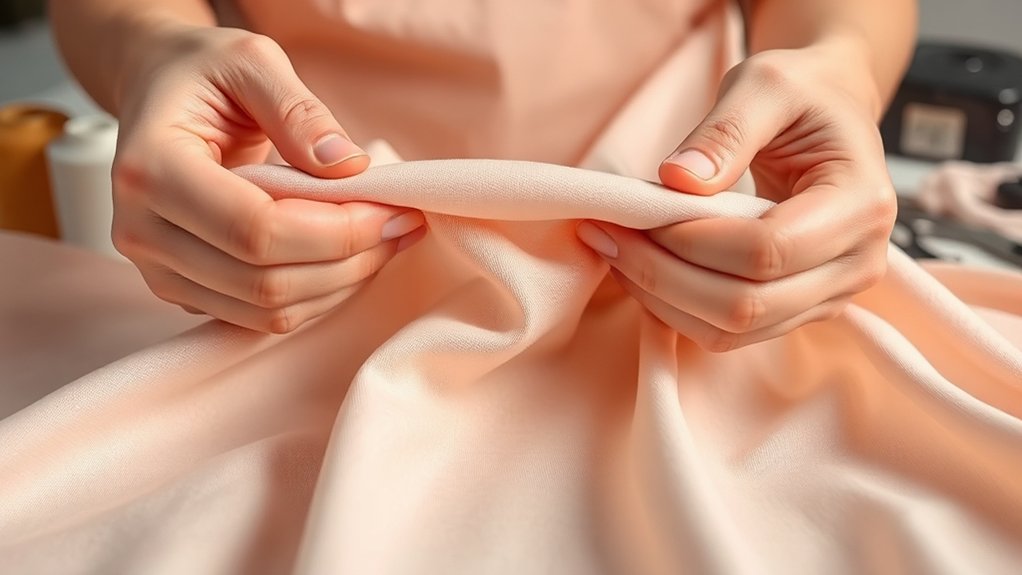
You’ll want to match stretch recovery to your project so the fabric snaps back and keeps its shape. Think about how much movement your item needs. Active pieces usually need more give than structured ones. When you choose the right stretch, you make the fabric work better and last longer.
Stretch Recovery
Stretch recovery matters because it tells you how well a fabric bounces back after being pulled. You should test it before you commit, because poor recovery can make seams look tired fast. Focus on stretch durability and use an elasticity comparison to see which option snaps back best.
- Pull a sample and release it.
- Watch for lingering waves or sagging.
- Compare how quickly it returns to shape.
- Choose the fabric that keeps its form after repeated tension.
If you need a crisp finish, pick a material with strong recovery and a smooth surface. If you want a softer drape, accept a little give, but don’t ignore collapse. Good recovery helps your project stay neat, hold its fit, and keep looking polished over time.
Project Movement Needs
The right stretch depends on how much your project needs to move in real use. If you’re making activewear, fitted apparel, or covers that must flex often, choose a fabric with higher fabric stretchability so it can bend, pull, and return without strain.
For decorative pieces or structured items, a lower-stretch option may hold shape better and still feel soft. Think about how the material will behave when sewn, worn, washed, or folded.
You’ll get better project versatility when you match stretch to motion instead of choosing the most elastic option by default. Test a sample by pulling it, sewing it, and checking recovery. If the fabric feels too rigid, your project may resist movement; if it’s too stretchy, it may lose support and precision.
Choose Soft Fabrics That Feel Comfortable
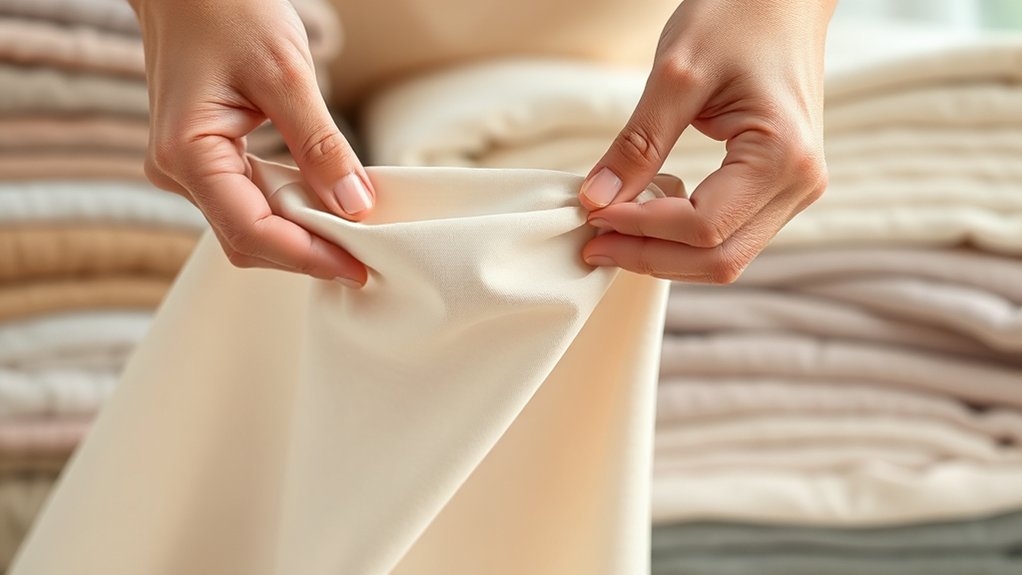
When you pick soft fabrics, make sure to feel the material first to check that it’s smooth and приятный against your skin. You’ll also want something breathable so you stay comfortable while wearing it—not just when you first put it on. A gentle stretch is a bonus because it helps the fabric move with you without feeling stiff or restrictive.
Fabric Hand Feel
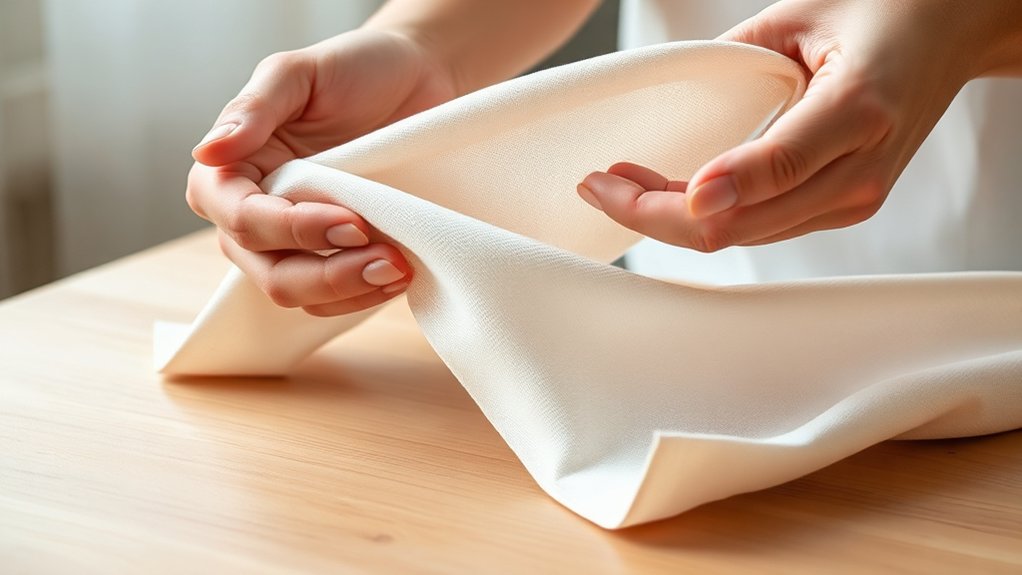
Soft fabrics should feel pleasant against your skin, with a smooth, gentle touch that makes them easy to wear all day. When you judge fabric texture, trust your fingers first. A good tactile experience feels balanced: soft, flexible, and never scratchy.
Stretchy material should move with you and return softly, not cling harshly. Try these checks:
- Rub the fabric between your thumb and forefinger.
- Bend it to see if it stays supple.
- Press it against your wrist for instant feedback.
- Compare several swatches side by side.
You’ll notice comfort quickly when the surface feels calm and consistent. Choose materials that invite repeated touch because you’ll enjoy wearing them longer.
Breathable Softness
Even the softest fabric can feel uncomfortable if it traps heat or moisture, so you’ll want materials that let air move through them. Look for breathable layers that help sweat escape and keep your skin dry during long wear.
Natural fibers often feel cooler, but some blends also offer soft textures without feeling stuffy. Hold the fabric up to light, and notice whether it seems open enough to circulate air.
If you can, test it against your skin for a few minutes to see whether it stays fresh and comfortable. You want softness that doesn’t smother you, especially in warm weather or active settings.
Choose fabrics that balance comfort with airflow, because that’s what keeps wear pleasant all day.
Gentle Stretch Quality
Breathable fabric is only part of the comfort equation; you also want a gentle stretch that moves with you without losing its soft feel. When you test material, notice whether it rebounds smoothly and doesn’t tug or cling. You should look for gentle elasticity that supports movement while keeping the surface plush.
Good fabric flexibility helps your clothes drape well, bend easily, and stay comfortable through long wear.
- Pull the fabric lightly.
- Release and watch it recover.
- Feel for softness against your skin.
- Choose blends that balance stretch and comfort.
If the material stays smooth, flexible, and easy to wear, you’ll enjoy better comfort all day.
Compare Cotton Blends, Modal, and Spandex for Comfort
When you compare cotton blends, modal, and spandex for comfort, each brings a different feel to the fabric: cotton blends offer a familiar, natural touch with added durability, modal feels smoother and drapes more fluidly, and spandex adds the stretch that helps clothing move with you.
You’ll notice cotton characteristics when you want breathability and a soft hand, though pure cotton can feel stiffer over time. Modal benefits include a silky surface and a cooler feel against your skin, which can make everyday pieces feel lighter.
Spandex features matter when you need flexibility, since even a small amount can make clothes hug your shape without feeling tight. The best choice often comes from blend advantages: cotton plus modal feels plush, while cotton plus spandex feels easier to wear.
Choose the mix that matches your comfort preference and how close you want the garment to sit.
Check Recovery Before You Buy
Before you buy, test how well the fabric bounces back after you stretch it. Pinch a section, pull gently, and watch whether it returns to shape quickly and evenly. Good recovery means your fabric won’t bag out at the elbows, knees, or seams as soon, helping fabric longevity.
Before you buy, stretch the fabric and see if it snaps back quickly and evenly.
- Stretch it once, then release it.
- Look for smooth, fast rebound.
- Check for ripples, dents, or loosened threads.
- Repeat on different spots, since some areas behave differently.
If the material stays distorted, skip it or expect faster wear. You can also twist the cloth lightly; strong recovery often feels springy, not limp. For better results, review the care label too, because smart maintenance tips can help stretchy fabrics keep their shape longer.
When you buy with recovery in mind, you choose a piece that looks fresh, moves with you, and holds up through regular wear.
Match Fabric Weight to Your Garment
Fabric weight should match what you’re making, because the same stretchy material can feel completely different in a tank top than it does in leggings or a jacket. For close-fitting tops, choose lighter weights that won’t feel bulky at seams or hems.
For leggings, dancewear, or swim layers, you’ll usually want a midweight knit that gives support without feeling stiff. If you’re sewing a cardigan, hoodie, or structured athleisure piece, reach for heavier fabric so it holds shape and layers well.
When you shop, check the weight classification, not just the fiber content. Retailers often list grams per square meter or ounces per yard, and that number helps you compare options during fabric sourcing.
A small difference in weight can change how the garment hangs and wears. Use your pattern as a guide, then match the fabric’s weight to the intended use. That way, you’ll avoid a garment that feels flimsy, saggy, or overly thick.
Test Drape, Breathability, and Opacity
Even the right weight won’t tell you everything, so test how the fabric drapes, breathes, and covers. Hold it against your body and watch how it falls. Good drape testing shows whether it skims, clings, or pools the way you want.
Then check breathability by wearing a swatch for a few minutes or placing it near your face and noticing airflow. Soft stretchy material should feel comfortable, not stuffy.
Next, do an opacity evaluation in bright light. Stretch the fabric over your hand, then over darker cloth, and see how much shows through.
- Drape it over a chair.
- Stretch it sideways and lengthwise.
- Hold it to a window.
- Move around in it.
These quick checks help you choose material that looks flattering, feels pleasant, and gives the coverage you expect without surprises in your finished garment.
Find Soft Stretchy Material That Lasts
To make sure your soft stretchy material holds up, check how it recovers after being pulled and whether the fibers resist pilling, sagging, or thinning over time. You can test fabric durability by stretching a sample repeatedly and watching whether it snaps back smoothly or stays misshapen.
Look for tightly spun yarns, quality blends, and finishes that support long wear without losing softness. Read product details for abrasion resistance, care instructions, and fiber content, since those clues often predict how well the material will age.
Choose fabrics that keep their feel after washing, especially if you’ll wear or use them often. Good maintenance tips matter too: wash gently, avoid harsh heat, and store items flat or neatly folded when possible.
If you buy online, compare reviews that mention long-term performance, not just initial comfort. When you focus on recovery, construction, and care, you’ll pick a stretchy fabric that stays dependable and comfortable much longer.
Avoid Fabrics That Bag or Sag Quickly
When you’re choosing a soft stretchy material, watch for signs that it’ll hold its shape instead of dropping or loosening after a few wears. You want fabric durability that keeps the garment looking neat, not tired. Check the weave, recovery, and fiber blend before you commit.
- Stretch the fabric and let go; it should snap back fast.
- Rub it lightly; weak fibers fuzz and thin quickly.
- Look for dense construction, which usually boosts wear resistance.
- Test drape on a hanger; if it sags now, it’ll likely sag later.
Avoid materials that feel overly limp or lose structure in your hand. You’ll save yourself from clothes that bag at the knees, elbows, or seat after minimal use. Instead, pick fabrics that feel resilient, springy, and stable so you can wear them often without constant adjustment. That way, you get softness and stretch without sacrificing shape.
Choose Soft Stretchy Material That Fits Your Budget
How do you balance softness, stretch, and price? Start by setting a clear budget before you shop, then compare fabrics by cost per yard and performance.
You can find budget-friendly options like cotton jersey, modal blends, and some bamboo knits that still feel smooth and move well. Check the fiber content, weight, and recovery, because cheaper fabric isn’t always a bargain if it pills or loses shape fast.
Budget-friendly fabrics like cotton jersey and modal blends can still feel smooth, stretch well, and wear beautifully.
Ask for swatches when possible, so you can judge hand feel and stretch before you commit. If you’re buying online, read reviews and look closely at product photos to spot thin or rough material.
Good material sourcing also helps you save. Buy from wholesalers, clearance sections, or local mills with overstock. When you choose wisely, you get comfort, durability, and value without overspending.
Frequently Asked Questions
How Do I Measure Fabric Stretch Percentage Accurately?
You measure fabric stretch percentage by marking a set length, usually 10 inches, then gently stretching the fabric until it resists. Measure the new length and calculate the increase against the original.
Use consistent stretch tests across fabric types, and repeat them several times for accuracy. Record the average because hand tension can vary.
If you’re testing knit or woven blends, keep the fabric flat and avoid distorting the grain.
Can Soft Stretchy Material Be Dyed at Home Safely?
Yes, you can dye soft stretchy material at home safely if you choose the right fabric dyeing method and follow safety precautions. You should test a small swatch first, use dyes made for your fabric type, and keep the temperature low to protect elasticity.
Wear gloves, work in a ventilated space, and rinse thoroughly. Don’t overheat or wring the material, or you could damage the stretch and softness.
What Needle Works Best for Sewing Stretchy Fabrics?
You’ll usually get the best results with a ballpoint or stretch needle because it slips between fibers instead of piercing them. About 80% of skipped stitches on knits come from the wrong needle choice.
Match your needle to fabric types: use a ballpoint for jersey and a stretch needle for spandex. Pair it with sewing techniques like a zigzag or stretch stitch, and you’ll keep seams smooth, flexible, and strong.
How Should I Wash Stretchy Fabric to Prevent Damage?
Wash stretchy fabric in cold water on a gentle cycle, and you’ll help prevent damage. Turn garments inside out, use mild detergent, and avoid bleach or fabric softeners that can weaken fibers.
For better fabric care, skip high heat. Air-dry flat or hang dry instead. These wash techniques reduce stretching, fading, and pilling.
If you’re handwashing, move the fabric gently and don’t wring it out.
Which Seams Work Best for Highly Elastic Materials?
Flatlock and overlock seams work best for highly elastic materials because you need stretch without popped stitches. In one test, fabrics with serged seams kept up to 40% more stretch recovery than basic straight seams.
You should choose seam types that move with the fabric, like coverstitch or zigzag, and keep stitch length short enough to hold but not so tight that you lose flexibility or cause puckering.
Conclusion
When you choose soft stretchy material, you’re really choosing how you want it to move with you, feel against your skin, and hold up over time. Trust your hands, test the drape, and check recovery before you buy.
The right fabric should feel easy, flattering, and dependable, not a little too “relaxed” after a few wears. When you balance comfort, performance, and price, you’ll find a match that quietly works as hard as you do.
Keep these tips in mind, and you’ll pick the perfect soft stretchy material that fits your lifestyle and keeps you comfortable all day long.