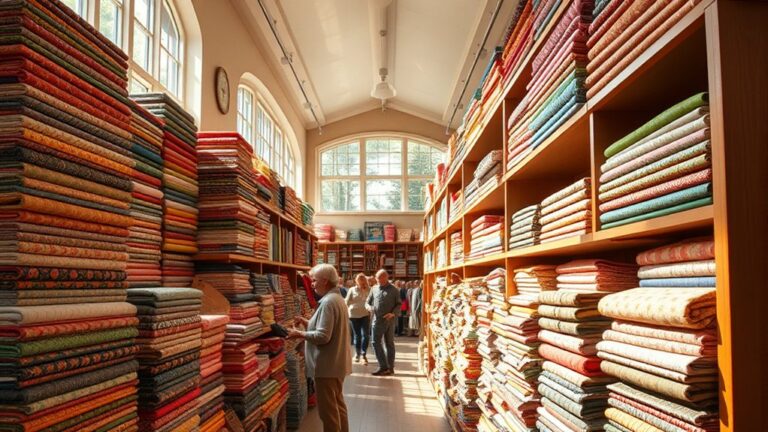
10 Fabric Mart Photos to Inspire Your Next Project
Finding the perfect fabric for your sewing project can feel overwhelming. You want something that looks great, feels right, and suits your skill level—but you’re not alone if you’ve ever struggled with making that choice. Many people find themselves stuck wondering which textures, colors, or prints will bring their vision to life.
These 10 Fabric Mart photos can help you plan your next sewing project with confidence. You’ll spot soft neutrals for shirts, relaxed pants, and tote bags, plus bold prints that make simple silhouettes pop.
Textured fabrics like jacquards and slubs add depth, while cozy knits and plush weaves suit cold-weather makes.
You can also study color pairings, home decor ideas, and fabric behavior so your next choice feels intentional, polished, and ready for more inspiration ahead.
Key Takeaways
- Look for soft neutral fabrics like cream, taupe, and warm gray to inspire versatile everyday sewing projects.
- Choose bold prints with clean silhouettes to make dresses, tops, and accessories stand out.
- Use textured fabrics such as jacquards, slubs, and quilted finishes for added depth and dimension.
- Explore cozy plush fabrics for winter sewing projects like jackets, loungewear, cushions, and throws.
- Study fabric photos for color, drape, and layering ideas before planning your next project.
Fabric Ideas in These Photos

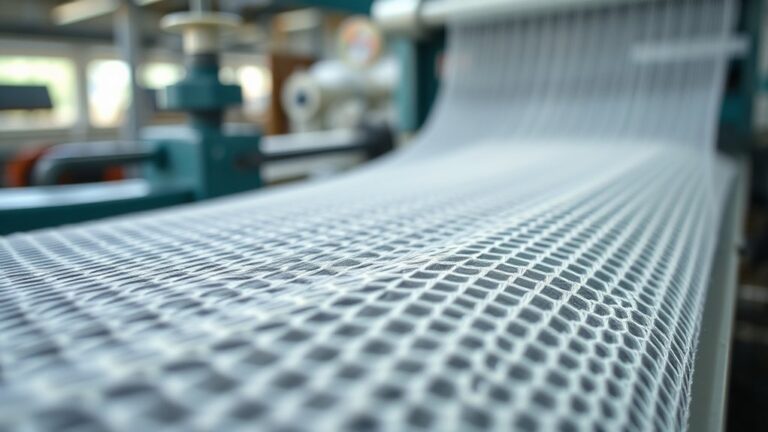
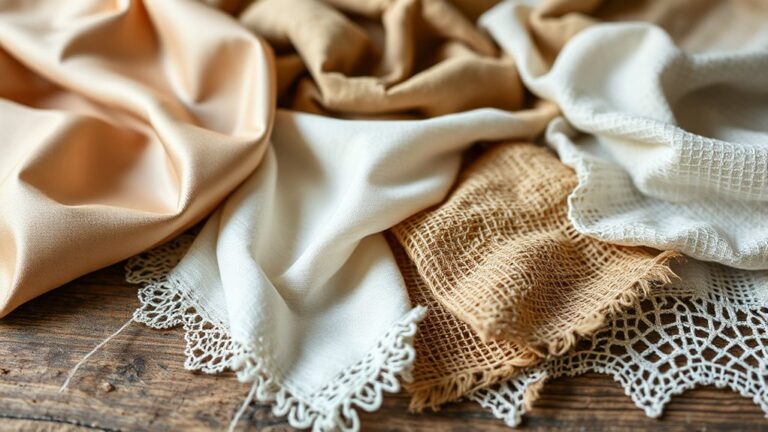
Looking closely at these photos, you can spot fabric ideas that range from soft cottons and airy linens to textured knits and rich upholstery materials. You can study each fabric type and imagine how it’ll behave in your hands, on your machine, and in finished garments or home accents.
Use the images for design inspiration, then pull color swatches that match your palette goals. Notice how fabric layering changes the mood of a piece, and how texture contrast adds depth without extra fuss.
If you enjoy print mixing, you can test bold combinations before you cut anything. The photos also help you plan sewing techniques, from clean seams to simple finishes, so your choices feel intentional.
As you compare options, keep fabric sourcing and sewing tools in mind, since the right supplies make your project planning smoother and your results more polished.
Soft Neutrals for Everyday Sewing

Soft neutrals make everyday sewing feel calm, versatile, and easy to mix across projects. You can reach for cream, taupe, blush, stone, and warm gray when you want pieces that stay useful season after season.
These shades fit soft fabric trends because they highlight texture, drape, and stitching without distracting from your design. In your stash, keep everyday sewing essentials like cotton sateen, linen blends, jersey, and lightweight twill in these tones.
You’ll find them ideal for shirts, relaxed pants, simple dresses, pillow covers, and tote bags. Neutrals also help you plan coordinated wardrobes since each piece can pair with what you already wear.
If you’re testing a new pattern, choose a muted fabric first so you can focus on fit and finish. With soft neutrals, you sew practical projects that feel refined, timeless, and easy to wear.
Bold Prints That Stand Out

Bold prints can turn a simple sewing project into the star of your wardrobe or home. You can use vibrant patterns to make a skirt, pillow, or tote feel fresh and confident. Look for eye-catching designs that balance bold colorways with striking contrasts, so your finished piece feels intentional, not busy.
Bold prints can transform a simple project into a standout piece with fresh, confident style.
If you want impact, choose graphic prints with energetic motifs and let the fabric do the talking.
- Pick statement styles that suit your pattern and keep the silhouette clean.
- Pair playful designs with simple finishes so the print stays front and center.
- Test scale before you cut, since large motifs can shift the whole look.
When you browse Fabric Mart photos, you’ll spot prints that spark ideas fast. Trust your eye, follow your style, and let bold fabric bring personality to every stitch.
Textured Fabrics With Extra Depth
Texture adds instant richness, turning plain fabric into something you can feel as well as see. When you investigate textured trends, you give your projects more personality without relying on loud prints.
You can mix fabric layers to create subtle shadows, then use tactile designs to guide the eye across the surface. Try pairing smooth and nubby materials for material contrasts that heighten surface interest.
In your depth investigation, look for dimensional textiles like jacquards, dobby weaves, slubs, and quilted finishes. These fabrics add movement and make simple shapes feel more intentional.
You’ll notice how each weave changes fabric sensations, from crisp definition to soft irregularity. Choose textures that support your design, not overpower it, and let the fabric do the visual work.
With the right choices, you can build dimension, refine your palette, and make every seam feel thoughtfully layered.
Cozy Fabrics for Cold-Weather Sewing
When you sew for cold weather, plush textures add instant warmth and a cozy feel. Plus, you can layer fabrics for extra comfort without making your project bulky. Soft weaves also help your winter pieces feel gentle, inviting, and easy to wear.
Plush Textures For Warmth
Sink into plush fabrics that bring instant warmth and comfort to cold-weather sewing projects. You’ll love how they add softness, depth, and a welcoming feel to every stitch. Use them for:
- plush cushions and textured blankets that invite touch
- cozy loungewear and winter garments that feel gentle against skin
- plush accessories, soft throws, and tactile homewares that brighten chilly rooms
When you choose these materials, you create warm layers without sacrificing style. Their rich pile and smooth drape help you finish pieces that feel inviting and practical. Try pairing them with simple patterns so the fabric’s texture stays center stage.
With the right plush selection, your next project can feel as comforting as it looks.
Layered Fabrics For Comfort
Layered fabrics bring extra comfort to cold-weather sewing by trapping warmth and creating a soft, cozy feel. You can build garments that feel snug without adding bulk by choosing smart fabric blends, like cotton with wool or rayon with fleece.
Use layering techniques to pair a smooth inner layer with a supportive middle layer and a durable outer layer. That way, you stay comfortable and keep your project easy to sew.
| Layer | Purpose | Best Use |
|---|---|---|
| Base | Comfort | Tops |
| Mid | Warmth | Vests |
| Outer | Protection | Coats |
| Finish | Fit | Cuffs |
When you plan each layer carefully, you’ll get cozy results that wear well and look polished.
Soft Weaves For Winter
Soft weaves make winter sewing feel easier because they add warmth, softness, and a more forgiving drape. You can choose soft textures that flatter jackets, scarves, and relaxed dresses while keeping winter warmth in focus.
For seasonal sewing, look for versatile fabrics that work well as cozy essentials and still support breathable layers.
- Pick knits or brushed wovens for gentle fabric drape.
- Use warm hues to brighten cold-weather outfits.
- Match texture with pattern shape so your seams stay neat.
When you plan your next project, let the fabric guide the design. You’ll get comfort, style, and practical wear from pieces that feel good all season.
Dressmaking Ideas From These Fabrics
You can use these fabrics to shape how a dress feels, fits, and moves. So, your fabric choice matters just as much as the design itself. Try pairing each print or weave with patterns that bring out its best qualities.
Whether you’re aiming for a structured silhouette or a soft, flowing look, it’s all about matching the fabric to the pattern. And don’t forget to pay attention to color and texture—they can take a simple dress and make it really stand out.
Fabric Choice Impact
The fabric you choose can completely change how a dress looks, moves, and feels, so the same pattern can create very different results from cotton, linen, silk, or rayon. You’ll notice the fabric mood shifts with drape, sheen, and weight, while texture influence shapes every seam. Use color psychology to guide project inspiration, especially when you’re comparing seasonal fabrics for warm or cool weather.
- Cotton gives crisp design aesthetics and easy crafting versatility.
- Linen offers breathable structure, strong fabric durability, and relaxed fabric trends.
- Silk or rayon adds fluid elegance, but you can also favor sustainable choices that suit your style.
When you test swatches, you’ll see how each choice changes movement, comfort, and finish before you cut.
Pattern Pairing Ideas
Because fabric and pattern work together, pairing the right dress design with the right textile can make your finished piece look intentional and polished. You can use pattern mixing to create fabric harmony when you match bold prints with simpler silhouettes. Aim for color balance so your dress doesn’t feel busy, and let design synergy guide every choice.
| Dress Style | Best Pairing |
|---|---|
| Wrap dress | Small floral or geometric print |
| Shirt dress | Stripe or plaid with clean lines |
| Fit-and-flare | Large print with balanced repeats |
This approach gives you style cohesion while adding visual interest and print diversity. Choose one dominant motif, then support it with a quieter companion. You’ll keep the look refined, confident, and easy to wear.
Color And Texture
Color and texture bring fabric to life, turning a simple dress into something with depth, movement, and personality. When you choose hues, think about color psychology: soft blues calm, reds energize, and earthy tones ground your design. Then balance the surface feel so the fabric supports your silhouette instead of fighting it.
- Pair matte cotton with a sheen lining for subtle texture contrast.
- Use rich velvet or tweed for structure, then add light trim to keep it fresh.
- Let printed fabrics guide your accents, so the colors echo without overwhelming.
You’ll create dresses that feel polished, modern, and wearable. By mixing tone and touch with intention, you turn fabric into a visual story that fits your style and your project.
Best Fabrics for Tops and Layers
When you’re choosing fabrics for tops and layers, start with materials that drape well, feel comfortable, and hold their shape through everyday wear. You’ll get great results from cotton blends, lightweight knits, and other breathable fabrics that move with you without feeling heavy.
Pay attention to fabric weights so you can match the cloth to your design: lighter options work for tees and camis, while slightly firmer knits suit cardigans or overshirts. Use smart layering techniques to build depth without bulk, and apply sewing tips like stabilizing shoulders or hemming with stretch-friendly stitches.
You can also think about color theory and pattern mixing when you combine pieces, since balanced prints and tones make outfits feel polished. Check fabric drape before you cut, and choose seasonal choices that keep you cool in summer and comfortable in cooler months, too.
Home Decor Projects From These Fabrics
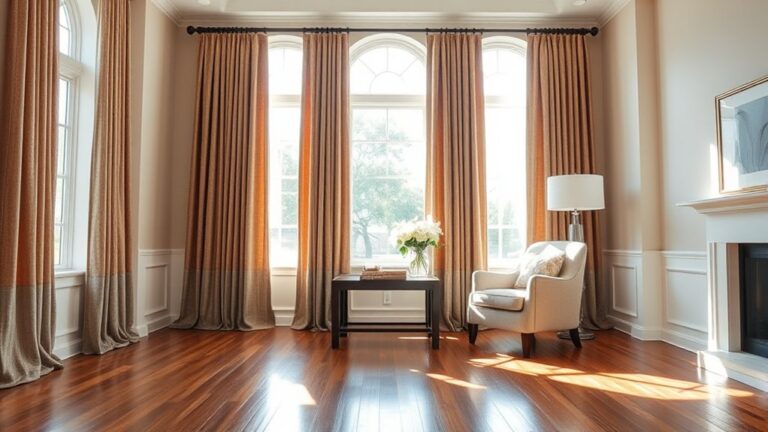
You can use these fabrics to create coordinated living spaces that feel pulled together and inviting. Why not try them in statement window treatments? They can instantly change a room’s mood.
And don’t stop there—add accent pillows and throws to bring in color, texture, and a polished finishing touch. It’s an easy way to make your space feel cozy and stylish all at once.
Coordinated Living Spaces
Coordinated living spaces start with fabrics that share a common style, color family, or pattern scale, so every room feels connected without looking repetitive. You can build coordinated color through pillows, throws, and upholstery that echo each other.
- Choose harmonious patterns that repeat softly across your sofa, chairs, and accent pieces.
- Mix stylish arrangements from curated collections to create cohesive design and balanced aesthetics.
- Use unified themes that support space optimization, design continuity, and visual flow.
When you layer these fabrics thoughtfully, you guide the eye naturally from room to room. Your home feels pulled together, yet each space still has its own personality. Keep the palette consistent, vary texture, and you’ll get a polished look that’s easy to live with every day.
Statement Window Treatments
Window treatments can be the boldest way to carry your fabric choices beyond pillows and upholstery. You can turn statement styles into focal points by pairing patterned drapery with solids or mixing fabric combinations that echo your room’s palette.
Use design inspirations from your favorite photos to shape window aesthetics that feel tailored, airy, or dramatic. Try treatment techniques like grommets, pleats, or layered panels to control light filtering while adding depth.
Fabric layering lets you balance color contrasts and soften harsh lines without losing impact. Choose durable textiles, then plan simple fabric maintenance so the look stays fresh.
When the season shifts, make seasonal updates with liners, tiebacks, or new panels, and keep your windows feeling current without a full redesign.
Accent Pillows And Throws
Accent pillows and throws are the quickest way to bring your favorite Fabric Mart photos to life, because they let you test bold prints, rich textures, and color accents without committing to a full-room makeover. You can mix fabrics across sofa, bed, or reading nook and still keep the look cohesive.
- Choose pillow shapes that echo your room’s style, like square, lumbar, or round.
- Match throw sizes to the furniture, so the drape looks intentional and polished.
- Layer patterns with solids to highlight one fabric without overwhelming the space.
When you repeat a color from your curtains or rug, your pillows and throws will tie everything together. Add fringe, piping, or quilting to make the project feel custom and finished.
Fabric Color Combinations That Work
When you pair fabrics well, you can make a room feel polished without making it feel stiff. Start with color theory: choose one dominant shade, then add a supporting tone and a small accent. This keeps your eye moving and prevents a busy look.
You’ll also get better results when you lean on seasonal palettes, since warm rusts, moss greens, and creamy neutrals feel grounded, while soft blues and pale linens feel lighter and fresher.
If you want contrast, combine a solid with a subtle pattern that repeats one of its colors. That link makes the mix feel intentional. You can also balance saturated fabrics with quieter ones so nothing overwhelms the space.
Think about texture, too; velvet, cotton, and woven blends can share the same palette while adding depth. When you choose colors with purpose, your fabrics work together and give your room a cohesive, inviting finish.
How to Turn These Fabrics Into Projects
Once you’ve chosen fabrics that work together, you can turn them into projects that feel polished and personal. Start by matching each fabric to a simple pattern that highlights its best feature, whether that’s drape, texture, or print.
Use fabric selection tips to decide which material should lead and which should support, so your design stays balanced and easy to sew.
- Pick a project with clear lines, like a tote, pillow, or skirt.
- Test your layout with swatches before you cut anything.
- Follow project planning strategies to map yardage, seams, and finishing details.
When you work this way, you’ll avoid guesswork and make every cut count. Keep your sewing goals realistic, then build from there.
You can mix bold and quiet fabrics, but let one element stay in charge. That approach helps your final piece look intentional, cohesive, and ready to use.
Frequently Asked Questions
Where Can I Buy These Fabrics Online?
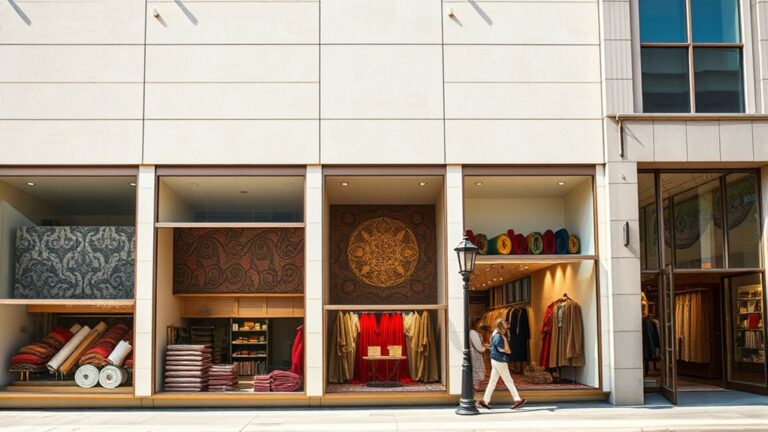
You can buy these fabrics online from fabric sourcing sites and trusted online retailers like Fabric Mart, Mood Fabrics, Joann, Etsy sellers, and Spoonflower. You’ll want to compare swatches, prices, fiber content, and shipping before you order.
If you’re after a specific print or texture, search by material type and use filters to narrow results. You can also check clearance sections for great deals and unique finds.
Are These Fabrics Suitable for Beginners?
Yes, you can absolutely start with these fabrics if you choose wisely. Like sunlight filtering through a soft curtain, simple cottons, knits, and linens can feel welcoming and manageable.
You’ll want to follow beginner tips like testing stitch settings and washing yardage first. Careful fabric selection matters too, since stable, medium-weight fabrics are easier to cut and sew.
Start small, and you’ll build confidence fast with each project.
How Should I Care for Delicate Printed Fabrics?
You should treat delicate printed fabrics gently: hand wash in cool water with mild detergent, then air dry flat out of direct sun. For fabric washing, turn pieces inside out and avoid wringing or harsh bleach.
For fabric storage, fold them with acid-free tissue, keep them clean and dry, and store away from heat and light. If you must iron, use low heat and press from the wrong side only.
What Tools Are Best for Sewing Stretchy Fabrics?
You’ll want the right tools first: a ballpoint or stretch needle, polyester thread, walking foot, and a stretch stitch or serger. Your fabric types decide everything. Knit jerseys, spandex, and ribbing each need different sewing techniques, or your seams may pop.
Keep clips handy too; pins can distort. Test stitches on scraps before you start, and you’ll get smooth, resilient seams every time.
How Do I Choose the Right Fabric Weight?
You choose the right fabric weight by matching it to your project suitability and desired drape. For shirts, you’ll usually want lightweight fabrics; for jackets or bags, pick heavier ones.
Check fabric types like cotton, linen, denim, or knit, and feel how much body each has. If you’re unsure, hold the fabric up to light and compare samples.
Heavier isn’t always better, so trust your pattern and use.
Conclusion
These fabric mart photos show you more than pretty bolts and patterns. They’re seeds for your next creation.
When you choose soft neutrals, bold prints, or cozy textures, you’re really picking the mood of your finished piece. Let each fabric symbolize possibility, like a blank page waiting for your hand.
Whether you sew a top, pillow, or quilt, you can turn simple material into something that reflects your style and warms your home. These fabric mart photos inspire endless creativity for your projects.