Fabric and Upholstery: Choose the Right Material
Choosing the perfect fabric and upholstery can feel overwhelming. You want something that looks great but also stands up to your lifestyle. If you have kids, pets, or a busy home, you’re not alone in struggling to find materials that are both durable and stylish.
Choose upholstery that fits how you live, not just how it looks. If you have kids, pets, or lots of guests, pick durable, stain-resistant fabrics like microfiber or treated polyester blends.
If you want a softer, warmer feel, natural fibers can be a good fit, but they may need more care. Test comfort, color, and texture in your space, and check how easy it is to clean.
The right choice gets clearer as you go.
Key Takeaways
- Match upholstery to your lifestyle by considering spills, pets, kids, and how often the furniture is used.
- Choose natural fabrics for softness and breathability, or synthetic fabrics for durability and easier cleaning.
- Prioritize stain resistance, dense weaves, and performance fabrics for busy households and long-term wear.
- Test comfort, texture, color, and sheen in your room’s lighting before deciding.
- Balance budget and maintenance needs, and decide whether custom or ready-made upholstery best fits your space.
Choose Upholstery for Your Lifestyle

What kind of fabric fits your day-to-day life best? You should start by matching upholstery to your routines, not just your taste. If you have kids, pets, or frequent guests, choose materials that handle spills, scratches, and constant use without making you worry.
When you value a calm, low-effort home, prioritize easy fabric maintenance and surfaces you can clean quickly.
For a calm, low-effort home, choose fabrics that are easy to maintain and quick to clean.
Think about how you actually live each day. If you entertain often, pick upholstery that keeps its shape and still looks polished after repeated use.
If you prefer a quieter space, choose textures and colors that support your lifestyle preferences and make rooms feel comfortable. You don’t need the fanciest option; you need one that works with your habits, cleanup time, and comfort level.
The right choice should make your furniture feel practical, inviting, and easy to enjoy every day.
Natural vs. Synthetic Upholstery Fabrics

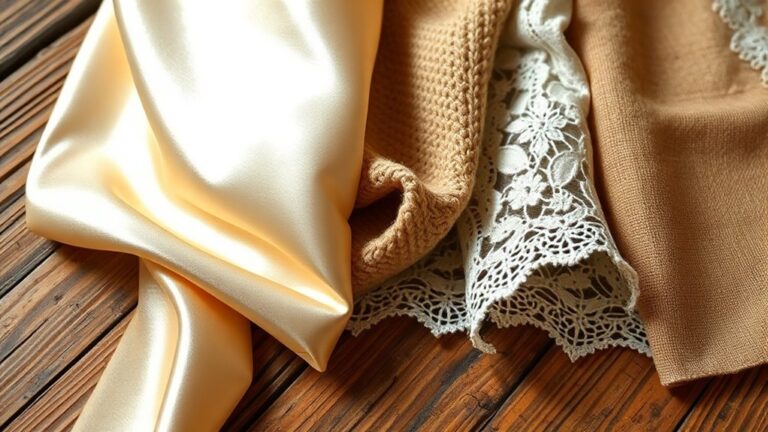
When you choose upholstery, natural fibers can bring a softer feel, rich texture, and a more breathable surface. They tend to make your space feel cozy and inviting. On the other hand, synthetic fabrics often offer stronger durability, easier cleaning, and better resistance to everyday wear. So, if you have kids or pets, synthetics might be a smarter choice. It really depends on your lifestyle and how you use your space. Take a moment to weigh these benefits to find the best fit for you.
Natural Fiber Benefits
Natural fibers bring a softer, more breathable feel to upholstery, which can make your furniture more comfortable in everyday use. You’ll also appreciate how these materials support natural fiber sustainability, especially when you choose organic fabric options for sofas, chairs, and cushions.
They often feel warmer in winter and cooler in summer, helping your space feel inviting year-round.
- You get a richer, more tactile surface that feels pleasant against skin.
- You can choose from linen, cotton, wool, and other renewable sources.
- You help create a healthier, lower-impact home with thoughtful material choices.
When you want comfort and character, natural upholstery gives you both without sacrificing style.
Synthetic Fabric Durability
If you need upholstery that stands up to heavy daily use, synthetic fabrics often bring the durability natural materials can’t always match. You’ll usually get better resistance to stains, fading, and abrasion from synthetic fibers like polyester, nylon, and acrylic. That means your sofa, chair, or ottoman can handle kids, pets, and constant traffic with less worry.
You can also find options with strong outdoor performance, so they won’t break down as quickly in sunlight or moisture. While natural fabrics may feel softer or age beautifully, synthetics often ask less of you in upkeep.
If you want a practical choice that holds its shape and color longer, synthetic upholstery can give you lasting value without sacrificing style.
Which Fabrics Hold Up Best?
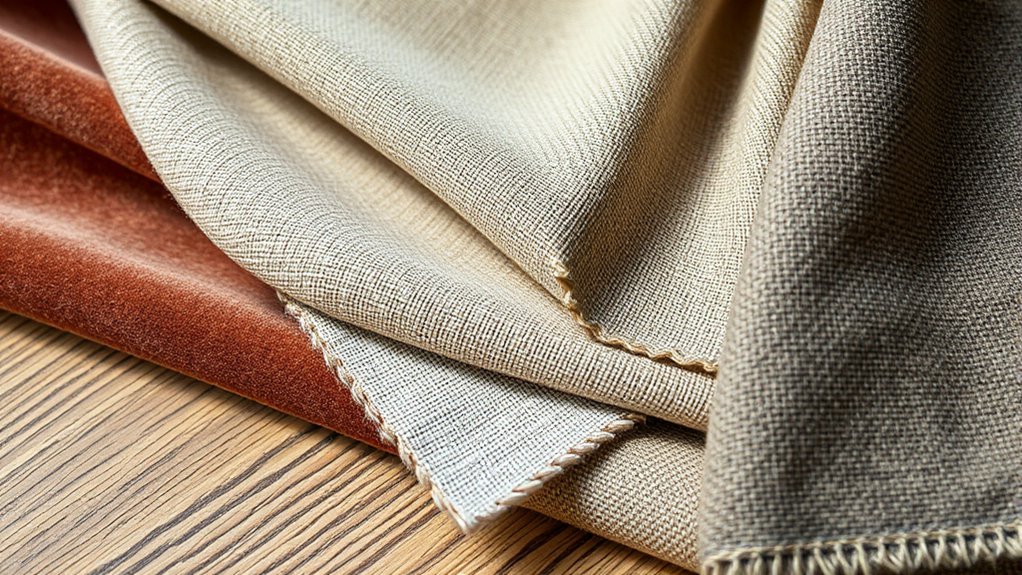
When you want upholstery that lasts, go for durable weaves and strong fibers like tightly woven polyester blends, microfiber, or performance fabrics. These materials are built to take a beating.
You’ll also want stain-resistant options that repel spills and clean up easily, especially if you have a busy household. That way, your furniture stays looking good without a ton of effort.
Durable Weaves and Fibers
Durable upholstery starts with the weave and the fiber, because those two factors largely determine how well a fabric resists daily wear. When you compare options, look for tight woven patterns that won’t snag easily and strong fiber blends that balance softness with strength.
Cotton-polyester mixes can add resilience, while solution-dyed synthetics often keep their structure through heavy use. You’ll also find that textured weaves hide minor abrasion better than smooth ones.
- Choose dense weaves for better shape retention.
- Prefer fiber blends for comfort and endurance.
- Test rub counts to gauge long-term performance.
If you want furniture that lasts, focus on construction first, then feel. The right fabric should support your lifestyle without demanding constant replacement.
Stain-Resistant Fabric Choices
So which fabrics actually stand up to spills and everyday messes? You’ll usually do best with performance fabrics, microfiber, treated polyester, and solution-dyed acrylic. These stain resistant options repel moisture, wipe clean easily, and resist fading, so they’re smart for busy homes, kids, and pets.
If you want a softer feel, look for tightly woven blends with protective finishes; they often handle dirt better than loose natural fibers. Cotton and linen can work, but you’ll need more care because they absorb stains faster.
Always check the cleaning code before you buy, and test a hidden spot if possible. When you choose the right fabric, you cut stress, save time, and keep your furniture looking fresh longer.
Compare Comfort, Texture, and Appearance
Comfort, texture, and appearance all shape how a fabric works in your space, but they each affect the room differently. You should test comfort levels first, because a sofa or chair needs to feel right during daily use.
Then check texture variations, since a smooth weave, a nubby surface, or a plush pile changes both touch and style. Finally, look at appearance under your room’s lighting, because color and sheen can shift throughout the day.
- Comfort guides how long you’ll want to sit.
- Texture adds depth and can soften or sharpen a design.
- Appearance ties the fabric to your walls, wood tones, and decor.
When you compare these three together, you make a smarter choice. You won’t just pick a fabric that looks good; you’ll choose one that feels inviting and suits the room’s mood.
Which Fabrics Resist Fading and Wear?
Fabrics that resist fading and wear usually combine strong fibers, tight weaves, and colorfast finishes. You’ll get the best results from solution-dyed acrylic, polyester blends, microfiber, and some performance linens, because they hold color well and stand up to daily use.
If you want fade resistant options, look for UV-tested materials, especially for rooms with bright windows or frequent sunlight. For wear resistant choices, choose fabrics with a high rub count, since that signal means the surface can handle repeated sitting, sliding, and abrasion.
You should also check the weave: tighter constructions generally last longer than loose, open ones. Darker shades can still fade, so don’t rely on color alone. Ask for product specs, compare warranties, and read cleaning instructions before you buy.
When you balance strength, finish, and weave, you’ll choose upholstery that keeps its look longer and performs better in busy spaces.
What Upholstery Works Best for Pets and Kids?
For homes with pets and kids, you’ll want upholstery that can handle messes, scratches, and constant use without looking worn out too quickly. Choose tightly woven fabrics such as microfiber, performance velvet, or synthetic blends. They resist claw snags and hold their shape.
If you prefer leather, go for finished or protected leather. It can stand up to daily activity and still look polished. When you’re comparing pet friendly options, focus on texture and durability instead of delicate weaves.
For kid safe materials, pick fabrics that feel soft, stay comfortable, and don’t shed or pill easily.
- Look for tight weaves that limit snagging.
- Choose stain-resistant finishes for everyday accidents.
- Pick sturdy frames and cushions that keep their form.
You’ll get better results when your upholstery balances comfort, toughness, and style. That way, your sofa can survive playtime, naps, and a busy household.
How Easy Is It to Clean?
When you pick upholstery, stain resistance can really save you a bunch of time and stress. You’ll also want to check out which cleaning methods work best for the fabric—whether it’s just simple spot-cleaning or covers you can toss in the washing machine. The easier it is to clean, the more practical your upholstery will be for everyday life.
Stain Resistance
Stain resistance can make a big difference in how much effort you’ll spend keeping upholstery looking fresh. When you choose a tighter weave or a protective fabric treatment, spills are less likely to soak in fast. So, you get more time to act.
You should also think about your routine and the room’s use. In busy homes, stain-resistant upholstery helps you avoid constant worry and preserves color longer. Follow these maintenance tips:
- Pick materials that repel common spills.
- Match durability to traffic and lifestyle.
- Review care labels before you buy.
Better stain resistance doesn’t mean invincible fabric, but it does give you a practical buffer against everyday messes. That small advantage can save you stress and help your furniture keep its appeal longer.
Cleaning Methods
How easy a fabric is to clean can matter just as much as how it looks. When you choose upholstery, you should ask how it handles spills, dust, and daily wear. Some fabrics need only a quick vacuum and spot clean, while others need special cleaning techniques or professional care.
If you have kids or pets, pick materials that tolerate frequent wiping and won’t trap dirt. Removable covers make your life easier, and care labels tell you which cleaners are safe. You can also follow simple maintenance tips, like blotting stains fast and rotating cushions, to keep fabric fresh longer.
The easier the fabric is to maintain, the less time you’ll spend worrying and the more you’ll enjoy the furniture.
How Do Weave and Pattern Change the Look?
Even the same fabric can look entirely different depending on its weave and pattern. When you compare weave types, you’ll notice how tightly or loosely the threads sit. That changes texture, sheen, and strength. A plain weave feels crisp and simple, while a twill can add diagonal movement and a softer drape.
The pattern impact matters too, because small prints calm a room, bold motifs energize it, and subtle textures add depth without shouting.
- Choose tight weaves if you want a clean, tailored look.
- Pick textured weaves when you want warmth and visual richness.
- Use pattern to guide scale, so the fabric matches your furniture’s size.
You can make a sofa feel modern, classic, or playful just by changing these details. Pay attention to how the fabric reads from far away and up close, since that’s how it’ll shape your room’s mood.
What Should You Spend on Upholstery?
Once you’ve narrowed down the look you want, the next question is price, because upholstery costs can vary a lot based on fabric, labor, and how much wear the piece will take. You should set budget considerations before you shop, so you can compare options without overspending.
A lower price may work for a rarely used chair, but a sofa that gets daily use needs stronger material quality to hold up over time. Think about the room’s traffic, sunlight, and whether pets or kids will stress the fabric.
When you spend more on durable cloth, you often save money later by avoiding early replacement. Don’t focus on the upfront number alone; weigh comfort, durability, and maintenance. Ask how the upholstery will age, clean, and resist stains.
If you match your spending to use, you’ll choose smarter and get better long-term value.
Custom or Ready-Made Upholstery?
Now that you know your budget, the next step is deciding whether to go custom or choose ready-made upholstery. Custom work gives you a custom fit, lets you pick every detail, and can solve tricky sizing or style problems.
Ready-made pieces cost less, arrive faster, and work well when you need a practical update without waiting. Your choice depends on budget considerations, how often you’ll use the furniture, and how closely the piece must match your room.
- Choose custom if your furniture has unusual dimensions or you want a specific look.
- Choose ready-made if you need speed, savings, and easy replacement.
- Compare durability, fabric options, and maintenance before you decide.
If you value long-term comfort and a tailored finish, custom may justify the price. If you want quick results and flexibility, ready-made can make more sense.
Frequently Asked Questions
Can Upholstery Fabric Affect Indoor Air Quality?
Yes, upholstery fabric can affect indoor air quality. You may notice new furniture releasing volatile compounds, especially when synthetic fibers or foam are involved. Certain fabric treatments can also off-gas chemicals that linger in your home.
To reduce exposure, you should choose low-emission materials, ask about certifications, and air out new pieces before use. When you pick safer fabrics, you help keep your indoor environment cleaner and healthier overall.
How Do I Test Fabric Samples at Home?
You can test fabric samples at home by checking them in your room’s light, then comparing them against your walls, flooring, and furniture for color matching. Rub each swatch to feel wear, drape, and texture contrast.
Spill a little water on a hidden edge to see how it reacts. Hold samples near pets and kids, too. Finally, leave them out for a day and watch how the color shifts.
What’s the Best Upholstery for Humid Climates?
For humid climates, you’ll do best with water-resistant options like performance polyester, acrylic, or treated outdoor fabrics. You should also choose breathable materials, such as cotton blends or linen-look weaves, so moisture doesn’t linger.
Pick plush, porous pieces poorly, because they can trap dampness and invite mildew. Instead, favor smooth, tightly woven upholstery that dries quickly, resists stains, and stays fresher longer in warm, wet weather.
Does Upholstery Fabric Shrink Over Time?
Yes, upholstery fabric can shrink over time, especially if you clean it with heat or moisture. You can reduce that risk with proper fabric care and shrink prevention steps. Always follow the manufacturer’s label, avoid hot water, and let cushions dry naturally.
If you vacuum regularly and keep fabrics out of direct sunlight, you’ll help them stay stable, fit well, and look good for longer.
Can I Mix Different Upholstery Materials in One Room?
Yes, you can mix different upholstery materials in one room, and 78% of designers say it adds depth. You’ll create a richer look by pairing leather, linen, velvet, or woven fabrics with care.
Focus on color coordination so every piece feels connected, and watch texture balance so the room doesn’t feel chaotic. You can repeat one accent color or finish across pieces to tie everything together beautifully.
Conclusion
When you choose upholstery, you’re really choosing how your home will live day to day. Many people assume natural fabrics are always better, but that theory only holds when comfort matters more than heavy use.
If you need durability, easy cleaning, and fade resistance, synthetics often win. You should weigh feel, upkeep, and budget together because the right fabric isn’t the most expensive one.
It’s the one that fits your lifestyle best, so always consider fabric and upholstery when making your choice.