What Is Recycled Fabric?
If you’re trying to make more eco-friendly choices but feel overwhelmed by all the options, you’re not alone. Many people struggle to find sustainable products that actually make a difference without sacrificing quality or style.
That’s why understanding recycled fabric can be a game-changer for your wardrobe and home.
Recycled fabric is material you can use again after it’s been reprocessed from old clothes, textile scraps, plastic bottles, or industrial waste. You’ll find it in clothing, accessories, and home goods because it helps reduce landfill waste and lowers demand for virgin resources.
Makers sort, clean, and break down the materials, then spin the fibers into new yarn and cloth.
It’s a smart sustainable choice, and there’s more to learn about how it’s made and used.
Key Takeaways
- Recycled fabric is made by reprocessing old textiles, plastic bottles, or industrial waste into new usable material. It gives discarded materials a second life and reduces reliance on virgin resources.
- Common sources include post-consumer clothing and pre-consumer fabric scraps from factories. Manufacturing involves sorting, cleaning, breaking down, and spinning recovered materials into new yarn or cloth.
- Recycled fabric usually has a smaller environmental footprint, though quality and durability can vary.
What Is Recycled Fabric

Recycled fabric is material made by reprocessing old textiles, plastic bottles, industrial waste, or other discarded fibers into new cloth. You can think of it as a smarter way to give existing materials a second life.
Instead of relying only on virgin resources, you choose fabric that helps reduce waste and supports sustainability trends in the fashion industry. It can feel like regular fabric, but it often carries a lower environmental impact and a stronger story behind it.
You’ll see it in clothing, accessories, and home goods, where fashion innovation meets practical responsibility. If you care about style and impact, recycled fabric gives you a way to wear something modern without ignoring the planet.
It’s not just a label; it’s a signal that you’re backing materials designed for a more circular future, where less gets thrown away and more gets valued again.
How Recycled Fabric Is Made
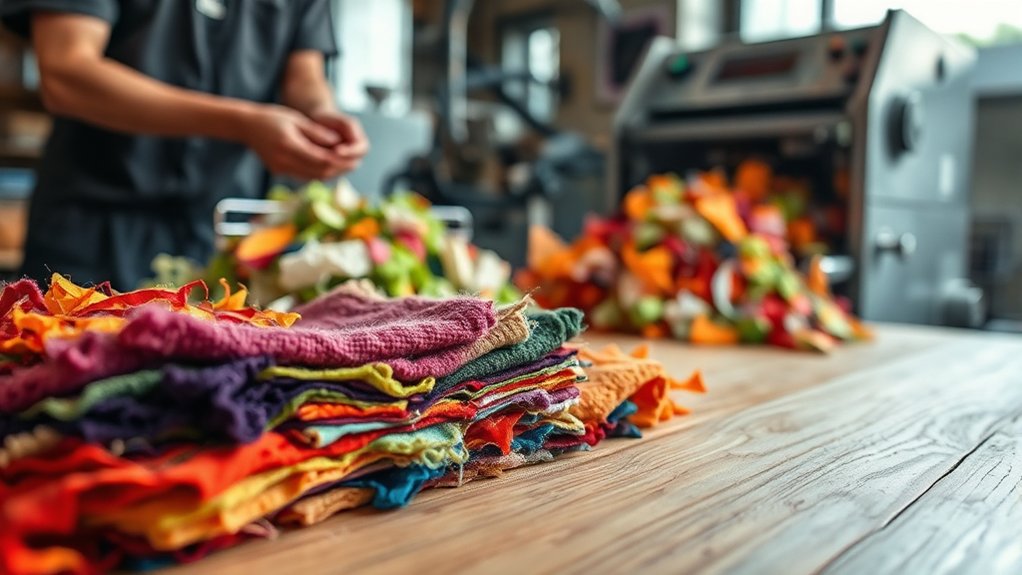
To make recycled fabric, manufacturers collect discarded textiles, plastic bottles, or industrial scraps. Then they sort, clean, and break them down into usable fibers. You’ll see them shred, melt, or chemically process materials depending on the fiber type and the quality they need.
Next, they spin those fibers into yarn and weave or knit them into new cloth. This process delivers clear sustainability benefits because it reduces waste, conserves resources, and can lower demand for virgin inputs.
Sorting removes contaminants and improves fiber consistency. Cleaning helps eliminate dyes, residues, and embedded debris. Reprocessing converts waste into spinnable material. Finishing gives the fabric strength, texture, and usability.
You should also know that production challenges can affect cost, quality, and scalability. Mixed materials, color variation, and fiber damage often complicate manufacturing. So, producers must balance efficiency with performance.
Common Sources of Recycled Fabric
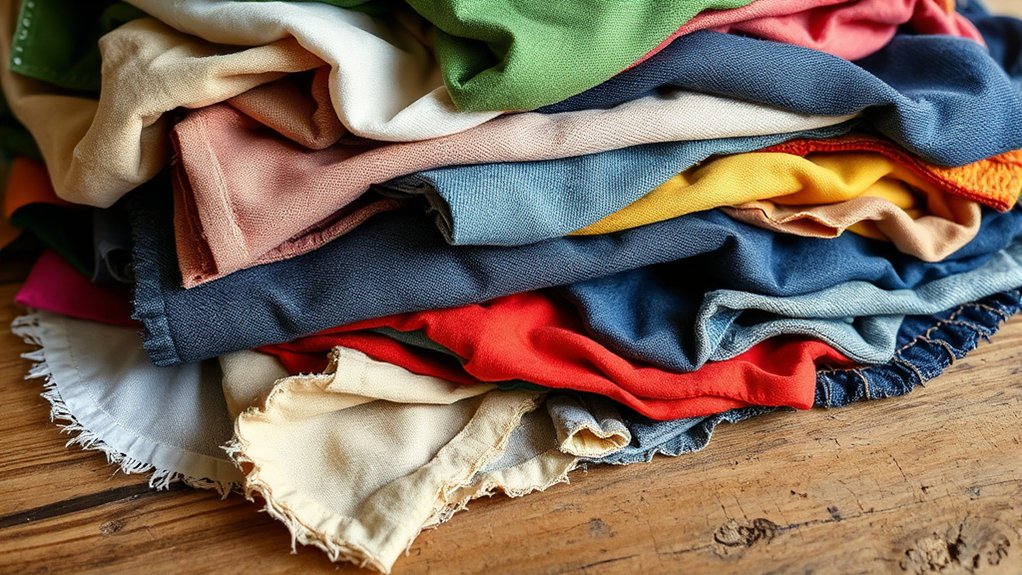
You’ll often find recycled fabric made from post-consumer textile waste, like old clothes and worn-out linens. It can also come from pre-consumer fabric scraps left over during manufacturing. So, these sources give new life to material that might otherwise end up in landfills.
Post-Consumer Textile Waste
Post-consumer textile waste is the fabric you and I discard after use, and it’s one of the biggest sources of recycled fabric. You help keep these materials in circulation when you donate, sort, and reuse worn clothing instead of sending it straight to landfill.
Through sustainable practices, you support fashion innovation that turns old garments into new yarns, insulation, or stuffing. Consumer awareness matters because your choices shape demand for eco-friendly materials and better recycling systems.
- Worn shirts, jeans, and dresses
- Household linens and towels
- Shoes, belts, and accessories
- Damaged garments beyond repair
Pre-Consumer Fabric Scraps
Even before fabric reaches a store rack, you can find valuable material in the cutting room: pre-consumer fabric scraps come from textile mills, garment factories, and production offcuts that never became finished products. You’ll often see these leftovers sorted by color, fiber, and quality so manufacturers can reuse them quickly.
When you choose products made from these scraps, you support sustainable practices that cut waste before it ever hits landfills. Brands also turn this material into new yarns, insulation, stuffing, and accessories, showing how design innovations can give scrap a second life.
Because the fibers are usually cleaner and more uniform than post-consumer waste, they’re easier to process, which helps you get durable recycled fabric with less environmental impact and fewer production losses overall.
Recycled Fabric vs. Virgin Fabric
When you compare recycled fabric with virgin fabric, you’ll notice they come from very different material sources. One reuses existing textiles or waste, while the other relies on newly made fibers.
Because of that, recycled fabric usually uses fewer raw resources and can help cut down on landfill waste. Plus, you can generally expect recycled options to have a smaller environmental footprint. That said, the exact impact really depends on how they’re made.
Material Source Differences
Recycled fabric comes from existing textiles, plastic bottles, or other recovered materials, while virgin fabric starts as newly extracted raw material. When you compare them, you see different sourcing methods shape the whole supply chain, from collection to processing.
Recycled inputs depend on what’s already been used, sorted, and reworked, so you’re extending the life of materials already in circulation. Virgin fabric, by contrast, relies on fresh resources that manufacturers convert into fibers. That difference affects material sustainability because your choice determines whether you’re prioritizing recovery or new extraction.
- Recycled fabric begins with post-consumer or pre-consumer waste
- Virgin fabric begins with newly harvested or mined inputs
- Recycled sourcing often needs sorting and cleanup
- Virgin sourcing usually follows direct industrial extraction
Environmental Impact Comparison
Although both fabric types require energy to produce, recycled fabric usually has a lower environmental footprint because you’re reusing existing materials instead of extracting new raw resources. You also help reduce landfill waste, water use, and the pollution tied to farming, mining, or petroleum processing.
Virgin fabric often demands more chemicals and more carbon emissions before it reaches your hands. Recycled options can still vary in impact, but they usually support sustainable practices by extending material life and lowering demand for fresh inputs.
When brands invest in eco friendly innovations, you’ll often see cleaner recycling systems, better sorting, and improved fiber recovery. That means you can choose textiles that protect resources without sacrificing everyday function or style.
Benefits of Recycled Fabric
Recycled fabric offers a practical way to cut waste while still meeting everyday textile needs. You gain sustainability benefits because you help keep usable material out of landfills and reduce demand for virgin resources.
That choice can also lower energy use and water consumption across the supply chain, making your purchases more responsible without sacrificing function. You may notice economic advantages too, since recycled inputs can support efficient production and create value from discarded goods.
Beyond that, you’re backing a circular approach that keeps materials in use longer and encourages smarter consumption.
- You reduce textile waste.
- You support lower resource extraction.
- You encourage more efficient manufacturing.
- You help build a circular economy.
Common Types of Recycled Fabric
Once you know why recycled fabric matters, it’s easier to see the range of materials that fall under this label. You’ll often encounter recycled polyester, which comes from post-consumer plastic bottles or discarded garments and keeps synthetic waste in circulation longer.
Recycled cotton is another common option. Makers shred old denim, tees, or factory scraps and spin the fibers into new yarn. You may also find recycled wool, nylon, and blended fabrics, each offering different textures and performance traits.
Recycled cotton turns old denim and tees into new yarn, while wool, nylon, and blends add fresh performance.
Some textiles use mechanical recycling, while others rely on chemical processes to restore fibers more fully. When you compare these types, you’ll notice that each one supports sustainability benefits in a different way, from lowering landfill pressure to reducing demand for virgin resources.
They also fuel fashion innovation because designers can experiment with familiar fibers in smarter, lower-impact forms.
Common Uses for Recycled Fabric
From everyday clothing to upholstery, recycled fabric shows up in more places than you might expect. You can wear it, sit on it, carry it, and even use it at work. In sustainable fashion, designers turn old fibers into shirts, denim, jackets, and activewear that feel modern while reducing demand for virgin materials.
You’ll also see eco-friendly textiles in home goods, where they cover sofas, make curtains, and add texture to cushions and rugs.
- Apparel: tees, denim, knitwear, outerwear
- Home décor: upholstery, drapes, bedding
- Accessories: tote bags, wallets, hats
- Industrial goods: insulation, cleaning cloths, padding
When you choose these products, you support a circular system that keeps materials in use longer. That means you can build a wardrobe and home that reflect your values without sacrificing style, function, or everyday practicality.
Limits of Recycled Fabric
When you use recycled fabric, you might notice that the quality can change from one batch to another. It’s just how it is with recycled materials. Plus, the recycling process itself has its limits—some fibers break down too much to be reused effectively. So, it’s a good idea to check each material carefully before relying on it for your project.
Material Quality Variations
Recycled fabric can vary widely in quality, and that inconsistency is one of its main limitations. When you shop, you may notice shifts in fabric durability, texture differences, and color consistency that affect how the material feels and performs. Strong production standards help, but they don’t always eliminate uneven wear resistance or surprises after washing. You should check care instructions carefully since some blends need gentler handling than others.
Your expectations may change with sourcing ethics and supplier practices. Market trends can make quality improvements uneven across batches. Consumer perceptions often depend on touch, drape, and finish. Pricing variations usually reflect sorting, processing, and inspection levels.
Recycling Process Limits
Even with better sorting and processing methods, recycled fabric still faces clear recycling limits. You can’t endlessly reuse fibers because each cycle shortens length, weakens strength, and lowers performance.
Blended textiles create recycling challenges since cotton, polyester, and elastane often need different treatments. If you choose recycled fabric, you should know that contamination from dyes, coatings, and trims can also block efficient recovery.
Technological innovations help, but they don’t erase every barrier. Mechanical recycling usually downgrades fiber quality, while chemical recycling can demand high energy and careful separation.
That means you may still need virgin fibers to reach durability targets. Understanding these limits helps you set realistic expectations, compare products honestly, and support better collection systems that make future recycling more effective.
How to Spot Quality Recycled Fabric
To spot quality recycled fabric, start by checking its fiber content, texture, and finish. Good recycled material should feel consistent, hold its shape, and show minimal pilling, uneven weaving, or weak seams. You can also compare the weave density and stretch recovery since these reveal whether the fabric will perform well in daily use.
Look for clear labels that name recycled fibers and percentages. Ask about durability testing to see how the fabric handles wear. Check fabric certifications that verify recycled claims and processing standards. Feel for smooth hand, even dyeing, and stable stitching.
When you inspect samples, trust both touch and documentation. High-quality recycled fabric won’t just look neat; it’ll resist fraying, keep color, and recover after bending. If a supplier can’t explain the source, testing, or certification, you should question the material’s value before you buy.
The Future of Recycled Fabric in Fashion
As fashion faces pressure to cut waste and lower emissions, recycled fabric is set to play a much bigger role in what you wear and how it’s made. You’ll see sustainable innovation push brands to turn bottles, scraps, and old garments into new textiles that feel better and last longer.
As consumer awareness grows, your choices will steer fashion trends and raise market demand for cleaner materials. That shift also increases brand responsibility, since you’ll expect honest labels and real eco friendly practices.
Your choices will steer fashion trends and push brands toward cleaner materials and honest eco friendly practices.
Designers still face design challenges, but better recycling technology can improve texture, color, and durability. In a circular economy, your clothes won’t end up as waste as quickly, and industry collaboration will help keep fibers in use longer.
If you support recycled fabric now, you help shape a fashion system that values smart design, lower impact, and future-ready style.
Frequently Asked Questions
Does Recycled Fabric Always Contain Post-Consumer Materials?
No, recycled fabric doesn’t always contain post-consumer materials. You’ll often find it made from pre-consumer scraps, factory offcuts, or old garments, depending on the sourcing methods a brand uses.
That matters because different inputs change the environmental impact and how much waste you help redirect. If you want true post-consumer content, check labels, certifications, and supply chain details carefully before you buy.
Can Recycled Fabric Be Composted After Use?
Not usually, you can’t compost recycled fabric unless it’s made from fully natural fibers and non-toxic dyes. You’ll need to check the blend because polyester, nylon, and elastane won’t break down safely.
As the saying goes, don’t judge a book by its cover. Choosing compostable textiles can improve sustainability benefits and reduce environmental impact, but only if your fabric is truly biodegradable and your compost system can handle it.
Is Recycled Fabric Safe for People With Sensitive Skin?
Yes, recycled fabric can be safe for your sensitive skin, but you should check the fabric composition first. You may react to dyes, finishes, or blended fibers, so sensitivity reactions aren’t always about the recycled material itself.
If you’ve got delicate skin, choose soft, certified fabrics and wash them before wearing. You’ll reduce irritants and make the fabric more comfortable. When in doubt, test it briefly against your skin first.
How Is Recycled Fabric Different From Upcycled Fabric?
You’ll notice recycled fabric and upcycled fabric aren’t the same at all. You turn recycled fabric into new fibers through industrial production processes, while you reuse upcycled fabric as-is or with minimal changes.
Recycled fabric usually offers bigger sustainability benefits because it can redirect more waste and reduce demand for virgin materials. Upcycled fabric often keeps more original character, but it depends on your project and goals, honestly.
Can Recycled Fabric Be Dyed Easily?
Yes, you can dye recycled fabric, but you’ll get the best results when you match the dye to the fiber type. You should test first because some blends absorb color unevenly.
Use gentle dyeing techniques and watch for colorfastness concerns after washing. Prewashing helps remove finishes, and lower heat can protect the material.
If you choose the right process, you can refresh recycled fabric beautifully and reduce waste.
Conclusion
So, what is recycled fabric if not a smarter way to turn waste into something worth wearing? You’ve seen how old bottles, scraps, and worn-out textiles can become new material with real style and purpose.
By choosing recycled fabric, you help cut waste, save resources, and support a cleaner fashion future. Isn’t it great to imagine your next favorite piece already had a life before yours? That’s the magic of recycled fabric.