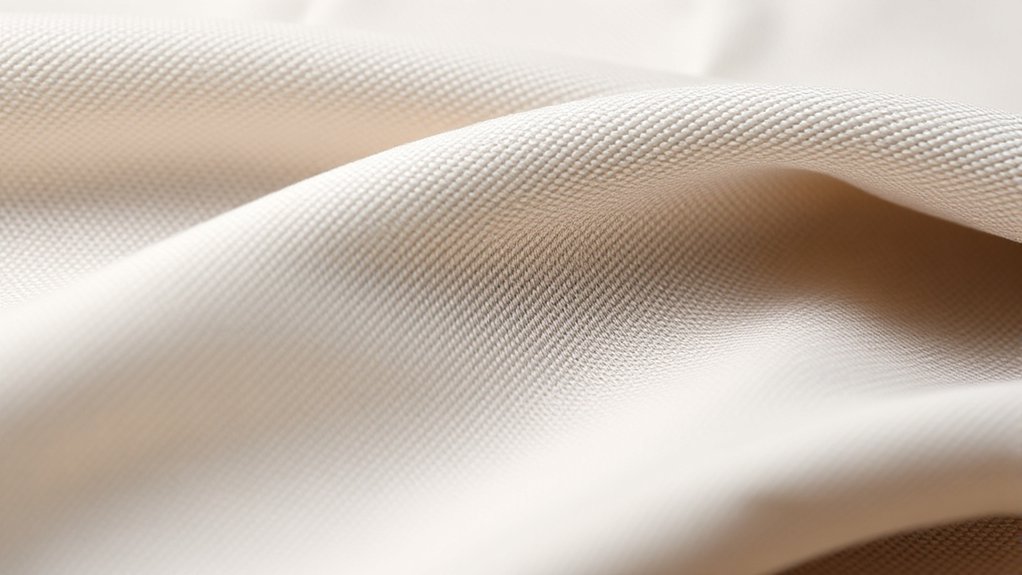
What Is Olefin Fabric?
Finding a fabric that can stand up to everyday messes, sun exposure, and constant use can feel impossible. If you’ve struggled to find materials that are both durable and easy to care for, you’re not alone. Many people face the challenge of balancing comfort with long-lasting performance in their home or outdoor spaces.
Olefin fabric is a durable synthetic textile made from polypropylene or polyethylene fibers. You’ll often find it in rugs, upholstery, outdoor cushions, and performance gear because it resists moisture, stains, mildew, and everyday wear.
It’s lightweight, dries fast, and keeps its shape well, making it a practical choice for busy spaces. It may feel less plush than some fabrics, but it performs well where comfort, sun, and spills all matter, and there’s more to uncover.
Key Takeaways
- Olefin fabric is a synthetic textile made from polypropylene or polyethylene fibers. It is valued for moisture resistance, stain resistance, and quick drying.
- Olefin is lightweight, durable, and commonly used in rugs, upholstery, and outdoor cushions. It resists mildew and performs well in sunny or damp environments.
- It is easy to clean, though it may feel less soft than natural fabrics.
What Is Olefin Fabric?

Olefin fabric is a synthetic textile made from polyolefin fibers, usually polypropylene or polyethylene. You’ll often see it in rugs, upholstery, outdoor cushions, and performance textiles because it resists moisture, stains, and wear.
If you need a fabric that handles heavy use, olefin can be a practical choice. It feels lightweight, dries quickly, and keeps its shape well, so you won’t have to baby it as much as some other materials.
Still, you should weigh sustainability concerns, since it comes from petrochemicals and isn’t as eco-friendly as natural fibers. You may also notice colorfastness issues, especially when the fabric sits in strong sunlight for long periods or uses certain dyes.
That means you’ll want to check quality carefully before you buy. Overall, olefin gives you durability and easy care, but it isn’t perfect for every setting.
How Olefin Fabric Is Made
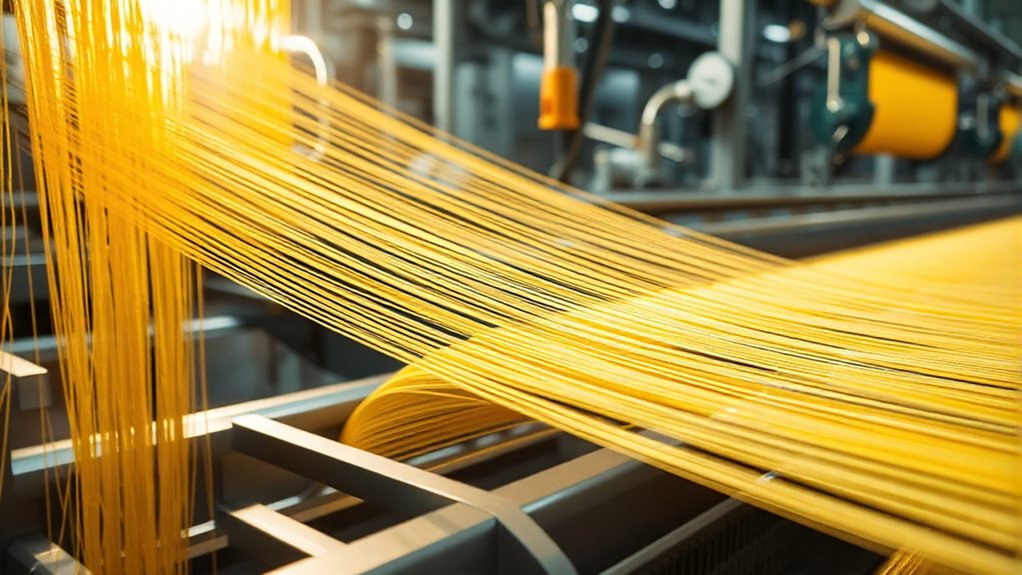
To create olefin fabric, manufacturers melt polyolefin pellets and force the molten polymer through tiny spinnerets to form continuous fibers. You then see those fibers cooled, stretched, and drawn so they gain strength and consistency.
Next, producers bundle them into yarns and weave or knit them into fabric, depending on the end use. During the production process, they can also texturize the yarns to improve bulk and hand feel. After that, they may heat-set the material to stabilize its shape and refine the final fabric properties.
Because olefin starts as a synthetic polymer, manufacturers can control fiber diameter, texture, and finish with precision. They often add pigments before extrusion, so the color becomes part of the fiber instead of sitting on the surface. That helps you get a finished textile that keeps its appearance through everyday use.
Why Olefin Fabric Resists Moisture
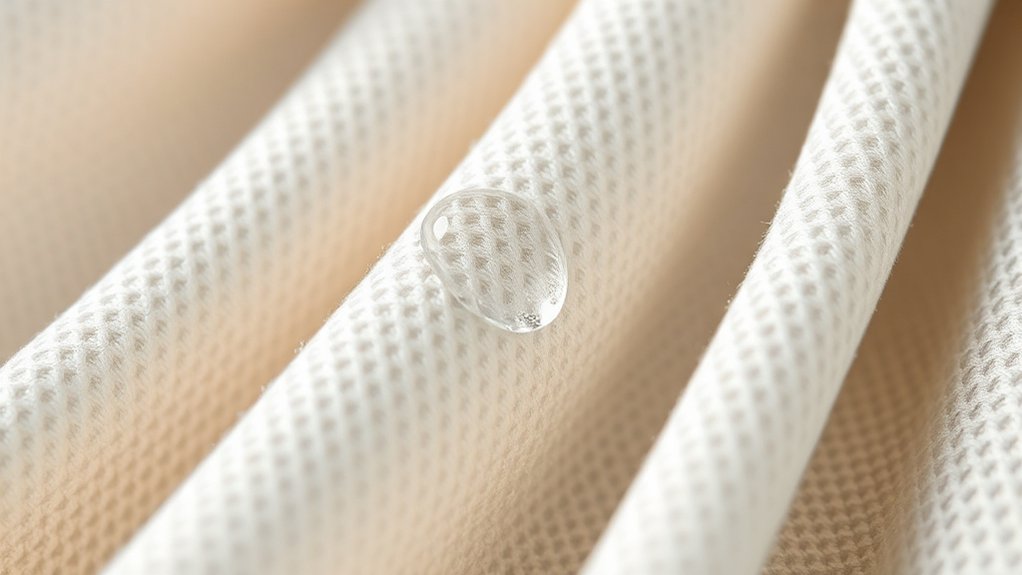
You’ll notice olefin fabric resists moisture because its hydrophobic fiber structure actually repels water instead of soaking it up. So, the material absorbs very little moisture. That means it dries quickly and stays lighter even when things get damp. Because of this low moisture absorption, olefin performs really well in places where spills, humidity, or rain are common.
Hydrophobic Fiber Structure
Because olefin fibers are made from nonpolar polyolefins like polypropylene, they naturally repel water instead of absorbing it. You can picture each strand as a slick, waxy rope that doesn’t invite droplets to cling. That hydrophobic fiber structure helps you choose it confidently for many fiber applications where moisture would usually cause trouble.
Its surface gives water little chance to spread, so beads form and roll away quickly. In practice, you get fabric that stays fresher-looking and easier to maintain.
- beaded droplets on a jacket sleeve
- rain sliding off patio cushions
- a canoe seat staying dry
- outdoor rugs after a quick shower
- upholstery resisting damp footprints
Those hydrophobic properties come from the material itself, not a finish, so they’re built in.
Low Moisture Absorption
That built-in hydrophobic structure also means olefin fabric absorbs very little water, so moisture has less chance to soak in and linger. You’ll notice this when spills bead on the surface instead of quickly soaking through.
Because the fibers don’t hold much water, the fabric dries fast and helps you avoid that damp, heavy feel. This supports better moisture management in everyday use, especially in outdoor furniture, activewear, and rugs.
You also get practical fabric benefits like improved stain resistance, reduced mildew risk, and easier cleaning. Since olefin doesn’t trap moisture the way some other fibers do, it stays lighter and more comfortable after exposure to humidity or rain.
If you want a material that handles wet conditions well, olefin gives you reliable performance.
Olefin Fabric’s Strength and Durability
Olefin’s toughness is one of its biggest advantages. When you choose it, you get a fabric that stands up well to daily wear, rubbing, and repeated handling. In strength testing, it often performs reliably because its fibers resist breaking under stress.
In a durability comparison, you’ll notice it holds up better than many lightweight textiles when exposed to rough use.
A patio chair cushion that still looks crisp after a long season. A tote that keeps its shape as you load it. A rug fiber that doesn’t flatten quickly under footsteps. A curtain panel that stays neat after constant movement. A sporty jacket lining that endures repeated use.
You can count on olefin to keep its structure without feeling fragile. It’s made for situations where you need dependable performance, not delicate care. That balance of toughness and resilience makes it a practical choice when lasting strength matters.
Common Uses for Olefin Fabric
You’ll often find olefin fabric in outdoor furniture covers because it resists moisture and wear. It’s great for that kind of use since it holds up well against the elements. Plus, you can also use it for area rugs and mats because it handles heavy foot traffic really well.
Believe it or not, olefin even shows up in performance apparel sometimes. That’s because it’s lightweight and dries quickly, making it perfect for active wear. So, whether it’s outside on your patio or in your workout gear, olefin fabric has got you covered.
Outdoor Furniture Covers
For outdoor furniture covers, olefin fabric is a smart choice because it holds up well against sun, moisture, and everyday wear. You get reliable weather resistance and UV protection, so your patio setup stays looking fresh longer. It also dries quickly, which helps you avoid mildew and heavy, damp covers after rain.
- A cover over a wicker sofa on a bright deck
- Crisp fabric shielding dining chairs from afternoon sun
- Rain beading off a snug table cover
- Wind tugging, but the cover staying put
- A clean, fade-resistant finish after the season
When you choose olefin, you’re picking a lightweight, durable material that makes protecting your outdoor furniture easier and less fussy.
Area Rugs And Mats
When you need a rug or mat that can take daily foot traffic, olefin fabric is a practical pick. You can place it in entryways, kitchens, patios, and hallways because it resists moisture and cleans up quickly. Its fibers help you choose bold rug designs without worrying about constant wear. You’ll also appreciate how different mat textures can add grip and comfort underfoot.
| Space | Benefit | Best Use |
|---|---|---|
| Entryway | Easy care | Dirt control |
| Kitchen | Moisture resistance | Spill-prone zones |
| Patio | Durable surface | Outdoor seating |
| Hallway | Slim profile | High traffic |
| Mudroom | Fast drying | Daily cleanup |
With olefin, you get a versatile, budget-friendly option that keeps your floors looking neat and feeling practical.
Performance Apparel Uses
Olefin fabric isn’t just useful for rugs and mats; it also shows up in performance apparel where comfort and durability matter. You’ll notice its performance benefits when you’re working out, hiking, or training in heat because it wicks moisture, dries quickly, and resists wear. Designers use it in athletic applications like base layers, jerseys, socks, and lightweight outerwear.
A running shirt that stays light
Compression gear that won’t sag
Hiking socks that dry fast
A jacket that blocks wind
Workout shorts that move easily
Because olefin resists stains and fading, your gear keeps looking sharp after repeated use. If you want clothing that handles sweat, sun, and movement, olefin can deliver reliable everyday support.
How Olefin Compares to Other Synthetic Fibers
Compared with many other synthetic fibers, olefin stands out for being lightweight, moisture-resistant, and naturally stain-resistant, which makes it a strong choice for rugs, upholstery, and outdoor textiles. You’ll notice it often feels less plush than polyester or nylon, but it can outperform them in damp or sun-exposed spaces.
Unlike wool, it doesn’t absorb much water, so it resists mildew and dries quickly. Compared with acrylic, it usually offers better fiber longevity and holds its color well under UV exposure.
It resists mildew, dries fast, and keeps its color well even under sun exposure.
You may also appreciate that it’s made from polypropylene, which can raise sustainability concerns because recycling options vary and production relies on fossil fuels. Still, if you want a practical fiber for high-traffic use, olefin gives you solid value without demanding much upkeep.
It’s especially useful when you need durability, color stability, and resistance to everyday wear in one material.
How to Clean Olefin Fabric
Keeping olefin fabric clean is usually straightforward since its moisture resistance helps spills stay on the surface long enough for you to wipe them up. For routine fabric maintenance, vacuum it regularly to lift dust and crumbs before they settle into the weave.
When you notice a spot, blot it with a clean cloth and mild soap mixed with water. Don’t scrub, or you may spread the mess. For tougher stain removal, use a soft brush and rinse lightly, then let the area air-dry.
- A fresh coffee spill beading up on a chair
- A hand pressing a white towel over a small stain
- Suds sliding off a patio cushion
- A soft-bristled brush working in circles
- Sunlight drying fabric after a quick rinse
If you’re cleaning upholstery, test any solution in a hidden area first. You can also rotate cushions and brush off outdoor debris often. With a simple routine, you’ll keep olefin looking neat and ready for daily use.
Olefin Fabric Pros and Cons
If you’re weighing upholstery, rugs, or outdoor cushions, olefin offers a practical mix of strengths and tradeoffs. You’ll appreciate its stain resistance, quick-drying nature, and ability to handle moisture, so spills and damp weather won’t usually cause much trouble.
It also resists fading well, which helps with color retention in sunny rooms or outdoor spaces. Because it’s lightweight and durable, you can use it in high-traffic areas without worrying as much about wear.
On the downside, olefin can feel less soft than natural fibers, and it may show heat damage if you place it too close to high temperatures. Its environmental impact can also be a concern, since it’s made from petroleum-based materials and isn’t always easy to recycle.
Olefin may feel less soft than natural fibers and can be vulnerable to heat damage.
You’ll get strong performance and easy care, but you may sacrifice some comfort and sustainability.
Is Olefin Fabric Right for You?
Olefin fabric can be a smart pick when you need something tough, low-maintenance, and able to stand up to spills, sunlight, and frequent use. You’ll likely appreciate it if your sofa, patio chairs, or runner takes daily abuse and still needs to look neat.
Its design versatility helps you match modern, casual, or outdoor spaces without much fuss.
Bright porch cushions after a rain shower
A family room sofa that shrugs off snacks
Poolside pillows that dry quickly
A busy rental that still looks tidy
A sunlit nook without faded color
You may want to think twice if you’re sensitive to sustainability concerns since it’s a synthetic fiber. Still, if durability, easy care, and a clean look matter most, olefin could fit your routine well. It gives you practical style without asking for much upkeep.
How to Choose Olefin Fabric
Start by matching the fabric to how you’ll use it. Outdoor cushions and high-traffic seating benefit from higher durability, UV resistance, and quick-drying performance. Indoor pieces may prioritize texture, color, and feel.
| Need | What to check | Why it matters |
|---|---|---|
| Sun exposure | UV rating | Helps prevent fading |
| Moisture | Water resistance | Speeds drying |
| Heavy use | Abrasion strength | Extends lifespan |
| Style | Color options | Matches your space |
| Comfort | Texture variations | Improves touch and look |
You should also compare weave quality, backing, and care instructions before you buy. If you want a softer finish, look for blended constructions or tighter weaves that reduce stiffness. For patios, choose olefin fabric with stain resistance and mildew protection.
For indoor upholstery, balance performance with appearance so the fabric feels inviting, not plastic-like. Always request swatches, then test them in your lighting. That way, you’ll choose olefin fabric that fits your routine, budget, and design goals.
Frequently Asked Questions
Does Olefin Fabric Shed Microplastics?
Yes, olefin fabric can shed microplastics, especially when you wash, abrade, or age it. Because you use it in carpets, upholstery, and outdoor gear, tiny plastic fibers can release over time, raising sustainability concerns and environmental impact.
You can reduce shedding by choosing high-quality products, cleaning gently, and extending the item’s life. You should also recycle or dispose of it responsibly when you’re done with it.
Is Olefin Fabric Safe for Pets?
Yes, olefin fabric’s usually safe for your pets, and it can be a real hero in your home. You’ll like its strong fabric durability, which helps it handle claws, fur, and everyday messes without falling apart.
It also supports pet comfort because it often feels smooth and stays easy to clean. Still, you should check for loose threads or chewing risks, since no fabric’s completely pet-proof.
Can Olefin Fabric Be Dyed Easily?
No, you won’t dye olefin fabric easily because it resists most color absorption. You can try specialty dying techniques, but results often stay uneven or fade fast.
Its strong colorfast properties make the fibers hold their original shade well, which is great for durability but frustrating for recoloring. If you want a new look, you’ll usually get better results by choosing pre-dyed olefin or replacing the fabric instead.
Does Olefin Fabric Retain Odors?
No, you usually won’t find olefin fabric holding onto odors. You’ll appreciate its natural odor resistance since it absorbs very little moisture and limits odor absorption.
That means sweat, spills, and dampness don’t linger the way they can in other fabrics. You can use it in active spaces or outdoor settings with less worry about smells sticking around. Still, regular cleaning helps keep it fresh and performing well.
Is Olefin Fabric Recyclable?
Yes, you can recycle olefin fabric in some programs, but you’ll need to check local options first. Since it’s a polypropylene-based material, its recyclability depends on the production process and how your waste facility handles plastics.
You’ll support sustainability benefits by reusing or properly recycling clean olefin items instead of sending them to landfill. If your area doesn’t accept it, look for textile take-back programs or repurposing ideas.
Conclusion
Olefin fabric gives you a smart, sturdy, and stain-resistant option for busy spaces. You can count on its colorfast charm, moisture-managing magic, and durable design to deliver dependable performance indoors or out.
If you want a fabric that handles heavy use with less hassle, olefin may fit your needs well. Choose it for comfort, convenience, and confidence, and you’ll enjoy a practical, polished textile that works hard without asking much back.
In short, olefin fabric is a reliable choice that combines durability and ease, making it perfect for everyday use.