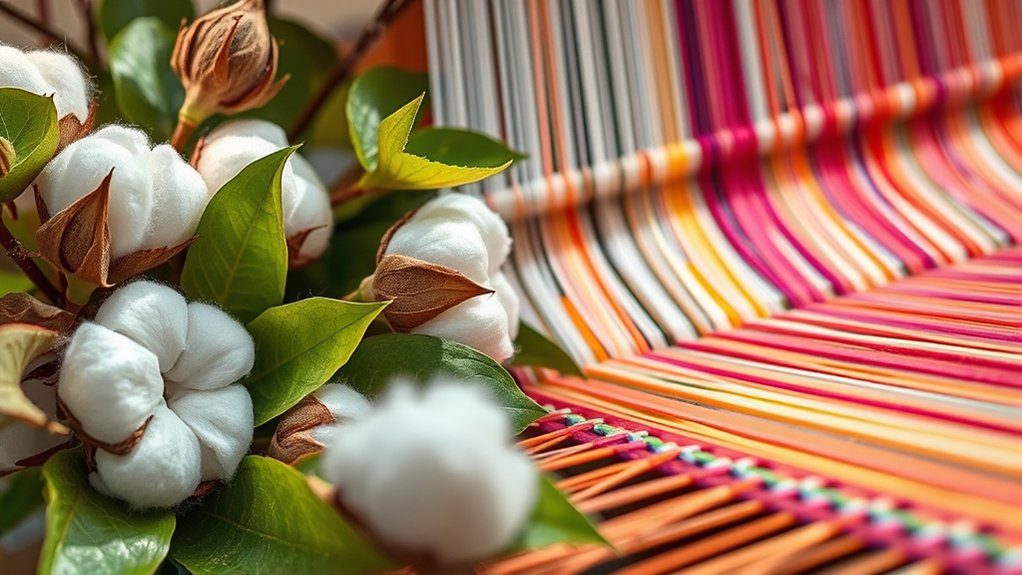
Where Do Fabrics Come From and How Are They Made
If you’ve ever wondered why some fabrics feel so comfortable while others seem to wear out quickly, you’re not alone. Many people struggle to understand where fabrics come from and what makes each one unique. Knowing the story behind your clothes can help you make better choices when shopping or caring for them.
Fabrics start as fibers from plants like cotton or animals such as sheep and silkworms. You’ll find natural fibers offering comfort and breathability, while synthetic ones like polyester provide durability and moisture resistance.
These fibers go through processes like spinning, weaving, or knitting to become fabric. Dyeing and finishing add color and texture, sometimes using eco-friendly methods to protect the environment.
Keep exploring to uncover how different fabrics are made and what makes each unique.
Key Takeaways
- Fabrics come from natural fibers like cotton, wool, and silk, as well as synthetic ones such as polyester and nylon.
- Natural fibers are harvested from plants or animals. After that, they go through cleaning, spinning, and then weaving or knitting.
- Synthetic fibers are made chemically. They’re extruded into filaments, then spun and woven into fabric.
- Making fabric starts with spinning fibers into yarns. Next, weaving or knitting turns those yarns into textiles.
- Finally, dyeing, finishing, and chemical treatments improve the fabric’s look, feel, durability, and function.
What Are Fabrics Made From? Natural vs. Synthetic Fibers
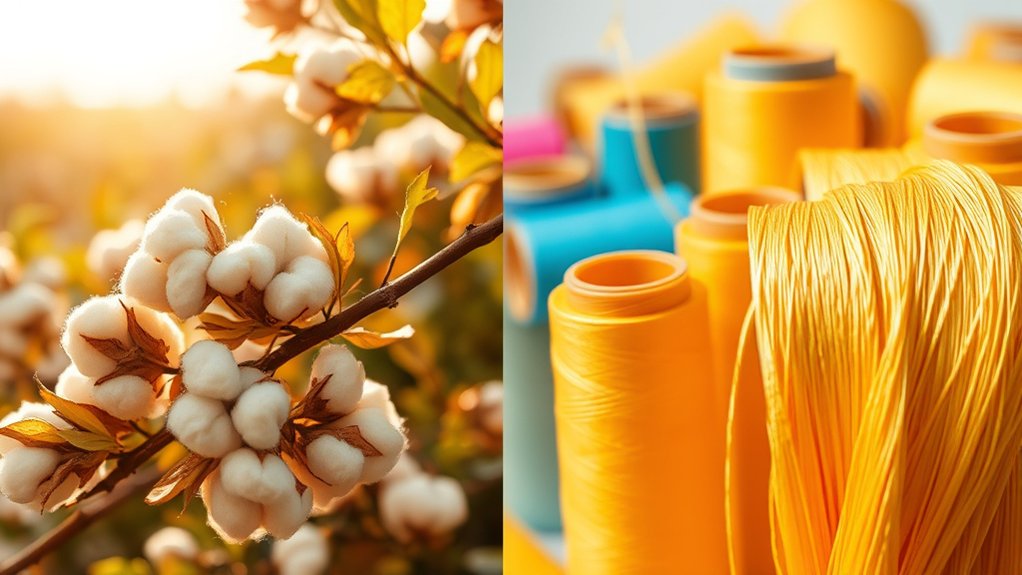
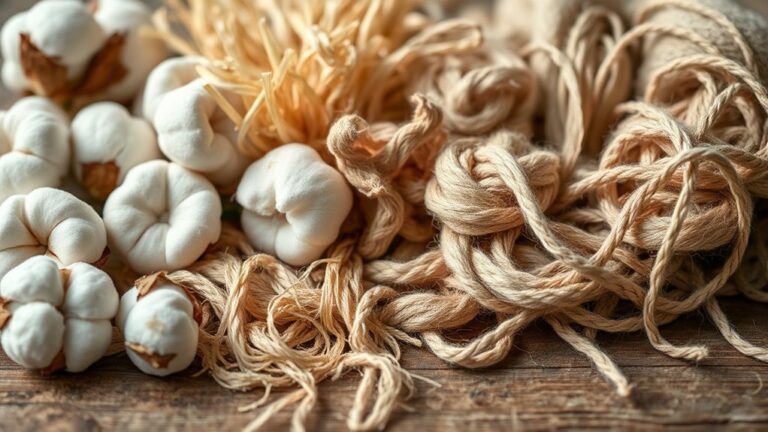
Although fabrics come in countless varieties, they all start with fibers, which you can broadly classify as natural or synthetic. Natural fibers, like cotton, wool, and silk, come from plants or animals and have been used throughout textile history. These fibers offer breathability and comfort, making them timeless choices.
Fabrics begin with fibers—natural ones like cotton, wool, and silk offer timeless breathability and comfort.
On the other hand, synthetic fibers such as polyester and nylon are man-made through chemical processes. Thanks to fabric innovations, these fibers often provide durability, moisture resistance, and affordability, expanding your options beyond what nature offers.
Understanding the difference helps you appreciate each fabric’s unique qualities and how they’ve evolved over time. While natural fibers connect you to traditional textile history, synthetic fibers reflect modern advances that transform everyday fabrics.
Whether you prefer the classic feel of cotton or the high-tech performance of synthetics, knowing where fibers come from lets you make smarter choices in selecting fabrics that suit your needs.
How Cotton Fabric Is Made: From Plant to Cloth
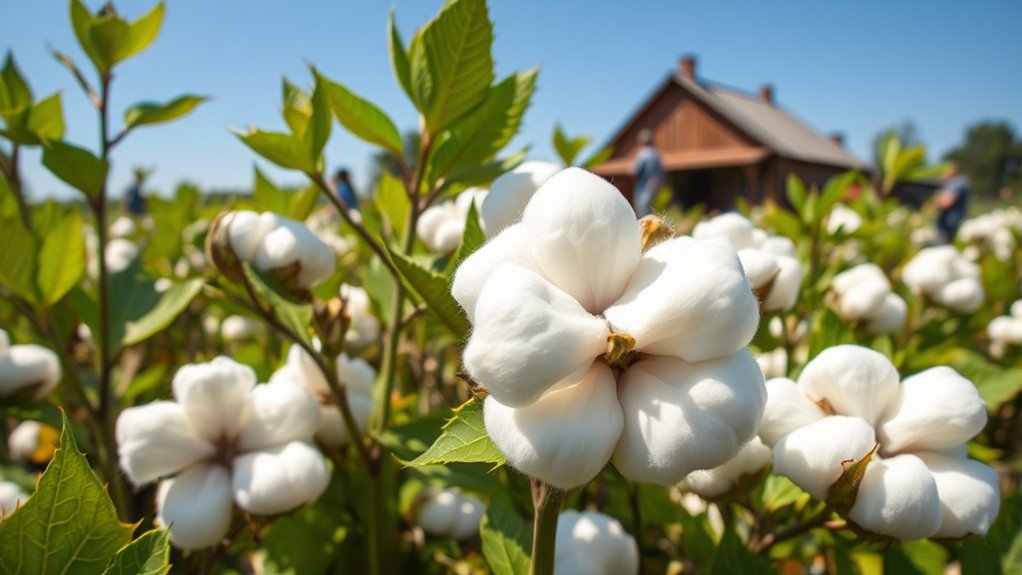
When you pick up a soft cotton shirt, you’re holding the result of a fascinating journey that begins in the fields where cotton plants grow. First, the fluffy cotton fibers are harvested, then cleaned to remove seeds and debris.
Next, textile technology steps in to spin these fibers into yarn, a pivotal stage where fabric innovation improves strength and softness. Finally, the yarn is woven or knitted into fabric, ready to be transformed into clothing.
Here’s a simple breakdown:
- Harvesting and cleaning Collect and prepare cotton fibers.
- Spinning Convert fibers into yarn using advanced textile technology.
- Weaving or knitting Create fabric ready for garment production.
Thanks to ongoing fabric innovation, cotton fabrics today are more durable and comfortable than ever, blending traditional methods with modern technology to bring you the clothes you love.
How Silk Fabric Is Made: Harvesting and Weaving
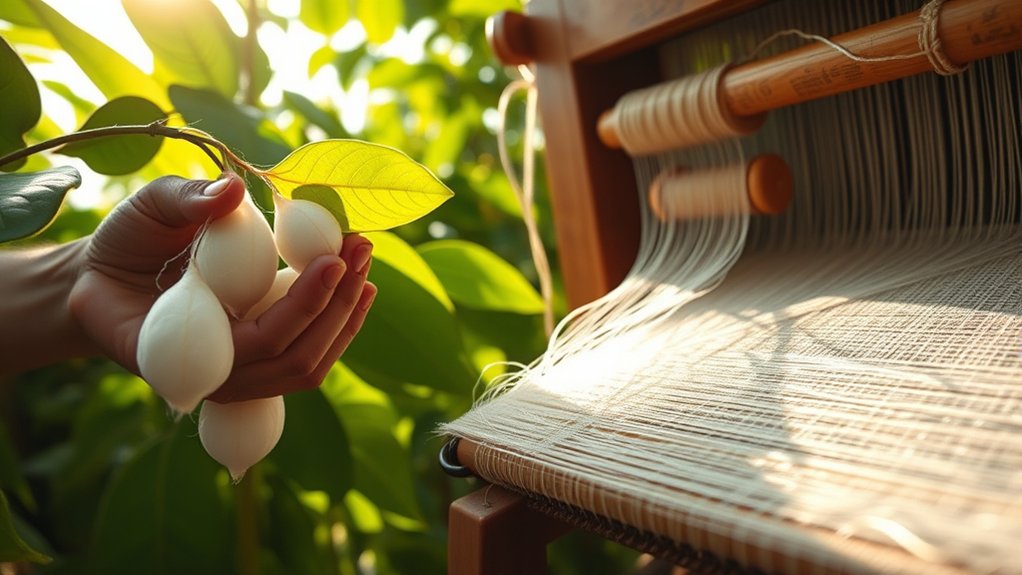
Since silk begins its journey in the delicate cocoons spun by silkworms, you’ll find that harvesting this fabric requires careful handling to preserve the fine threads. Silk cultivation relies heavily on sericulture techniques, where silkworms are raised in controlled environments to guarantee healthy cocoon production.
Once the cocoons are ready, you carefully unwind the long silk filaments by soaking them in hot water, which softens the sericin, a natural gum, allowing you to extract continuous threads.
After harvesting, you spin these threads into yarn before weaving them into fabric. The weaving process demands precision to maintain silk’s smooth texture and lustrous quality.
How Wool Fabric Is Processed: From Sheep to Soft Textiles
Before wool transforms into the soft textiles you wear, it starts with shearing sheep. This process requires skill to guarantee the animal’s comfort and the wool’s quality. You’ll first witness sheep shearing, where trained shearers carefully remove fleece without harming the sheep.
Next, the wool undergoes wool grading. This sorts fibers by quality and length to assure the best fabric output.
After grading, the processing continues with three vital steps:
- Cleaning and scouring removes dirt, grease, and impurities from the raw wool.
- Carding and combing align fibers to create smooth, uniform strands ready for spinning.
- Spinning and weaving turns the prepared fibers into yarn and then weaves them into fabric.
Why Denim Fabric Is So Durable: Cotton and Twill Weave
You’ll find that denim’s durability comes down to two main things: the strong cotton fibers and the special twill weave structure. Cotton naturally gives it strength, and the twill weave forms a sturdy, diagonal pattern that stands up to wear and tear. When you put them together, they make denim tough enough to handle heavy use without falling apart.
Cotton Fiber Strength
Although cotton fibers might seem ordinary at first glance, their inherent strength plays a crucial role in making denim fabric exceptionally durable. When you choose denim, you’re relying on cotton’s natural resilience. This also supports fiber blending with other materials to improve fabric elasticity and resistance to wear.
Here’s why cotton fiber strength matters:
- Tensile Strength: Cotton fibers resist breaking under tension, making denim tough against daily stress.
- Fiber Blending: Combining cotton with synthetic fibers boosts elasticity without sacrificing durability.
- Abrasion Resistance: Strong fibers withstand friction, keeping denim looking good longer.
Twill Weave Structure
Because the twill weave structure creates a distinctive diagonal pattern, it gives denim its unique combination of strength and flexibility. You’ll notice the twill pattern isn’t just decorative; it *improves* weave durability by allowing the fabric to resist wear and tear better than plain weaves.
This structure interlaces threads in a way that distributes stress, making denim ideal for heavy use. When you choose denim, you’re selecting fabric engineered for longevity, thanks to this clever weaving method.
| Feature | Benefit |
|---|---|
| Diagonal Twill Pattern | Adds visual texture and strength |
| Interlacing Threads | Improves stress distribution |
| High Weave Density | Enhances overall durability |
| Flexibility | Allows comfortable movement |
How Polyester and Nylon Fabrics Are Made
When you examine how polyester and nylon fabrics are made, you’ll find that both rely on synthetic fibers created through chemical processes. These fibers start as polymers derived from petroleum products, which are melted and extruded through spinnerets to form continuous filaments.
The resulting fibers then undergo fiber blending, where they’re combined with other fibers to improve texture, strength, or stretch. This blending plays a key role in fabric innovation, allowing manufacturers to create versatile textiles suited for various uses.
Here’s a quick breakdown of the process:
- Polymer synthesis: Creating the base material through chemical reactions.
- Extrusion: Forcing melted polymer through tiny holes to form fibers.
- Fiber blending: Mixing different fibers to achieve desired fabric qualities.
Fabric Production Basics: Spinning, Weaving, and Knitting
After synthetic fibers like polyester and nylon are created and blended, the next step is turning these fibers into fabric. You start by spinning, where fibers twist together to form yarn. This process is vital for fabric innovation, allowing manufacturers to create yarns with different textures and strengths.
Once you have yarn, you can move to weaving or knitting. Weaving interlaces yarns at right angles, producing durable fabrics, perfect for everything from clothing to upholstery. Knitting, on the other hand, loops yarns together, creating stretchier and more flexible materials.
Both methods impact textile sustainability by determining fabric lifespan and recyclability. Advances in machinery and techniques now let you produce fabrics with less waste and energy.
How Dyeing and Finishing Add Color and Texture to Fabrics
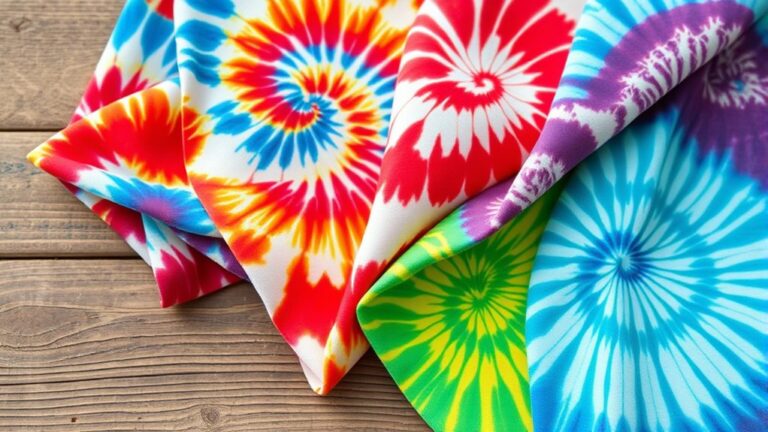
Though yarns form the fabric’s foundation, dyeing and finishing bring it to life by adding color and texture. When you dye fabric, you’re not just adding color. You’re ensuring that the color fastness lasts through washing and wear. Finishing processes then *improve* the fabric’s texture, making it softer, smoother, or more durable depending on the desired effect.
Yarn is just the start; dyeing and finishing add lasting color and texture to bring fabric to life.
Here’s what you should know about these key steps:
- Dyeing: Fabrics are immersed or sprayed with dyes that bond with fibers, producing vibrant, lasting colors with excellent color fastness.
- Mechanical Finishing: Techniques like calendaring or brushing alter the fabric’s surface to create specific textures, from silky smooth to fuzzy.
- Chemical Finishing: Treatments add properties such as wrinkle resistance or water repellency, *refining* the fabric’s feel and function.
Why Sustainable Fabrics Matter: Eco-Friendly Materials and Methods
Dyeing and finishing add beauty and function to fabrics, but they can also impact the environment if not done responsibly. When you choose sustainable fabrics, you support eco conscious innovation that reduces water use, chemical waste, and energy consumption.
Sustainable sourcing plays an essential role here, ensuring raw materials come from farms and suppliers that prioritize soil health, biodiversity, and fair labor practices. By opting for eco-friendly materials like organic cotton, hemp, or recycled fibers, you help minimize pollution and landfill waste.
You also encourage manufacturers to adopt cleaner production methods, creating a positive ripple effect throughout the textile industry. Embracing sustainable fabrics means you’re not just wearing style, you’re actively protecting natural resources and promoting a healthier planet for future generations.
Your choices matter, and supporting responsible fabric production is a powerful way to make a difference every time you shop or sew.
How Fabric Quality Affects Clothing and Home Textiles
You’ll notice that fabric quality directly impacts how long your clothes and home textiles last. When you choose higher-quality fabrics, they usually offer better durability. This means they can handle regular use without wearing out quickly.
Plus, these fabrics tend to feel more comfortable. They also keep their appearance longer, so your items look and feel great over time. It’s definitely worth paying attention to fabric quality if you want your clothes and home textiles to stand the test of time.
Durability And Longevity
Because fabric quality directly influences durability and longevity, it plays an essential role in how your clothing and home textiles perform over time. When you choose high-quality fabrics, you’re investing in items that last longer and withstand wear and tear better.
Proper fabric care extends this lifespan, reducing the need for frequent replacements and lowering your environmental impact. Here are three key ways fabric quality affects durability and longevity:
- Stronger fibers resist damage from washing and daily use.
- Tighter weaves prevent stretching and pilling, maintaining shape.
- Quality finishes improve resistance to stains and fading.
Comfort And Appearance
How does fabric quality influence the comfort and appearance of your clothing and home textiles? When you choose fabrics with high fabric softness and fabric breathability, you guarantee your clothes feel gentle on your skin and allow air to circulate. This keeps you comfortable throughout the day.
These qualities also impact how your textiles look. Soft fabrics tend to drape better, while breathable materials resist moisture buildup. That prevents dullness or odor from forming.
| Fabric Quality | Comfort Impact | Appearance Effect |
|---|---|---|
| High softness | Gentle, cozy feel | Smooth, elegant drape |
| Good breathability | Keeps you cool, dry | Maintains fresh look |
| Low softness | Rough, irritating | Stiff, unattractive |
| Poor breathability | Traps heat, moisture | Fades, smells easily |
Choosing quality fabric means enjoying lasting comfort and a polished appearance.
Frequently Asked Questions
How Do Fabric Manufacturers Ensure Ethical Labor Practices?
You guarantee ethical labor practices by working closely with suppliers committed to ethical sourcing and fair labor standards. You conduct regular audits and inspections, verifying that workers receive fair wages and safe working conditions.
You also demand transparency throughout the supply chain, encouraging certifications like Fair Trade. By setting clear expectations and holding manufacturers accountable, you actively promote respect for workers’ rights and help maintain integrity in fabric production.
What Are the Common Fabric Care Symbols and Their Meanings?
You’ll often see fabric care symbols like a washing tub for machine wash, a triangle for bleach, and an iron for ironing instructions. These help you care for fabric dyeing and textile printing without damaging colors or patterns.
A circle indicates dry cleaning, while a square with a circle means tumble drying. Following these symbols guarantees your clothes keep their vibrant look and texture longer, preserving the quality of the fabric’s dye and print.
How Has Technology Impacted Modern Fabric Production?
You might think technology just speeds up fabric production, but it’s changed everything. Smart textiles now respond to your environment, offering features like temperature control or health monitoring.
Sustainable sourcing has become a priority, too, reducing waste and environmental impact. So, technology doesn’t just make fabrics faster or cheaper. It makes them smarter and greener, giving you innovative materials that align with your values and lifestyle.
What Role Do Fabric Softeners and Treatments Play After Production?
Fabric softeners and chemical treatments play an essential role in improving your fabric’s feel, appearance, and performance after production. Fabric softeners make textiles softer and reduce static cling, enhancing comfort.
Chemical treatments add durability, stain resistance, or water repellency, tailoring fabrics to specific uses. These processes guarantee your clothes and textiles maintain quality, last longer, and meet your needs for comfort and functionality in everyday wear and special applications.
How Do Fabric Blends Affect the Feel and Durability of Clothing?
Fabric blends directly impact how your clothes feel and last. By combining fibers, fabric blend properties balance softness, stretch, and breathability to suit your comfort needs.
They also improve textile durability, making your garments resist wear and tear better than pure fabrics. So, when you choose blended fabrics, you’re getting improved performance and longevity.
This ensures your clothing stays comfortable and durable through regular use and washing.
Conclusion
You might think fabrics just magically appear in your clothes and home textiles, but they actually come from fascinating processes—from plants, animals, or even labs. It’s no coincidence that knowing where fabrics come from helps you choose better, more sustainable options.
When you understand how cotton, silk, wool, or synthetic fibers are made, you’re not just wearing fabric, you’re wearing history, science, and care. So next time you dress, remember quality and sustainability go hand in hand when it comes to where fabrics come from and how they are made.