Silk Vs Satin: 5 Key Differences
Choosing between silk vs satin can feel overwhelming, especially when you want something that looks beautiful but also feels comfortable. You’re not alone—many people struggle to figure out which fabric is best for their needs without getting lost in confusing details.
When you compare silk vs satin, you’re really choosing between a natural fiber and a weave. Silk comes from silkworms, feels softer, breathes better, and naturally regulates temperature, but it costs more and needs gentler care.
Satin can be made from many materials, often feels slicker, shines more, and usually costs less.
Silk suits luxury sleepwear and formal pieces, while satin works well for stylish, budget-friendly options.
Keep going, and you’ll uncover which one fits you best.
Key Takeaways
- Silk is a natural protein fiber, while satin is a weave that can be made from many materials.
- Silk feels softer and more breathable. Satin feels smoother and slicker.
- Silk has a subtle natural sheen. Satin usually has a brighter, more dramatic shine.
- Silk needs gentler care and is more delicate. Satin is often easier to clean and more durable.
- Silk is usually more expensive and premium. Satin is a budget-friendly alternative for similar looks.
Silk Vs Satin: The Key Difference

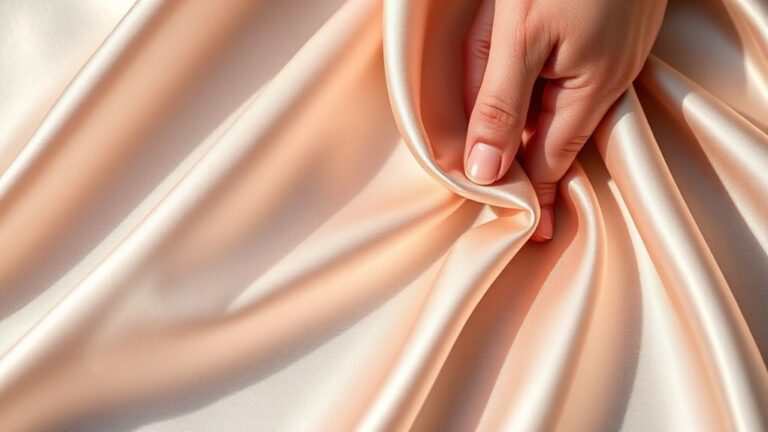
Silk and satin aren’t the same thing: silk is a natural fiber, while satin is a weave that can be made from silk, polyester, or other materials. When you choose between them, you’re really choosing between material and structure.
Silk usually feels breathable, light, and luxurious, so you may notice silk benefits like temperature regulation and a gentle touch on skin. Satin, on the other hand, gives you satin advantages such as a smooth, glossy surface and a sleek look at a lower cost.
That means satin can mimic the feel of silk without always matching its natural properties. If you want a fabric that comes from nature, silk stands apart. If you want shine and softness with more material options, satin fits the job.
Understanding this difference helps you pick the right fabric for comfort, appearance, and budget.
Silk Vs Satin: What They’re Made Of

While silk comes from natural protein fibers produced by silkworms, satin isn’t a fiber at all. It’s a weave that can be made from silk, polyester, nylon, acetate, or other materials. You’re comparing a material with a construction method, so the label tells you different things.
Silk’s makeup gives it natural protein-based qualities, which support many silk benefits, including a luxurious origin and inherent value. Satin, by contrast, describes how threads are woven, so its satin characteristics depend on the fiber used underneath.
Silk’s natural protein fibers give it luxurious qualities, while satin’s feel depends on the fibers woven beneath.
If you choose silk satin, you get both the silk fiber and the satin weave. If you choose polyester satin, you get synthetic fibers arranged in that same weave. That’s why two fabrics can look similar on the surface yet perform differently.
When you shop, check both the fiber content and the weave so you know exactly what you’re getting.
Silk Vs Satin: Feel, Shine, and Breathability

Once you know what each fabric is made of, the next question is how it actually feels on your skin. In a texture comparison, silk usually feels softer, warmer, and more organic, while satin feels smoother and slicker because of its weave.
You’ll notice silk has a subtle, natural luster that catches light gently, while satin often shines more dramatically and evenly. That difference can change the mood of what you wear or use.
For breathable comfort, silk generally lets air move through better, so you may feel cooler in warm weather or while sleeping. Satin can feel less airy, especially if it’s made from synthetic fibers, but it still glides nicely over skin and hair.
Think about your usage scenarios: choose silk when you want a refined, breathable touch, and choose satin when you want a glossy finish and a sleek feel.
Silk Vs Satin: Care and Durability
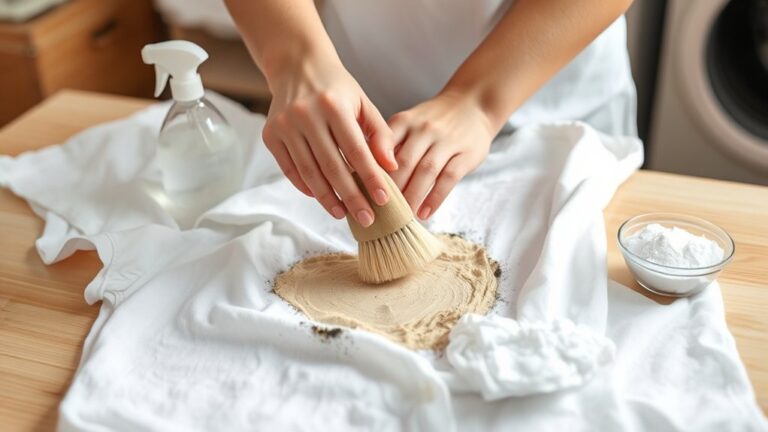
Regarding care, silk usually asks for more attention than satin. You’ll want to check labels closely because gentle washing techniques matter more with silk than with most satin fabrics. Hand washing in cool water with mild detergent often helps protect the fibers. Harsh agitation, bleach, and high heat can weaken them fast. Satin, depending on its fiber content, can usually handle easier cleaning and less fussy maintenance.
For durability, silk can last a long time if you treat it well, but it’s more vulnerable to abrasion, sunlight, and snagging. Satin often resists wear better in daily use, especially when it’s made from sturdier synthetic fibers. To improve fabric longevity, store both away from rough surfaces, avoid over-drying, and iron only when needed on low heat. If you handle them carefully, both can stay attractive and functional for years.
Silk Vs Satin: Cost and Best Uses
When you compare cost, silk usually lands at the higher end because it comes from natural fibers and takes more processing to produce. You’ll often pay for its feel, sheen, and breathability, so silk affordability can be a real consideration if you want it for everyday use.
Satin, by contrast, is usually easier on your budget because it’s a weave, not a fiber, and manufacturers can make it from polyester, acetate, or other materials. That satin versatility makes it a smart choice when you want a similar glossy look without the premium price.
If you’re choosing for sleepwear, pillowcases, or formal pieces, silk works well when comfort and luxury matter most. If you need something decorative, stylish, or cost-conscious, satin may suit you better.
You can also use satin for costumes, linings, and accessories, while silk often shines in high-end garments, scarves, and special-occasion items where quality matters most.
Frequently Asked Questions
Can Satin Be Made From Materials Other Than Silk?
Yes, satin can be made from materials other than silk. You’ll often find satin woven from polyester, nylon, rayon, or acetate, and each option can change the feel, shine, and price.
When you compare satin alternatives, you should also think about satin durability, since synthetic versions often resist wear better and care more easily than silk. So, you can choose based on comfort, budget, and how long you want it to last.
Is Silk Better for Sensitive Skin Than Satin?
Yes, silk can be better for sensitive skin because it’s naturally smooth and breathable. Imagine you’re prone to redness after sleeping on rough pillowcases; switching to silk might calm irritation.
You’ll often notice silk benefits like less friction and moisture loss, while satin drawbacks can include synthetic fibers that trap heat or feel less gentle. Still, you should check the weave and your own skin reactions, since comfort varies.
Does Satin Wrinkle Less Than Silk?
Yes, satin usually wrinkles less than silk because you’ll notice its smoother weave holds its shape better. You’ll also find satin durability often makes it look crisp longer after use.
Silk can wrinkle more easily, though its breathability feels lighter and more natural against your skin. If you want a low-maintenance look, you’ll probably prefer satin.
If you value comfort and airflow, silk may still suit you better overall.
Which Fabric Is Better for Hair Protection?
You’ll usually get better hair protection from silk. I once switched from a cotton pillowcase to a silk bonnet, and my morning tangles dropped fast, like untwisting a knotted necklace.
Silk glides gently, helping reduce hair breakage and support moisture retention. Satin can also work well, especially if it’s smooth and tightly woven, but silk’s natural fibers often feel kinder on fragile strands and dry hair overnight.
Are Silk and Satin Suitable for All Seasons?
Yes, you can wear both year-round, but your comfort depends on the fabric and weave. In a breathability comparison, silk usually feels cooler in warm weather because it lets air move and wicks moisture better.
Satin can work in any season too, though it may trap more heat if it’s made from polyester. For seasonal versatility, choose lighter silk for summer and smoother, thicker satin for cooler nights.
Conclusion
So, when you choose between silk and satin, you’re really choosing how you want to feel. Silk drifts over your skin like a cool breeze on a summer night, soft, breathable, and naturally elegant.
Satin catches the light with a glossy glow, like moonlight on still water, smooth and dramatic. Both bring beauty to your wardrobe and home.
But the best choice is the one that matches your comfort, style, and budget when it comes to silk vs satin.