All Types of Cloth: A Guide
Finding the perfect cloth can be tricky. You want something comfortable, durable, and easy to care for, but with so many options, it’s easy to feel overwhelmed. You’re not alone—many people struggle to choose the right fabric that fits their needs and style. All Types of Cloth.
Cloth comes in many forms, and you choose it based on comfort, strength, drape, and care.
Cotton is soft, breathable, and versatile, while linen stays cool and durable in warm weather. Wool gives you warmth and structure, and silk adds smooth elegance.
Synthetic cloths like polyester, nylon, and acrylic offer easy care and performance.
Blends and weaves like twill, satin, and jacquard change texture and use, and there’s even more to uncover ahead.
Key Takeaways
- Cloth is made from woven or knitted fibers. Natural and synthetic options affect comfort, strength, and stretch.
- Cotton is soft and breathable. Linen is crisp and moisture-wicking. Wool offers warmth and resilience.
- Silk is smooth and elegant but requires gentle care and low-heat handling.
- Synthetic cloths like polyester and nylon resist wrinkles, dry quickly, and suit active or durable uses.
- Blended fabrics and weave types such as twill, satin, jacquard, ribbed, and basketweave change fabric performance and appearance.
What Cloth Is and How It’s Made

Cloth is the woven or knitted material you use to make and line everyday items, from shirts and curtains to bags and upholstery. You make it by spinning fibers into yarn, then weaving or knitting those yarns into a flexible sheet.
Natural fibers like cotton, wool, and linen come from plants or animals, while synthetic fibers like polyester and nylon start with chemicals. Each fiber choice shapes fabric properties such as strength, drape, breathability, and stretch, so the final cloth behaves differently in use.
Textile history shows that people have turned fibers into cloth for thousands of years, first by hand and later with looms and industrial machines. Today, mills often blend fibers to combine comfort, durability, and easy care.
When you understand how cloth is made, you can read labels more confidently and see why one fabric feels crisp, another feels soft, and another holds its shape.
How to Choose the Right Cloth
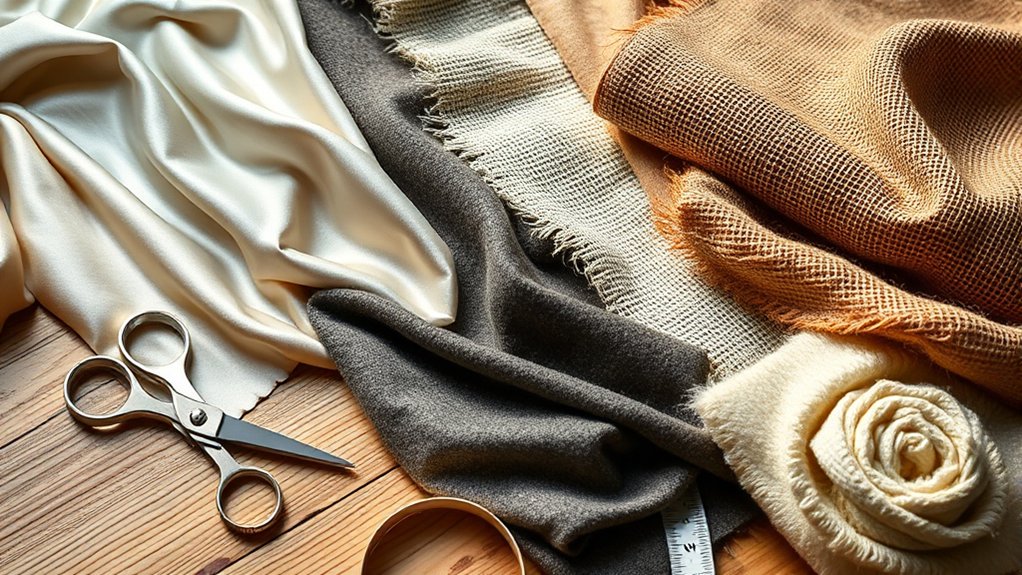
Choosing the right cloth starts with the job you need it to do: for clothing, look for comfort, breathability, and drape; for bags or upholstery, prioritize strength, structure, and wear resistance. Then check fabric weight, because lighter cloth hangs differently and heavier cloth holds its shape better.
Feel the texture differences, too; a smooth surface can suit formal pieces, while a slightly coarse hand may work better for rugged items. You should also think about stretch, opacity, and how the cloth responds to washing and ironing.
If you want easy sewing, pick a fabric that cuts cleanly and doesn’t slip around. Match the cloth to the pattern, season, and care routine you can manage. When you compare options side by side, you’ll spot the best balance of look, feel, and performance for your project.
Cotton Cloth: Soft, Breathable, and Versatile
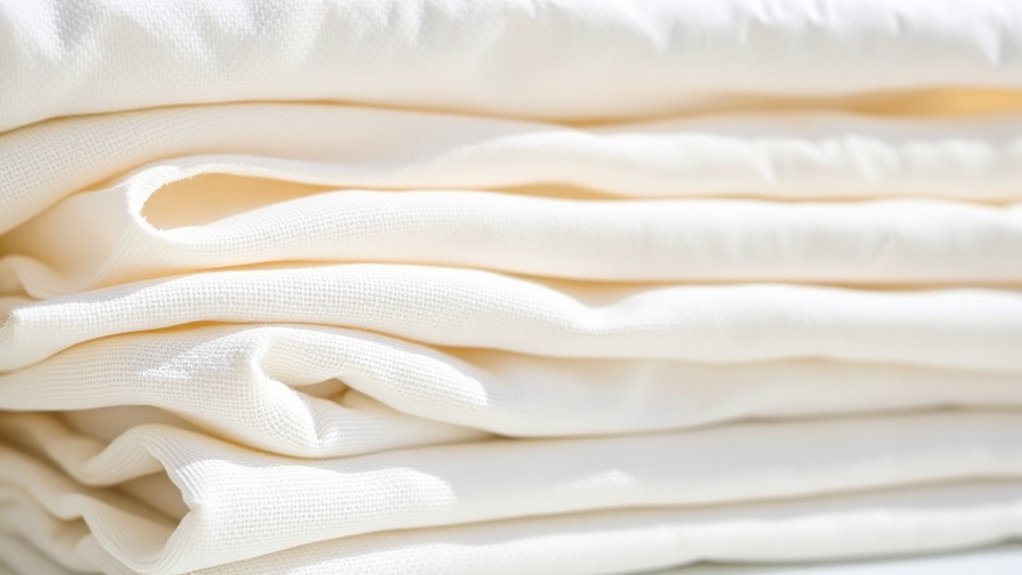
Cotton cloth feels soft and lets air move through easily, so it’s really comfortable to wear. You’ll notice that the way it’s woven changes how smooth, sturdy, or textured it feels. Plus, cotton is super versatile—you can use it for shirts, sheets, towels, and lots of other everyday things because it’s practical and easy to care for.
Cotton Weave Qualities
With cotton weave, the feel of the fabric often depends on how the threads cross, tighten, and open up the cloth. You’ll notice that a plain weave feels crisp and airy because the yarns lock evenly, while satin weave characteristics give you a smoother surface and a gentle sheen.
If you want more structure and durability, twill fabric benefits include a diagonal pattern that resists wear and adds a sturdy drape. You can also expect different weights and textures from the same fiber since tighter weaves feel denser and looser ones let more air move through.
When you choose cotton, you’re really choosing how the weave shapes comfort, appearance, and long-term performance for your fabric.
Everyday Cotton Uses
Beyond weave structure, cotton stands out because it fits so many daily tasks without feeling fussy. You can wear it as a T-shirt, dress, or undershirt, and it’ll keep you cool, soft, and comfortable through busy days.
You’ll also reach for cotton in towels, sheets, and pajamas because it absorbs moisture and feels gentle against your skin. In the kitchen, cotton dish cloths and aprons handle spills well, while denim and canvas give you sturdier options for work and travel.
Different cotton varieties help you choose the right texture, from airy percale to durable twill. When you care about cotton sustainability, you can pick organic or responsibly grown fabrics that support longer use and lower waste.
Linen Cloth for Cool, Durable Wear
Linen gives you strong, natural fibers that hold up well over time. You’ll love how its airy weave keeps you cool and comfortable when the weather warms up. Plus, if you take good care of it, linen can stay beautiful and durable for years to come.
Linen Fiber Benefits
Because it’s made from the flax plant, linen offers a rare mix of breathability and strength that makes it ideal for warm-weather clothing. You’ll appreciate its crisp texture and the way it stands up to frequent wear.
The linen durability benefits mean your shirts, trousers, and dresses can last through many seasons without losing their shape as quickly as softer fabrics. Linen moisture wicking also helps you stay comfortable by pulling dampness away from your skin, so you feel fresher during active days.
You can count on linen to soften over time while keeping its reliable structure. If you want fabric that looks polished, feels natural, and handles regular use well, linen gives you a smart, dependable choice for everyday dressing.
Breathable Summer Comfort
When temperatures rise, linen stands out as a fabric that keeps you cool without sacrificing durability. You feel airflow move through its loose weave, so your skin stays comfortable even on humid days.
Because linen is one of the most breathable fabrics, it helps regulate heat while giving you a crisp, relaxed look. You can wear it for casual lunches, seaside walks, or polished office outfits, and it fits easily into summer styles without feeling heavy.
Its natural texture adds character, so you don’t need much styling to look put together. If you want clothing that feels light, wears well, and looks effortless, linen gives you dependable comfort through the hottest months.
Care And Longevity
To keep linen looking sharp, wash it gently in cool or lukewarm water and skip harsh detergents that can break down the fibers over time. You’ll protect the weave better if you air-dry it away from direct sun and reshape it while damp.
Iron linen when it’s still slightly moist for a smoother finish, or accept its natural wrinkles for an easygoing look. For smart fabric maintenance tips, store it in a breathable space, not plastic, so moisture can’t linger.
Rotate your linen pieces often, and treat stains quickly with mild soap. These longevity strategies help your linen stay strong, comfortable, and handsome through years of wear, so you get more value from every shirt, dress, or pair of trousers.
Wool Cloth for Warmth and Structure
Wool cloth stands out for its natural warmth, resilience, and ability to hold shape, making it a reliable choice for garments that need both comfort and structure. You’ll appreciate its wool insulation when cold air hits because the fibers trap heat without feeling overly bulky.
That makes wool ideal for coats, suits, sweaters, and blankets you want to wear often. You also get wool sustainability benefits when you choose responsibly sourced fiber, since wool is renewable and durable, so you replace items less often.
In tailoring, wool responds well to pressing and stitching, helping you create clean lines and a polished silhouette. It can also stretch slightly, then recover, which improves fit and everyday wear.
When you care for it properly, you’ll keep its performance and appearance strong for years, making wool a practical, dependable fabric choice.
Silk Cloth: Smooth, Luxurious, and Delicate
Silk cloth feels smooth against your skin and brings a natural sheen that makes it look refined and luxurious. You’ll notice that its weave can change the drape, strength, and level of delicacy from one silk to another. So, it’s a good idea to handle it gently and care for it with attention. That way, it keeps its beauty longer.
Silk Weave Qualities
Although it looks delicate, silk weave brings together strength, fluidity, and a natural sheen that gives fabric a distinctly luxurious feel. You notice how its smooth surface reflects light softly, which enhances garments, scarves, and home accents.
Through silk history, artisans perfected weaving methods that balance fine threads with surprising resilience. You can choose plain weaves for a crisp drape, twills for subtle texture, or satins for extra gloss.
Each structure changes how the cloth moves against your skin and how it catches the eye. In modern silk applications, you’ll see it in formalwear, lingerie, ties, and elegant decor.
Its breathable feel and graceful fall make it a favorite when you want comfort without losing refinement or visual richness.
Care And Handling
Gentle handling keeps silk looking smooth and luminous, so you’ll want to wash it carefully, avoid harsh heat, and store it away from direct sunlight. Use cool water and a mild detergent, then rinse lightly without twisting the fibers.
For stain removal, blot spills right away with a clean cloth; don’t rub, or you may spread the mark and weaken the weave. Air-dry silk flat or hang it in shade, and keep it away from dryers and radiators.
When you’re done wearing or displaying it, choose breathable fabric storage like cotton bags or tissue-lined boxes to protect it from moisture and moths. If you iron silk, use the lowest setting and a pressing cloth so you preserve its soft sheen and delicate drape.
Synthetic Cloths: Polyester, Nylon, and Acrylic
Synthetic fabrics often become the practical choice when you want durability, easy care, and consistent performance. Polyester gives you wrinkle resistance, quick drying, and dependable color retention, so you can wear it for active days or travel without much fuss.
Nylon adds strength and abrasion resistance, which makes it useful when you need gear that can handle frequent use. Acrylic feels light and warm, and you’ll often choose it when you want a wool-like look without the same weight.
As you shop, notice how sustainable sourcing and fabric innovations are changing these fibers, from recycled feedstocks to more efficient production methods. You still need to check care labels, because heat can damage these materials and static may build up.
If you want low-maintenance cloth with reliable results, these synthetics offer a smart, practical option for everyday wear.
Blended Cloth and Why It Works
Blended cloth combines two or more fibers so you get the best traits of each in one fabric. You might choose cotton-polyester, for example, when you want softness with easier care and less wrinkling.
When manufacturers mix fibers, they can improve comfort, stretch, moisture handling, and blended benefits that single-fiber fabrics often can’t match. You’ll also notice better fabric durability because one fiber can support another and reduce weakness from wear or washing.
Blends work well when you need clothes that look good, feel pleasant, and last through regular use. You can wear them for work, travel, or everyday routines without babying them.
They often dry faster, hold shape better, and resist damage more effectively than pure natural fibers alone. If you want practical clothing that balances performance and comfort, blended cloth gives you a smart middle ground.
Common Cloth Weaves and Textures
The weave is the cloth’s hidden structure, and it shapes how the fabric looks, feels, and performs. When you choose fabric, you’ll notice a twill weave in sturdy denim variations, where diagonal lines add strength and depth.
A satin texture gives you a smooth, glossy surface that catches light elegantly, while jacquard patterns let you see complex designs woven right into the cloth. If you want something bold, the houndstooth design uses contrast to create a crisp, graphic look.
You can also spot ribbed fabric by its raised ridges, which add stretch and structure. A basketweave style crosses yarns in an open, balanced grid, and a crepe texture feels slightly pebbled and drapes with movement.
Each weave changes the fabric’s character, so you can match it to the look, feel, and use you want most.
Caring for Different Cloth Types
Once you know a fabric’s weave and fiber content, caring for it gets much easier. Check the care label first, then sort by color, weight, and cleaning needs so you don’t damage delicate pieces. Cotton and linen usually handle warmer water, while wool and silk need cooler cycles or hand washing.
When you treat synthetics, use gentle detergent and avoid high heat, which can weaken fibers and cause shrinking. These fabric maintenance tips help you extend the life of shirts, sheets, and upholstery without extra hassle.
For stains, act fast: blot, don’t rub, and test any cleaner on a hidden seam. Air drying saves energy and protects shape, which makes it a smart choice for eco friendly cleaning.
Store clean cloth in a dry, dark place, and fold knits instead of hanging them. With consistent care, you’ll keep every fabric looking fresher, longer, and ready for everyday use.
Frequently Asked Questions
Which Cloth Is Best for Baby Clothing?
Organic cotton is usually best for baby clothing because you want softness, breathability, and easy care. You can choose from cotton types like combed, jersey, or muslin, but prioritize fabric softness and gentle weaves that won’t irritate sensitive skin.
You’ll also want fabrics that wash well and resist overheating. If your baby has eczema or allergies, you should pick certified organic cotton and avoid rough blends or scratchy finishes.
Can Cloth Types Affect How Clothes Drape?
Yes, cloth types can change how your clothes drape. You’ll notice that fabric weight, weave, and fiber content shape drape characteristics. So, a lightweight silk will flow differently than stiff denim or heavy wool.
If you want a soft, fluid look, choose fabrics with more movement. For sharper lines and structure, pick firmer cloth. You can test drape by holding fabric up and seeing how it falls naturally on you.
Which Cloth Resists Wrinkles the Most?
You’ll get the best wrinkle resistance from fabrics like polyester, nylon, and wool blends. You should also look for fabric blends with cotton or rayon mixed with synthetic fibers, since they often hold shape better than pure natural cloth.
If you want easy care, choose tightly woven materials, because they resist creasing more effectively. You’ll spend less time ironing and more time wearing clothes that stay neat all day.
Are Some Cloths Better for Embroidery?
Yes, some cloths work better for embroidery. You’ll usually get cleaner stitches on tightly woven fabrics like cotton, linen, or twill because they hold embroidery techniques well and support thread compatibility.
If you choose stretchy or loose weaves, you’ll need stabilizer to prevent puckering. Match your fabric to your design, thread, and needle, and you’ll make stitching easier, neater, and more durable.
Which Cloth Is Most Eco-Friendly?
Hemp textiles are usually your most eco-friendly choice because they need little water, fewer pesticides, and grow quickly. If you want a softer feel, look for organic cotton or bamboo fabric from sustainable sourcing.
You can also choose recycled fibers to cut waste. Check that brands use eco friendly dyes and responsible processing, since that keeps the whole cloth safer for you and the planet.
Conclusion
Now that you’ve examined all types of cloth, you can choose fabrics with more confidence. Whether you need cotton for everyday comfort, linen for heat, wool for warmth, or synthetics for durability, the right cloth makes all the difference.
Pay attention to weave, texture, and care, and you’ll keep your clothes looking and feeling their best. As the adage says, “You get what you pay for,” and smart choices always show in the types of cloth you select.