10 Cotton Fabric Types You Should Know
Choosing the right cotton fabric can feel overwhelming—you’re not alone if you’ve struggled to find the perfect material for your project. Many people want something that balances comfort, durability, and style but aren’t sure where to start.
Understanding the different cotton fabric types can make all the difference. You’ll want to know cotton fabric types like lightweight voile and lawn for breathability and softness, or durable denim and twill for long-lasting wear.
Chambray offers casual comfort, while seersucker adds texture and cooling benefits. Soft options like percale and flannel work great for bedding, and organic cotton supports eco-friendly choices.
Blends with spandex or polyester boost stretch and wrinkle resistance. Understanding these basics helps you pick the perfect fabric for any project, with much more to investigate.
Key Takeaways
- Voile, lawn, and batiste are lightweight cotton fabrics ideal for breathable, casual summer clothing.
- Poplin and chambray offer smooth textures suited for shirts and dresses with good drape and durability.
- Seersucker and waffle cotton provide textured surfaces that enhance airflow and cooling in warm weather.
- Canvas, denim, and twill are heavy-duty cotton fabrics known for strength and long-lasting wear.
- Percale, sateen, and flannel are soft cotton types commonly used in comfortable, breathable bedding.
Why Cotton Fabric Feels So Special
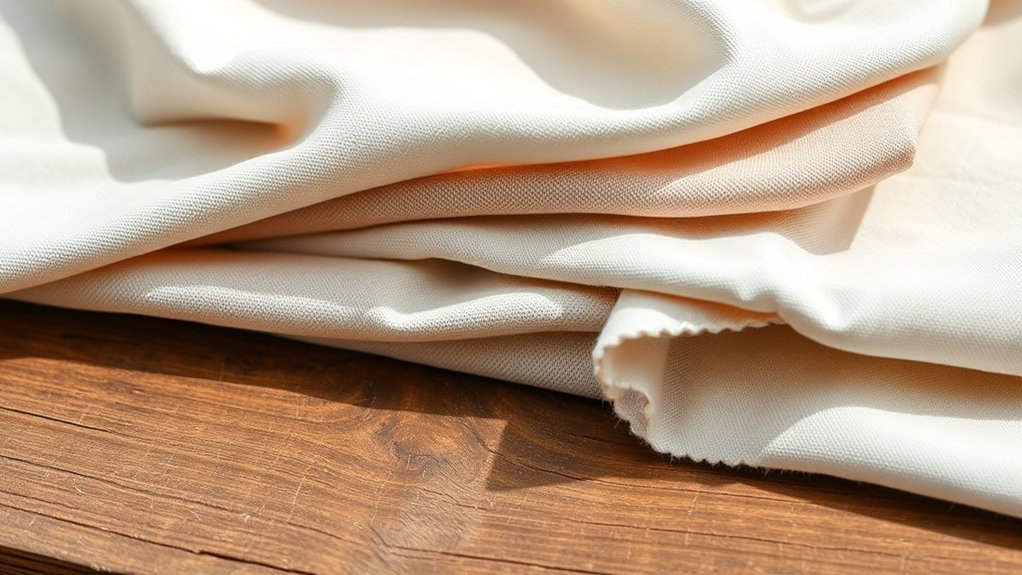
Because cotton fibers are naturally soft and breathable, you’ll notice its unique comfort the moment you touch it. This comfort comes from a rich cotton fabric history dating back thousands of years, when people first valued its softness and durability.
Cotton’s timeless softness and breathability have been cherished for thousands of years.
As you explore cotton, you’ll see why it became a staple in textile production worldwide. Its ability to absorb moisture and allow air circulation keeps you cool and comfortable throughout the day.
What’s more, cotton fabric dyeing techniques have evolved to improve its appeal without compromising its feel. These methods let you enjoy vibrant colors and patterns while keeping the fabric’s natural breathability.
When you wear cotton, you’re not just experiencing softness; you’re connecting with centuries of craftsmanship and innovation. So next time you pick up a cotton garment, you’ll appreciate why this fabric feels so special, thanks to its historic roots and the advanced dyeing methods that bring it to life.
Lightweight Cotton Fabrics for Everyday Wear
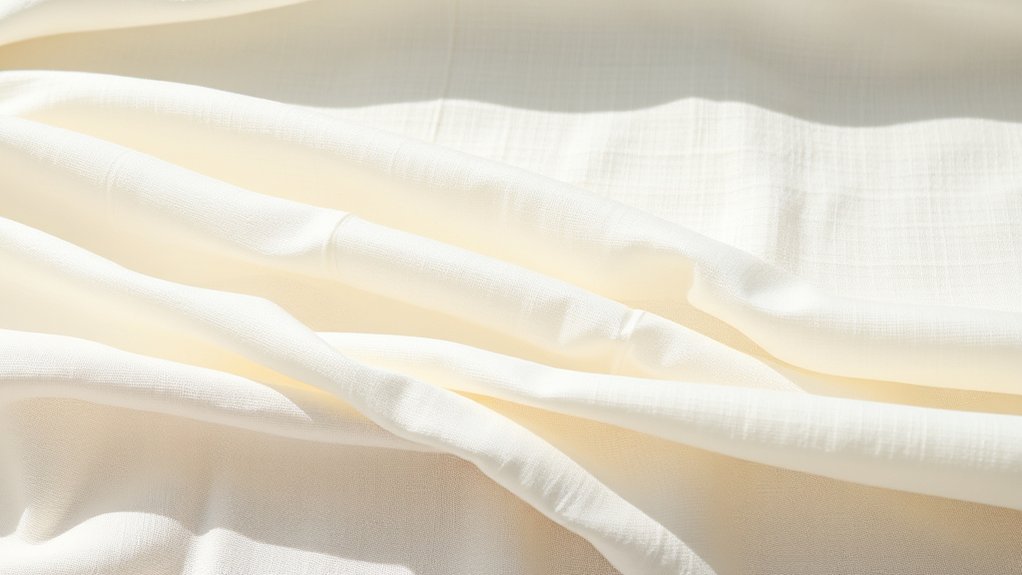
As you enjoy the softness and breathability that cotton offers, you’ll find lightweight cotton fabrics perfect for everyday wear. These fabrics balance comfort and style effortlessly, thanks to various cotton fabric weaves and cotton dyeing techniques that improve their look and feel.
Here are four popular lightweight cotton fabrics to consider:
- Voile A sheer, tightly woven fabric with a crisp finish, perfect for blouses and dresses.
- Lawn Smooth and lightweight, offering a soft feel and excellent drape for casual shirts.
- Poplin A plain weave fabric with a fine ribbed texture, ideal for everyday shirts and skirts.
- Chambray Woven with colored warp and white weft threads, it mimics denim’s look but remains light and breathable.
These fabrics use specific weaves and dyeing methods to keep them light while maintaining durability. Incorporate them into your wardrobe for comfortable, stylish everyday wear.
Breathable Cotton Fabrics Ideal for Hot Weather
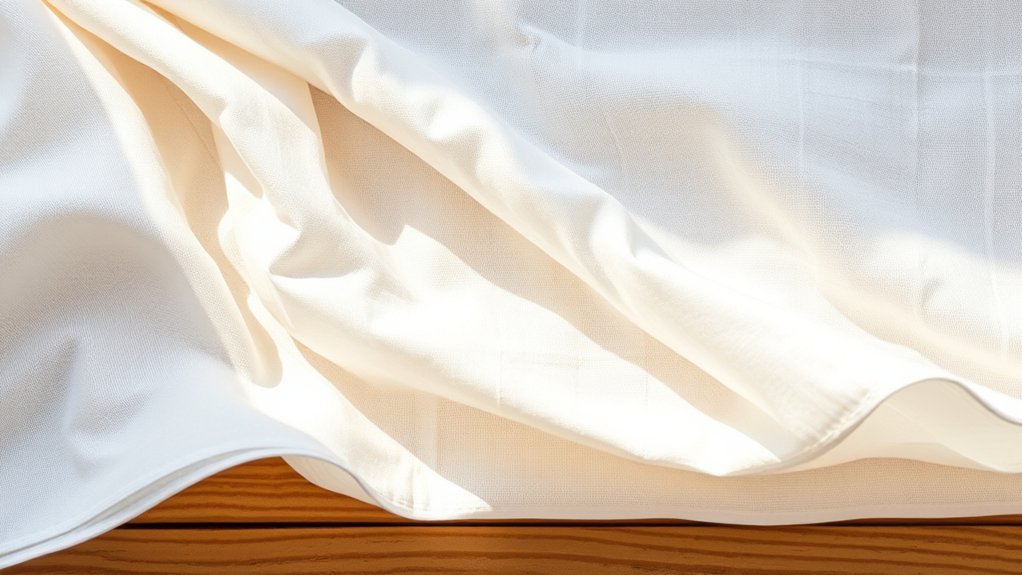
When the temperature rises, you’ll want cotton fabrics that stay light and let your skin breathe. It’s all about feeling comfortable, right? So, look for varieties with moisture-wicking properties to keep sweat at bay. Plus, fabrics that promote airflow and ventilation really help you stay cool throughout the day. Trust me, it makes a big difference when the heat is on!
Lightweight Cotton Varieties
How do you stay cool and comfortable in the hottest weather? Lightweight cotton varieties are your best bet. These fabrics use specific cotton fabric textures and cotton dyeing techniques that maximize breathability and softness.
Here are four popular types you’ll want to know:
- Voile Sheer and airy, perfect for summer dresses and curtains.
- Lawn Smooth with a slight crispness, ideal for shirts and blouses.
- Batiste Soft and lightweight, often used for delicate garments.
- Gauze Loose weave with a crinkled texture, great for casual wear.
These lightweight cottons keep air flowing without sacrificing comfort or style. They’re essential for hot weather wardrobes.
Moisture-Wicking Properties
Lightweight cotton varieties like voile and gauze don’t just feel good against your skin. They also help manage moisture to keep you dry.
These fabrics naturally wick sweat away, making them perfect when the temperature rises. When you choose cotton for hot weather, it’s important to think about how cotton fabric dyeing and cotton fabric printing affect these moisture-wicking properties.
Some dyeing methods can reduce breathability, so opting for fabrics treated with gentle, water-friendly dyes keeps the cotton’s natural absorbency intact. Likewise, minimal or light printing preserves the fabric’s ability to draw moisture away from your skin.
Airflow and Ventilation
Although cotton naturally offers breathability, selecting the right weave and fabric type can markedly boost airflow and ventilation in hot weather. To stay cool and stylish, focus on these breathable cotton fabrics:
- Cotton Voile: Lightweight with a loose weave, perfect for maximum airflow.
- Cotton Lawn: Smooth and fine, it balances breathability and softness.
- Seersucker: Puckered texture lifts fabric off skin, enhancing ventilation.
- Muslin: Open weave allows excellent air circulation.
These fabrics align well with current fashion trends, emphasizing comfort without sacrificing style. Keep in mind, fabric dyeing techniques can affect breathability, so opt for light, natural dyes that maintain airflow. By choosing the right cotton fabric, you’ll enjoy both comfort and trendiness during hot weather.
Durable Cotton Fabrics That Last
When you choose cotton fabrics, durability often tops the list of priorities because you want materials that can withstand regular wear and washing. To guarantee long-lasting quality, manufacturers perform durability testing, which examines how fabrics hold up under stress, abrasion, and repeated laundering.
One key factor influencing durability is fabric weaving. Tighter weaves like canvas or twill create stronger, more resilient cotton fabrics that resist tearing and fraying better than looser weaves. For example, denim and duck cloth use dense weaving patterns, making them ideal for heavy-duty use.
As you shop, look for cotton fabrics with high thread counts and firm weaves, as these characteristics generally indicate superior strength. By understanding how durability testing and fabric weaving affect cotton’s lifespan, you can confidently select materials that stand up to daily use without sacrificing comfort or style. This knowledge helps you invest in cotton fabrics that truly last.
Soft Cotton Fabrics Perfect for Bedding
When you’re picking out bedding, you’ll want soft cotton fabrics like percale, sateen, or flannel that feel gentle against your skin. They’re not just cozy—they also offer great breathability and comfort. This means you can sleep better through the night without waking up feeling too hot or too cold. So, let’s take a closer look at why these soft cotton options are just right for your bedding needs.
Types of Soft Cotton
What makes certain cotton fabrics feel irresistibly soft against your skin? It often comes down to the type of cotton fabric textures and the dyeing techniques used. Here are four popular types of soft cotton you should know:
1. Combed Cotton
Fibers are specially combed to remove impurities, resulting in a smoother, softer texture.
2. Pima Cotton
Known for its long fibers, Pima cotton feels luxuriously soft and resists pilling.
3. Egyptian Cotton
Celebrated for its fine threads and softness, thanks to meticulous cotton fabric dyeing techniques.
4. Supima Cotton
A premium variety of Pima cotton, offering exceptional softness and durability.
Each type offers unique softness, making them ideal choices for cozy, comfortable bedding.
Benefits for Bedding
Why settle for less when you can enjoy the unmatched comfort of soft cotton fabrics in your bedding? Cotton’s fabric history shows it’s been a go-to choice for centuries, thanks to its breathability and softness.
Modern cotton farming techniques have improved fiber quality, ensuring your sheets feel smoother and last longer. When you choose bedding made from soft cotton, you get natural moisture-wicking properties that keep you cool and dry all night.
Plus, cotton’s durability means your bedding withstands regular washing without losing its comfort. By opting for these fabrics, you’re embracing a tradition rooted in quality and comfort, making your sleep environment healthier and cozier.
Soft cotton bedding truly transforms your rest experience with timeless benefits.
Textured Cotton Fabrics That Add Style
Although plain cotton offers comfort and breathability, textured cotton fabrics bring a unique dimension to your wardrobe by combining tactile appeal with visual interest. These fabrics use textured patterns and fabric embellishments to raise simple cotton into stylish pieces that stand out.
Textured cotton fabrics elevate comfort with engaging patterns and tactile charm for standout style.
Here are four textured cotton fabrics you’ll love:
1. Seersucker
Featuring puckered stripes, seersucker adds dimension and keeps you cool.
2. Matelassé
With its quilted, raised patterns, this fabric gives a luxurious, padded look.
3. Waffle Cotton
Its grid-like texture adds depth and is perfect for casual wear.
4. Jacquard Cotton
Intricately woven with detailed patterns, it offers eye-catching fabric embellishments.
Organic and Sustainable Cotton Fabrics to Consider
When you choose organic and sustainable cotton fabrics, you support eco-friendly practices that reduce environmental impact and promote healthier farming. These fabrics come from cotton grown without harmful pesticides or synthetic fertilizers, relying on sustainable farming methods that protect soil health and conserve water.
By selecting cotton with organic certification, you guarantee the fabric meets strict standards for environmental responsibility and chemical-free production. This certification guarantees that the cotton was cultivated using methods that prioritize biodiversity and minimize pollution.
When shopping, look for labels indicating organic certification to make informed choices that benefit both you and the planet. Sustainable cotton fabrics not only feel soft and breathable but also reflect a commitment to ethical production.
Choosing these fabrics helps foster a greener textile industry, so you can enjoy quality cotton while supporting farmers and ecosystems that thrive sustainably. Your choices truly make a difference in promoting a healthier world through fashion.
Cotton Blends That Improve Comfort and Performance
Beyond choosing organic and sustainable cotton, you can improve your fabric’s comfort and performance by exploring cotton blends. Cotton fabric blends combine the natural breathability of cotton with the durability and stretch of other fibers. This creates performance-enhancing textiles perfect for everyday wear and active lifestyles.
Here are four cotton blends to contemplate:
- Cotton-Polyester: Adds wrinkle resistance and durability while maintaining softness.
- Cotton-Spandex: Offers excellent stretch and recovery, enhancing comfort and mobility.
- Cotton-Linen: Improves breathability and moisture-wicking for hot weather.
- Cotton-Rayon: Feels silky and drapes well, boosting comfort with a smooth finish.
How Cotton Fabrics Affect Care and Maintenance
Because cotton fabrics vary in weave and blend, their care and maintenance can differ considerably. When you handle cotton garments, pay close attention to fabric color and dyeing techniques used. Darker or brightly dyed cotton may bleed or fade if washed improperly, so always follow care labels and use cold water to preserve color vibrancy.
Some dyeing techniques, like reactive dyes, bond well and resist fading, while others require gentler handling.
The fabric’s weave also impacts maintenance. Tighter weaves like poplin hold up better to frequent washing, while looser weaves such as voile need more delicate treatment to avoid stretching or damage.
Blended cottons might require different detergents or drying methods compared to pure cotton.
How to Choose the Right Cotton Fabric for Your Project
Understanding how cotton fabrics respond to care helps you make smarter choices for your projects. When selecting the right cotton fabric, consider these key factors:
- Purpose of the project: Choose a fabric weight and texture that fits your design, whether it’s light cotton voile for airy garments or heavy denim for durable items.
- Fabric dyeing: Look for fabrics dyed with quality methods to ensure vibrant, long-lasting colors that won’t fade quickly after washing.
- Source and cotton farming: Opt for cotton from reputable farms that use sustainable practices, as this often means better fiber quality and eco-friendly production.
- Care requirements: Match the fabric’s care needs with your willingness to maintain it. Some cottons wrinkle less and tolerate machine washing better.
Frequently Asked Questions
How Is Cotton Fabric Produced From Raw Cotton?
You start by cotton harvesting, picking the raw cotton from the plants. Then, you take the cotton to a gin, where cotton ginning separates the fibers from seeds and debris.
After that, the cleaned cotton fibers get spun into threads, which you can weave or knit into fabric. This process transforms raw cotton into the soft, durable cotton fabric you use daily.
What Are the Environmental Impacts of Cotton Farming?
You should know cotton farming uses about 20,000 liters of water per kilogram of cotton, which heavily impacts water consumption. This can strain local water supplies and harm ecosystems.
To reduce these effects, you can support sustainable farming practices that minimize water use and chemical inputs. Choosing cotton grown with eco-friendly methods helps protect the environment while still providing quality fabric for your needs.
How Does Cotton Compare to Synthetic Fabrics in Cost?
When you do a cost comparison, cotton usually costs more than synthetic fabrics upfront because natural fibers require more resources to grow and process. However, cotton’s breathability and comfort often make it worth the price.
Synthetic fabrics offer benefits like durability, stain resistance, and lower production costs, which can save you money in the long run. So, while cotton feels better, synthetics might be easier on your wallet initially.
What Historical Uses Has Cotton Fabric Had?
Cotton fabric has woven itself into history’s tapestry, carrying immense historical significance. You’ve seen it dress ancient Egyptians, symbolizing purity, and later become a cornerstone of trade and industry worldwide.
Its cultural influence spans from Indian muslins to American quilts, telling stories of tradition and identity. When you wear cotton, you’re embracing centuries of human creativity and connection, feeling the pulse of countless cultures stitched into every fiber.
Can Cotton Fabric Cause Allergies or Skin Irritation?
Yes, cotton fabric can cause allergies or skin irritation, especially if you have skin sensitivity. While cotton is generally hypoallergenic, some allergy triggers like chemicals used in processing or dyes can bother your skin.
If you notice redness or itching, it might be due to these irritants rather than the cotton itself. To avoid discomfort, choose organic or untreated cotton fabrics, and always wash new clothes before wearing them.
Conclusion
Now that you know the ins and outs of cotton fabrics, you’re ready to pick the perfect one for any project. Whether you want something lightweight for summer or durable enough to stand the test of time, cotton has you covered.
Don’t let the choices overwhelm you. Just take it one stitch at a time. With the right fabric, you’ll be sewing up a storm and enjoying comfort that feels like second skin. Choosing from these 10 cotton fabric types you should know will make all the difference.