Woven Vs Knit Fabric: 7 Key Differences
Choosing the right fabric for your project can feel overwhelming, especially when you want something that fits well, feels comfortable, and looks great. You’re not alone—many people struggle with deciding between woven and knit fabrics because each has its own unique benefits and challenges.
Woven and knit fabrics differ mainly in structure, stretch, drape, durability, comfort, texture, and sewing ease. You’ll find woven fabric tightly interlaced for a crisp, stable shape that works well for tailored pieces, while knit fabric uses loops for natural stretch, softer drape, and easier movement.
Wovens are usually stronger and neater to sew, while knits feel more flexible and breathable. Choose based on your garment’s fit, style, and performance needs, and there’s more to compare below.
Key Takeaways
- Woven fabrics are made by interlacing yarns, while knit fabrics are made by looping yarns together.
- Knit fabrics stretch more and drape softly, making them ideal for casual, flexible garments.
- Woven fabrics hold their shape better and create crisp, structured silhouettes.
- Woven fabrics are generally stronger for tailored pieces, collars, cuffs, and heavy-use garments.
- Knit fabrics are more breathable and comfortable, but woven fabrics are easier to press and finish neatly.
What Is Woven Fabric?
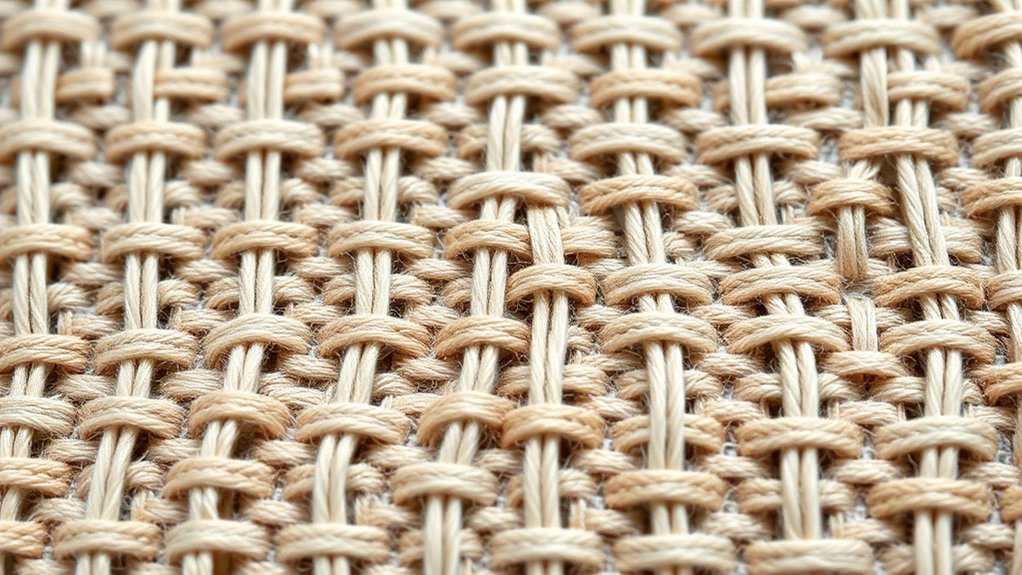
Woven fabric is made by interlacing two sets of yarns, warp and weft, at right angles, creating a stable, durable material. You’ll find that this structure gives woven fabric characteristics like strength, crispness, and shape retention.
Because the yarns lock together tightly, the fabric resists stretching and holds up well in everyday wear. You can choose it for clothing, upholstery, curtains, bedding, and bags when you need reliability and structure.
Tightly locked yarns give woven fabric strength, structure, and reliable performance in everyday use.
Different yarn types, weaves, and finishes change its feel, appearance, and performance, so you can match the fabric to your project with confidence. You may notice it drapes smoothly or feels firm, depending on how it’s made.
Understanding woven fabric uses helps you pick the right textile for shirts, jackets, dresses, and home décor. If you want a material that looks polished and performs consistently, woven fabric is a practical choice.
What Is Knit Fabric?

Knit fabric is made by looping yarns together, which means it has a stretchy structure that moves with you. Because of that looped construction, knit fabric is super comfortable, flexible, and has a unique surface texture.
You’ll also find different kinds of knits, like jersey and rib knit. Each one has its own special look and feel, so there’s a lot to choose from depending on what you want.
Knit Fabric Structure
Think of knit fabric as a series of interlocking loops rather than a tight grid of crossed yarns. You can see this looped structure gives the cloth built-in stretch and recovery, because each loop can shift when you pull it.
In circular knitting, one yarn forms rows of connected loops around the fabric, which helps create a smooth, continuous structure. In warp knitting, separate yarns travel lengthwise and link into stable loop chains, giving you a firmer feel.
Since the loops aren’t locked in a rigid grid, you’ll notice knit fabric bends, drapes, and responds to movement more easily than woven cloth. That structure also makes it comfortable against your skin and ideal when you want flexibility without sacrificing shape retention.
Common Knit Types
Once you know how looped yarn creates stretch, it’s easier to see why knit fabric comes in so many forms. You’ll often find jersey fabric as a lightweight single knit, while ribbed fabric uses a purl stitch to add elasticity and recovery.
If you want more structure, interlock fabric gives you a smoother double knit feel, and ponte knit offers a stable, polished drape. For warmth, fleece knit traps softness without much bulk.
For movement, performance knit wicks moisture and stretches with you. When you need decoration, lace knit adds open detail without losing knit behavior. Each type changes comfort, shape, and use, so you can choose the right knit for tees, sweaters, activewear, or tailored pieces.
Woven Vs Knit Fabric: Stretch And Shape

When you compare woven and knit fabric, stretch and shape are where the differences become obvious. Knit fabric naturally gives and recovers because its looped structure lets it move with the body, while woven fabric stays more stable and holds a crisp, structured shape.
You’ll notice this in how each fabric handles drape, fit, and tailoring. Knit fabrics usually offer better stretch properties, so they suit garments that need flexibility and comfort, like tees, activewear, and close-fitting pieces.
Woven fabrics, by contrast, give you stronger shape retention, which helps collars, cuffs, pleats, and tailored seams keep their form. If you want clothing that follows your movement, choose knit. If you want clothing that sits away from the body and keeps clean lines, choose woven.
Understanding this difference helps you match fabric behavior to the silhouette you want.
Woven Vs Knit Fabric: Strength And Durability
When you compare woven and knit fabrics, you’ll notice that woven fabrics usually offer greater tensile strength. That’s because their tighter structure holds up well when pulled. On the other hand, knit fabrics resist wear and tear in a different way. Their flexible loops allow them to handle repeated bending without breaking down.
Tensile Strength Comparison
Tensile strength often separates woven and knit fabrics in practical use, and you can usually see the difference in how they handle pulling forces. You’ll notice that woven cloth resists stretching because yarns lock together tightly, while knit fabric gives more because loops move with you. Your choice depends on tensile strength factors like yarn type, weave density, and fiber blend.
Woven fabrics usually keep shape under load. Knit fabrics stretch, then recover. Tighter structures raise pulling resistance. Textile engineers match tensile strength applications to the needed support.
If you need stable panels, woven often wins. If you want controlled stretch, knit does better. In both cases, construction sets the performance limits you’ll rely on.
Wear And Tear Resistance
Beyond how much force a fabric can handle, you also need to think about how well it stands up to everyday abrasion, snagging, and repeated use. You’ll usually find woven fabrics resist scuffs better because their tight structure spreads wear across the surface. That makes them a smart choice when you want fabric longevity in upholstery, workwear, or bags.
Knit fabrics, by contrast, flex more easily, but their loops can catch, stretch, and pill faster under friction. If you choose knits, you can improve durability with simple maintenance tips like washing gently, avoiding rough surfaces, and storing items properly. In short, woven fabric often lasts longer under heavy use, while knit fabric performs best when comfort matters more than constant abrasion.
Woven Vs Knit Fabric: Breathability And Comfort
Breathability and comfort often come down to how the fabric is built: knit fabrics usually let air move more freely because their looped structure stretches and opens up. Woven fabrics tend to feel crisper and more structured because their tighter interlaced threads hold shape better.
When you choose between them, think about your breathability factors and comfort levels in the setting you’ll wear them. Knit fabrics can feel easier against your skin during active days, while woven fabrics may suit you when you want a firmer, more contained feel.
- Pick knits for warmer weather or movement.
- Pick wovens when you want a less airy option.
- Check fiber content, since it changes airflow.
- Try the garment on, because fit affects comfort.
You’ll notice that a fabric’s finish, weight, and stretch also shape how cool or cozy it feels throughout the day.
Woven Vs Knit Fabric: Texture And Drape
Texture and drape are where woven and knit fabrics really start to look and move differently. You’ll notice woven fabric usually feels crisper and more structured because its threads lock together tightly. That construction creates sharper texture variations, from smooth poplin to nubby twill, and you can feel those surfaces under your fingers.
Woven fabric feels crisp and structured, with texture variations that you can see and feel.
Knit fabric, by contrast, has a softer, looped surface that often feels more relaxed and flexible. Its drape qualities tend to be fluid, so it falls in gentle curves instead of holding a firm shape.
When you move in woven cloth, it often keeps its outline and shows clean lines. Knit fabric follows your body more closely and sways with less resistance.
Neither is better; they simply create different visual effects and tactile experiences. If you pay attention to how a fabric hangs and feels, you’ll quickly see which one gives you the texture and movement you want.
How To Choose Between Woven And Knit Fabric
Choosing between woven and knit fabric starts with the job the material needs to do. If you need structure, crisp lines, or durable shape, pick woven. If you want stretch, comfort, and easy movement, choose knit.
Match the fabric to your fabric applications, because each one performs differently in shirts, trousers, dresses, and activewear. Also consider your style preferences. Polished and tailored designs usually suit woven cloth, while relaxed or body-skimming pieces often look better in knit.
- Choose woven for collars, cuffs, and tailored seams.
- Choose knit for tees, leggings, and casual layers.
- Check stretch, recovery, and wrinkle resistance before you buy.
- Test how the fabric feels against your skin and moves with you.
You should also think about sewing skill, since woven fabrics can be easier to press and finish neatly, while knit fabric often needs stretch stitches or a serger for clean results.
Frequently Asked Questions
Which Fabric Is Easier to Sew for Beginners?
Knit fabric is usually easier for you to sew as a beginner because it forgives small mistakes and doesn’t fray as much. You’ll still need basic sewing techniques, like using a stretch stitch or zigzag, to handle fabric stretch.
Woven fabric can be simpler for straight seams, but it often needs more precise cutting and finishing. Start with stable knits, and you’ll build confidence faster while learning.
Can Woven and Knit Fabrics Be Blended Together?
Yes, you can blend woven and knit fabrics, but you’ll want the right blending techniques. You’ll need to match their fabric properties, like stretch, drape, and stability, so the final piece hangs well.
You can use knit as a side panel, cuff, or insert with woven sections. To keep your project smooth, test seam finishes and needle choice first. That way, you’ll avoid puckering, distortion, and uneven wear.
Which Fabric Is Better for Activewear Linings?
For activewear linings, you’ll usually want knit fabric because it moves with you, feels softer, and helps with moisture management. You can choose a knit lining when you need comfort and flexibility during workouts.
Woven linings can work, but they often feel less forgiving and may restrict motion. If you want better stretch retention, pick a high-quality knit blend that bounces back after repeated wear and washing.
Do Woven and Knit Fabrics Shrink Differently?
Yes, they usually shrink differently. You’ll often see knits shrink more because their loops relax and tighten with heat or washing, while wovens usually hold shape better thanks to stronger fabric stability.
Still, shrinkage factors like fiber content, weave or knit structure, temperature, and drying method matter a lot. Check care labels, prewash when needed, and you’ll reduce surprises and keep your garments fitting as expected over time.
How Should Each Fabric Be Washed and Dried?
About 80% of laundry damage comes from heat and rough handling, so you should treat each fabric gently. For fabric care, wash woven items in cool or warm water on a normal cycle. Then tumble dry low or line dry to keep them crisp.
Use washing techniques like gentle cycles for knits. After washing, reshape and air dry flat to prevent stretching. Don’t wring either fabric, and always check care labels first.
Conclusion
So, when you’re choosing between woven and knit fabric, you’re really choosing between two textile superheroes. Woven fabric gives you crisp structure, serious durability, and a polished look that practically stands at attention.
Knit fabric? It stretches like a dream and feels so comfy you may never want to take it off. Pick woven for shape and strength, or knit for softness and flexibility.
Either way, you’ve got a fabric that can totally transform your project. When it comes down to it, understanding woven vs knit fabric helps you make the best choice for your needs.