How Long Does COVID Stay on Fabrics?
Worried about how long COVID stays on your clothes? You’re not alone. Many people struggle with understanding how to keep their fabrics safe and reduce the risk of virus transmission in everyday life. It’s a common concern, especially when it comes to choosing the right products to protect your household.
COVID-19 can survive on fabrics from a few hours up to several days, depending on the material and environment. Natural fabrics like cotton absorb moisture and usually hold the virus for about a day, while synthetic fabrics like polyester can keep it viable for 2–3 days.
Factors such as temperature, humidity, and fabric texture also affect how long the virus lasts. If you want to understand the best ways to reduce risk and keep your fabrics safe, you’ll find helpful guidance ahead.
Key Takeaways
- COVID-19 can survive on fabrics from several hours up to 3 days, depending on fabric type and environmental conditions.
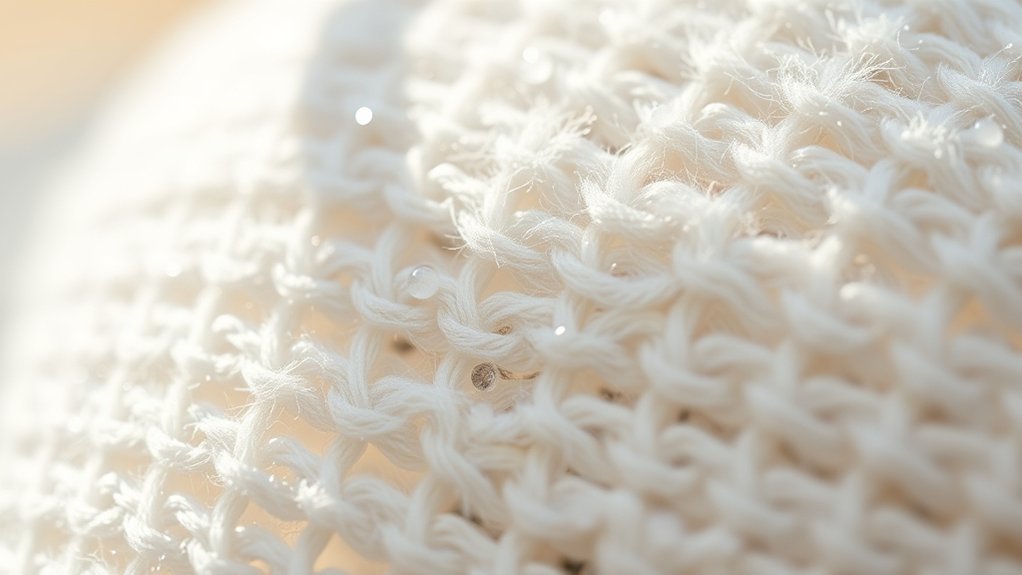
- Natural fabrics like cotton generally reduce virus survival to about 1 day because they absorb moisture.
- Synthetic fabrics, such as polyester, may hold onto the virus longer, often up to 2 or 3 days.
- Higher temperatures, UV light, and humidity help decrease the virus’s viability on textiles. Cooler, dry conditions tend to make it last longer.
- Proper laundering with hot water and disinfectants effectively gets rid of the virus from fabric surfaces.
How Long Does COVID-19 Survive on Different Fabrics?
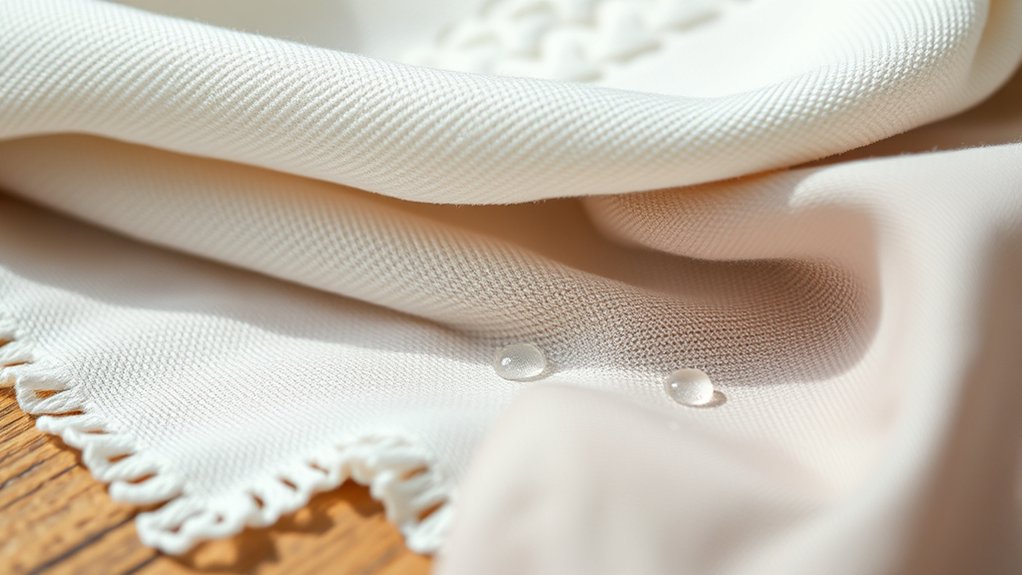
Although the exact duration varies, COVID-19 can survive on different fabrics for several hours to a few days. When you consider the impact of fabric dyeing and textile manufacturing processes, you realize these steps influence virus survival.
For instance, tightly woven fabrics created during textile manufacturing tend to trap the virus longer compared to loosely woven materials. Likewise, fabric dyeing can change the surface texture and chemical composition of textiles, affecting how long the virus remains viable.
You’ll notice that synthetic fabrics like polyester often retain the virus longer than natural fibers like cotton, which absorb moisture and may reduce virus lifespan. Understanding these differences helps you manage cleaning and handling protocols more effectively.
What Factors Affect COVID-19 Survival on Fabrics?
When you consider how COVID-19 survives on fabrics, several key factors come into play, including fabric type, environmental conditions, and surface treatments. The material itself influences virus survival. Synthetic fabrics often behave differently from natural ones.
Environmental factors like temperature, humidity, and sunlight exposure also affect how long the virus remains active. For example, higher temperatures and UV light tend to reduce its survival time.
Surface treatments, including those involved in fabric dyeing, can change how the virus interacts with the fabric. Some dyes or chemical finishes may either inhibit or unintentionally preserve the virus longer.
Notably, fashion trends impact this too. As new styles emerge, they bring different fabrics and treatments that might affect virus survival rates. So, staying aware of these factors helps you understand the risks better and take appropriate precautions when handling or wearing various textiles.
Does Fabric Texture Affect How Long COVID-19 Lasts?
Because fabric texture influences how particles settle and stick, it plays a significant role in how long COVID-19 survives on materials. When you consider textile durability and fabric breathability, you’ll see how different textures change virus longevity.
Rougher, more porous fabrics tend to trap the virus but also allow quicker drying, which reduces survival time. Smoother, less breathable textures might hold onto viral particles longer, increasing risk. Here’s what to keep in mind:
- Coarse textures with higher breathability dry faster, limiting virus survival.
- Dense, smooth fabrics with low breathability trap moisture, potentially extending viral lifespan.
- Durable textiles resist wear but might retain viral particles differently depending on their surface structure.
Natural vs. Synthetic Fabrics: Which Holds COVID-19 Longer?
Since different fabrics interact with viral particles distinctively, you might wonder whether natural or synthetic materials hold COVID-19 longer. Natural fabrics like cotton and wool tend to absorb moisture, which can trap viral particles but also speed up their breakdown due to moisture exposure.
Synthetic fabrics, common in modern fashion trends, often repel moisture and may allow the virus to survive longer on their surfaces. Advances in fabric manufacturing have created blends designed for durability and moisture resistance, influencing how long the virus persists.
When you choose clothing, keep in mind that synthetic fibers such as polyester or nylon could harbor the virus longer than natural fibers. However, the virus’s survival also depends on factors like fabric density and treatment during manufacturing.
Staying informed about these distinctions helps you make safer choices in your wardrobe, especially as fashion trends continue to evolve with new fabric technologies.
How Do Temperature and Humidity Impact COVID-19 on Fabrics?
You’ll notice that temperature plays a big role in how long COVID-19 survives on fabrics. Usually, higher heat speeds up its breakdown. Humidity also has an effect—it can sometimes help the virus last longer depending on the conditions. So, understanding how temperature and humidity work together can really help you figure out the risks on different fabrics.
Temperature Effects on Virus
Although temperature and humidity might seem like minor factors, they play a crucial role in how long COVID-19 survives on fabrics. When textile manufacturing and fabric dyeing involve higher temperatures, the virus tends to break down faster. You need to understand these key points:
- Higher temperatures reduce virus survival: Heat damages the virus’s structure, making it less viable on fabrics.
- Cooler environments prolong survival: In lower temperatures, COVID-19 can stay active longer on textiles.
- Fabric treatments matter: Some dyeing processes use heat that unintentionally help lower virus persistence.
Humidity’s Role in Survival
How does humidity influence the survival of COVID-19 on fabrics? When humidity levels shift, the virus’s lifespan on textiles changes too. In textile manufacturing, moisture affects how viruses interact with fiber surfaces, including those altered by fabric dyeing.
Higher humidity often reduces virus survival, while low humidity can prolong it.
| Humidity Level | Virus Survival Time | Impact on Fabrics |
|---|---|---|
| Low (20-30%) | Up to 2 days | Dry fibers hold virus more |
| Moderate (40-60%) | Less than 1 day | Balanced moisture, less survival |
| High (70%+) | Few hours | Moist fibers cause virus decay |
Understanding humidity helps you manage virus risks on fabrics better, especially in textile environments.
Combined Environmental Influences
Humidity clearly plays a significant role in how long COVID-19 survives on fabrics, but temperature also affects the virus’s stability. When you consider fabric dyeing and textile manufacturing, these processes impact how the virus interacts with materials under different conditions. Here’s what you should know:
- High humidity combined with warm temperatures tends to reduce the virus’s lifespan on fabrics by breaking down its protective lipid layer.
- Low temperatures with low humidity can prolong virus survival, making cold storage or air-conditioned environments riskier.
- Textile manufacturing methods, including fabric dyeing, can alter fabric porosity, influencing moisture retention and consequently viral persistence.
Does Dirt or Stains Change COVID-19 Survival on Fabric?
Does the presence of dirt or stains affect how long COVID-19 survives on fabric? When you consider fashion trends and fabric manufacturing, you’ll find that the type of fabric and its surface condition play roles in virus survival.
Dirt or stains can create microenvironments on fabrics, potentially protecting the virus from environmental factors like UV light or drying out. This means COVID-19 may linger longer on soiled fabrics compared to clean ones.
However, the impact varies with the type of stain. Organic stains like sweat or oils might provide nutrients or moisture that prolong virus viability, while inorganic stains may have less effect.
Since fabric manufacturing influences fiber texture and absorbency, these characteristics also interact with how dirt and stains affect virus survival. So, when you’re dealing with clothing or textiles, keep in mind that dirt or stains can alter how long the virus remains active, making cleanliness even more important in managing contamination risks.
How Effective Is Washing at Removing COVID-19 From Clothes?
Although viruses can cling to fabric surfaces, washing your clothes properly greatly reduces the presence of COVID-19. You don’t have to worry about your favorite fashion trends or intricate fabric dyeing techniques being unsafe. Here’s how washing helps:
- Hot water breaks down the virus’s protective layer, neutralizing its threat.
- Detergents penetrate fibers and lift away contaminants, including viruses.
- Thorough drying further reduces viral particles by removing moisture they need to survive.
When you wash clothes following recommended guidelines, using warm water and detergent, you markedly minimize COVID-19 risks. Even delicate pieces with bright fabric dyeing hold up well if washed correctly. Staying mindful of laundry hygiene protects you and those around you, allowing you to adopt fashion trends confidently without fear. So, keep washing your clothes regularly; it’s one of the simplest yet most effective ways to keep COVID-19 off your fabrics.
Can COVID-19 Spread Through Upholstery and Bedding Surfaces?
When you spend time on upholstered furniture or bedding, you might wonder if COVID-19 can linger on these surfaces and pose a risk. The virus’s survival depends on fabric type, dyeing methods, and environmental conditions.
Some modern fashion trends favor synthetic blends, which may retain the virus longer than natural fibers. Fabric dyeing chemicals can also affect viral stability by altering surface properties.
| Surface Type | Virus Survival Time | Impact of Dyeing/Fashion Trends |
|---|---|---|
| Natural fabrics | Up to 1 day | Less porous, shorter virus lifespan |
| Synthetic blends | 2-3 days | Dye chemicals may protect virus |
| Mixed textiles | 1-2 days | Variable depending on treatment |
| Bedding materials | 1-3 days | Frequent washing reduces risk |
Practical Tips to Keep Your Clothes and Home Fabrics Safe
You can keep your clothes and home fabrics safe by using effective cleaning methods and handling them carefully. Just be sure to wash fabrics at the right temperature and dry them thoroughly. Also, proper storage goes a long way in preventing contamination and keeping your fabrics fresh. It’s really all about paying attention to these simple steps!
Effective Fabric Cleaning Methods
Since viruses like COVID can linger on fabrics for hours or even days, taking effective cleaning measures is essential to protect yourself and your household. You want to be sure your clothes and home fabrics are safe, especially considering how fabric dyeing and textile manufacturing processes might affect virus retention.
Follow these three steps to clean effectively:
- Use hot water cycles above 140°F to kill viruses without damaging colors.
- Add a disinfectant approved for fabrics, making sure it doesn’t fade dyes or weaken fibers.
- Dry fabrics fully in a high heat setting, since moisture can prolong virus survival.
Safe Fabric Handling Practices
A few simple habits can dramatically reduce the risk of COVID lingering on your clothes and home fabrics. Handling fabrics properly is key, especially as fashion trends and textile manufacturing evolve. Always wash your hands before and after touching laundry to avoid transferring viruses.
Separate potentially contaminated clothes from others to minimize spread. Use gloves if you’re unsure about cleanliness.
| Practice | Why It Helps | Quick Tip |
|---|---|---|
| Wash hands frequently | Prevents virus transfer | Use soap and water for 20 sec |
| Separate laundry | Limits cross-contamination | Wash contaminated items separately |
| Use gloves | Adds protection during handling | Dispose or sanitize gloves after use |
| Avoid fabric shaking | Prevents aerosolizing particles | Handle clothes gently |
Stay mindful of these steps to keep your fabrics safe and maintain your style safely.
Fabric Drying and Storage
Although drying and storing fabrics might seem straightforward, taking certain precautions can considerably reduce the risk of COVID lingering on your clothes and textiles. The fabric dyeing and textile manufacturing processes affect how fabrics hold moisture, so drying thoroughly is essential.
To keep your fabrics safe:
- Dry clothes completely in sunlight or a hot dryer; UV rays and heat help deactivate viruses effectively.
- Store dry fabrics in clean, breathable containers or closets to prevent moisture buildup, which can harbor germs.
- Avoid overcrowding; give your textiles space to breathe, reducing the chance of COVID surviving on damp surfaces.
When Should You Replace or Disinfect Fabrics to Reduce Risk?
When you want to minimize the risk of COVID transmission through fabrics, knowing when to replace or disinfect them is essential. Fabrics with complex textile weaving or those that have undergone fabric dyeing processes may retain the virus longer due to their texture and chemical treatments.
You should disinfect frequently used items like masks, clothing, and upholstery after every use, especially if you suspect exposure. Washing fabrics in hot water with detergent effectively removes and kills the virus.
Replace fabrics if they show signs of wear, damage, or if they’re difficult to clean thoroughly, as cracks and frays can harbor pathogens. For delicate or specialty fabrics where frequent washing isn’t feasible, consider using UV light disinfection or steam treatments.
Regularly inspect your textiles and prioritize hygiene to reduce contamination risks. By understanding fabric types and their care needs, you can better decide when to clean or replace them, keeping your environment safer.
Frequently Asked Questions
Can COVID-19 Be Transmitted Through Fabric Masks?
Yes, COVID-19 can be transmitted through fabric masks if virus transfer occurs from contaminated surfaces to your hands or face. However, fabric porosity plays a big role. Tightly woven fabrics reduce virus transfer by trapping droplets better.
You’ve got to wash your fabric masks regularly to minimize any risk. By doing so, you lower the chance of the virus lingering and transferring when you touch or wear the mask.
How Should I Store Clothes After Potential COVID-19 Exposure?
Wondering how to handle clothing storage after possible COVID-19 exposure? You should separate those clothes from others to avoid contamination prevention issues.
Place them in a sealed bag or hamper until you can wash them with hot water and detergent. Don’t shake the clothes to prevent spreading particles.
Are There Specific Detergents That Kill COVID-19 Better?
You don’t need special detergents to kill COVID-19 on your clothes. Most standard detergents work well against the virus, especially when combined with warm water.
Keep in mind, fabric porosity affects how easily the virus can hide, but regular washing disrupts its structure. Just use your usual detergent and wash clothes thoroughly, and you’ll effectively reduce any viral particles without needing extra chemicals or specialty products.
Can Ironing Clothes Eliminate the Virus Completely?
You might think ironing alone can completely eliminate the virus, but fabric porosity affects ironing effectiveness. While high heat from an iron can kill many germs on less porous fabrics, viruses can hide deeper in tightly woven or thicker materials.
Is COVID-19 Survival Different on Colored Versus White Fabrics?
COVID-19 survival isn’t markedly different on colored versus white fabrics. You should focus more on fabric porosity because porous materials like cotton absorb moisture and trap the virus, reducing its survival time.
Color absorption doesn’t play a major role in virus longevity. So, whether your clothes are colored or white, the type of fabric matters more than color in terms of how long the virus can survive on them.
Conclusion
Think of COVID-19 on fabrics like a stubborn shadow. It lingers longer on some textures and fades quicker on others. By washing your clothes regularly and keeping your home fabrics clean, you’re shining a light that chases this shadow away.
Remember, warmth and moisture can either feed or weaken the virus, so stay vigilant. With these simple steps, you’ll keep your fabrics—and yourself—safe, turning the tide in your favor when it comes to how long COVID stays on fabrics.