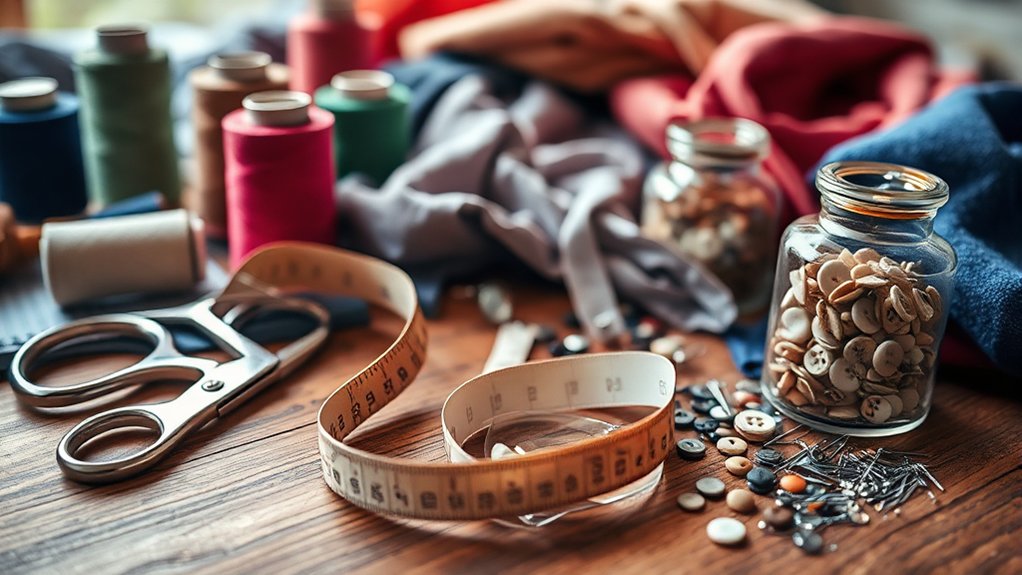
10 Best Sewing Materials for Projects
Finding the right sewing materials for your projects can feel overwhelming, especially when you’re just starting out. You’re not alone—many people struggle with choosing fabrics that suit their needs and skill levels.
Whether you want something easy to work with or durable enough for heavy wear, picking the perfect material makes all the difference.
The best sewing materials for projects depend on what you’re making, but cotton, linen, polyester blends, quilting cotton, knits, and denim cover most needs.
Cotton and quilting cotton are easy for beginners, while linen adds breathable structure. Knits work best for stretchy garments, and denim handles heavy-duty wear.
Match your thread, needles, interfacing, and batting to the fabric, and your seams will look cleaner and last longer.
There’s more to discover if you want stronger results.
Key Takeaways
- Choose fabric based on project needs: cotton for everyday sewing, linen for breathability, and polyester blends for durability.
- Use quilting cotton for beginner projects because it is stable, forgiving, and easy to handle.
- Pick knits for stretchy garments and denim for sturdy, heavy-duty items like jeans, jackets, and bags.
- Match thread, needle size, and tools to the fabric to prevent skipped stitches, holes, and uneven seams.
- Add interfacing where structure is needed, and prewash fabrics to reduce shrinkage and improve results.
How to Choose the Best Sewing Materials
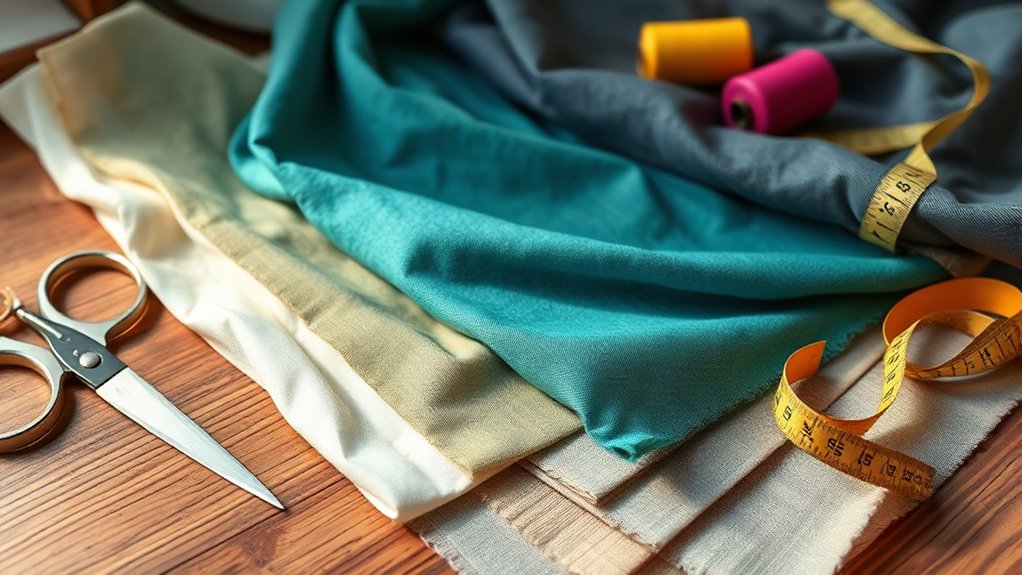
Choosing the best sewing materials starts with your project’s purpose, because the right fabric, thread, and notions depend on what you’re making and how you plan to use it.
Next, match fabric types to the job: lightweight options suit delicate pieces, while sturdier choices hold shape in structured items. Check project suitability by considering stretch, drape, durability, and how the material behaves under a needle.
You should also think about maintenance, since some materials need special care that can affect long-term use. Select thread that complements the fabric’s weight and strength, and choose needles and notions that support clean stitching.
If you’re unsure, test small samples before cutting. That quick step helps you spot puckering, slipping, or poor texture fit before you commit. When you compare options carefully, you’ll choose materials that sew smoothly and perform well.
Cotton Fabric for Everyday Projects
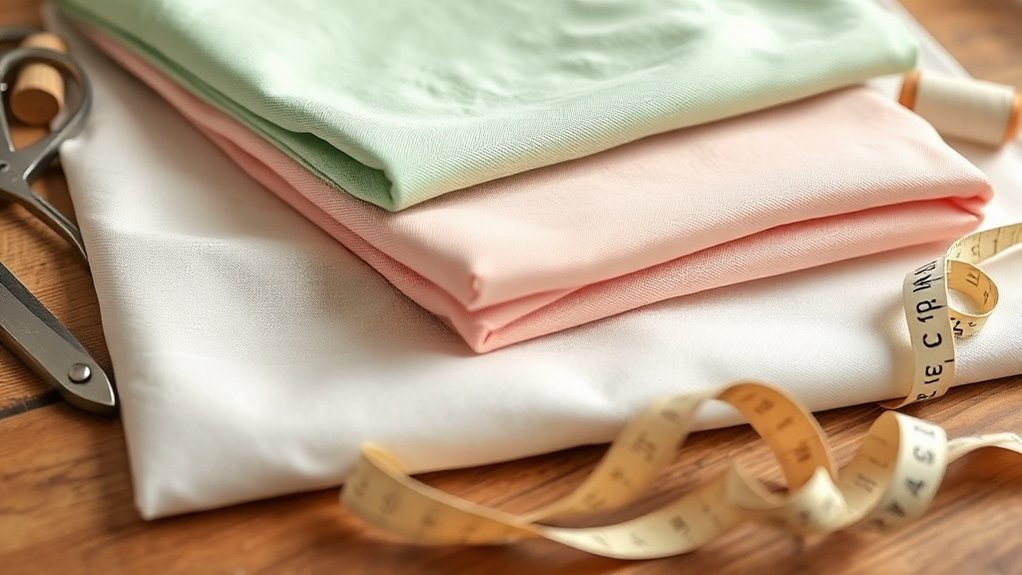
Cotton fabric is a great pick for everyday projects because it’s breathable and super comfortable to wear or use. Plus, you’ll find it really easy to cut, pin, and sew. That makes it a perfect choice if you want your project to come out smooth and hassle-free.
It’s especially handy for making things like shirts, quilts, tote bags, and simple home decor. So, whether you’re a beginner or just looking for something reliable, cotton’s got you covered!
Breathability And Comfort
When you want a fabric that feels easy to wear and work with, cotton is hard to beat for everyday projects. You get breathable fabrics that let air move through the cloth, so your finished pieces stay cooler and fresher during long wear. That makes a real difference when you sew clothing, pillow covers, or other items you use often.
Cotton also supports steady comfort levels because it feels soft against your skin without trapping excess heat. You can choose lighter weaves for warm weather or denser ones when you want a bit more structure. Either way, cotton helps you create pieces you’ll reach for again and again. If comfort matters to you, this fabric gives you a dependable, familiar feel.
Easy Cutting And Sewing
Because cotton has a stable weave and predictable drape, it’s easier to cut accurately and sew with confidence on everyday projects. You can line up the grain, smooth the fabric flat, and use simple cutting techniques without fighting slippery shifts.
Sharp shears or a rotary cutter help you keep edges clean, so you spend less time correcting mistakes and more time sewing. Cotton also responds well to common sewing tools, from basic pins to a standard presser foot, which makes setup straightforward.
You’ll notice that seams feed evenly, stitches hold well, and pressing gives crisp results. If you’re learning or just want a dependable material, cotton lets you work efficiently and focus on neat construction rather than wrestling the fabric.
Best Uses For Cotton
For everyday sewing, cotton shines in projects like tote bags, quilts, pillow covers, aprons, and simple garments because it’s stable, easy to handle, and forgiving for beginners. You can choose cotton varieties to match each job: quilting cotton for crisp seams, broadcloth for shirts, denim for sturdy bags, and flannel for cozy blankets.
Cotton also works well for napkins, table runners, and linings when you want a clean finish without fuss. You’ll appreciate its breathability, sewability, and easy pressing.
For cotton care, wash and dry it before cutting, then press pieces flat so they stay true. If you want reliable results, cotton gives you a dependable base for practice and polished everyday makes.
Linen for Breathable, Structured Sewing

Linen brings a crisp, natural strength to sewing projects that need both breathability and shape. You’ll notice how its airy weave keeps garments cool while still holding clean lines for skirts, shirts, and home décor.
When you handle linen, you feel subtle linen textures that add character without looking fussy. It presses beautifully, so you can shape seams, hems, and collars with confidence.
For best results, wash and dry your fabric before cutting, then plan for a little shrinkage. Good linen care helps your finished piece stay smooth and comfortable over time.
- A sunlit summer dress that drapes with quiet structure
- A table runner with a relaxed, tailored edge
- Crisp pillow covers that soften the whole room
- A lightweight jacket with breathable polish
Polyester Blends for Durable Results
Polyester blends give you extra strength, so your projects can stand up to regular wear and tear. Plus, you’ll notice better wrinkle resistance, which helps your sewing look neat for longer. And the best part? They’re super easy to care for, meaning you can wash and use them without much fuss.
Blend Strength Benefits
When you want a fabric that can handle regular wear without losing its shape, polyester blends deliver a strong balance of durability and ease. You can compare blend types to find the mix that suits your project, whether you need firmness, stretch, or a smoother drape.
A quick strength comparison shows why these fabrics work well for bags, uniforms, and home décor: they resist tearing better than many pure fibers and still sew cleanly.
- Picture a tote that keeps its corners crisp.
- Imagine a jacket that survives busy days.
- See curtains that hang neatly after each wash.
- Envision pillow covers that stay lively and sturdy.
With the right blend, you get dependable results and less stress at the machine.
Wrinkle Resistance
Wrinkles can creep in fast, but polyester blends help your project stay smooth with less effort. You’ll notice that these fabrics hold their shape better than many natural fibers, so seams and panels stay crisp after handling.
That makes them a smart choice when you want wrinkle-free fabrics that look polished without constant pressing. You can also choose polyester blends with fabric treatments that improve crease resistance and help the cloth recover after folding or packing.
When you cut, sew, and finish your project, the material keeps a neat appearance and supports clean lines. For garments, bags, and home décor, this durability gives you a reliable result that still looks sharp through regular use.
Easy Care Performance
If you want a project that’s simple to maintain, polyester blends make cleanup and upkeep much easier. You can wash them often, dry them quickly, and keep them looking neat without much effort. Their smooth fibers resist stains, so spills don’t cling as stubbornly as they do on many natural fabrics.
For fabric care, you’ll appreciate how little special treatment they need.
- A school tote that wipes clean after muddy days
- Curtains that hold color after repeated washing
- Table linens that stay crisp through busy meals
- Activewear that dries fast after a workout
These maintenance tips help you save time and reduce stress. When you choose polyester blends, you’re picking durability, convenience, and dependable everyday performance for projects that need to last.
Quilting Cotton for Beginner Projects
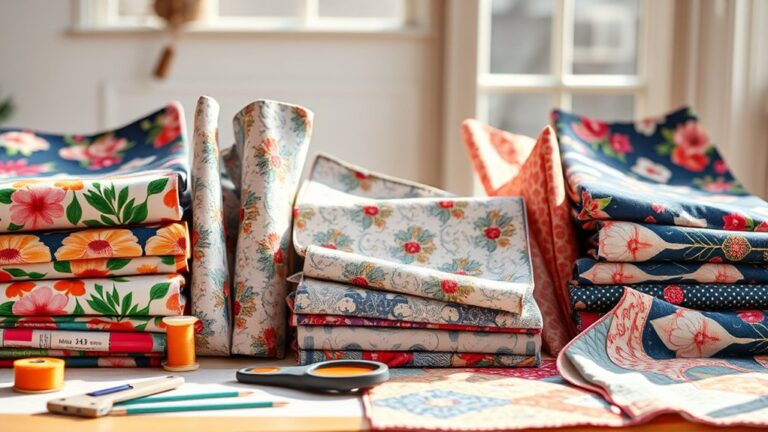
Quilting cotton is one of the easiest fabrics to start with because it’s stable, easy to cut, and forgiving for beginner sewing projects. You can use it to practice straight seams, corners, and simple quilting techniques without fighting slippery fabric. It presses well, holds its shape, and helps you see your stitches clearly, which builds confidence fast.
Because it comes in many prints and weights, you can choose fabric compatibility that fits your pattern and skill level. Start with cotton pillowcases, tote bags, patchwork squares, or table runners, since these projects don’t need advanced handling.
Prewash the fabric if your pattern calls for it, then press it smooth before cutting. You’ll get cleaner results when you use sharp scissors, a fresh needle, and consistent seam allowances.
If you want a material that teaches the basics while still looking polished, quilting cotton gives you a reliable, beginner-friendly foundation for many projects.
Knits for Stretchy Sewing Projects
When you’re ready to make garments or projects that need a little give, knits are the fabric to reach for. You’ll love how stretchy fabrics move with you, making T-shirts, leggings, and cozy tops feel comfortable and easy to wear. Choose the right weight for your pattern, then match your needle and thread so your stitches stay smooth.
Because knits can curl, pin carefully and handle the edges gently as you cut and sew.
- Soft jersey draped over your hands
- Rib knit stretching like a spring
- A folded hem lying flat and neat
- A finished tee that flexes with movement
Use simple sewing techniques like a stretch stitch, zigzag, or serger to keep seams flexible. If you test a scrap first, you’ll avoid wavy seams and skipped stitches. With a little practice, you can turn knits into polished pieces that look good and feel even better.
Denim for Heavy-Duty Sewing
Denim is a sturdy choice when your project needs strength and structure, from jeans and jackets to aprons and tote bags. You’ll appreciate its tight weave, durable feel, and ability to hold shape after repeated wear.
Those denim characteristics make it ideal when you want a project that can handle stress without sagging. For best results, prewash the fabric to reduce shrinkage and soften the hand before you cut.
Use sewing techniques that respect its thickness: sew slowly, flatten seams as you go, and test topstitching on scraps to keep lines even. You can also choose lighter or heavier denim depending on how much body your project needs.
Because denim frays, plan clean seam finishes and reinforce stress points where needed. When you match the right weight and use careful sewing techniques, denim gives your work a polished, long-lasting finish that stands up to everyday use.
Essential Thread, Needles, and Notions
Even the best fabric needs the right supplies to come together cleanly, so choosing thread, needles, and notions matters as much as choosing the material itself. You’ll get smoother seams when you match thread types to your project: cotton for natural fibers, polyester for strength, and topstitch thread for bold detail.
Pick needle sizes that suit the cloth, because a tiny needle can skip on heavy fabric, while a large one can leave visible holes. Keep your notions handy too, so you can sew with confidence and avoid mid-project frustration.
- A spool of matte cotton thread beside crisp woven fabric.
- Sharp universal needles lined up by needle sizes on a pin cushion.
- A seam ripper, marking tool, and scissors resting together.
- Color-matched bobbins glowing beside a finished hem.
When you prepare these basics, you’ll stitch faster, waste less time, and finish with cleaner results every time.
Interfacing for Shape and Stability
You’ll find that interfacing comes in several types, each designed to add support or structure in a different way. To get the best result, you’ll want to choose the right weight for your fabric so the piece still looks and feels balanced. When you apply it carefully, you can create clean edges, crisp collars, and a more stable finish.
Types Of Interfacing
When you need to add shape and stability to a sewing project, interfacing gives fabric the support it lacks on its own. You can choose fusible interfacing for quick bonding or sew-in interfacing when heat might distort delicate cloth.
Match fabric compatibility to your design, and test stabilizer types for project-specific results. Your interfacing techniques also matter because a clean finish keeps collars crisp and waistbands firm.
- A blouse collar standing sharp against your neck
- A tote handle holding its arch without sagging
- A cuff staying smooth after every wash
- A bag flap opening neatly, not drooping
You’ll find lightweight options for subtle structure and heavyweight options for stronger support. Pick the type that fits your fabric and the look you want.
Choosing The Right Weight
The weight of your interfacing should match both the fabric and the job it needs to do, because too little support won’t hold shape and too much can make the project stiff or bulky. You should compare fabric weight before you choose, since lightweight cotton, medium denim, and heavier wool each need different support.
For collars, waistbands, and bags, you’ll want enough firmness to keep the piece steady without overpowering its drape. Think about project suitability too: a blouse needs subtle reinforcement, while a tote can handle a stronger option.
When you balance these factors, your finished sewing looks intentional and wears better. If you’re unsure, test small scraps first so you can see how the interfacing changes the feel and structure.
Applying For Clean Structure
Once you’ve matched the interfacing weight to your fabric, apply it where shape and stability matter most, like collars, facings, waistbands, and bag panels. You’ll get cleaner edges, less droop, and a more polished finish.
Fuse or stitch the interfacing smoothly, then press firmly so it bonds without bubbles. When you plan fabric sourcing, check fiber content and weave so the interfacing complements your cloth instead of fighting it.
Choosing well also supports material sustainability, since the right layer helps garments last longer and reduces waste.
- Crisp collar points standing at attention
- A waistband that holds its curve
- Facings that lie flat against the inside
- A tote panel with a firm, tailored silhouette
Batting and Lining for a Clean Finish
For a clean, professional finish, choose batting and lining that suit both the project’s structure and its final look. You’ll get better results when you match batting types to the item’s purpose: use thin, flexible batting for quilts and garments, and denser loft for bags, coats, or home décor.
If you want extra warmth or body, select cotton, wool, or polyester batting based on how much drape you need.
Lining options matter just as much. A smooth cotton lining helps seams lie flat, while satin or polyester lining adds glide and polish.
You should also consider color and weight, since the wrong lining can show through or distort the outer fabric. Before sewing, press both layers, test the drape, and check that they won’t shift during construction.
When you align batting and lining well, you’ll improve comfort, durability, and appearance in one careful step.
Frequently Asked Questions
Which Sewing Material Resists Wrinkles Best?
Polyester resists wrinkles best, so you’ll get the smoothest results with minimal ironing. You can also choose polyester blends, microfiber, or performance knits for strong wrinkle-resistant options.
To keep your fabric looking crisp, wash it gently, remove it promptly, and hang or fold it right away. These fabric care tips help prevent creasing and extend the life of your project.
If you want easy upkeep, synthetic fibers are your best bet.
How Do I Prewash Fabric Before Sewing?
You’ll gently wake your fabric before sewing by washing it first. Use cool water for delicate fibers, warm for sturdy cotton, and a mild detergent. Follow fabric care labels, then dry it the way you plan to later, so it settles kindly.
These prewashing techniques help prevent shrinkage and bleeding. Press it smooth when dry, and you’ll start your project with confidence and fewer surprises.
Which Fabrics Are Easiest to Sew by Hand?
You’ll find cotton muslin easiest to sew by hand because it’s stable, smooth, and won’t shift much. Linen canvas also works well if you want a sturdier fabric, though it’s a bit thicker.
Jersey knit can be tricky since it stretches, but you can manage it with patience. Fleece fabric is soft and forgiving, though bulkier seams may slow you down.
Choose simple, low-fray fabrics to make hand sewing easier.
What Fabric Works Best for Making Tote Bags?
Canvas works best for making tote bags because you need strength and structure. You can choose sturdy canvas options like cotton duck, heavy linen, or waxed canvas, and they’ll hold shape well.
If you want better tote durability, pick a thicker weave and reinforce the seams and handles. You’ll also get a bag that stands up to daily use, groceries, books, and gear without stretching out or tearing easily.
How Do I Match Thread Color to Fabric?
Start by holding thread against your fabric in daylight. You’ll spot the best match faster than you’d think. Use thread color theory to pick a shade slightly darker than the fabric since it blends better than a lighter one.
Try color matching techniques like comparing thread to the fabric’s dominant tone, not its print. When in doubt, test a few stitches first. You’ll save time and avoid a mismatch.
Conclusion
Now that you know how to choose the best sewing materials, you can match each fabric and notion to the project in front of you. Cotton, linen, polyester blends, quilting cotton, denim, interfacing, batting, and lining each play a key role in getting a polished result.
Imagine this: the average sewing machine can stitch over 1,000 stitches a minute, turning your ideas into finished pieces fast. Pick wisely, and you’ll sew with confidence every time using the best sewing materials for projects.