How to Understand the Meaning of Chiffon
Struggling to find the perfect fabric that combines elegance with versatility? You’re not alone. Many people find it challenging to choose materials that look beautiful yet feel comfortable and timeless. If you’ve ever been drawn to something light and graceful but weren’t sure what it was or how to style it, chiffon might just be the answer.
To understand chiffon, you’ll want to investigate its delicate, lightweight fabric known for sheer elegance and smooth texture. It originated in 18th-century France and carries deep cultural and emotional significance, symbolizing sophistication and femininity across cultures.
Chiffon blends traditional craftsmanship with modern textile techniques, making it popular in fashion and décor.
By appreciating its history, unique qualities, and styling tips, you’ll uncover why chiffon remains a timeless symbol of grace and artistry.
Key Takeaways
- Chiffon is a lightweight, sheer fabric known for its delicate texture and elegant drape. It originated in 18th-century France.
- It symbolizes sophistication, femininity, and cultural richness. You’ll often see it used in traditional ceremonies and festive garments.
- Made from silk or synthetic fibers, chiffon has a smooth, slightly rough texture and moderate stretch. Despite that, it remains quite durable.
- Its sheer transparency and flowing drape evoke feelings of freedom, elegance, and comfort in both fashion and décor.
- Taking proper care and styling chiffon helps preserve its delicate beauty. This shows respect for textile heritage as well as cultural significance.
What Is Chiffon and Where Does It Come From?

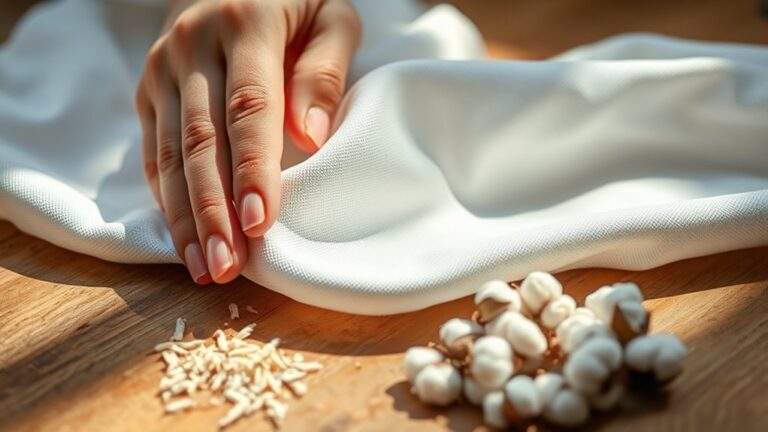
What exactly is chiffon, and where does it come from? Chiffon is a lightweight, sheer fabric known for its delicate texture and graceful drape. Its historical origins trace back to 18th-century France, where it was first crafted using silk threads.
Over time, chiffon became a symbol of elegance, often featured in high fashion and ceremonial garments across various cultures. When you delve into chiffon’s cultural significance, you’ll find it’s more than just fabric. It represents sophistication and femininity in many societies.
Designers and wearers alike appreciate chiffon for its ability to convey softness and luxury, making it a staple in evening wear and bridal fashion. So, when you think about chiffon, remember it carries centuries of history and cultural meaning, blending artistry with tradition in each delicate weave.
Understanding this background helps you appreciate chiffon not only as fabric but as a cultural artifact that continues to inspire fashion worldwide.
How Chiffon Is Made: From Threads to Fabric

Although chiffon appears delicate and airy, creating it involves a precise process that transforms fine threads into its signature lightweight fabric. You start with fine yarns, often silk, polyester, or nylon, spun tightly to guarantee strength despite the fabric’s sheer look.
Through textile innovation, manufacturers use a plain weave technique, crossing threads alternately to give chiffon its characteristic texture and flow. You’ll notice how cultural influence shapes chiffon’s production, as traditional methods blend with modern technology in regions known for textile craftsmanship.
Artisans might hand-twist threads or employ specialized looms that improve the fabric’s softness and durability. This combination of old and new techniques assures chiffon remains both elegant and practical.
Essential Characteristics That Make Chiffon Unique
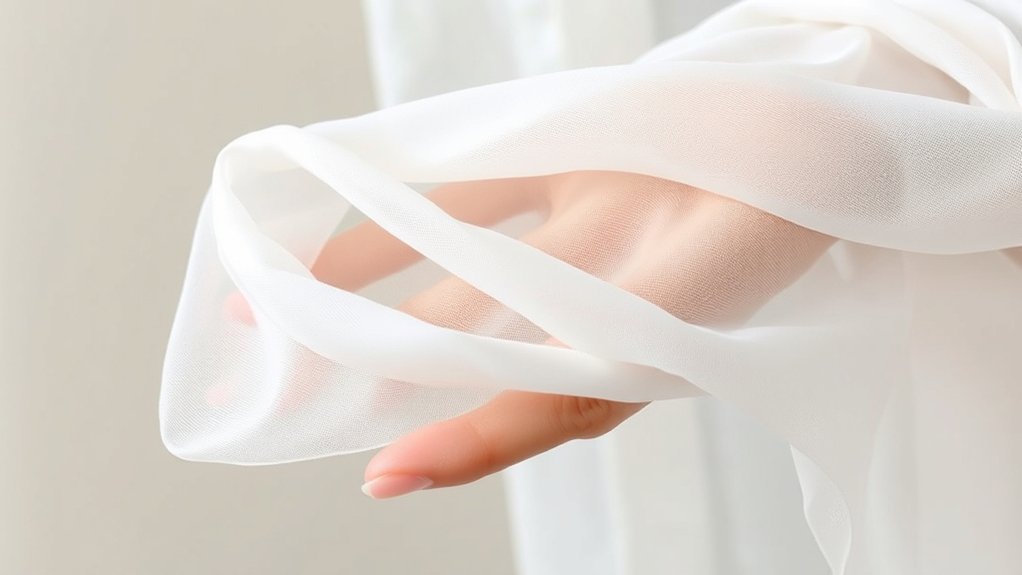
Why does chiffon feel so effortlessly light and floaty? It’s thanks to textile innovation that creates its sheer, airy texture. You can almost see the delicate weave, which gives chiffon its unique drape and soft shimmer. Cultural influences have also shaped chiffon’s appeal, making it a fabric that carries elegance and tradition across the globe.
Here’s a quick look at what makes chiffon stand out:
| Characteristic | Emotion it Evokes | Impact on Fabric Use |
|---|---|---|
| Lightweight | Freedom | Flows beautifully |
| Sheer Transparency | Mystery | Layers with subtlety |
| Smooth Texture | Comfort & Luxury | Feels gentle on skin |
When you wear or work with chiffon, you connect with both cutting-edge textile innovation and centuries of cultural richness, making it truly one of a kind.
Why Chiffon Is Popular in Fashion and Décor
You’ll love chiffon because it’s lightweight and airy, almost like it has no weight at all. It’s super versatile, too — perfect for everything from flowing gowns to delicate curtains. Plus, the way it drapes so elegantly adds a touch of sophistication wherever you use it.
Lightweight And Airy Texture
Because chiffon drapes effortlessly and feels barely there, it’s a favorite for both fashion and décor. When you choose chiffon, you’re working with an airy fabric that adds elegance without weight.
This lightweight material lets air flow through, keeping you comfortable and cool, especially in warm weather. Its sheer quality creates a delicate, almost ethereal look that *amplifies* any outfit or room setting.
You’ll notice how chiffon moves gracefully with every step or breeze, making it ideal for flowing dresses, scarves, or curtains. This texture isn’t just about appearance—it’s also about how it feels against your skin or in your space.
When you select chiffon, you *welcome* both style and comfort through its *distinctively* light, airy texture.
Versatile Design Applications
How can one fabric fit so seamlessly into both high fashion and home décor? Chiffon’s versatility comes from its historical origins and cultural significance, making it a staple across various design fields. You’ll find chiffon used widely because it effortlessly adapts to different styles and purposes. Its delicate yet durable nature allows designers and decorators to innovate boldly.
Consider these versatile design applications:
- Flowing evening gowns and bridal wear, highlighting elegance
- Lightweight curtains that soften natural light in interiors
- Decorative scarves and accessories adding cultural flair
- Layered table runners and event décor for a sophisticated touch
Elegant Draping Effect
What makes chiffon so beloved in both fashion and décor? Its elegant draping effect sets it apart. When you work with chiffon, you’ll notice how effortlessly it flows, creating soft, graceful folds that *accentuate* any design.
This quality stems from its unique weave, deeply rooted in textile history, which gives the fabric its lightweight, sheer nature. Beyond aesthetics, chiffon’s draping connects to cultural significance. Many cultures have used it in ceremonial garments and decorative pieces to symbolize grace and refinement.
Whether you’re styling a gown or arranging curtains, chiffon’s fluid movement adds sophistication and lightness. You’ll find that this fabric’s ability to drape beautifully explains why it remains a favorite choice in both fashion and décor circles.
Identifying Genuine Chiffon vs. Similar Fabrics
You’ll notice genuine chiffon has a distinct texture—it’s lighter and more delicate than similar fabrics. When you look closely, pay attention to its sheerness and weight because these often differ from blends or synthetics. Also, feel how the fabric stretches and how it feels against your skin. These little details can help you spot the real deal.
Texture Differences Explained
Although chiffon shares visual similarities with several lightweight fabrics, you can distinguish genuine chiffon by its unique texture and feel. Pay attention to the textural contrast between chiffon and alternatives like georgette or organza.
Genuine chiffon feels smooth yet slightly rough due to its tightly twisted yarns, offering a subtle grip that other fabrics lack. You’ll notice genuine chiffon’s superior fabric durability despite its delicate appearance, resisting snags better than similar materials.
To identify genuine chiffon, consider these texture clues:
- Soft but slightly crisp hand feel
- Fine, irregular surface due to twisted yarns
- Lightweight with a fluid drape
- Moderate resistance to pulling or snagging
Sheerness And Weight Comparison
Texture plays a big role in recognizing chiffon, but understanding its sheerness and weight will give you a clearer picture when comparing it to similar fabrics. Genuine chiffon is lightweight and semi-transparent, allowing subtle color variations to shine through without overwhelming the eye.
When you hold it up to light, you’ll notice its delicate, airy quality, unlike heavier fabrics that block light more completely. Despite its lightness, chiffon offers surprising fabric durability, resisting tears better than some similar sheer materials.
In contrast, fabrics like organza or georgette may feel stiffer or heavier and display less subtle color variations due to different weaving techniques. By focusing on these factors—sheerness, weight, color variations, and durability—you’ll confidently identify authentic chiffon in any fabric collection.
Fabric Stretch And Feel
When you handle chiffon, its unique stretch and feel become immediately apparent compared to other fabrics. Unlike stiffer textiles, genuine chiffon offers a light, airy drape with subtle elasticity that lets it move gracefully without losing shape.
To distinguish authentic chiffon from similar fabrics, focus on:
- Smooth, slightly rough texture that’s soft to the touch
- Moderate stretch allowing gentle give without overstretching
- Good fabric durability despite its delicate appearance
- Excellent color retention, maintaining vibrancy after washes
These characteristics help you identify chiffon’s true identity. While some imitations feel stiffer or lack resilience, real chiffon balances delicacy with strength. By paying attention to how it stretches and feels, you ensure your fabric choice matches your expectations for quality and longevity.
Common Types of Chiffon You Should Know
What makes chiffon so versatile is the variety of types you can choose from. You’ll find silk chiffon, the classic option, prized for its luxurious feel and delicate drape.
Thanks to textile innovation, synthetic chiffons like polyester and nylon have become popular. They offer durability and affordability while mimicking silk’s sheer elegance.
Synthetic chiffons like polyester and nylon combine durability and affordability with the graceful look of silk.
Each type carries cultural significance, especially silk chiffon, which has been used in traditional garments for centuries across Asia and the Middle East.
You might also encounter stretch chiffon, which blends spandex for added flexibility. It’s perfect when you want a bit more comfort without sacrificing style.
Ultimately, printed chiffon offers endless design possibilities, allowing you to make bold or subtle statements depending on your taste.
Understanding these common types helps you pick the chiffon that best suits your project, whether it’s a flowing dress or a delicate scarf. Knowing the differences ensures your chiffon choice matches both your aesthetic and functional needs.
Popular Uses of Chiffon in Clothing and Home Décor
You’ll find chiffon adds a delicate touch to many fashion pieces—think flowing dresses and elegant scarves. It’s light and airy, which makes it perfect for those soft, graceful looks. Plus, chiffon isn’t just for clothes; it also brings a gentle, breezy vibe to home décor items like curtains and table runners. So, whether you’re dressing up or sprucing up your space, chiffon really knows how to elevate both your wardrobe and living area.
Chiffon in Fashion
How does chiffon manage to bring both elegance and lightness to fashion and home décor? Its cultural significance and historical evolution have shaped chiffon into a fabric synonymous with grace. When you wear chiffon, you tap into centuries of style, where it symbolized luxury and refinement.
Today, designers use chiffon to create flowing garments that feel airy yet sophisticated.
In fashion, chiffon’s popular uses include:
- Evening gowns and bridal dresses that emphasize delicate beauty
- Lightweight scarves adding a soft, elegant touch
- Blouses and tops offering breathable comfort with style
- Layered skirts providing movement and dimension
Home Décor Applications
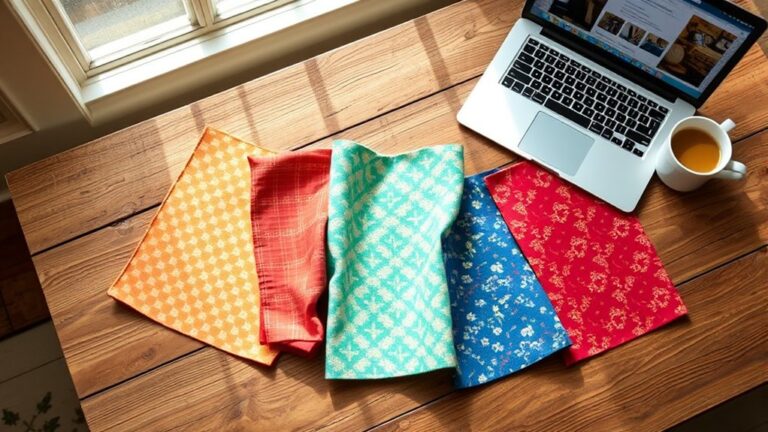
Where can chiffon’s delicate charm raise your living space? You can bring its light, airy texture into curtains, table runners, or decorative pillows. Chiffon’s color symbolism often adds meaning. Soft pastels evoke calm, while vibrant hues energize rooms.
Its cultural significance shines through in traditional ceremonies where chiffon drapes symbolize purity or celebration. Using chiffon in home décor connects you to these rich traditions and elevates your interior’s ambiance.
| Use Case | Color Symbolism | Cultural Significance |
|---|---|---|
| Curtains | Light colors for calm | Wedding décor in many cultures |
| Table Runners | Bold colors for energy | Festive celebrations |
| Throw Pillows | Soft hues for comfort | Reflects heritage in patterns |
| Wall Hangings | Symbolic colors | Spiritual or ceremonial importance |
How to Care for and Maintain Chiffon Fabrics
Though chiffon is delicate and lightweight, you can keep it looking fresh by handling it with care. Given its historical influence and cultural significance, preserving chiffon’s elegance shows respect for its rich textile heritage. To maintain chiffon fabrics, you should treat them gently to avoid damage.
Here’s how to care for your chiffon:
Hand wash in cold water with mild detergent to prevent fabric weakening. Avoid wringing; instead, press out water gently to maintain its shape. Air dry flat or hang in a shaded area to protect from direct sunlight fading. Iron on low heat with a pressing cloth to prevent scorching or melting.
Styling Tips for Wearing Chiffon Clothes
Because chiffon drapes beautifully and adds a touch of elegance, you can easily improve your outfit by choosing the right styling techniques. When wearing chiffon clothes, focus on complementary color combinations to create a balanced look. Soft pastels work great in spring, while jewel tones add richness in fall.
For summer, lighter shades keep you cool and fresh, and in winter, pair chiffon with textured fabrics for contrast. Seasonal styling plays a key role in making chiffon versatile. Layer chiffon blouses under blazers during cooler months or pair chiffon skirts with sandals in warmer weather.
Avoid heavy accessories that can weigh down the delicate fabric; instead, opt for minimal jewelry to maintain chiffon’s airy feel. Ultimately, balance chiffon’s flowy nature with fitted pieces to highlight your silhouette. By considering color combinations and seasonal styling, you’ll confidently wear chiffon for any occasion.
Where to Buy Quality Chiffon and Garments
Mastering chiffon styling is only part of the equation; finding high-quality chiffon and garments can make all the difference in how your outfit looks and feels. When shopping, you want fabrics that showcase textile innovation while respecting chiffon’s cultural significance.
The right places offer authentic, well-crafted pieces that last.
Consider these options when buying chiffon:
- Specialty boutiques focused on artisan and culturally inspired textiles
- Online platforms featuring verified suppliers of innovative chiffon blends
- Department stores with curated selections that emphasize quality and craftsmanship
- Local fabric markets where you can feel the texture and assess fabric weight firsthand
Frequently Asked Questions
Can Chiffon Be Recycled or Is It Environmentally Friendly?
Chiffon isn’t easily recyclable because it’s often made from synthetic fibers like polyester, which complicates recycling processes. If you want eco friendly materials, you should look for chiffon made from natural fibers such as silk or cotton, which are more biodegradable.
You can also repurpose chiffon creatively instead of throwing it away, reducing waste. So, while chiffon itself isn’t super eco friendly, you can still make environmentally conscious choices with it.
How Does Chiffon Fabric Affect Skin Sensitivity or Allergies?
Worried that chiffon might cause skin irritation or allergy risk? Generally, chiffon is lightweight and soft, so it’s less likely to irritate your skin.
However, if you have sensitive skin or allergies, synthetic chiffon can sometimes trigger reactions due to chemical finishes or dyes. So, how can you avoid discomfort?
Choose natural fiber chiffon, test a small patch first, and always wash new chiffon garments before wearing them to reduce allergy risk.
What Are the Historical Fashion Trends Involving Chiffon?
You’ll find chiffon played a big role in historical fashion trends, symbolizing elegance and lightness. Its historical significance shines through in the fashion evolution of the 1920s flapper dresses and the flowing gowns of the 1930s and ’40s.
You’ll notice designers kept using chiffon to add softness and movement. As fashion evolved, chiffon remained a favorite for evening wear and bridal gowns, highlighting its timeless appeal and delicate charm.
Is Chiffon Suitable for Upholstery Beyond Décor Applications?
You can’t judge a book by its cover, and chiffon is no exception in terms of upholstery. While chiffon’s delicate weave offers elegance, its durability isn’t up to the tough demands of everyday furniture use.
You’ll find chiffon maintenance tricky due to its susceptibility to snagging and staining. So, it’s best to stick with chiffon for décor accents rather than heavy-use upholstery to keep things looking fresh and fabulous.
Can Chiffon Be Used in Wedding Dresses for Outdoor Ceremonies?
Yes, you can use chiffon in wedding dresses for outdoor ceremonies, but keep its material durability in mind. Chiffon is lightweight and breathable, perfect for warm weather, but it’s delicate and prone to snagging or tearing.
You’ll want to handle fabric care carefully, avoiding rough surfaces and harsh weather conditions. With proper attention, chiffon adds a soft, elegant flow to your dress, making it ideal for romantic outdoor settings.
Conclusion
Think of chiffon like a delicate butterfly, light, airy, and effortlessly beautiful. Just as a butterfly’s wings shimmer in the sunlight, chiffon’s sheer texture adds elegance to any outfit or décor.
Remember, caring for chiffon is like tending to a fragile garden. With gentle attention, it thrives and enchants.
By understanding its origins and qualities, you’ll not only wear chiffon but embody its graceful spirit every day. That’s the true meaning of chiffon.