What Is Oilcloth?
Spills, stains, and everyday messes can quickly ruin your favorite fabrics, and if you’ve ever struggled to keep your tablecloth or picnic blanket clean, you’re not alone.
Many people want something durable and easy to wipe down without sacrificing style or comfort.
Oilcloth is a tough, wipeable fabric coated with oil or a similar finish to resist water, stains, and everyday messes. You’ll often see it used for table covers, picnic cloths, tote linings, and other places where durability matters.
It feels firmer than waxed cotton and cleans up easily with a damp cloth and mild soap.
It’s not fully waterproof, but it’s highly practical, and there’s more to uncover about how it’s made and used.
Key Takeaways
- Oilcloth is a durable, waterproof fabric made by coating cloth with linseed oil or similar finishes.
- It is known for resisting moisture, spills, and stains while being easy to wipe clean.
- Oilcloth is firmer than waxed cotton and is often used for table covers, bags, and protective surfaces.
- It is not fully waterproof under prolonged soaking, so seams, edges, and heavy pressure can allow moisture through.
- Clean oilcloth with a soft cloth, mild soap, and warm water, and avoid harsh scrubbers or cleaners.
What Is Oilcloth?
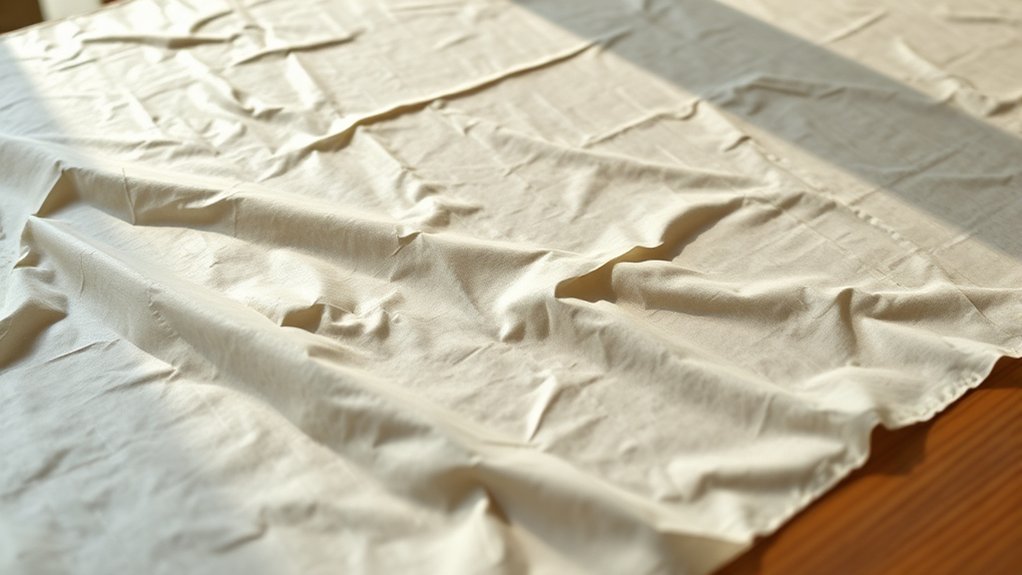
Oilcloth is a durable, waterproof fabric made by coating cloth with linseed oil or a similar protective finish. You’ll recognize it as a material that repels moisture and wipes clean easily, so you can use it where messes happen often.
Its history origins go back to practical needs at sea, in kitchens, and in workshops, where people wanted a tough surface that could handle spills and weather. Over time, you’ve seen oilcloth used for table coverings, bags, aprons, and other practical applications that benefit from protection and easy care.
Because the coating seals the fabric, it helps block water and dirt while keeping the base cloth flexible enough for everyday use. When you choose oilcloth, you’re choosing a simple, hardworking textile with a long history of usefulness.
Oilcloth vs. Waxed Cotton
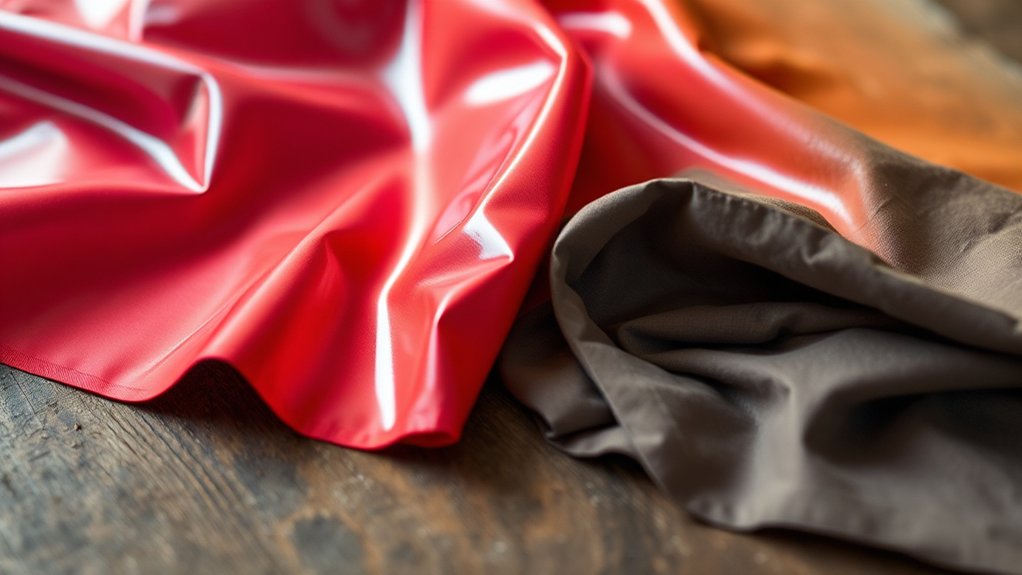
Although they’re often grouped together, oilcloth and waxed cotton aren’t exactly the same. Oilcloth uses an oil-based coating to create a waterproof, wipeable surface, while waxed cotton relies on wax to add water resistance and a softer, more flexible feel.
When you compare them, you’ll notice oilcloth feels firmer and more protective, which makes it handy for table covers and bags. Waxed cotton, by contrast, moves with you and ages with a worn-in look that many people enjoy.
If you’re interested in oilcloth history, you’ll find it tied to durable household and work fabrics. The waxed cotton benefits appeal more if you want comfort, breathability, and a patina that improves over time.
Oilcloth: sturdy and easy to clean
Waxed cotton: flexible and comfortable
Oilcloth: better for a slick, sealed finish
Waxed cotton: better for everyday wear
How Oilcloth Is Made
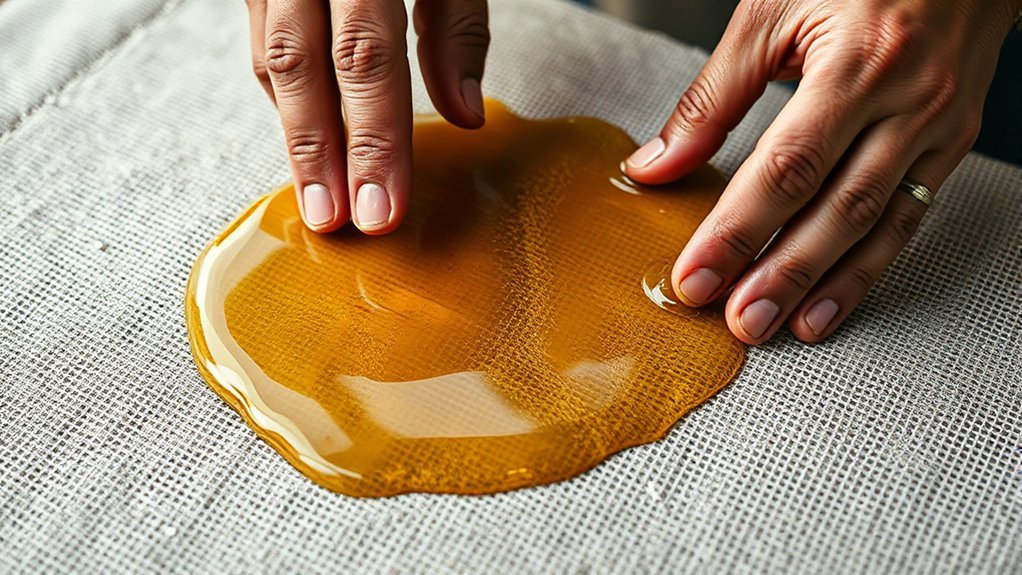
To make oilcloth, you start with a sturdy base fabric that can hold up to wear. Then, you apply a waterproof coating to seal the surface and block moisture. After that, you let it cure and finish so you get a smooth, durable material.
Base Fabric Preparation
Before the coating ever goes on, the base fabric has to be cleaned, woven, and finished to create a stable surface that will hold up under use. You’ll usually start with durable fabric types like cotton or linen, then inspect them for knots, loose threads, and uneven weave.
Next, you’ll use preparation techniques that remove sizing, dust, and oils so the cloth can accept later treatment evenly. Calendering or smoothing can help flatten the surface and tighten the weave. You also want consistent tension because that keeps the material from warping during processing.
By the end of this stage, you’ve got a clean, even foundation that’s ready for the next step in making oilcloth.
Choose strong, tightly woven cloth
Remove impurities and surface residue
Smooth and stabilize the weave
Check for uniform texture and strength
Waterproof Coating Application
Next comes the waterproof coating, which is what turns plain cloth into oilcloth. You spread a liquid blend over the prepared fabric, and it soaks into the fibers or sits on top, depending on the formula.
Modern waterproof technology lets you choose coatings that resist water, stains, and wear while still keeping the cloth flexible. You can apply the layer by brushing, rolling, or machine coating for consistent coverage across large rolls.
As you work, you make sure every section gets an even film, because thin spots weaken oilcloth applications. Manufacturers often build the coating in more than one pass to improve protection and durability.
This stage gives the material its practical performance, preparing it for everyday use in table covers, bags, and other oilcloth applications.
Finishing And Curing
Once the coating is on, you cure it so the finish sets properly and bonds with the fabric. You may use heat, air, or time, depending on the recipe and the desired sheen. These finishing techniques help the surface level out, resist sticking, and gain flexibility without cracking.
During curing processes, you watch for even drying, steady temperature, and clean airflow so the oilcloth develops a durable skin. You let solvents evaporate at a controlled rate and avoid dust that can mar the surface.
You test for tackiness before handling, then trim or inspect the cloth after curing. When you finish well, you turn a coated textile into oilcloth that’s strong, smooth, and ready for daily use.
Is Oilcloth Waterproof?
Yes, oilcloth is usually waterproof by design, so you can count on it to block liquid in everyday use. That said, its water resistance does have limits, especially if it’s exposed to a lot of water or if the material gets worn out in spots. You’ll also want to keep an eye on the seams and any sealing because those areas can let moisture sneak through.
Waterproof By Design
Oilcloth is designed to repel water, so it does a good job of keeping spills and moisture from soaking through. You’ll notice that its coated surface helps liquid bead up instead of soaking in, which makes it practical for everyday use.
Because it’s made from waterproof materials, you can wipe it clean quickly and keep your table or workspace tidy. Its historical uses include table coverings, aprons, and travel gear, where moisture protection mattered most.
You can use it for messy meals. You can clean it with a damp cloth. You can choose it for outdoor settings. You can rely on its protective finish.
Water Resistance Limits
Even with its strong moisture resistance, oilcloth isn’t fully waterproof in every situation. You get a reliable moisture barrier for spills, splashes, and damp conditions, but its water resistance has limits under prolonged soaking or heavy pressure.
In a fabric comparison, it outperforms untreated cotton, yet it still depends on the backing and finish. Your usage scenarios matter: table covers, aprons, and bags stay protected, while constant submersion can defeat the surface.
Treatment methods help maintain performance, but they don’t make the material invincible. Durability factors like heat, cracking, and abrasion can reduce protection over time.
Follow simple maintenance tips: wipe it dry, avoid harsh cleaners, and store it flat to preserve performance and extend service life.
Seams And Sealing
Seams and edges are where oilcloth usually loses its edge on waterproofing because the surface coating can repel moisture while stitched joins, fold lines, and cut ends still let water work through. You’ll get better results when you check seam strength before buying or sewing it yourself.
If the stitching is loose, water can wick in fast. Use sealing techniques like edge binding, tape, or liquid seam sealant to block gaps and slow leaks.
- Choose tight stitching.
- Reinforce corners and hems.
- Seal needle holes after sewing.
- Reseal worn areas regularly.
With careful finishing, you can improve performance, but you shouldn’t treat oilcloth as fully waterproof in every situation.
Why Oilcloth Is So Durable
Because it’s built for hard use, oilcloth stands up well to daily wear, moisture, and frequent cleaning. Its durability factors start with the material composition: a tightly woven cloth base gets coated, creating a tough surface that resists scuffs and spills.
You’ll notice that this layered structure helps the fabric keep its shape instead of stretching out or fraying quickly. The smooth finish also means dirt doesn’t sink in easily, so you can wipe it clean without scrubbing hard.
Because the coating seals the fibers, you get better resistance to staining and light abrasion than you’d expect from ordinary fabric. If you handle it carefully, it can stay attractive for a long time, even in busy settings.
The coating seals the fibers, improving stain resistance and abrasion resistance for lasting everyday appeal.
That’s why oilcloth feels practical: it gives you reliable strength, easy care, and a surface that keeps performing after repeated use.
Common Uses for Oilcloth
That same durability is why oilcloth shows up in so many practical settings. You can use it where you need style and protection at the same time. In your kitchen, it works well for table settings because it adds color while helping your surface stay neat.
At picnics, it gives you a wipeable layer that handles crumbs and spills with ease. You can also choose it for craft rooms, where it supports crafting projects like tote linings, apron covers, and drawer inserts.
Many people use it for children’s spaces, too, since it stands up to daily wear. Outdoors, it can help you create cheerful covers for folding tables, seating areas, or display surfaces.
- Kitchen and dining tables
- Picnic blankets and outdoor meals
- Crafting projects and DIY accessories
- Children’s play and activity areas
How to Clean Oilcloth
Cleaning oilcloth is simple, and you usually only need a soft cloth, mild soap, and warm water to keep it looking fresh. Wipe the surface gently after meals or spills so grime doesn’t build up.
For regular care, use light cleaning techniques: dampen the cloth, add a drop of soap, and clean in small circles. Then rinse the cloth, wipe away suds, and dry the oilcloth with a clean towel.
If you face tougher messes, handle stain removal quickly. Blot, don’t rub, so you won’t spread the spot or damage the finish.
For sticky residue, let soapy water sit for a minute before wiping. Avoid harsh scrubbers, bleach, and abrasive cleaners, since they can dull the surface.
You should also keep oilcloth away from high heat and store it flat or rolled loosely. With these simple habits, you’ll keep your oilcloth neat, bright, and ready for everyday use.
Choosing the Right Oilcloth Print
Once your oilcloth is clean and ready to use, the next choice is the print, since it sets the tone for the whole space. You can narrow print selection by thinking about how bold you want the surface to feel and how much visual energy you can handle daily.
If you like calm surroundings, choose small repeats or soft colors. If you want a lively table, pick larger motifs or stronger contrast. Match the design to your pattern preferences, not just to what looks good online.
- Check the scale against your table or counter.
- Choose colors that echo items you already own.
- Favor busy prints if you want to hide spills.
- Pick simple designs when you want easy coordination.
Trust your eye and your routine, because the right print should feel practical and personal every day, not trendy.
Oilcloth in Modern Home Décor
In modern home décor, oilcloth is a fantastic choice for durable table covers that can handle daily wear and tear. You’ll love how easy it is to wipe clean after meals or even messy projects. Plus, with so many stylish pattern options available, you can easily add both function and personality to your space. It’s a simple way to keep things looking fresh and lively!
Durable Table Covers
A well-dressed table can handle daily life without losing its charm, and oilcloth makes that easy. You can rely on it for durable table covers that bring style and practicality together. Its durable materials stand up to busy meals, craft projects, and family gatherings.
Its versatile applications fit kitchens, patios, and casual dining rooms. You don’t have to sacrifice looks for function when you choose a patterned oilcloth that complements your décor.
- Adds color without extra fuss
- Feels sturdy on everyday tables
- Works in indoor or outdoor settings
- Gives you a polished, relaxed look
With oilcloth, you get a table covering that looks inviting and suits modern home décor without trying too hard.
Easy-Clean Surfaces
Beyond looking good as a table cover, oilcloth also shines as an easy-clean surface for modern home décor. You can wipe away crumbs, spills, and fingerprints in seconds, so your space stays neat without extra effort. Its stain resistance helps you handle everyday messes, while surface durability keeps the finish working hard in busy rooms.
| Spot | Quick care |
|---|---|
| Kitchen table | Wipe with a damp cloth |
| Craft station | Brush off glue or paint |
| Entry console | Clean dust and water rings |
You’ll appreciate how oilcloth fits into daily life when you want practical protection and less time scrubbing. It gives you a simple, reliable surface that supports comfort and convenience.
Stylish Pattern Options
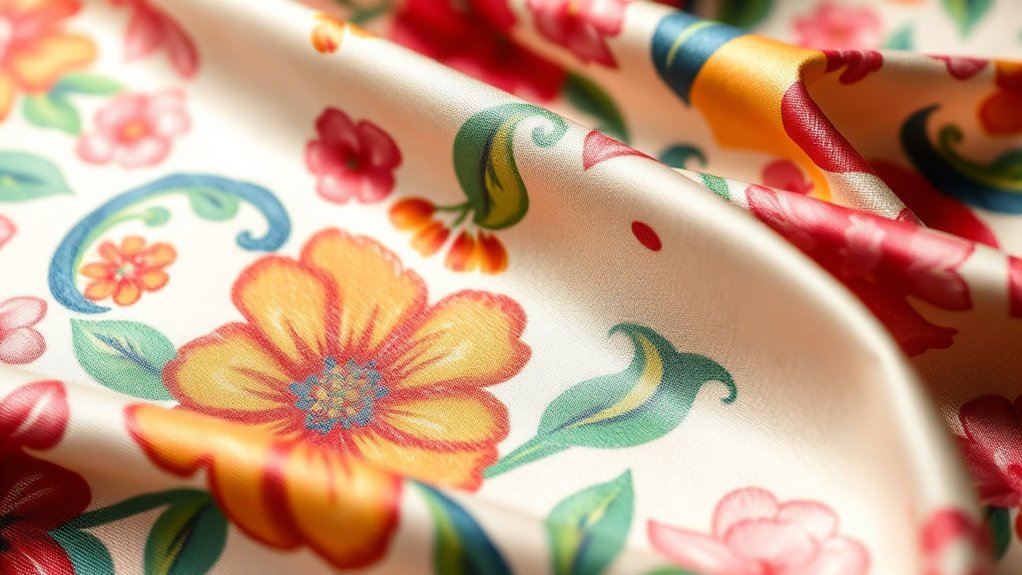
Patterned oilcloth brings personality to modern home décor without giving up practicality. You can choose styles that fit your taste, from bold geometrics to soft florals. Vibrant designs energize kitchens, breakfast nooks, and craft spaces, while vintage patterns add warmth and nostalgia to dining rooms or patios.
Because the surface wipes clean, you don’t have to worry about daily messes ruining the look. Mix prints with solid dishes, natural wood, or metal accents to balance the room.
- Bright stripes for a lively, modern feel
- Floral motifs for a softer, classic touch
- Checks and dots for casual charm
- Retro prints for a nostalgic statement
Where to Buy Oilcloth
You can buy oilcloth at fabric stores, home goods shops, and online retailers that sell table coverings, craft supplies, or sewing materials. If you want to compare options fast, check local shops first so you can feel the finish and judge thickness. Online retailers usually offer broader patterns, while craft stores often stock practical cuts for projects. Specialty boutiques may carry premium prints and harder-to-find styles.
| Source | Best For | Tip |
|---|---|---|
| online retailers | variety | Read reviews |
| local shops | touch test | Inspect edges |
| craft stores | DIY needs | Watch sales |
| specialty boutiques | unique designs | Expect higher prices |
| home goods shops | ready-made covers | Check care labels |
When you shop, ask about width, backing, and cleanup. You’ll save time if you match the seller to your project, budget, and preferred style.
Frequently Asked Questions
Can Oilcloth Be Sewn With a Regular Sewing Machine?
Yes, you can sew oilcloth with a regular sewing machine if you use the right sewing techniques and needle types. You’ll want a sharp or denim needle, a longer stitch length, and a Teflon foot or walking foot to help the fabric glide.
Don’t pin through it if you can avoid it, since holes stay visible. Sew slowly, and test scraps first so you can adjust tension and stitch settings.
Does Oilcloth Have a Strong Odor?
Yes, it can have a noticeable odor, like a new raincoat hanging in a warm room. You might smell plasticizers or coating from the material, especially when it’s fresh out of the package. That scent usually fades with time and airflow.
If you’re bothered, you can check the odor sources and try gentle odor removal by airing it out, wiping it down, or letting it rest outdoors for a while.
Is Oilcloth Safe for Food-Contact Surfaces?
You can use some oilcloth for food-contact surfaces, but you should check the oilcloth types first. Food safety depends on the coating, backing, and any added chemicals. Choose food-safe, non-toxic options and avoid damaged or heavily scented material.
You shouldn’t place hot pans directly on it, and you should clean it regularly. If the label doesn’t clearly say it’s food-safe, you’re better off choosing a different surface.
Can Oilcloth Be Used Outdoors Long Term?
No, you shouldn’t rely on oilcloth outdoors long term. It can look fine at first, like a bright coat against the weather, but sun, rain, and temperature swings wear it down fast.
You’ll face durability concerns and limited weather resistance, especially with seams and edges. If you need outdoor coverage, choose a material made for exposure.
Oilcloth works better for short-term use, sheltered spots, or decorative protection.
Does Oilcloth Shrink Over Time?
Yes, oilcloth can shrink a little over time, especially if you expose it to heat, moisture, or rough washing. You can protect oilcloth durability by keeping it away from hot dryers and direct sunlight.
Good oilcloth care means wiping it gently with a damp cloth and storing it flat or loosely rolled. If you handle it properly, you’ll reduce shrinking and help it stay smooth, flexible, and usable longer.
Conclusion
So, after all that, you can see why oilcloth keeps showing up when you least expect it. You want something tough, wipeable, and full of personality, and suddenly oilcloth is the perfect match.
It’s waterproof enough for messy meals, durable enough for daily use, and stylish enough to fit right in. If you’ve been searching for a practical finish with charm, you’ve probably just found it in oilcloth.