3 Different Types of Cotton Fabric
Choosing the right cotton fabric for your project can be tricky. You want something that feels good, lasts long, and suits your style. If you’ve ever felt overwhelmed by the options, you’re not alone. Many people struggle to pick the best type of cotton fabric for their needs.
Cotton fabric comes in several types, but three common ones are broadcloth, twill, and knit.
You’ll find broadcloth smooth and crisp, making it great for shirts and linings. Twill has a diagonal weave, so it’s stronger and works well for pants or jackets. Knit cotton feels soft and stretchy, which makes it ideal for t-shirts and loungewear.
If you keep going, you’ll see how each type fits different projects and care needs.
Key Takeaways
- Cotton fabric is breathable, soft, and comfortable for everyday wear.
- Broadcloth is smooth and crisp, making it suitable for shirts and linings.
- Twill has a diagonal weave and works well for pants and jackets.
- Knit cotton is stretchy and soft, ideal for t-shirts and loungewear.
- Poplin and denim are common cotton fabrics for lighter garments and durable workwear.
What Makes Cotton Fabric Different?
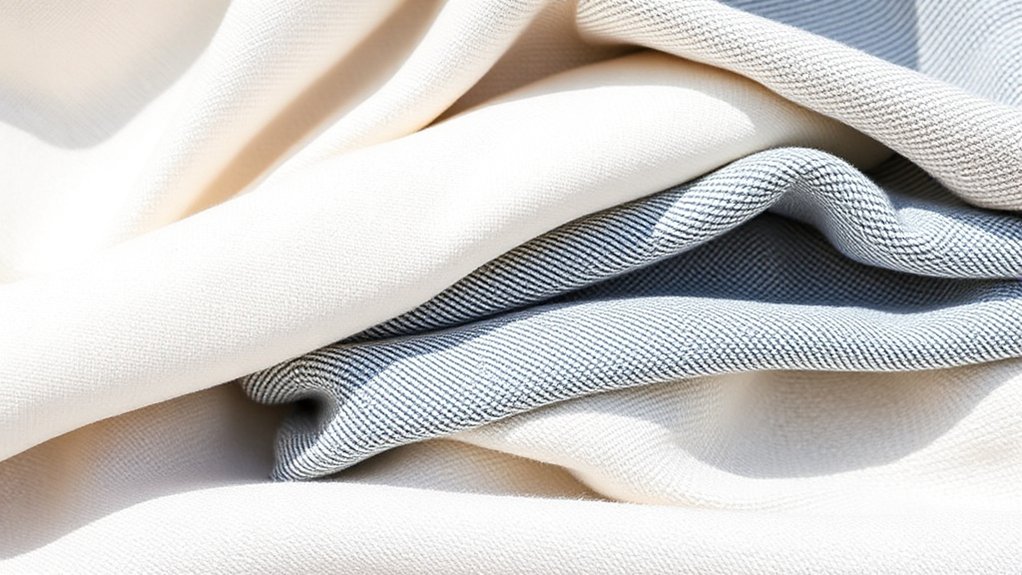
Cotton fabric stands out because it’s breathable, soft, and highly absorbent, making it comfortable for everyday wear and a wide range of household uses. You’ll notice its cotton properties also help it manage heat and moisture better than many synthetic options, so it often feels cooler against your skin.
The fabric characteristics you get can vary with the weave, fiber length, and finish, which affects texture, durability, and drape. Because cotton accepts dyes easily, you can find it in many colors and patterns without losing that natural feel.
It’s also generally easy to wash and wear, which adds to its everyday appeal. When you choose cotton, you’re picking a material that balances comfort, strength, and versatility. That mix is what makes it different from fabrics that feel slick, trap heat, or resist moisture.
What Are the 3 Main Types of Cotton Fabric?

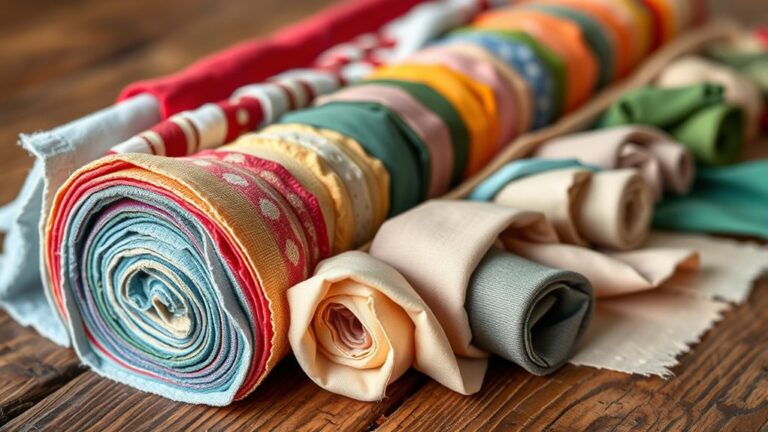
When you’re shopping for cotton fabric, the three main types you’ll usually hear about are broadcloth, twill, and knit. These cotton fabric types each feel and behave differently, so you can match them to your project and cotton fabric uses with confidence.
| Type | Texture | Common uses |
|---|---|---|
| Broadcloth | Smooth, crisp | Shirts, linings |
| Twill | Diagonal weave | Pants, jackets |
| Knit | Stretchy, soft | T-shirts, loungewear |
| Poplin | Light, fine | Dresses, blouses |
| Denim | Durable, sturdy | Jeans, workwear |
Broadcloth gives you a clean, polished look. Twill adds strength and a subtle pattern. Knit gives you flexibility and comfort. If you want structure, choose broadcloth or twill; if you want movement, knit’s your best bet.
Once you know these basics, you can read fabric labels faster and pick cotton that fits your needs.
How Do You Choose the Right Cotton Fabric?
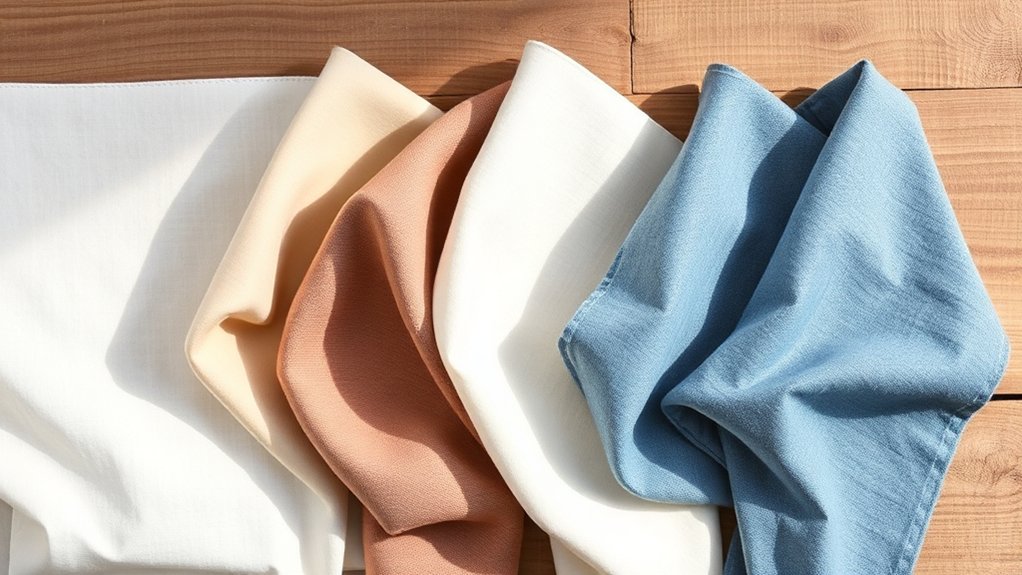
Start with what you need the fabric to do: hold its shape, drape softly, stretch, or stand up to heavy wear. Then match the cotton type to that job. For shirts and dresses, choose lighter weaves like voile or lawn because they feel airy and smooth.
For pants, jackets, or upholstery, look for sturdier options like twill or canvas. Check fabric weight, since heavier cloth usually lasts longer and resists wear, while lighter fabric flows better and feels cooler.
Also think about the finish: brushed cotton feels softer, mercerized cotton looks brighter, and combed cotton can feel smoother against your skin. Before you buy, read the care instructions, because some cotton fabrics shrink, wrinkle, or need special washing.
If you want easy upkeep, choose machine-washable cotton with clear labeling. When you compare feel, function, and care, you’ll pick the right cotton fabric with confidence every time.
Frequently Asked Questions
How Should Cotton Fabric Be Washed to Prevent Shrinkage?
Wash cotton in cold water and use a gentle cycle to reduce shrinkage. You should turn items inside out, skip harsh detergents, and avoid high heat in the dryer.
Air-dry when you can, or remove pieces while they’re still slightly damp. Before laundering, check labels and use pre-wash techniques like testing a hidden seam.
Good fabric care helps your cotton keep its shape, feel, and size longer.
Is Organic Cotton Fabric More Durable Than Conventional Cotton?
Not always, but you’ll often find organic cotton fabric holds up about the same as conventional cotton, depending on weave and care. You may choose organic cotton for its sustainability benefits and lower environmental impact, not because it’s automatically tougher.
If you wash it gently, avoid high heat, and follow care labels, you can help either type last longer and keep its texture, strength, and comfort over time.
What Causes Cotton Fabric to Wrinkle Easily?
Cotton fabric wrinkles easily because its natural cellulose fibers absorb moisture, then shift and relax as they dry. You’ll notice this more with looser weaves and lower twist yarns.
For better wrinkle prevention, you can choose tighter weaves, remove items promptly from the dryer, and iron while slightly damp. Good fabric care also helps, so avoid overloading the washer and shake garments out before hanging them.
Can Cotton Fabric Be Dyed Without Fading Quickly?
Yes, you can dye cotton fabric without fading quickly if you choose the right dyeing methods and focus on colorfastness techniques. Like a sunset that lingers after dusk, your color can stay vivid when you prep the fabric well, use quality fiber-reactive dyes, and fix the dye properly.
You’ll also want to wash it in cold water and avoid harsh detergents, so your cotton keeps its rich shade longer.
Is Cotton Fabric Suitable for Sensitive Skin?
Yes, cotton fabric is often suitable for sensitive skin because you usually feel less skin irritation than with rougher synthetics. You get cotton benefits like softness, breathability, and moisture absorption, which can help your skin stay comfortable and dry.
You should still choose 100% cotton and avoid harsh dyes or finishes if you’re extra sensitive. If your skin reacts easily, wash new cotton items before wearing them.
Conclusion
Choosing the right cotton fabric comes down to how you want it to feel, drape, and last. You can pick crisp poplin for structure, soft twill for durability, or breathable lawn for a lighter touch.
Cotton is so popular that it accounts for about 25% of the world’s fiber use, which shows just how versatile it really is. When you match the fabric to your project, you’ll get better comfort, style, and results every time.
In the end, understanding these different types of cotton fabric helps you make smarter choices that suit your needs perfectly.