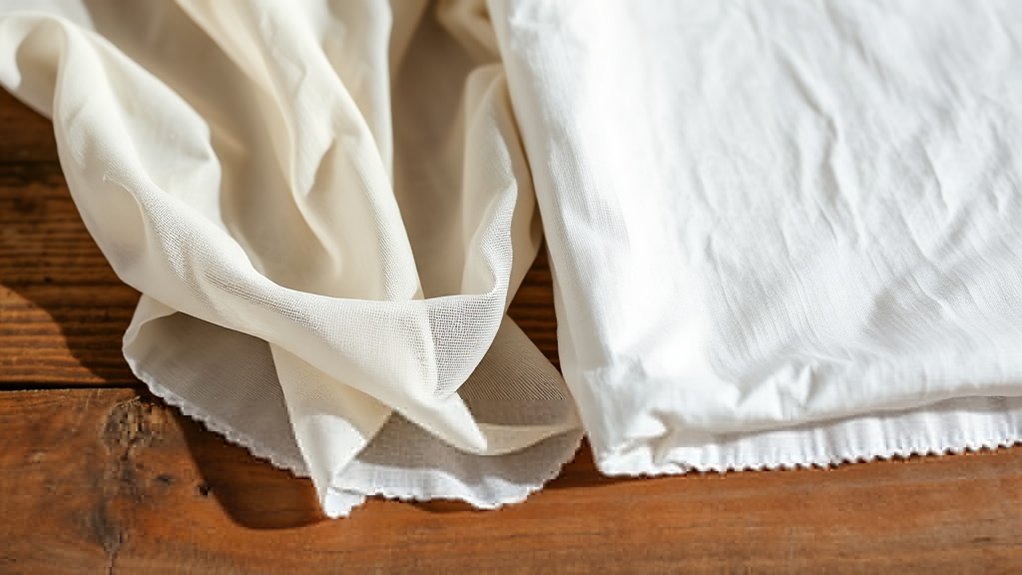
Muslin Vs Cotton: 3 Key Differences
Choosing the right fabric for your next project can be overwhelming, especially when materials look so similar. If you’ve ever found yourself stuck between muslin and cotton, you’re not alone. Many people struggle to understand the subtle but important differences that affect comfort, durability, and overall performance.
Muslin and cotton may look alike, but you’ll notice three key differences: weave, texture, and breathability. Muslin has a loose, plain weave that makes it lighter, airier, and softer, while cotton can be woven more tightly for a smoother, denser feel.
You’ll also find muslin is cooler against the skin, but cotton often works better for durable clothing and home textiles.
If you keep going, you’ll see which fabric fits each project best.
Key Takeaways
- Muslin uses a plain, open weave, while cotton can be woven in tighter styles like percale or sateen.
- Muslin feels softer, airier, and more textured, while cotton often feels denser or smoother.
- Muslin is generally more breathable because its loose weave lets more air through.
- Muslin is best for pattern testing, draping, and swaddles, while cotton suits clothing, bedding, and home textiles.
- Muslin is usually chosen for temporary or lightweight use, while cotton is preferred for durable, long-term projects.
What Is Muslin?
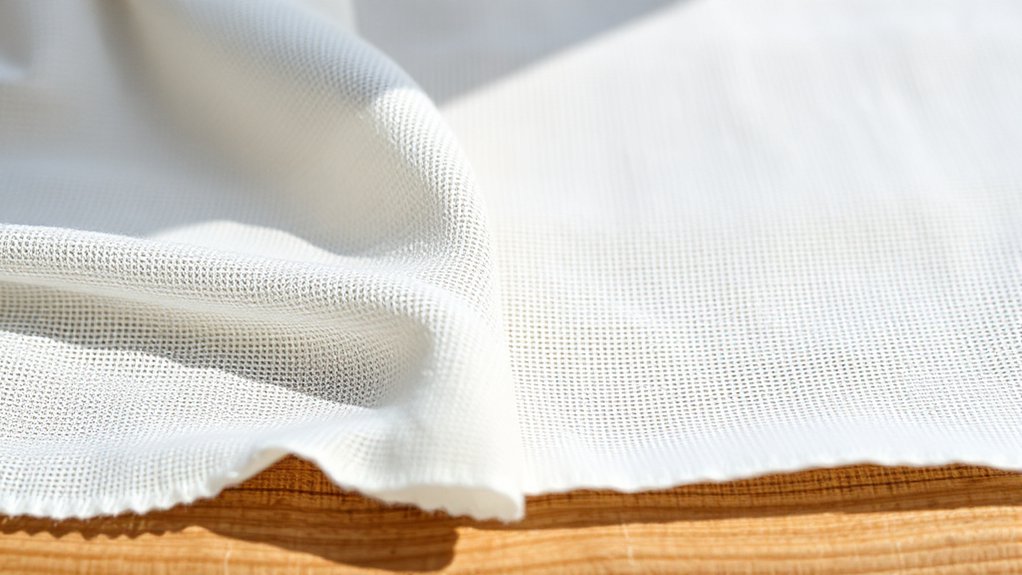
Muslin is a lightweight, plain-woven cotton fabric known for its soft texture, breathability, and versatility. You’ll often see it used in dressmaking, pattern drafting, and home projects because it’s easy to cut, drape, and shape.
When you look into muslin history, you’ll find that it began as a valued textile in the Middle East before spreading through global trade routes. Over time, makers refined it for many uses, from clothing samples to household goods.
You can find different muslin types, including unbleached, bleached, and loosely woven varieties, each suited to specific tasks. Some versions are coarse and practical, while others feel smoother and more refined.
If you need a fabric for testing designs, lining garments, or creating simple crafts, muslin gives you a reliable, adaptable option without much fuss.
Muslin Vs Cotton: Weave, Texture, and Breathability
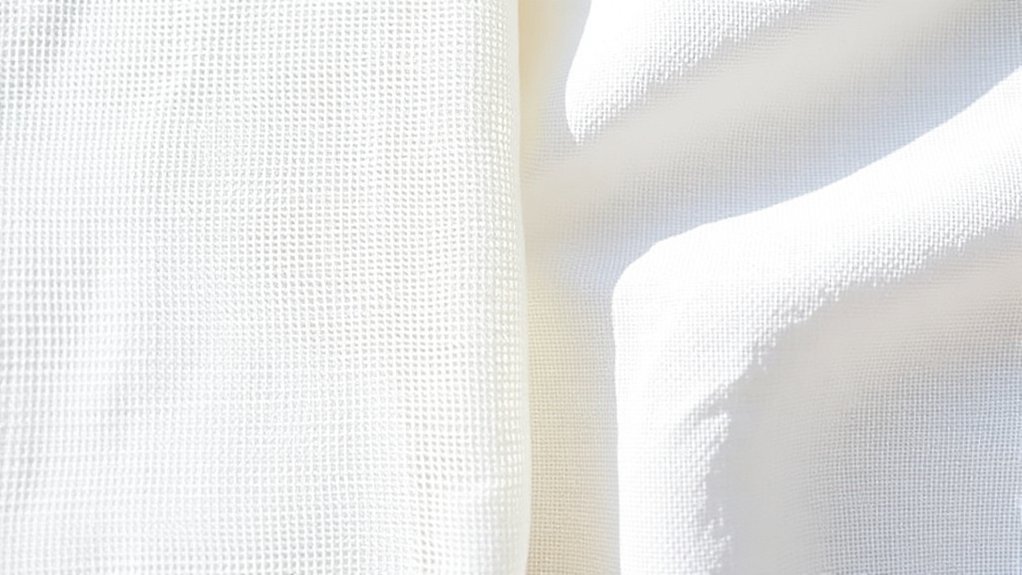
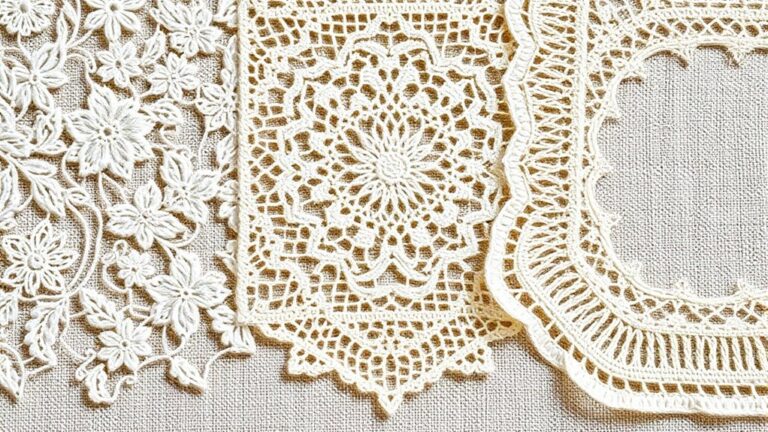
Although muslin and cotton come from the same fiber family, they don’t feel identical because their weave and finishing set them apart. You’ll notice muslin usually uses a plain, open weave that feels soft, airy, and lightly textured.
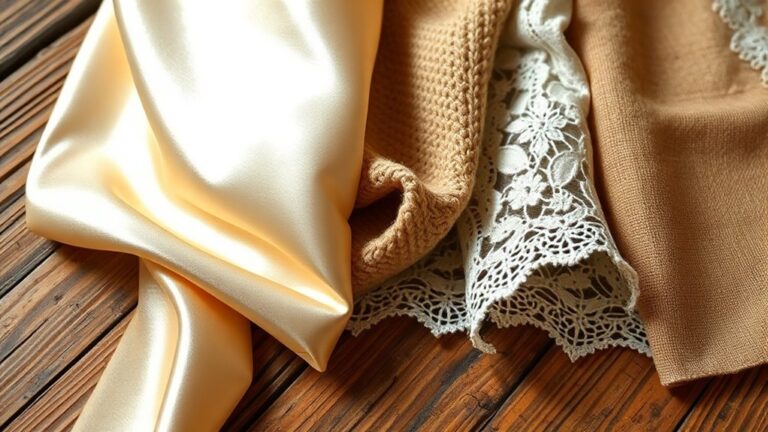
Cotton can appear in many weave types, from crisp percale to smooth sateen, so its surface may feel tighter, silkier, or denser depending on how it’s made. Muslin’s looser structure lets more air pass through, so it often feels cooler and more breathable against your skin.
Cotton can also breathe well, but a tighter weave may reduce that airy sensation. Because muslin is less tightly woven, it may show less fabric durability than many finished cotton fabrics, especially under frequent washing or heavy handling.
When you compare them, focus on weave, texture, and airflow rather than the fiber itself, since those details shape how each fabric feels and performs.
Muslin Vs Cotton: Best Uses for Each Fabric
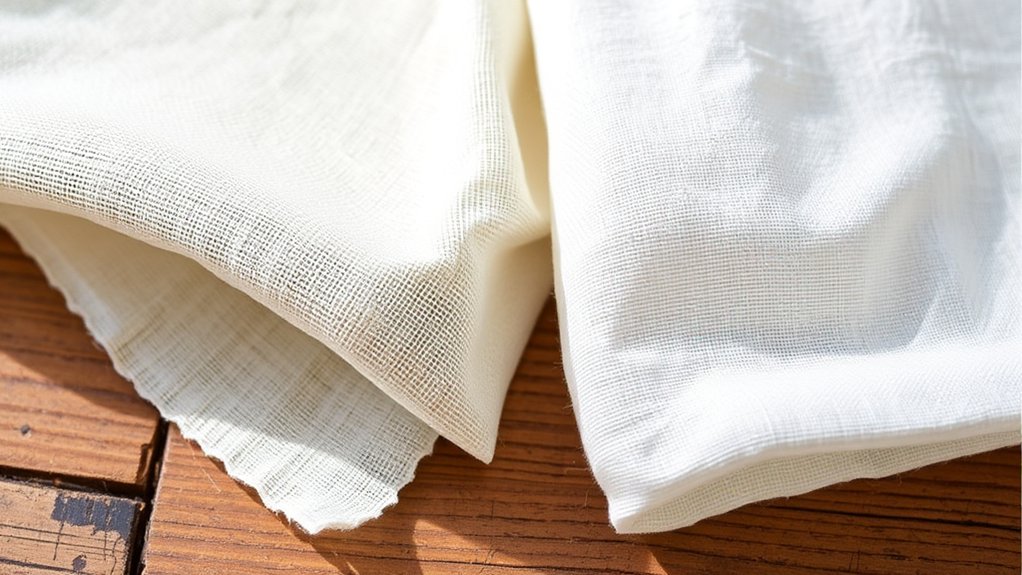
That difference in weave and feel helps explain why muslin and cotton shine in different settings. You’ll reach for muslin when you need a lightweight, airy fabric for pattern testing, draping, baby swaddles, cheese making, straining, or quick-clean household tasks. Its loose weave makes it ideal for muslin applications where breathability and flexibility matter more than durability or polish.
If you want a fabric that’s soft, sturdy, and easy to wash, cotton usually serves you better. You can use it for shirts, bedding, towels, quilts, curtains, and everyday clothing because cotton versatility covers comfort and long-term wear.
Choose muslin when you’re prototyping, filtering, or layering something temporary. Choose cotton when you want finished pieces that hold up to repeated use. In short, muslin solves practical, low-cost jobs, while cotton handles most daily textiles with ease.
Frequently Asked Questions
Is Muslin More Expensive Than Cotton?
Not usually. You’ll often pay less for muslin than for higher-grade cotton, though fine muslin can cost more than basic cotton. You should check fabric weight, weave, and finish before you buy.
Muslin is often used for sewing mockups, baby items, and lightweight curtains. Cotton’s durability makes it a better pick for everyday clothing and bedding.
If you want a budget option, muslin usually gives you good value.
Which Fabric Shrinks More After Washing?
Cotton usually shrinks more after washing, especially if you don’t pre wash it first. You’ll notice the biggest change in untreated cotton, while muslin often shrinks less, though it can still tighten up.
If you want better fabric durability, you should wash both fabrics before sewing or hemming. That tiny step can save you a mountain of frustration later and help you keep the fit you want.
How Do Muslin and Cotton Differ in Thread Count?
You’ll usually see a lower thread count in muslin than in many cotton weaves. Muslin uses loosely woven yarns, so it feels airy and shows a lighter fabric texture.
Cotton, especially percale or sateen, often has a higher thread count and feels smoother or denser. For a clear thread count comparison, check the weave and yarn thickness, since those matter as much as the number itself.
Is Muslin Suitable for Sensitive Skin?
Yes, you can usually wear muslin if you have sensitive skin, especially if it’s soft, lightweight, and untreated. You’ll want to check the softness comparison with other fabrics and pay attention to breathability factors, since these affect comfort and irritation.
Choose prewashed, high-quality muslin, and avoid harsh dyes or finishes. If your skin reacts easily, test a small area first and see how it feels throughout the day.
Can Muslin Be Dyed as Easily as Cotton?
Yes, you can dye muslin, but you’ll usually find it doesn’t take dye as evenly or deeply as cotton. You’ll get the best results if you prewash it and use the right fabric dyeing method for the fiber blend.
Cotton often offers better color retention, while muslin can look softer and more muted. If you want vibrant, long-lasting color, you’ll likely have an easier time with cotton overall.
Conclusion
So, which fabric should you reach for next? If you want something light, airy, and easygoing, muslin might surprise you. If you need a sturdier, more versatile everyday fabric, cotton could be your winner.
But here’s the twist: the best choice isn’t always obvious until you match the fabric to your project. Now that you know the differences, you can choose with confidence, and your next sewing decision with muslin vs cotton might just feel easier than ever.