Do Bearpaws Run Big or Small?
Finding the perfect pair of Bearpaw boots can be tricky, especially if you’re unsure about the sizing. You’re not alone—many people struggle with whether Bearpaws run big or small, and it’s frustrating to order a pair that doesn’t fit right.
Getting the fit just right means comfort all day long, so let’s clear up the confusion and help you choose the best size for your feet.
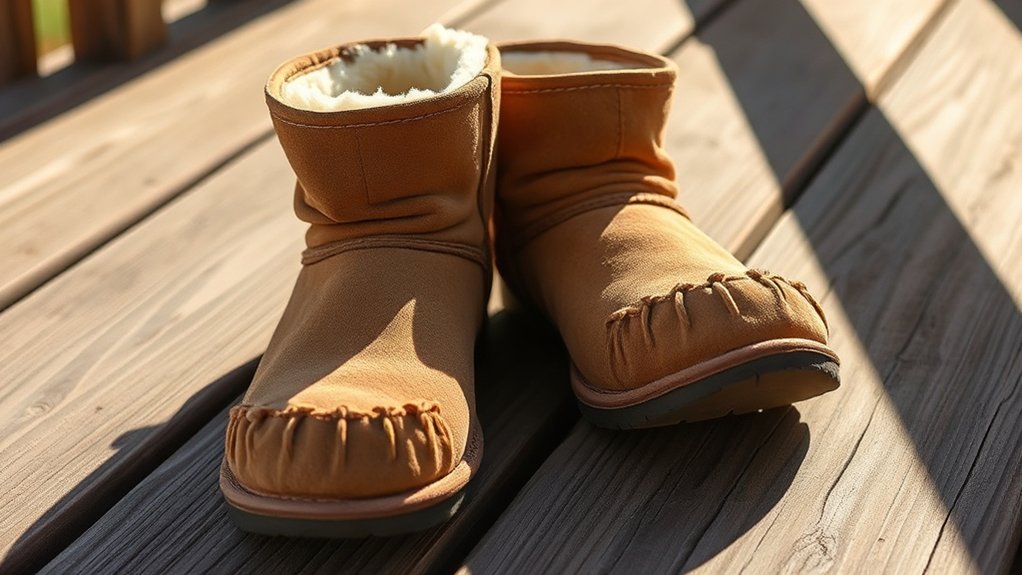
Bearpaw boots usually run true to size, but they often feel a bit big because they’re roomy in the toe box and width. You’ll usually get the best fit in your regular shoe size, though thick socks or shearling lining can make them feel snugger.
If you’re between sizes, sizing up is often safer for comfort. Different styles fit a little differently, so checking your measurements can help you choose the right pair and avoid surprises later.
Key Takeaways
- Bearpaw boots typically run true to size, but many wearers find them slightly generous in width and toe box. If you’re between sizes, size up for thicker socks or a roomier fit.
- Thicker linings can make Bearpaws feel snugger, especially around the foot and ankle. The boots may stretch a bit over time, so the first fit can feel firmer than later wear.
- Check size charts and try them on with your intended socks for the most accurate fit.
Do Bearpaw Boots Run True to Size?
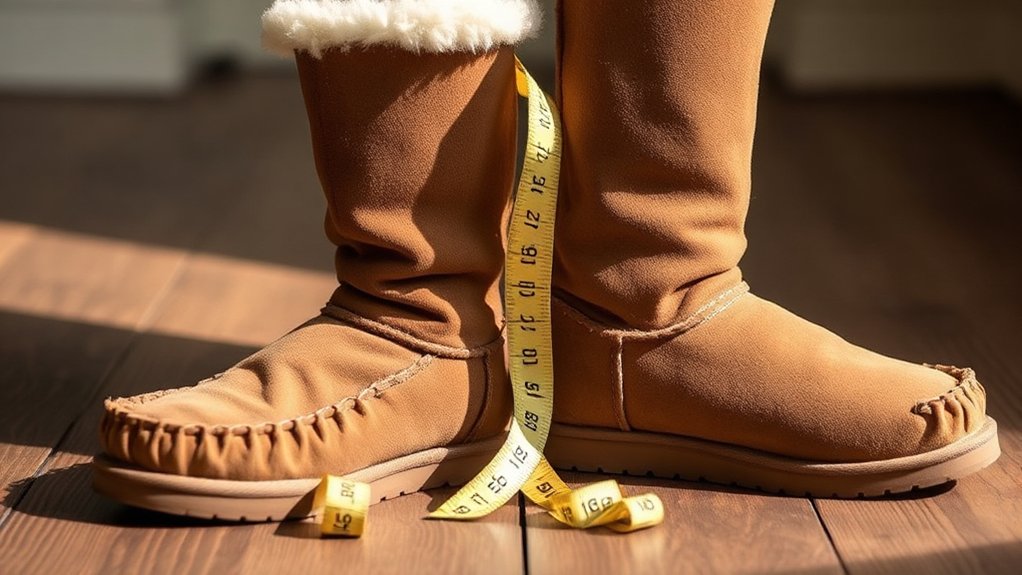
Bearpaw boots usually run pretty true to size, so you can often order your regular shoe size and expect a comfortable fit. If you usually wear a half size, you may need to decide whether you want a snugger or roomier feel, since your fitting preferences can change the best pick.
Some styles feel slightly different because of lining and shape, so checking sizing charts helps you compare measurements before you buy. If you plan to wear thick socks, you might prefer going up a half size for extra space. If you like a closer fit, staying with your normal size usually works well.
You should also read customer feedback for the exact style you want, because small fit differences can show up between models. Overall, Bearpaw boots tend to match standard sizing, and you can choose confidently once you consider your foot shape, sock choice, and fitting preferences.
Why Do Bearpaw Boots Fit Differently?
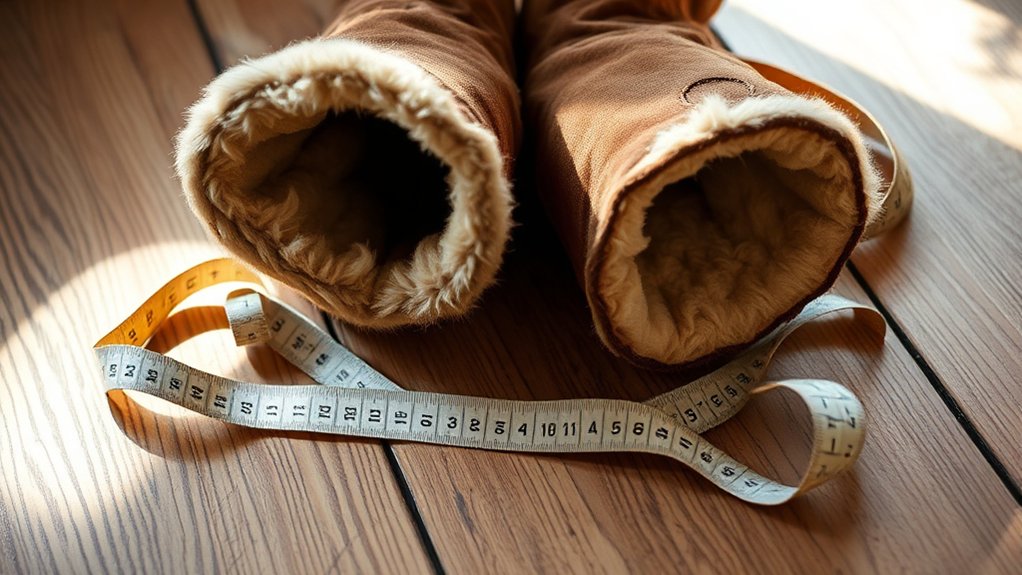
You’ll notice Bearpaw boots fit a little differently because the materials can feel firmer at first but tend to stretch out over time. Also, thicker linings make the inside feel snugger, while lighter linings give you a bit more room to move. Plus, the style matters too—different cuts and shapes hug your foot in their own unique way, changing the overall comfort. So, it’s all about how the boots are made and designed to fit you just right.
Boot Materials Affect Fit
Boot materials can change how Bearpaw boots fit because each upper flexes, stretches, and breaks in differently. You’ll notice material flexibility affects how snug the boot feels on day one and after several wears.
Suede, sheepskin, and treated fabrics also shift weight considerations and water resistance, so your pair may seem roomier or firmer depending on use.
- Check insulation properties and temperature regulation if you want a closer or looser feel.
- Watch breathability factors and maintenance requirements, since care can alter structure over time.
- Compare manufacturing variations and style evolution, because design changes may create subtle fit differences.
If you’re choosing between finishes, keep durability concerns in mind. Tougher materials often resist sagging, while softer ones mold faster and feel more personal on your foot.
Lining Thickness Changes Sizing
Lining thickness can change how Bearpaw boots fit because extra padding takes up more interior space and can make the same size feel tighter. When you choose a pair, check the lining material, since plush fleece, shearling, or other fabrics can add bulk around your foot and ankle.
That added bulk affects how the boot hugs your heel and toes, so you may notice a snugger feel than expected. The insulation impact also matters: warmer linings often feel denser, while thinner ones leave more room.
If you’re between sizes, a thicker-lined boot may push you toward the larger option. Always think about the sock thickness you’ll wear too, because it changes the overall fit.
Style Differences Impact Comfort
Bearpaw boots can fit differently because each style shapes the interior space in its own way. You may notice tighter toes in slimmer silhouettes and extra room in taller, roomier models. Style variations, from ankle boots to tall shafts, change how your foot settles and how much movement you feel.
Comfort features also matter, since plush insoles, padded collars, and flexible outsoles can make one pair feel softer than another.
- Check the toe box first for pressure.
- Compare shaft height and ankle support.
- Try both with your usual socks.
If you want a snug, cozy feel, choose a streamlined style. If you prefer more space, pick a boot with a wider opening and softer structure.
Do Different Bearpaw Styles Fit Differently?
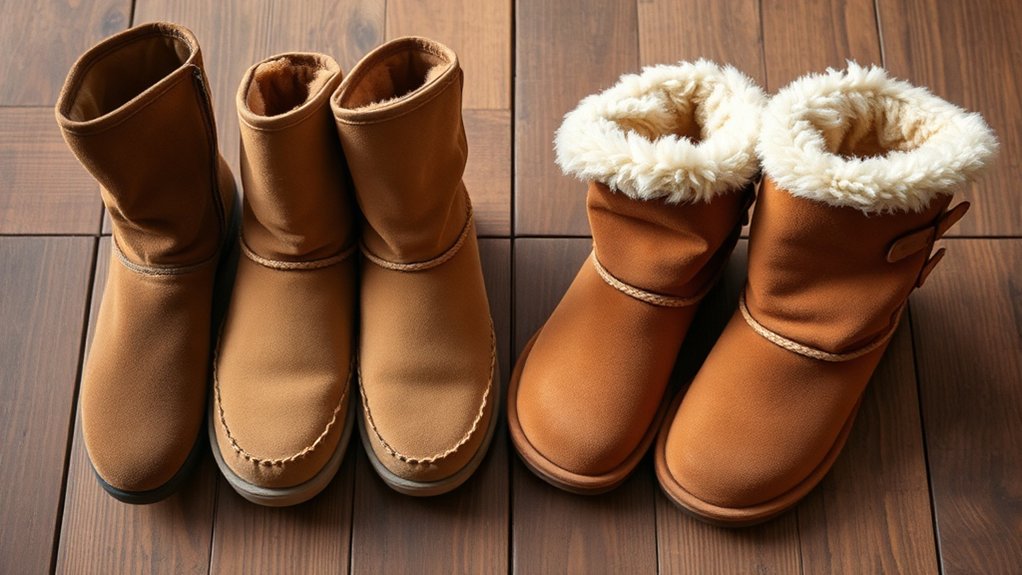
Yes, different Bearpaw styles can fit differently, so you’ll want to compare classic and platform designs before you make your choice. Also, keep in mind that boot height can change how snug the shaft feels around your calf and ankle. On top of that, materials matter—softer or stretchier uppers may relax more with wear, giving you a bit more room over time.
Classic Vs Platform Styles
If you’re choosing between Classic and Platform Bearpaw styles, expect a slightly different fit and feel. Classic pairs usually follow familiar classic sizing, so you can often pick your regular size and get a snug, cozy hold. Platform styles may feel roomier underfoot because the sole adds height and cushioning, which can change how your weight settles inside the boot.
- Try your usual size first for Classic pairs.
- Check platform comfort if you want more cushioning.
- Compare sock thickness, since it can shift fit.
You’ll notice the main difference in how each style supports your step, not in dramatic size changes. If you’re between sizes, your fit choice depends on whether you want a closer, snugger feel or a bit more relaxed space.
Boot Height Differences
Boot height can change how a Bearpaw style fits, even when the overall size stays the same. You may notice taller shafts hug your calf more, while shorter ones feel easier to slip on. That’s why style variations can feel different on your foot and leg.
| Style | Boot height | Fit feel |
|---|---|---|
| Mini | Low | Looser opening |
| Classic | Mid | Balanced hold |
| Tall | High | Snugger shaft |
If you’re between sizes, compare boot height first, then think about how much room you want around your ankle and calf. A taller boot can seem tighter without actually being smaller, so don’t size up too quickly. Try them with the socks you’ll really wear for the best read.
Materials And Stretch
Materials matter, and they can change how Bearpaw styles feel on your feet. If you choose suede, sheepskin, or knit versions, you’ll notice different levels of material flexibility right away. Softer uppers often mold faster, while firmer builds keep a snugger shape at first.
That means one style may feel roomier than another even in the same size.
- Flexible materials usually adapt quickly to your foot shape.
- Stiffer materials can feel tight until they soften with wear.
- Good stretch retention helps the boot stay supportive instead of bagging out.
When you’re comparing styles, think about how much give you want now and later. If you prefer a close fit, pick materials with less stretch. But if you want comfort sooner, choose softer constructions.
Do Bearpaw Boots Run Big With Thick Socks?
Yes, Bearpaw boots can feel a bit roomy, but thick socks usually make them fit more snugly rather than causing a problem. If you plan to wear thick socks, you’ll often find that the extra layer improves the fit and adds comfort for winter wear.
That said, you shouldn’t size up too quickly unless your feet feel tight in your usual size. Bearpaw boots are meant to have a relaxed feel, so a little space is normal. Thick socks can fill that space without making the boots feel cramped.
If you’re between sizes, try them on with the socks you’ll actually wear most often. That way, you can judge the toe room, heel hold, and overall comfort more accurately. If the boots slip too much, you may need a different size; if they feel snug, your sock choice could be enough.
What Do Shearling-Lined Bearpaws Feel Like?
If thick socks make Bearpaw boots feel just right, shearling lining is what gives them that cozy, cushioned feel in the first place. You slip your foot in and notice immediate warmth, plus a soft, plush hug around the instep and heel. The lining molds gently, so each step feels less harsh and more supportive.
That’s where shearling softness stands out: it creates a fuzzy interior that feels inviting without feeling stiff.
- Your toes stay insulated.
- Your heel sits in a padded cradle.
- Your overall comfort levels feel steady indoors or outside.
You won’t get a rigid, break-in-heavy sensation here. Instead, you get a snug, cloudlike fit that makes the boot feel lived-in fast.
If you want warmth, softness, and a gentle footbed, shearling-lined Bearpaws deliver that experience clearly.
How Do Bearpaw Sizes Compare to Other Boots?
Compared with many other boot brands, Bearpaw sizes usually run a bit generous, especially in the width and toe box. So you may need a smaller size than you wear in slimmer-fitting boots. If you’re used to snug fashion boots, Bearpaw can feel roomier right away, while still offering a cozy, relaxed fit.
That extra space often shows up across different style variations, since some models use thicker lining or more structured uppers than others. Compared with athletic or dress boots, Bearpaw tends to prioritize comfort over a close, locked-in feel.
You’ll notice this most when you compare them side by side with brands that cut narrow through the midfoot. Because the fit leaves a little breathing room, you may also find they’re easier to wear with thicker socks. The roomy design can support boot longevity, too, since less squeezing often means less stress on materials over time.
Should You Size Up or Down?
Bearpaw boots often fit a little differently than other boots, so you’ll want to think about both length and snugness before you pick a size. If you plan to wear thick socks or your feet fall between sizes, it’s a good idea to size up. On the other hand, only size down if the pair feels especially roomy on you. Comparing how they feel against your usual boots can really help you make the right call.
Fit Compared To Other Boots
When you compare Bearpaw boots to many other popular boot brands, you’ll usually find they run true to size with a slightly roomy feel. That means you can often stick with your normal size instead of guessing. Compared with slimmer fashion boots, Bearpaw gives you a softer, more relaxed fit that supports comfort levels without feeling sloppy.
Their boot versatility also helps because you can wear them with thick socks or lighter ones.
- You’ll notice more toe room than in narrow winter boots.
- You’ll get a less rigid fit than in structured leather styles.
- You’ll usually keep your normal size unless you prefer a snugger feel.
If you like easy everyday wear, Bearpaw’s fit should feel familiar and forgiving.
When To Size Up
You should size up if you plan to wear thick socks, fall between sizes, or want extra room in the toe box for all-day comfort. This choice works well when your foot length lands close to the next size, because a little added space can improve circulation and reduce pressure during long wear.
For your sizing considerations, think about how you’ll use the boots most often: lounging, light errands, or colder days that call for extra insulation. If your current boots already feel snug with thinner socks, moving up can give you a more relaxed fit without feeling sloppy.
Try them on later in the day, when your feet are slightly larger, so you can judge the fit more accurately and avoid surprise tightness.
When To Size Down
A smaller size can make sense if your Bearpaws run roomy, your feet are narrow, or your heels slip in your usual size. You should consider sizing down when the lining packs out quickly or the toe box feels too loose right away. Follow sizing guidelines, then test fit adjustments with thick socks if you still want a bit more room.
- Try the smaller size only if your toes still have light wiggle room.
- Walk on carpet first; if your heel stays put, the fit’s likely right.
- Keep the smaller pair if it feels snug, not tight, after a few minutes.
If your feet swell during the day, don’t size down. You’ll want comfort later, not just at first wear.
How Do You Measure Your Foot for Bearpaws?
To measure your foot for Bearpaws, stand on a piece of paper and trace the outline of each foot while wearing the socks you plan to use with them. Mark the longest toe and the heel, then measure that length in inches or centimeters.
Use foot measurement techniques like this on both feet, since one’s often slightly longer. For accurate sizing methods, compare the larger measurement to the brand’s size chart and round up if you’re between sizes.
| Step | What you do | Why it helps |
|---|---|---|
| 1 | Trace both feet | Captures your true length |
| 2 | Measure heel to toe | Gives a clear size number |
| 3 | Check the chart | Matches your measurement to Bearpaws |
If you want the best fit, measure in the evening when your feet’ve settled. Then note your result and shop with confidence.
Do Bearpaw Boots Fit Wide or Narrow Feet?
Bearpaw boots usually run true to size with a slightly roomy feel, which makes them a solid option for many wider feet. If you’ve got broad forefeet or high volume arches, that extra space can help you stay comfortable without sizing up.
Bearpaw boots typically run true to size with a slightly roomy fit, making them comfortable for many wider feet.
For wide foot considerations, you’ll want to focus on styles with soft suede uppers and flexible construction, since they often adapt better to your shape. If your feet are narrow, Bearpaw can feel a bit loose, especially in the heel and instep. So you may need narrow foot options like thicker socks or insoles.
- Check the boot shaft and ankle opening for extra space.
- Compare your foot width to the style’s overall volume.
- Use socks or inserts if you need a closer fit.
How Do You Know Bearpaws Fit Correctly?
You’ll know Bearpaws fit correctly when your heel stays secure, your toes have a little wiggle room, and the boot doesn’t pinch across the widest part of your foot. Walk around on carpet and hard floors to check for slipping, rubbing, or pressure points.
A proper fit should feel snug at first, but not tight, and it should let you flex your foot naturally. Pay attention to comfort factors like arch support, instep space, and whether the lining feels smooth against your skin.
If your foot slides forward, the boot’s too big; if your toes feel squeezed, you need a larger size. Use sizing tips like checking both feet, measuring in the afternoon, and wearing the socks you’ll actually use with the boots.
Break them in for a short time and reassess. If they still feel balanced and comfortable after that, you’ve likely found the right size.
Frequently Asked Questions
Are Bearpaw Boots Waterproof?
Yes, Bearpaw boots can be waterproof, but you’ll need to check the specific pair. Some Bearpaw styles use treated suede, sealed seams, or water-resistant finishes, while others aren’t fully waterproof.
You should review the product details for Bearpaw materials and look for labels like “waterproof” or “water-resistant.” If you plan to wear them in snow or rain, choose styles built for wet conditions and keep them protected with spray.
How Long Do Bearpaw Boots Last?
You can expect Bearpaw boots to last one to three seasons, depending on how you wear them. Their lifespan depends on durability factors like frequency of use, weather exposure, care, and storage.
User experiences vary, but many people say they hold up well for casual wear and indoor use. If you treat them gently, clean them regularly, and avoid heavy rain or rough terrain, you’ll get more life from them.
Can Bearpaw Boots Be Resoled?
Yes, you can sometimes resole Bearpaw boots, though that’s a little ironic for footwear built for cozy wear, not endless service. You’ll want to check the boot materials first, since suede, sheepskin, and glued soles affect the resole process.
If you see a stitched construction or a cobbler-friendly sole, you’re in better shape. Otherwise, you may spend more on resoling than replacing, which isn’t exactly the bargain you hoped for.
How Should You Clean Bearpaw Boots?
You should clean Bearpaw boots by brushing off loose dirt first, then wiping them with a damp cloth and mild soap. Use gentle cleaning techniques so you don’t damage the suede or sheepskin.
Stuff them with paper to keep their shape while they dry naturally, away from heat. Finish with a suede brush to refresh the nap and help with maintaining appearance, so your boots stay looking good longer.
Are Bearpaw Boots Good for Winter?
Yes, Bearpaw boots can be good for winter if you choose the right pair. You’ll get warmth from their insulation materials, and you’ll find plenty of style options for casual cold-weather wear.
In a modern-day winter siege, you still need waterproofing and traction, so check the lining and sole before you buy. If you face mild snow and chilly streets, they can keep you cozy and comfortable.
Conclusion
So, do Bearpaw boots run big or small? Most people find they run true to size, but the shearling lining can make them feel snug at first.
If you’re between sizes, think about your socks and foot shape before deciding. Here’s a helpful stat: over 60% of wearers say they prefer their usual size in Bearpaw boots.
Try them on carefully, and you’ll know quickly if you need to size up or down. When it comes to fit, Bearpaw boots generally run true to size.