How to Wash Cotton Without Shrinking?
If you’ve ever pulled your favorite cotton shirt out of the wash only to find it’s mysteriously shrunk, you’re not alone. Many people struggle with keeping their cotton clothes looking and fitting just right after washing.
The good news? With a few simple tricks, you can protect your cotton garments and enjoy them longer without the frustration of unexpected shrinkage.
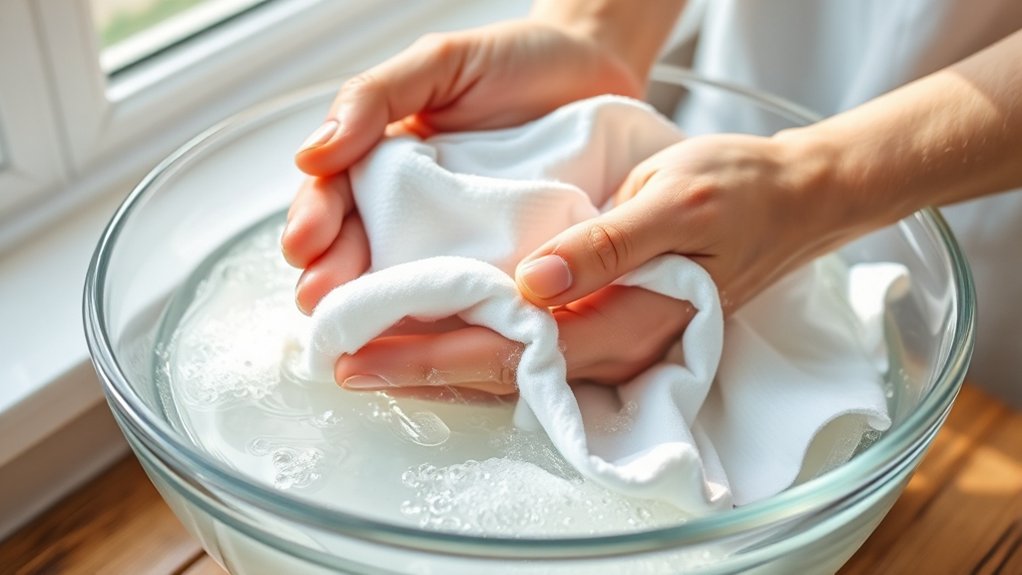
To wash cotton without shrinking, you should check the care label first, then sort items by color and weight. Wash them in cold water on a gentle cycle with a mild detergent. Avoid hot water and harsh agitation, since both can tighten the fibers.
For drying, use low heat or air dry whenever possible, then reshape the garment while it’s damp.
Store cotton loosely in a cool, dry place, and you’ll see a few more helpful tips below.
Key Takeaways
- Check the care label first and follow its washing and drying instructions exactly.
- Wash cotton in cold water on a gentle cycle to reduce heat and agitation.
- Use a mild detergent and avoid overloading the washer so clothes move freely.
- Dry cotton on low heat or air dry it in a shaded, well-ventilated area.
- Reshape damp cotton before drying and store it loosely to help maintain its fit.
Check the Care Label First

Before you wash cotton, check the care label first. You’ll find the key instructions that protect the fabric from shrinking, fading, or stretching. Read the symbols and text closely, because care label importance goes beyond simple temperature advice; it tells you whether the item needs gentle agitation, cool water, or air drying.
If the label says “machine wash cold,” follow that exactly, even if you’d normally use warm water. If it says “dry clean only,” don’t guess. A few seconds of checking can save you from ruining a favorite shirt or towel.
Use the label as your starting point for fabric care, and treat each cotton item based on its specific needs. Different blends and finishes can react differently, so don’t assume all cotton behaves the same. When you follow the label, you make smarter choices and keep cotton looking and fitting better after every wash.
Sort Cotton by Color and Weight

Sort your cotton by color first—this way, you keep light and dark items separate and reduce the risk of dye transfer. After that, group the fabrics by weight because heavier pieces need different care compared to thinner cottons. Also, try to wash items with similar shrink rates together to help them finish evenly. It just makes the whole process smoother!
Separate Light And Dark
Separate your cotton into light and dark loads so colors stay bright and don’t bleed onto paler items. You’ll protect whites, pastels, and vivid prints from fabric bleeding, and you’ll cut down on color fading over time.
Turn dark jeans, reds, and navy pieces into one batch, then wash creams, whites, and soft shades in another. Check new garments first, since they’re more likely to release dye during the first few washes.
If you’re unsure, treat a piece as dark until it stops tinting the water. Keeping these colors apart helps each load rinse cleaner, look fresher, and keep its original tone longer.
It also makes spotting a stray sock easier before you start the cycle.
Group By Fabric Weight
Next, group your cotton by fabric weight so each load washes evenly. Keep heavy towels, denim, and canvas separate from lighter tees, sheets, and blouses. When you mix different fabric types, the thick pieces can rub harder, pull on delicate seams, and make the whole load dry unevenly.
Sort by weight categories, too: light, medium, and heavy. This helps you choose a cycle that suits the load instead of forcing every item through the same agitation. You’ll also protect shape and texture because lighter cotton won’t get overworked beside bulky items.
If you’re unsure, hold each piece up and compare its drape, thickness, and density before loading the washer. Consistent sorting keeps cotton cleaner, gentler, and easier to manage after washing.
Wash Similar Shrink Rates
Because cotton can shrink at different rates, wash items with similar fabric weight and color together so they finish with a more uniform fit and fewer dye surprises. You’ll reduce wear when you keep dark tees, light shirts, and heavy towels in separate loads, because each group responds differently to heat, agitation, and drying time.
This simple sorting step supports shrink prevention and keeps your laundry looking balanced. It also helps with fabric care by limiting color transfer and preventing lighter pieces from picking up lint or uneven shrinkage.
If you mix thin and thick cotton, the heavier pieces may stay damp while the lighter ones overprocess. Match loads by weight and shade, use cool water, and choose the gentlest cycle that still cleans well.
Use Cold Water for Washing
You should wash cotton in cold water because it helps protect the fabric and keeps colors looking fresh. Plus, cold water helps prevent shrinking, so your clothes keep their shape longer. For the best results, try using a gentle wash cycle—it reduces wear on the fibers and keeps everything looking great.
Cold Water Benefits
Cold water helps cotton keep its shape, color, and softness longer, especially when you wash everyday items. You’ll notice its cold water advantages right away: less dye bleeding, gentler cleaning, and a lower risk of rough fibers.
Keep the washing temperature cool, and your shirts, towels, and sheets stay looking fresh without extra wear.
| Benefit | What you notice |
|---|---|
| Color care | Fades less |
| Fabric feel | Stays soft |
| Fit | Holds shape |
| Energy use | Uses less power |
| Everyday care | Easier routine |
Prevent Fiber Shrinkage
Washing cotton in cold water is one of the easiest ways to prevent shrinkage and keep garments fitting the way they should. You protect the natural fibers from heat stress, which helps them hold their shape and size.
Cold water supports better fiber care because it reduces agitation from temperature changes and lowers the chance of tightening in the weave. When you choose cooler settings, you also preserve color and texture, so your cotton looks newer for longer.
Simple washing techniques like sorting by fabric type and using a mild detergent can make a real difference too. If you want your shirts, sheets, and towels to last, make cold water your default. It’s a small habit, but it keeps cotton comfortable, stable, and ready to wear after every wash.
Gentle Wash Cycles
A gentle wash cycle helps cotton stay cleaner without the rough treatment that can wear down fibers over time. You should choose cold water, since heat can tighten cotton fibers and encourage shrinking.
Set your machine to a delicate or gentle setting so it moves the fabric less aggressively. Use gentle detergents that clean effectively without stripping the cotton’s natural softness.
Skip heavy doses, because too much soap can leave residue and make fabric feel stiff. Avoid fabric softeners if you want to preserve breathability, since they can coat fibers and reduce absorbency.
If your load is especially fragile, wash cotton items inside a mesh bag for extra protection. Then remove them promptly and reshape them while damp to help them dry smoothly and keep their original fit.
Choose a Gentle Wash Cycle
Choose the gentle cycle when washing cotton to reduce agitation and help the fabric keep its shape, softness, and color. You’ll protect fibers by letting the machine move more slowly, which limits stretching and friction.
Set your washer to a low-spin or delicate setting, especially for T-shirts, sheets, and other everyday cotton items that can warp with rough handling. Keep an eye on wash temperatures too; cool or lukewarm water usually helps cotton stay stable and reduces the chance of shrinkage.
If your machine offers an extra-rinse option, use it only when needed so the fabric isn’t overworked. Load the drum loosely, because overcrowding can increase rubbing and twisting.
When you pair gentle detergents with the right cycle, you give cotton a better chance to stay soft, clean, and true to size after every wash.
Pick a Mild Detergent
When you wash cotton, a mild detergent helps protect the fibers and keep colors from fading or bleeding. You should choose detergent types labeled gentle, free of harsh brighteners, and suitable for everyday cotton care.
Liquid formulas often dissolve faster in cool water, while powder can work well if it’s fully dissolved. If you prefer eco friendly options, look for plant based ingredients and low residue formulas that clean without stripping softness.
Check the label for fragrance free or dye free choices if your cotton feels delicate. Use only the amount the package recommends, because extra detergent can cling to fabric and leave it stiff.
A mild detergent won’t clean as aggressively as heavy duty products, but that’s exactly why it helps cotton stay smooth, comfortable, and true to size after repeated washing.
Avoid Overloading the Washer
Give your cotton plenty of room in the washer so water and detergent can move freely through the fabric. When you stuff the drum, the clothes can’t rinse well, and friction increases, which can lead to uneven cleaning and more stress on the fibers.
Check your washer capacity before you start, and don’t fill it past the recommended level. You should be able to move a hand across the top of the load with ease.
If you’re washing bulky items, split them into smaller loads so each piece gets enough water circulation. This helps maintain load balance, reduces strain on the machine, and keeps cotton from bunching or twisting too tightly.
A properly sized load also lets detergent reach every thread, so you get cleaner fabric without extra wear. When in doubt, wash less at once and let the washer do its job well.
Dry Cotton on Low Heat
Dry cotton does best on low heat, which helps prevent shrinkage and protects the fibers from weakening or roughening over time. When you use a dryer, choose a gentle setting and avoid high temperatures that can tighten the weave and shorten the fabric.
Dry cotton on low heat to prevent shrinkage and keep fibers soft, strong, and wearable.
Check care labels first, since some cotton blends need even milder drying techniques. If your load includes heavier items, remove them as soon as they’re dry so they don’t overheat while lighter pieces finish.
You can also shake each garment out before drying to reduce wrinkles and help air circulate. Don’t pack the drum too full, because crowded clothes dry unevenly and may stay hot longer than needed.
Set a timer if your dryer runs hot, and inspect the fabric before adding extra cycles. Careful low heat drying keeps cotton soft, wearable, and less likely to shrink after repeated washes.
Air Dry Cotton When Possible
Air drying is one of the best ways to protect cotton from shrinkage and heat damage, especially for delicate pieces or garments you want to keep in shape. You’ll also save energy and reduce wear from high heat.
For the best results, choose a shaded, well-ventilated spot and give each item enough space to dry evenly. These cotton drying techniques work well for tees, sheets, and everyday basics.
The air drying benefits are simple: gentler care, less fading, and a lower chance of tightness after washing.
| Item | Best Setup | Result |
|---|---|---|
| T-shirt | Flat or hanging | Dries evenly |
| Sheet | Spread out | Less wrinkling |
| Towels | Clothesline | Softer feel |
| Sweater | Flat surface | Keeps shape |
| Blouse | Padded hanger | Protects fabric |
If you’re patient, air drying can become your default method for keeping cotton comfortable, durable, and ready to wear.
Reshape Cotton While Damp
While the cotton is still slightly damp, gently tug it back into shape before it finishes drying. You can smooth hems, sleeves, and seams with your hands, then pat the fabric flat on a clean towel. This damp reshaping helps the fibers relax and reduces the chance of a misshapen finish.
If a shirt feels tight after washing, use light cotton stretching at the edges, but don’t pull hard enough to distort the weave. Work slowly and evenly so the fabric settles naturally.
Stretch collars and cuffs first. Align side seams and shoulder lines. Smooth wrinkles from the center outward.
Check the garment once more after a few minutes, because it may shift as moisture leaves the fibers. If one area still looks off, repeat a gentle tug and flatten it again.
With careful handling, you’ll keep cotton looking crisp, balanced, and ready to wear without adding extra wear or strain.
Store Cotton to Prevent Shrinking
Once your cotton is clean and fully dry, store it loosely in a cool, dry place so the fibers don’t stay compressed or damp. Use breathable cotton bags, drawer dividers, or open shelves instead of sealed plastic bins. Those can trap moisture and encourage odor or mildew.
Keep heavier items folded without tight creases, and avoid overstuffing drawers. This way, the fabric can relax between wears. Good store conditions also mean keeping cotton away from direct sunlight, heaters, and humid areas. Heat and moisture can weaken fibers over time.
If you rotate your cotton regularly and refold it occasionally, you’ll reduce stress on the same fold lines and support fabric longevity. For long-term storage, make sure everything is fully dry, clean, and protected from dust and pests. With the right habits, you can preserve shape, softness, and fit, helping your cotton stay comfortable and reliable for longer.
Frequently Asked Questions
Can Cotton Shrink in the Dryer After One Wash?
Yes, cotton can shrink in the dryer after one wash, especially if you use high heat. You should check the care label and use gentle cotton care habits to reduce risk.
Choose low or medium dryer settings, and remove items while they’re still slightly damp. You’ll protect the fibers and keep the fit closer to original.
If you’re unsure, air-dry your cotton to avoid shrinkage altogether.
Is Prewashing Cotton Fabric Before Sewing Recommended?
Yes, you should prewash cotton before sewing. It helps you catch shrinkage, remove finishes, and improve drape, so your project won’t unravel later. You’ll also avoid color bleeding and get a truer fit after the first wash.
This fabric preparation step gives you peace of mind and better results. Think of it as laying the groundwork before you build. The prewash benefits make your finished piece look and wear better.
Does Fabric Softener Help Prevent Cotton Shrinkage?
No, fabric softener won’t prevent cotton shrinkage. You’ll get better results from smart fabric care and laundry tips: wash cotton in cool water, use a gentle cycle, and avoid high heat in the dryer.
You can also air-dry items or remove them while slightly damp. Softener may make fabric feel smoother, but it doesn’t stop fibers from tightening when exposed to heat and agitation.
How Can You Stretch Shrunken Cotton Back to Size?
You can stretch shrunken cotton back by soaking it in lukewarm water with a little hair conditioner, then gently pulling it into shape. Use stretching techniques on a towel, working evenly from the center outward.
Keep the water temperature cool to warm, not hot, so you don’t lock in the shrinkage. Lay it flat, smooth it, and let it air-dry while you reshape it. Repeat if needed for better results.
Should Cotton Be Washed With Other Fabrics?
Yes, you can wash cotton with other fabrics because laundry loves surprises, right? You should check fabric compatibility first and match washing techniques carefully. Pair cotton with similar colors and weights to reduce wear and bleeding.
Avoid mixing it with delicate items or heavy fabrics that need different care. Use cold water, a gentle cycle, and mild detergent. That way, you keep cotton cleaner, safer, and less likely to shrink or fuzz.
Conclusion
By following these simple steps, you can keep your cotton clothes looking great and fitting well. Check the care label, sort carefully, wash in cold water, and use a gentle cycle with mild detergent.
Then dry on low heat or air dry when you can. Why risk shrinking when a little extra care makes such a difference? Reshape damp cotton and store it properly, and you’ll help your favorite pieces stay soft, fresh, and true to size.
Taking these precautions is key to washing cotton without shrinking, so your clothes last longer and feel better every time you wear them.