How to Wash Different Fabrics in 10 Steps
Washing different fabrics can feel like a daunting task—many people struggle with knowing how to care for their clothes without ruining them. You’re not alone if you’ve ever ended up with shrunken sweaters or faded colors despite your best efforts.
That’s why understanding how to wash different fabrics properly is key to keeping your wardrobe looking fresh and lasting longer.
Start by checking the care label so you know whether to wash, dry, or iron each item safely. Sort delicates, heavy fabrics, and colors separately, then pick the right water temperature and detergent for each load.
Use gentle cycles for silk, lace, wool, and cashmere, and treat denim inside out on cold.
Dry clothes on low heat or in the shade to prevent stretching, shrinking, and fading, and you’ll see how to get each fabric even cleaner.
Key Takeaways
- Check care labels first to follow each fabric’s washing, drying, and ironing instructions.
- Sort laundry by fabric type, color, and weight to prevent damage and dye transfer.
- Use the right water temperature and detergent for each fabric, especially delicates, wool, cotton, and synthetics.
- Wash delicate fabrics gently, using mesh bags, cool water, and short cycles or hand washing.
- Dry fabrics carefully with low heat or air drying, avoiding direct sunlight and high heat.
Check the Fabric Care Label First
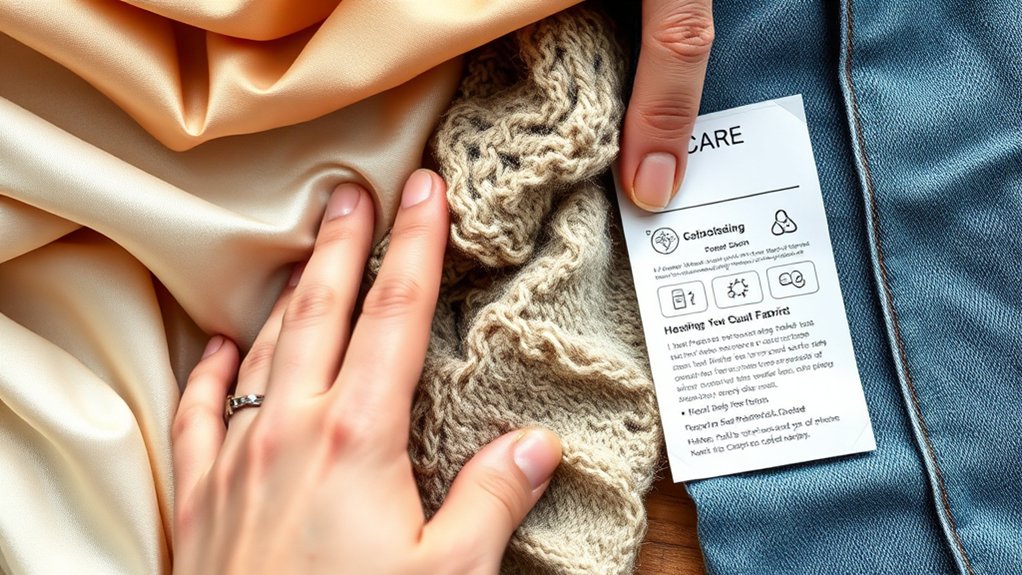
Before you toss a garment into the wash, check the fabric care label first so you know exactly what it can handle. Read the small tag inside the seam or neckline and look closely at the fabric symbols. They tell you whether you can machine wash, hand wash, bleach, tumble dry, or iron the item.
If you ignore those marks, you might shrink, stretch, or fade the fabric. Follow the care instructions exactly, especially when the label says “dry clean only” or “do not wring.” When the symbols seem confusing, use a quick guide or the manufacturer’s website to confirm them.
You’ll save time, protect your clothes, and avoid damage from guesswork. Treat the label as your first checkpoint every time, because it gives you the safest cleaning plan for that specific piece.
Sort Laundry by Fabric Type
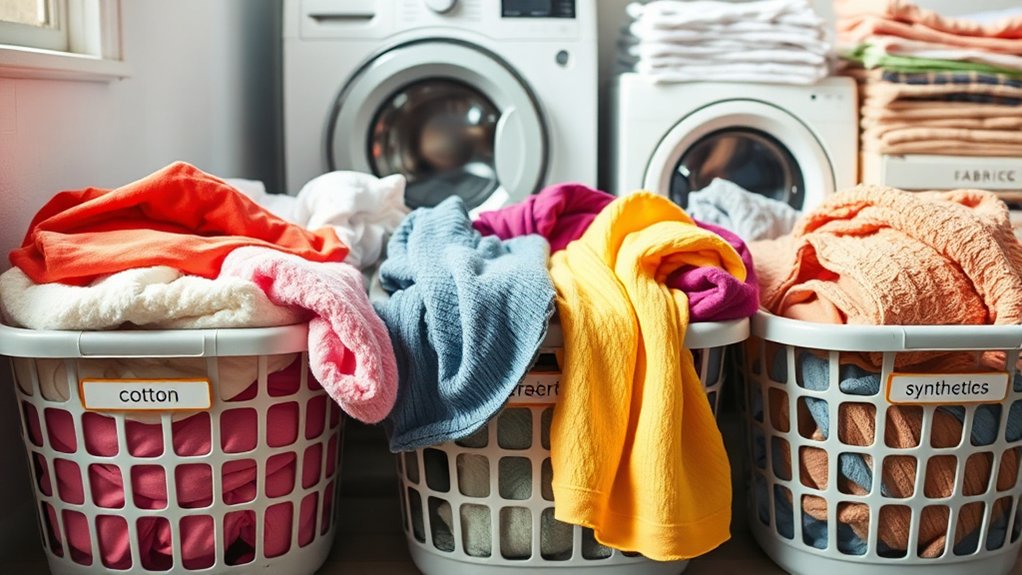
Next, start by sorting your laundry based on fabric type to keep each piece in good shape. First, set aside delicate items because they need gentler care and less friction. After that, group together heavier fabrics like towels and denim so they wash more evenly.
Separate Delicates First
When you sort laundry by fabric type, start by pulling out delicate pieces like silk, lace, chiffon, and lightweight knits so they don’t get snagged, stretched, or faded in a regular wash. Place these delicate fabrics in a separate pile before you load the machine, and check each care label for water temperature and spin settings.
These washing tips help you choose gentler cycles, shorter wash times, and milder detergent that protects fibers. You should also turn items inside out and fasten hooks or zippers to reduce abrasion.
If you see embellishments, sheer panels, or loose seams, give those items extra care and wash them in a mesh bag. By separating them first, you keep fragile clothes looking newer longer.
Group Heavy Fabrics
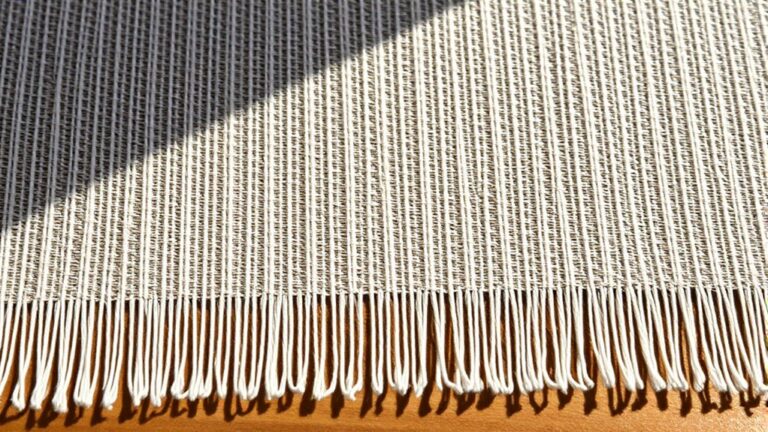
After setting aside delicate items, gather your heavier fabrics into their own load so they can handle a stronger wash. You’ll protect towels, jeans, sweatshirts, and denim by grouping them together since their weight and weave demand similar agitation.
Look for heavy fabric characteristics like thick fibers, dense stitching, and long drying times, because mixing them with lighter pieces can leave everything unevenly cleaned. Check labels before you start, then choose the hottest safe temperature and a normal spin cycle.
For care product recommendations, use a sturdy detergent that cuts soil without leaving residue, and add fabric conditioner only if the label allows it. Keep zippers closed, turn jeans inside out, and don’t overload the drum so water and detergent can move freely through every item.
Pick the Right Water Temperature
| Fabric | Best Temp | Why |
|---|---|---|
| Delicates | Cold | Reduces fading and wear |
| Cotton | Warm | Cleans well without harsh heat |
| Wool | Cold | Prevents shrinking and distortion |
| Linen | Cool/Warm | Balances cleaning and shape |
| Synthetics | Cold | Protects elasticity and finish |
If you’re unsure, start cool and move up only when the fabric can handle it. That simple step keeps clothes looking better longer. It also helps you avoid damage before it starts.
Choose Detergent and Cycle Settings
The right detergent and cycle matter just as much as water temperature. You should match detergent types to the fabric and soil level. Use a standard liquid detergent for everyday cottons and synthetics since it dissolves well and cleans evenly. For wool or silk, choose a gentle formula designed for fine fibers.
If your load has heavy stains, pick a detergent with enzymes, but don’t overload the machine with extra soap. Too much detergent can leave residue and dull colors.
Next, set cycle durations carefully. Shorter cycles work well for lightly worn clothes, while longer cycles help with sturdy items that need deeper cleaning. Use the normal cycle for most casual wear, and reserve stronger agitation for durable fabrics like denim or towels.
Always check the care label for any specific machine settings. When you combine the right soap with the right cycle, you protect fabric, improve cleaning, and keep clothes looking fresh longer.
How to Wash Delicates Safely
When you wash delicates, use cold water and a gentle cycle to reduce stretching, fading, and wear. Put lace, silk, and embellished pieces in a mesh laundry bag so they don’t snag on zippers or buttons.
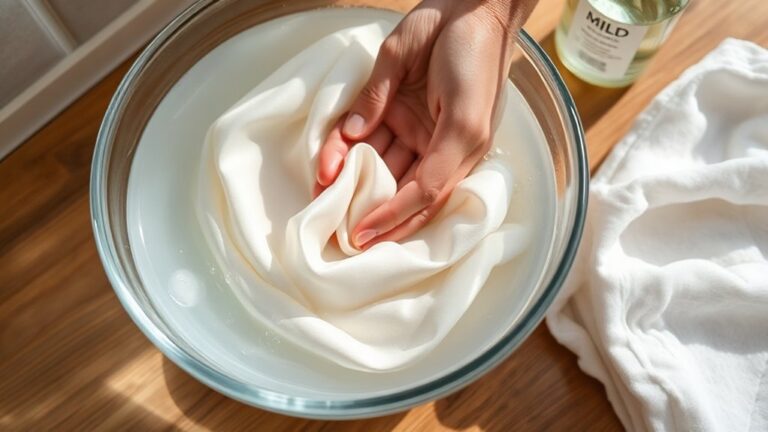
Turn garments inside out, then choose a mild detergent and skip bleach, which can weaken fibers. If the care label says “hand wash,” follow handwashing techniques: fill a basin with cool water, add a small amount of detergent, and swirl the item gently without twisting or wringing.
Turn garments inside out and use mild detergent; if hand washing, gently swirl in cool water without twisting.
Rinse with clean water until it runs clear, then press out excess moisture with a towel. Lay delicate items flat to dry, or hang them only if the label allows it. Use fabric specific tips for each item, since knits, lingerie, and beaded clothing need different handling.
Treat every delicate piece carefully, and you’ll keep it looking smooth, bright, and wearable longer.
Wash Cotton and Linen Garments
Cotton and linen are usually easy to wash, but a little care helps them keep their shape and color. Use cold or warm water, a gentle detergent, and a normal cycle for most items. Check labels first, then sort by color so whites stay bright and darks don’t bleed. For stain removal, treat spots early and avoid harsh scrubbing.
| Fabric | Best practice |
|---|---|
| Cotton tees | Wash inside out |
| Linen shirts | Use mild detergent |
| Towels | Wash separately |
| Light colors | Dry on low heat |
These cotton care steps help reduce shrinking and fading. For linen tips, remove pieces while they’re still slightly damp, then smooth them by hand or hang them to finish drying. If wrinkles remain, press with a warm iron while the fabric is barely damp. You’ll keep your cotton and linen looking crisp, clean, and ready to wear.
Clean Wool and Cashmere Safely
When you wash wool and cashmere, it’s important to use fiber-safe care to keep them soft and in good shape. You can either hand wash them or use a gentle cycle with cool water and a mild detergent.
Just be sure not to wring the fabric afterward. Instead, lay your items flat to dry and reshape them while they’re still damp. This way, they’ll stay looking great for longer!
Fiber Care Essentials
Wool and cashmere need a gentler touch than most fabrics, but you can keep them clean without damaging the fibers. Start by checking the care label, because fabric types vary and each one reacts differently to cleaning methods.
Brush away surface dirt with a soft garment brush, then air out sweaters between wears to reduce washing. If you spot a stain, blot it right away with cool water and a small amount of wool-safe cleaner. Avoid hot water, bleach, and twisting, which can weaken fibers and distort shape.
Store items folded, not hung, so they don’t stretch. Use breathable bags with cedar or lavender to discourage moths and keep your knitwear fresh. Treat each piece gently, and it’ll stay soft, smooth, and wearable longer.
Gentle Washing Methods
For wool and cashmere, hand washing is usually the safest option. Fill a basin with cool water and add a small amount of mild detergent made for delicates. Turn garments inside out, then gently swish them for a few minutes without rubbing, twisting, or stretching.
Let them soak briefly if needed, then rinse with cool water until it runs clear. If you’d rather use a washer, choose machine settings for delicate or wool cycles, use cold water, and place items in a mesh bag.
Avoid heavy loads, harsh spin speeds, and regular detergent, which can damage fibers. Handle each piece lightly, and stop as soon as the fabric looks clean. Check care labels first, since some blends need extra caution and may react differently.
Drying And Reshaping
After washing, press out excess water gently without wringing or twisting, then lay wool and cashmere flat on a clean, dry towel. Smooth the garment back to its original shape, align seams, and reshape sleeves, hems, and collars while it’s still damp.
Keep air drying in a shaded spot away from heat, sunlight, and vents, which can shrink fibers and cause fading. Flip the towel if it becomes damp, and replace it when needed to reduce moisture retention and speed drying.
- Lay flat, don’t hang.
- Reshape before it dries.
- Rotate towels for faster drying.
Check the fabric occasionally and adjust edges as they relax. With patience, you’ll preserve softness, fit, and drape.
How to Wash Silk Without Shrinking
Silk needs a gentle touch, so wash it by hand in cool water with a mild detergent to help prevent shrinking. You should swish the fabric lightly, never scrub, twist, or soak it for long. This careful silk care supports fabric protection and keeps the fibers smooth.
Rinse in cool water until the detergent clears, then press out moisture with a clean towel. Avoid wringing, since that can stretch the weave and distort the shape.
| Step | What you do | Why it matters |
|---|---|---|
| Wash | Use cool water | Limits shrinkage |
| Rinse | Lift and press gently | Protects fibers |
| Dry | Lay flat on a towel | Helps maintain shape |
Afterward, reshape the garment while it’s damp and let it air-dry away from direct heat or sun. If you need to remove wrinkles, use the lowest steam setting from a distance.
Wash Denim and Heavy Fabrics Properly
Denim and other heavy fabrics can handle more than silk, but they still need the right care to avoid fading, stiffness, and unnecessary wear. Turn jeans, jackets, and work shirts inside out before washing to protect color and seams. Use cold water and a gentle cycle so your denim care routine stays kind to the fibers. Keep loads small so each heavy fabric can move freely and rinse cleanly.
- Wash dark denim with similar colors to prevent dye transfer.
- Use a mild detergent and skip bleach, which weakens fibers and dulls finishes.
- Fasten zippers and buttons so they don’t snag or twist the fabric.
If you spot a stain, treat it first instead of scrubbing hard. Wash only when needed; overcleaning breaks down the fabric and shortens the life of your favorite pieces.
Dry Fabrics Without Stretching or Fading
To keep your fabrics looking great, try drying them on low heat. This helps them hold their shape and color better. When they’re still a bit damp, give them a gentle smooth and reshape by hand—that way, they won’t stretch out. Also, remember to keep them out of direct sunlight, since the sun can fade colors and weaken delicate materials.
Low Heat Drying
When you use low heat in the dryer, you help protect fabrics from shrinking, stretching, and fading while still getting clothes dry efficiently. For better fabric care, choose drying techniques that match each garment’s label and weight.
Delicate knits, synthetics, and dark colors usually do best with a gentler cycle, while thicker items can handle a bit more warmth. You’ll also cut down on excess wear by avoiding high heat, which can weaken fibers over time.
- Use the lowest effective temperature.
- Remove clothes as soon as they’re dry.
- Check care labels before every load.
This simple approach keeps your laundry looking fresher longer and helps you dry clothes with less risk of damage.
Shape While Damp
A little extra care while fabrics are still damp can make a big difference in how they fit and look. Remove each piece from the dryer before it’s fully dry, then smooth seams, hems, and collars with your hands.
For knitwear, lay the damp fabric flat on a clean towel and use reshaping techniques to restore the original size and outline. Tug gently at sleeves, pant legs, or hems only where needed, and keep the fabric aligned so it dries evenly.
If a garment has warped after washing, pat it back into place instead of twisting or pulling hard. Let it finish drying in the corrected shape, and you’ll reduce wrinkles, preserve structure, and help clothes keep their intended drape and fit.
Avoid Sun Exposure
Direct sunlight can fade colors and weaken fibers, so it’s best to dry fabrics in a shaded, well-ventilated spot instead. You’ll protect delicate weaves from UV damage and keep clothes looking fresh longer. Hang items away from windows or move them indoors if the sun shifts.
- Turn garments inside out to reduce fabric fading.
- Use a drying rack or clothesline under cover.
- Check thick pieces often so they don’t stretch or hold moisture.
If you need faster drying, point a fan at the fabric instead of exposing it to direct rays. This helps air circulate evenly and prevents hot spots that can distort shape. By choosing shade, you preserve color, texture, and fit without extra effort.
Frequently Asked Questions
How Often Should I Wash Clothes Between Wears?
You should wash clothes between wears based on sweat, odor, and contact with dirt. Your laundry frequency can be daily for underwear, socks, and workout gear, but shirts, jeans, and jackets often can go a few wears.
Good fabric care means checking labels, airing items out, and spot-cleaning when you can. If something smells, feels sticky, or looks soiled, wash it sooner rather than later.
Can I Use Fabric Softener on All Fabrics?
No, you can’t use fabric softener on all fabrics; it’s a blanket with a few holes. You should check labels first because some fabric softener types coat fibers and hurt fabric care for towels, athletic wear, and flame-resistant clothing.
You can use it on most everyday cottons and synthetics, but avoid microfiber, wool, and moisture-wicking pieces. When in doubt, skip it and keep your clothes working well.
How Do I Remove Tough Stains Before Washing?
You should treat tough stains right away by blotting, not rubbing, to lift excess mess. Then apply one of your stain removal techniques, like liquid detergent, baking soda paste, or a stain remover spray.
Let it sit for 5 to 15 minutes so the pretreatment methods can work. Gently scrub with a soft brush, rinse with cold water, and check the spot before you wash the item normally.
Should I Wash New Clothes Before Wearing Them?
Yes, you should usually wash new clothes before you wear them. You might think they’re clean, but pre wash benefits often include removing dyes, finishing chemicals, and leftover dirt.
That first wash also supports better fabric care, especially for items that touch your skin. If you’ve ever wondered whether fresh-from-the-store means truly clean, the answer’s usually no.
Wash them first, and you’ll likely feel safer and more comfortable.
How Can I Prevent Colors From Bleeding?
You can prevent colors from bleeding by washing bright items separately in cold water and using color safe detergents. Turn garments inside out, and don’t overload the washer so fabrics move freely.
For extra protection, try pre wash treatments on new or heavily dyed clothes. Always test a hidden spot first, and skip long soaks.
Dry items promptly to reduce color transfer and keep your clothes looking fresh and vibrant.
Conclusion
Now you know the theory behind fabric care: if you treat every textile the same, you’ll wear it out faster. When you check labels, sort by material, and choose the right wash settings, you protect color, shape, and texture.
That simple habit proves a bigger truth. Careful washing isn’t extra work; it’s what keeps your clothes looking good longer. So next time, don’t guess; wash with purpose and let each fabric get what it needs.
Remember, washing different fabrics properly is key to maintaining their quality and longevity.