What Is Wool?
Finding the perfect fabric that’s both comfortable and durable can be a real challenge. If you’ve ever struggled to stay warm without overheating or found your clothes losing shape after a few washes, you’re not alone.
Many people look for materials that balance comfort, breathability, and longevity—and that’s where wool comes in. What Is Wool.
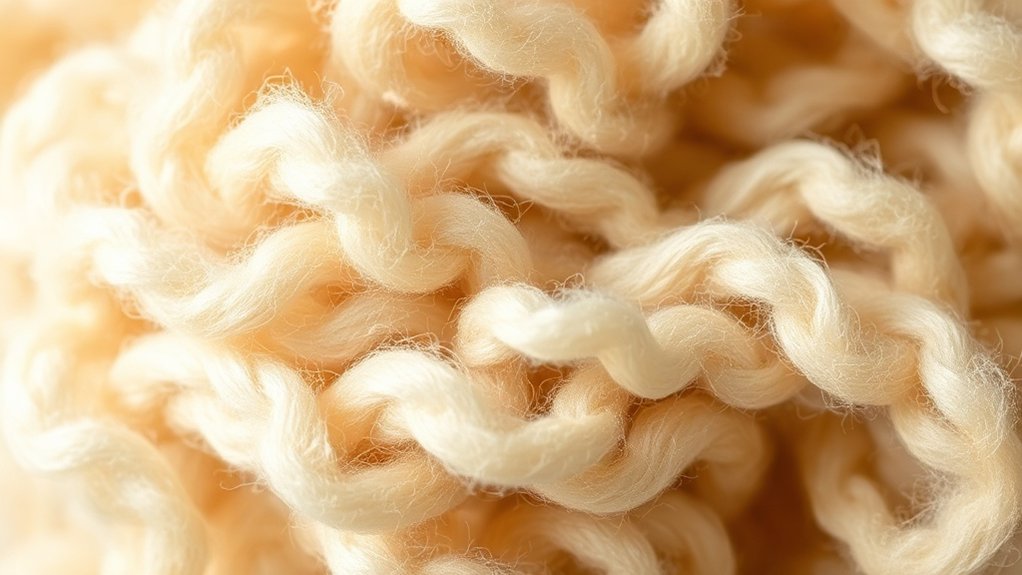
Wool is a natural fiber you get mainly from sheep fleece, and you use it in clothing and home textiles because it’s warm, breathable, and durable. Its crimped structure helps it stretch and spring back, while tiny scales make it easy to spin and felt.
Wool also absorbs moisture without feeling wet, so you stay comfortable in cool or changing weather. Different types suit different needs, and a little more can show you how to choose the best kind.
Key Takeaways
- Wool is a natural fiber mainly obtained from sheep fleece and used in clothing and textiles. It’s valued for warmth, breathability, moisture management, and durability.
- Wool fibers have natural crimp and tiny scales, which give them stretch, resilience, and make them easy to spin.
- Different wool types include merino, cashmere, and lambswool. Each offers different softness and uses.
- Wool needs gentle care, but it provides strong insulation and comfort in both garments and home goods.
What Is Wool?
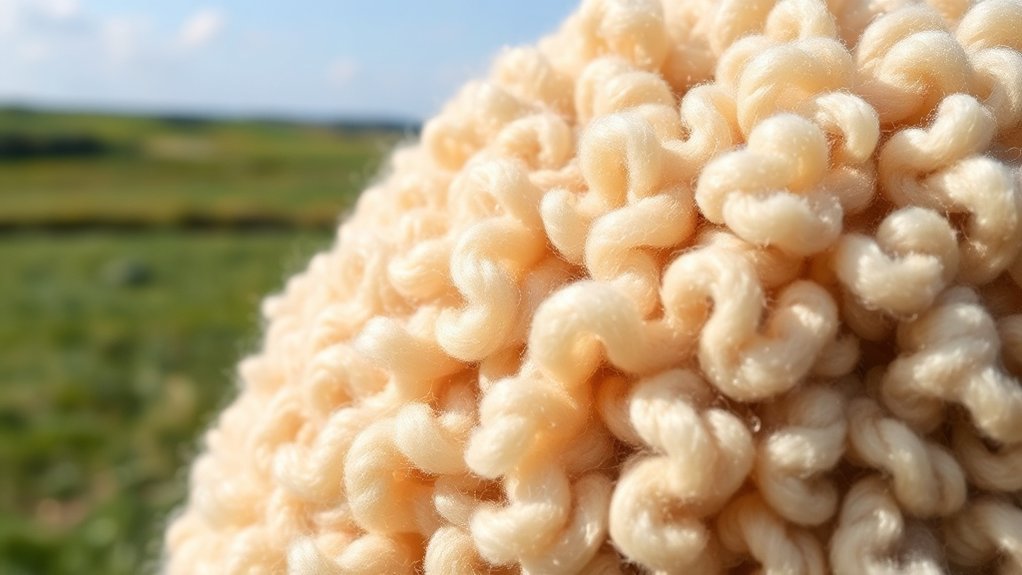
Wool is a natural fiber that comes from the fleece of sheep, and you’ll often find it used in clothing, blankets, and other textiles. When you choose wool, you get a material that can insulate, breathe, and manage moisture well.
You may notice it feels soft, springy, or slightly coarse depending on the type and finish, but it always offers reliable warmth. In wool history, people valued it for durability, comfort, and versatility, so it became a staple in everyday life.
You might also hear wool myths, such as the idea that all wool scratches or feels heavy; in reality, quality and processing make a big difference. Because wool is naturally resilient, it can help garments keep their shape and stay useful for years.
If you want a fabric that balances function and comfort, wool deserves your attention.
Where Does Wool Come From?
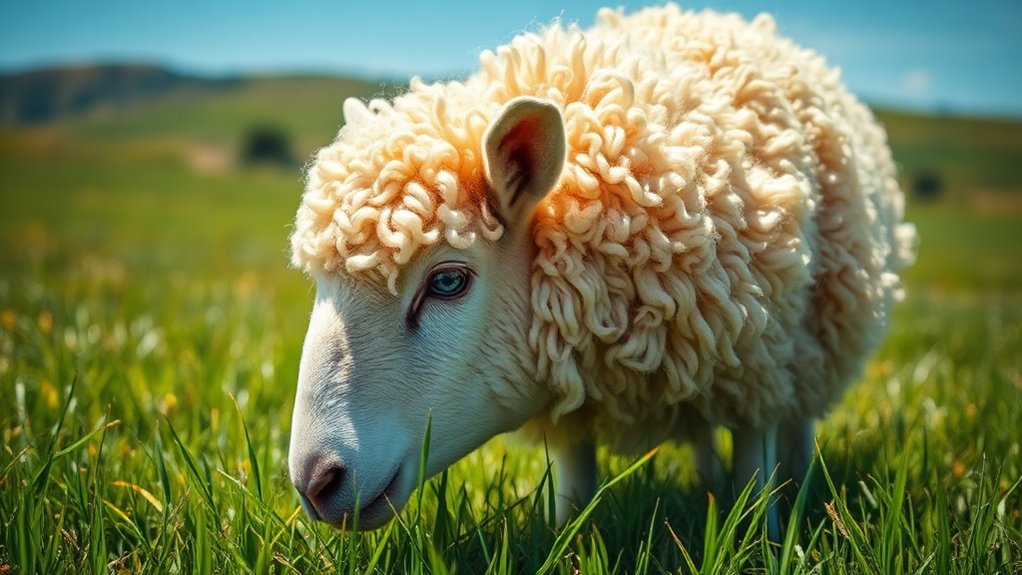
You get wool from animals—mostly sheep—that naturally grow a thick, dense fleece. Farmers shear the fleece off the sheep, then collect and clean the fibers. After that, the wool can be spun into yarn and woven into fabric. It’s a pretty natural process that turns animal hair into something warm and wearable!
Wool’s Animal Origins
Sheep are the primary source of wool, and farmers harvest it by shearing the fleece from the animal’s coat. You’ll also find wool from certain goat types, such as cashmere and mohair goats, plus a few other fiber animals.
Different sheep breeds produce distinct fiber characteristics, so you can choose wool that feels fine, coarse, warm, or springy. Good animal care supports healthy coats and stronger wool production, while humane handling protects animal welfare.
When you buy wool, consider the environmental impact of grazing, land use, and processing. Sustainable practices, like responsible breeding and pasture management, can reduce waste and improve long-term supply.
Shearing And Harvesting
Once the animal’s fleece is ready, farmers remove it through shearing, a careful process that cuts the wool close to the skin without harming the animal. You’ll often see skilled workers use electric clippers or hand tools, depending on the flock and the season.
Good shearing techniques keep the fleece in one piece, which helps preserve fiber quality and makes sorting easier. Afterward, you can trace the wool through simple harvesting methods: the fleece is skirted, cleaned, and rolled before it moves to washing and processing.
Timing matters, too, because shearing at the right moment keeps sheep comfortable and protects the wool from mud, moisture, and breakage. From farm to mill, you’re seeing how careful handling turns a living coat into useful fiber.
What Makes Wool Fibers Unique
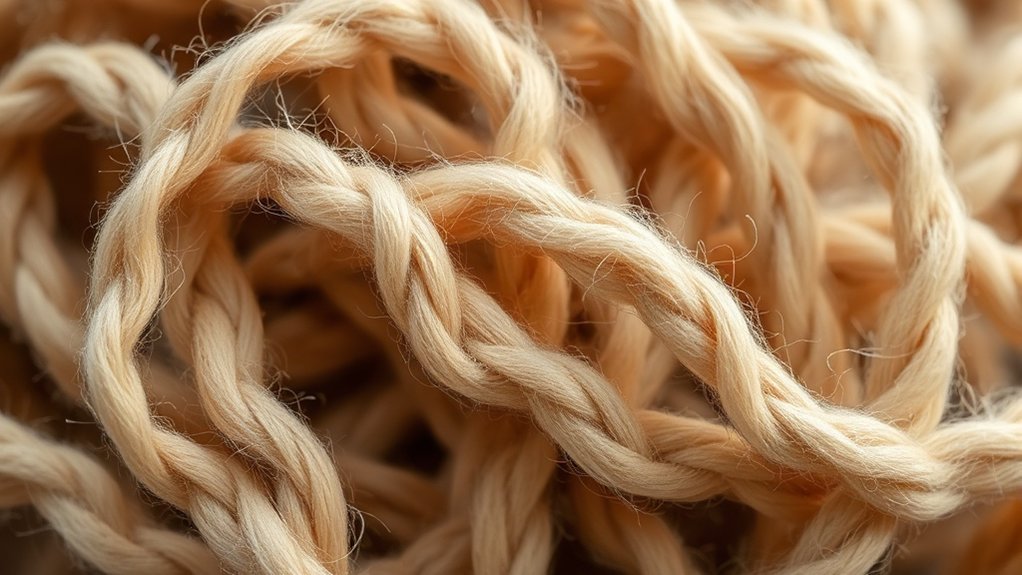
Wool fibers stand out because their structure gives them natural stretch, warmth, and resilience. You’ll notice that each strand has a crimped fiber structure, which helps the yarn spring back after bending or twisting.
That shape also lets wool hold its form better than many smooth fibers, so your clothes can keep looking good longer. Wool’s outer layer is covered with tiny scales, and those scales help the fibers lock together during spinning and felting.
You also get excellent moisture absorption, which means wool can take in water vapor without feeling instantly soaked. Because of this, wool handles changing conditions well and stays comfortable during everyday wear.
Its natural elasticity reduces bagging at elbows, knees, and cuffs, so you can rely on it for items that need durability. When you choose wool, you’re choosing a fiber that balances strength, flexibility, and practical performance.
Why Wool Feels Warm and Breathable
Because wool traps tiny pockets of air within its crimped fibers, it helps hold in your body heat while still letting excess moisture escape. You stay warm because those air spaces slow heat loss, giving wool strong insulating properties without feeling stuffy.
At the same time, wool actively supports moisture management by absorbing vapor from your skin and releasing it into the air. That means you can wear it in cool weather or during activity and still feel balanced, not clammy.
Wool’s natural structure also helps it adapt to changing conditions, so it can insulate when temperatures drop and breathe when you start to warm up. You get comfort from both sides: protection from cold and relief from trapped sweat. That’s why wool often feels cozy yet surprisingly fresh.
The Main Types of Wool and Their Uses
When you look at wool, you’ll notice that merino, cashmere, and lambswool each serve different needs. Merino is great for activewear and everyday layers because it’s breathable and comfortable. Then there’s cashmere, which feels super soft and luxurious—perfect for those fine knits you want to feel fancy in. Lambswool, on the other hand, is all about warmth, making it ideal for cozy sweaters and blankets. So, knowing these types really helps you pick the right wool for comfort, style, and what you need it to do.
Merino Wool Uses
Merino wool is prized for clothing that needs to feel soft, breathe well, and manage moisture, which is why you’ll often see it used in base layers, sweaters, socks, scarves, and activewear. You’ll appreciate Merino benefits when you want warmth without bulk, odor resistance, and comfort next to your skin.
It works well for travel because you can wear it longer between washes, and it stays useful across changing temperatures. If you care about Merino sustainability, you can choose pieces that last, reduce frequent laundering, and support natural-fiber wardrobes.
You’ll also find it in outdoor gear, sleepwear, and lightweight accessories, where you need reliable performance and easy layering. Choose Merino when you want everyday versatility that feels polished and practical.
Cashmere Wool Qualities
Cashmere has a reputation for being one of the softest wools, with a silky feel, excellent warmth, and a lightweight drape that makes it ideal for sweaters, scarves, and luxury layers. You notice cashmere softness right away because it feels gentle against your skin and adds a refined finish to garments.
Cashmere warmth helps you stay comfortable without heavy bulk, so you can wear it in cool weather with ease. Since the fibers are fine and delicate, you should handle cashmere carefully and choose quality pieces that keep their shape.
When you want comfort and elegance together, cashmere offers both. It works well in classic wardrobe staples, giving you a polished look while still feeling cozy and breathable.
Lambswool Applications
Lambswool gives you a softer, lighter wool option that’s still warm enough for everyday wear. You can choose it for sweaters, scarves, hats, and baby clothing when you want comfort without bulk. Its fine fibers feel gentle against your skin, so it’s a smart pick for layers you wear close to your body.
The lambswool benefits also show up in blankets and throws, where it adds cozy texture and reliable warmth. Because lambswool insulation traps heat well while staying breathable, you can stay comfortable in changing temperatures.
You’ll also find it in casual knitwear and lightweight outer layers, where it balances softness, durability, and easy care. If you want wool that feels premium but practical, lambswool fits your wardrobe well.
How Wool Is Processed Into Fabric
After shearing, raw wool is cleaned, sorted, and carded to remove dirt, grease, and tangled fibers before it’s spun into yarn. You then move through wool processing steps that turn loose staples into a workable textile. Carding aligns the fibers, while spinning twists them into strong yarn.
Next, you may weave or knit that yarn, depending on the fabric production method you want. Weaving creates a structured cloth with interlaced threads, and knitting forms a stretchier surface with connected loops. Afterward, manufacturers often full, wash, and finish the cloth to improve strength, texture, and appearance.
These treatments can tighten the weave, soften the hand, and help the fabric hold its shape. By controlling each stage carefully, you get wool fabric that’s durable, warm, and ready for further finishing.
Common Wool Uses in Clothing and Home Goods
You’ll find wool in everyday clothing like sweaters, coats, socks, and suits because it insulates well and feels comfortable to wear. Plus, it’s pretty durable, so it holds up nicely over time.
But wool isn’t just for clothes. It also shows up in home goods like blankets, rugs, and upholstery. These items benefit from wool’s warmth and toughness, making them last longer and keep you cozy.
Clothing Applications
Wool shows up in far more than just sweaters, making it a versatile fiber for both clothing and home goods. When you choose it for clothing, you get warmth, breathability, and natural stretch.
In sustainable fashion, wool trends keep returning because the fiber lasts, resists odor, and feels comfortable in changing weather. You can wear it in suits, coats, scarves, and socks without sacrificing style.
| Garment | Why you’d wear it |
|---|---|
| Sweater | Keeps you warm |
| Suit | Looks polished |
| Socks | Feels cushioned |
| Coat | Blocks chill |
You’ll also notice wool’s shape retention, so your favorite pieces stay neat longer. That makes it a smart pick for everyday wardrobes.
Home Goods Uses
Beyond clothing, wool brings comfort and utility to the home in blankets, throws, rugs, cushions, and upholstery. You can wrap yourself in wool bedding for warmth that still breathes, helping you stay cozy without overheating.
In rugs and cushions, wool resists wear, springs back after use, and adds a natural, inviting texture to your rooms. You’ll also find wool insulation in some homes, where it helps regulate temperature and reduce noise, making spaces quieter and more efficient.
Because wool naturally manages moisture, it can feel fresh longer than many synthetic materials. When you choose wool home goods, you’re selecting a durable, renewable fiber that supports comfort, style, and everyday practicality throughout your living space.
How to Care for Wool Properly
Caring for wool starts with gentle handling, since heat, agitation, and harsh detergents can quickly damage its fibers. You should read the care label first, then choose cool water and a mild, wool-safe cleanser for wool washing.
Soak the item briefly, press it lightly, and never wring or scrub it hard. Rinse in water that matches the wash temperature to help prevent shrinkage.
For wool drying, support the garment with a towel, reshape it, and lay it flat away from direct sunlight or heat. If you need to remove moisture faster, roll it in a dry towel and press, not twist.
You can freshen wool between wears by airing it out and brushing it gently with a soft clothes brush. Store it clean, dry, and folded to keep its fibers from stretching, pilling, or attracting moths.
Wool vs. Cotton, Linen, and Alpaca
Compared with cotton and linen, wool usually insulates better, resists wrinkles more naturally, and manages moisture in a different way. That’s why it feels warmer and more protective in cool weather. You’ll notice cotton feels lighter and cooler, so it’s often better for hot days and easy layering.
Wool insulates better than cotton or linen, making it warmer, springier, and more protective in cool weather.
Linen breathes well too, but it creases quickly and won’t trap as much heat. Alpaca sits closer to wool, yet it often feels softer and lighter, with less lanolin and a smoother touch.
When you compare wool characteristics, you’ll see springy fibers that help garments keep shape and stay comfortable in changing weather. Cotton and linen can absorb moisture, but wool can move vapor away while still keeping you cozy.
If you care about wool sustainability, you’ll also appreciate that wool is renewable when sourced responsibly, and it can last a long time with proper wear.
How to Choose Quality Wool
When you’re choosing quality wool, start by feeling the fiber: good wool should feel springy, resilient, and consistent, not brittle or overly scratchy. Check the yarn or fabric for even texture, tight twists, and a clean surface, because strong wool characteristics usually mean better durability and shape retention.
Hold it up to the light and look for dense, uniform coverage instead of thin spots or loose fibers. Next, stretch the material gently and let it recover. Quality wool bounces back quickly and won’t pill excessively after a few rubs.
If you’re buying finished clothing, inspect seams, hems, and labels for fiber content and care instructions. Natural wool often breathes well and manages moisture without feeling clammy. Also, pay attention to wool dyes: rich, even color suggests careful processing, while patchy dyeing can signal lower quality.
Trust your hands, your eyes, and your nose; fresh wool should smell clean, not harsh or chemical-heavy.
Frequently Asked Questions
Can Wool Be Recycled Into New Products?
Yes, you can recycle wool into new products, and it’s a smart way to extend its life. Through wool recycling, you can turn old sweaters, blankets, and scraps into yarn, insulation, or stuffing. That saves resources and reduces waste, giving you clear environmental benefits.
If you sort items by fiber quality, you’ll improve the results and help keep usable wool out of landfills while supporting a more sustainable cycle.
Does Wool Cause Skin Allergies in Some People?
Yes, wool can cause skin allergies in some people, and you might notice it by chance when a sweater suddenly feels itchy. You may have wool sensitivity, which can trigger skin irritations like redness, itching, or a prickly rash.
If that happens, you should switch to softer fibers, wear a layer underneath, and watch how your skin reacts. A doctor can help if symptoms keep coming back.
How Does Wool Biodegrade After Disposal?
After disposal, you’ll see wool decomposition happen as microbes, moisture, and oxygen break down its keratin fibers. In compost or soil, wool can slowly return nutrients, so its environmental impact is often lower than synthetics.
You can speed it up by shredding wool and keeping it warm and damp. If it ends up in landfills, though, it may decompose much more slowly because conditions limit microbial activity and airflow.
Can Wool Be Dyed in Bright Colors?
Yes, you can dye wool in bright colors, and you’ll often get rich, vivid results. You’ll want to use proper dyeing techniques because wool’s natural fibers absorb dye well.
Its colorfast properties can be excellent when you choose the right dye and set it correctly. You’ll also need gentle heat and careful rinsing to keep the shade strong.
With the right process, your wool can look bold and long-lasting.
Is Wool Sustainable Compared With Synthetic Fibers?
Yes, you usually find wool more sustainable than many synthetics, like a smartphone in a barn. You can choose it because sheep renew their fleece naturally, and wool often biodegrades at the end of its life.
Still, wool production can have a real environmental impact through land use, methane, and water demands. You’ll want to compare sourcing, processing, and durability, since better-made synthetics can sometimes last longer.
Conclusion
So, what is wool? You’ve seen how this natural fiber comes from animals, traps warmth, and still lets your skin breathe.
You’ve also learned that different wool types suit different clothes and home goods, and that caring for wool helps it last longer.
Compared with cotton, linen, and alpaca, wool offers a unique balance of comfort and performance. Next time you shop, won’t you look at wool a little differently? Wool really is something special.