What Are Smart Fabrics and How to Use Them
Finding clothing that keeps up with your active lifestyle while making you feel comfortable and supported can be a real challenge. You’re not alone if you’ve struggled to find gear that adapts to your body’s needs throughout the day. Many people want clothes that do more than just look good—they want smart solutions that enhance performance and wellness.
Smart fabrics are textiles designed to sense and react to your body and environment, using embedded sensors, conductive fibers, or coatings. They help regulate temperature, track health metrics, and adapt in real time, boosting comfort and performance.
You can find them in sportswear, health gear, and fashion-forward clothing.
To get the most from smart fabrics, you’ll want to handle and care for them gently. There’s plenty more to investigate about how these innovative textiles work and where to find them.
Key Takeaways
- Smart fabrics are textiles embedded with sensors or conductive fibers that respond to environmental stimuli like temperature and moisture. They enhance comfort, health monitoring, and athletic performance through features like moisture-wicking, temperature regulation, and biometric tracking.
- These fabrics use advanced technologies such as nanotechnology, flexible batteries, and wireless communication for seamless integration and durability. Proper care means gentle washing, air drying, and storing in cool, dry places to preserve sensors and fabric integrity.
- You can find smart fabrics at specialty stores, tech-fashion brands, and wholesalers who offer durable, customizable smart textile options.
What Are Smart Fabrics and How Do They Work
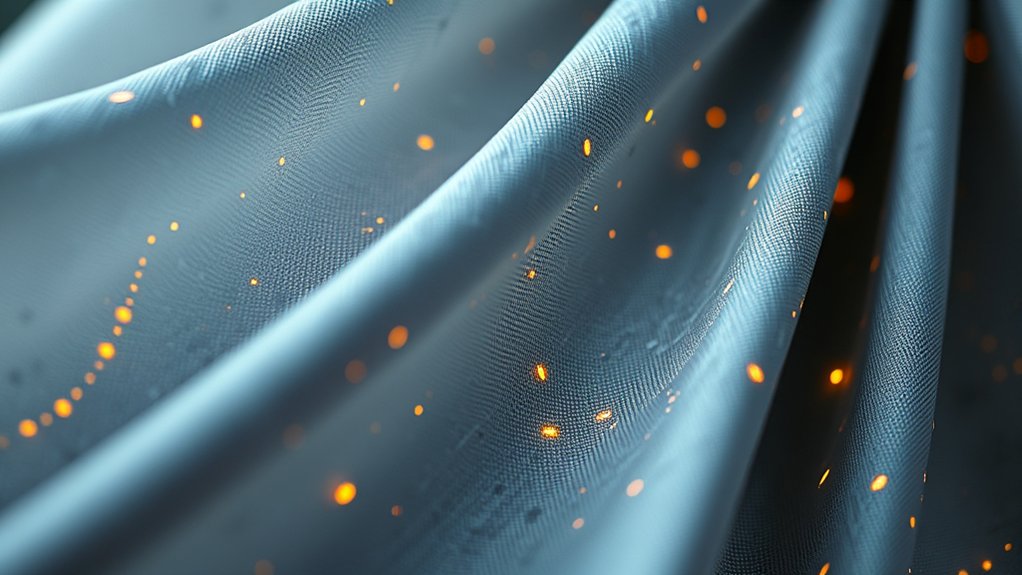
What exactly are smart fabrics, and how do they work? You’re stepping into a world where fabric evolution meets cutting-edge textile innovation. Smart fabrics are textiles designed to interact with their environment or respond to stimuli like temperature, pressure, or moisture.
Unlike traditional fabrics, these materials integrate sensors, conductive fibers, or special coatings that allow them to monitor, adapt, and even communicate.
As fabric evolution progresses, smart textiles become more versatile, combining comfort with functionality. You’ll find them in sportswear that tracks your vital signs or clothing that adjusts to temperature changes. This innovation doesn’t rely solely on electronics sewn in; instead, the textile itself plays an active role.
The Tech That Powers Smart Fabrics

Smart fabrics rely on a blend of advanced materials and innovative technology to deliver their unique capabilities. When you examine smart textiles, you’ll find components like conductive fibers, sensors, and microcontrollers woven directly into the fabric. These elements allow the fabric to detect changes such as temperature, movement, or moisture.
Fabric innovation also includes integrating flexible batteries and wireless communication modules, enabling smart fabrics to process and transmit data without bulky attachments. You’ll notice that nanotechnology plays a vital role, enhancing durability and responsiveness while keeping the fabric lightweight and comfortable.
Moreover, certain smart textiles use phase-change materials to regulate temperature automatically. When you wear these fabrics, you experience seamless interaction between technology and clothing, thanks to this intricate tech integration. Understanding the tech behind smart fabrics helps you appreciate how fabric innovation is transforming everyday textiles into dynamic, functional gear suited for health, sports, and fashion.
Types of Smart Fabrics You Can Buy

Although the market for intelligent textiles is still growing, you can already find a variety of smart fabrics designed for different purposes. For example, moisture-wicking and temperature-regulating fabrics are popular for athletic wear, helping you stay comfortable during workouts. Other options include fabrics embedded with sensors that monitor health metrics like heart rate or posture, perfect if you want real-time feedback.
There are also fabrics with UV protection or antimicrobial properties, which add extra functionality to everyday clothing.
These smart fabric applications reflect ongoing textile innovation, blending technology seamlessly into your wardrobe. Some fabrics even change color or texture in response to environmental changes, offering dynamic uses beyond basic clothing.
When choosing smart fabrics, consider what functions will best suit your lifestyle, whether it’s fitness tracking, health monitoring, or improved comfort. As you investigate these options, you’ll see how textile innovation is making smart fabrics more accessible and practical for daily use.
Fashion and Style Trends in Smart Fabrics
You’ll notice smart fabrics are really pushing fashion boundaries with innovative textile designs that blend style and function. These materials often integrate wearable technology seamlessly, adding new features without sacrificing look or comfort. So, let’s take a closer look at how these trends are shaping the future of your wardrobe.
Innovative Textile Designs
When technology meets textiles, it opens up exciting possibilities for fashion and style. You’ll find that smart textile innovations are reshaping how designers approach fabric construction, blending functionality with aesthetics.
By using advanced fabric design techniques like conductive threads, responsive fibers, and embedded sensors, you can create garments that react to environmental changes or user needs. These innovations allow you to experiment with textures, colors, and patterns that shift or adapt dynamically, giving your wardrobe a futuristic edge.
Plus, the ability to integrate these features seamlessly means your clothing stays comfortable and stylish without compromising on tech. As you delve into innovative textile designs, you’ll uncover how smart fabrics raise both form and function, making your fashion choices smarter and more personalized than ever before.
Wearable Technology Integration
As wearable technology advances, it transforms how you interact with fashion by seamlessly blending smart fabrics with everyday style. You’ll find sensor integration becoming more common, allowing your clothes to monitor health metrics, adjust temperature, or even change color based on your environment.
These fabrics don’t just respond; they’re powered by energy harvesting techniques embedded right into the textiles, so you won’t need bulky batteries weighing you down. This means your smart clothes stay functional longer while maintaining a sleek look.
Embracing wearable technology integration lets you stay connected and stylish without sacrificing comfort. By incorporating these innovations, you’re not just wearing fabric; you’re wearing the future of fashion, where technology and style work hand in hand to improve your daily life.
How Smart Fabrics Boost Comfort and Performance
Although traditional fabrics offer basic comfort, smart fabrics take it a step further by adapting to your body and environment. They improve fabric breathability and moisture regulation, so you stay dry and comfortable during physical activities or changing weather. This means less irritation and better temperature control, helping you perform at your best.
Here’s how smart fabrics boost comfort and performance:
| Feature | Benefit |
|---|---|
| Fabric Breathability | Improves airflow, reducing sweat buildup |
| Moisture Regulation | Absorbs and releases moisture efficiently |
| Temperature Control | Adjusts insulation based on conditions |
| Stretch and Fit | Moves with you for maximum flexibility |
| Lightweight Design | Minimizes bulk without sacrificing durability |
How Smart Fabrics Enhance Health Monitoring and Safety
Because smart fabrics constantly interact with your body, they can track essential signs and environmental hazards in real time, helping you stay healthier and safer. Embedded biometric sensors monitor your heart rate, body temperature, and even hydration levels, giving you immediate feedback about your health. This data helps you respond quickly to any irregularities, preventing potential issues before they escalate.
Beyond personal health, smart fabrics provide safety improvements by detecting environmental dangers like harmful gases, UV exposure, or extreme temperatures. When these sensors identify risks, they alert you instantly, enabling timely action. Whether you’re working in hazardous conditions or simply steering through daily life, these fabrics act as a protective layer, boosting your overall safety.
How Athletes Benefit From Smart Fabrics
Smart fabrics don’t just keep you safe and healthy; they also give athletes a competitive edge. When you wear smart fabrics, you get real-time feedback on your body’s performance, helping you fine-tune your training.
These fabrics monitor vital signs, muscle activity, and even hydration levels, allowing you to push harder while avoiding injury. By tracking your progress, smart textiles enable precise performance improvement, ensuring every workout counts.
Beyond training, smart fabrics play an essential role in athlete recovery. They can regulate temperature and promote blood circulation, speeding up muscle repair after intense sessions.
This means you recover faster and get back to peak form sooner. Plus, some smart fabrics reduce inflammation and muscle soreness, so you feel better day by day. Using smart fabrics, you optimize both your training and recovery, giving you the tools to reach new heights in your athletic performance.
Caring for and Maintaining Smart Fabrics
To keep your smart fabrics working well, you’ll need to follow some specific cleaning techniques that protect their technology. It’s not just about washing them like regular clothes—you want to be gentle and mindful of the special materials inside.
Proper storage is just as important, too. Stashing them away carefully helps prevent damage and can really extend their life. So, think about where and how you store these fabrics when you’re not using them.
And of course, handling them with care goes a long way. Avoid rough treatment or anything that might cause wear and tear. Treat them like the high-tech items they are, and they’ll keep performing at their best.
Cleaning Techniques
How should you clean fabrics embedded with technology without damaging their functionality? Start by checking the manufacturer’s care instructions carefully. Use gentle stain removal methods, such as spot cleaning with mild detergents, to avoid harming the fabric’s embedded sensors or circuits.
Avoid harsh chemicals and bleach, which can degrade both the smart components and the fabric durability. When machine washing is allowed, opt for a delicate cycle with cold water and place the item in a protective laundry bag.
Always skip fabric softeners, as they can leave residues that interfere with conductivity. Air drying is best to preserve the fabric’s integrity; avoid high heat from dryers. By following these cleaning techniques, you’ll maintain both the smart fabric’s performance and its longevity.
Storage Recommendations
Where you store your tech-embedded fabrics can make all the difference in their lifespan. To maintain fabric durability, keep smart fabrics in a cool, dry place away from direct sunlight. Sunlight can cause fading and reduce color stability.
Avoid storing them in damp or humid areas to prevent moisture damage to the embedded technology. Use breathable storage bags or containers to allow air circulation, and avoid plastic bags that trap humidity.
Fold smart fabrics carefully to prevent stress on sensors or circuitry. If possible, store them flat to reduce creasing.
Following these storage recommendations helps preserve both the fabric’s performance and its vibrant appearance. This ensures your smart textiles stay functional and visually appealing for longer. Proper storage complements your cleaning efforts for ideal care.
Handling Precautions
Although smart fabrics offer incredible functionality, you’ll need to handle them with extra care to avoid damaging their sensitive components. When dealing with these materials, follow handling precautions like avoiding sharp objects or excessive stretching that could compromise the fabric’s embedded technology.
Always check the manufacturer’s instructions for washing and drying, as harsh detergents or high heat can reduce fabric durability. Instead, opt for gentle cycles and air drying when possible.
Avoid folding smart fabrics tightly, which might cause internal wiring to break. Regularly inspect your smart garments for signs of wear or damage, and address any issues promptly to extend their lifespan.
Where to Buy Smart Fabrics and Smart Clothing
Finding the right sources for smart fabrics and smart clothing can make all the difference in your projects. You want suppliers that prioritize fabric durability and offer color customization to match your design needs.
Here are four great places to start your search:
- Specialty online stores These retailers focus exclusively on smart textiles, providing detailed info on durability and tech features.
- Tech-fashion brands Companies creating smart clothing often sell direct, ensuring quality and design consistency.
- Wholesale fabric distributors They offer bulk options with various smart fabric types, allowing you to test color customization possibilities.
- Trade shows and expos Attending events dedicated to wearable tech gives you a chance to examine smart fabrics firsthand and meet suppliers.
Tips for Adding Smart Fabrics to Your Wardrobe
When you’re adding smart fabrics to your wardrobe, it’s a good idea to focus on versatile pieces that really fit your style and needs. You want fabrics that work for you, right?
Also, think about how these functional textiles can actually improve your outfits without making you give up comfort. Smart fabrics are all about making life easier and more comfortable.
Oh, and don’t forget to follow the care instructions carefully. Keeping your smart materials in good shape will make sure they keep working their best for a long time.
Choosing Versatile Smart Fabrics
Since smart fabrics come with a variety of features, you’ll want to focus on those that fit your lifestyle and wardrobe needs. When choosing versatile smart fabrics, consider these key points:
- Prioritize fabric durability to guarantee your smart garments last through daily wear and washing.
- Look for color versatility so your smart pieces easily match different outfits and occasions.
- Select fabrics with adaptable technology, like temperature regulation or moisture-wicking, to maximize usefulness across seasons.
- Choose materials that balance comfort and functionality, so you’ll want to wear them regularly.
Styling With Functional Textiles
After narrowing down smart fabrics that suit your lifestyle, it’s time to think about how to incorporate them into your wardrobe. Start by choosing pieces that blend seamlessly with your current style. Functional textiles often bring subtle benefits like temperature control or moisture-wicking without compromising aesthetics.
Look for versatile items you can dress up or down, making sure they serve multiple occasions. Embracing textile innovation not only *raises* your outfit but also supports fashion sustainability by reducing the need for frequent replacements.
Mix smart fabrics with classic materials to keep your look balanced and timeless. Remember, adding these advanced textiles means investing in quality and longevity, helping you build a smarter, eco-friendly wardrobe that performs as well as it looks.
Caring For Smart Materials
How do you keep your smart fabrics performing at their best? Caring for these innovative textiles means treating them with care and respect, just like you would with any high-tech device. Follow these tips to maintain their longevity while honoring sustainable sourcing and ethical manufacturing practices:
- Always check the care label for specific washing instructions to avoid damaging embedded technologies.
- Use gentle detergents and cold water to preserve fabric integrity and reduce environmental impact.
- Avoid high heat when drying. Air dry or use a low-temperature setting to protect sensitive components.
- Store smart garments away from direct sunlight and moisture to prevent material degradation.
Frequently Asked Questions
Are Smart Fabrics Recyclable or Environmentally Friendly?
Smart fabrics can be recyclable and eco friendly, but it depends on the materials used. If you choose smart fabrics made from sustainable materials like organic cotton or recycled fibers, you’re supporting eco friendly production.
However, some smart textiles incorporate electronics or synthetic fibers that complicate recycling. To stay green, look for brands prioritizing sustainability and innovations focused on biodegradable or fully recyclable smart fabrics, so you can enjoy technology without harming the planet.
Can Smart Fabrics Be Customized for Specific Medical Conditions?
Yes, you can customize smart fabrics for specific medical conditions by exploring personalization options like tailored sensors or adaptive features. When doing this, you’ll want to balance functionality with material durability to guarantee the fabric withstands daily wear and medical demands.
This way, your smart fabric not only meets your unique health needs but also lasts longer, providing reliable monitoring or therapeutic benefits without frequent replacements.
What Are the Privacy Concerns With Data From Smart Fabrics?
You’ve got to be cautious about data security when using smart fabrics because they collect sensitive info continuously. If that data isn’t properly protected, hackers could access your personal health details, risking your user privacy.
Make sure the devices encrypt data and use secure connections. Always check the manufacturer’s privacy policies and update firmware regularly to keep your info safe and maintain control over who can access it.
How Long Do Smart Fabrics Typically Last Before Needing Replacement?
Think of smart fabrics like a trusty pair of running shoes. They serve you well but don’t last forever. Their durability typically ranges from one to three years, depending on use and care.
Material degradation happens gradually with washing, wear, and exposure. This affects performance over time. To get the most out of your smart fabrics, treat them gently and follow care instructions closely.
That way, they won’t wear out before you’re ready to replace them.
Are There Any Safety Risks Associated With Wearing Smart Fabrics?
Yes, you should be aware of some safety risks when wearing smart fabrics. Hazard identification is essential because certain embedded electronics or conductive materials might cause skin irritation or overheating.
To stay safe, follow safety precautions like checking for allergies, avoiding exposure to water if the fabric isn’t waterproof, and not using damaged smart clothing. Always read manufacturer guidelines to minimize any potential hazards while enjoying smart fabrics.
Conclusion
Smart fabrics seamlessly blend style and science, sparking sensational shifts in your wardrobe. By embracing these innovative materials, you’ll boost both comfort and performance, perfect for playful athletes or fashion-forward fans.
With simple care and savvy shopping, you can smoothly slip smart fabrics into your daily life. So, start stepping into the future of fashion, smart, sleek, and stunning, where technology transforms textiles to tailor your every move and moment with smart fabrics.