5 Fabrics That Are Bleach Resistant
If you’ve ever tried using bleach on your favorite clothes or fabrics only to find them ruined or faded, you’re not alone. Many people struggle to find materials that can handle bleach without falling apart or losing their color. It can be frustrating to want a clean, fresh look and worry about damaging what you own.
If you need fabrics that handle bleach without damage, choose natural options like cotton, linen, hemp, and ramie, thanks to their sturdy weaves and limited dye absorption.
For synthetics, polyester and nylon stand out with strong color retention and durability through harsh cleaning. These fabrics resist fading and breakdown even with frequent bleach use.
To get the best results and care tips, there’s more useful info coming up to help you pick and maintain the right bleach-resistant materials.
Key Takeaways
- Polyester maintains vibrant color and resists fading even with regular bleach exposure.
- Nylon’s strong molecular structure prevents breakdown and helps it retain color after bleaching.
- Cotton’s dense weave limits dye penetration, which boosts its resistance to bleach damage.
- Linen’s sturdy flax fibers and weave increase its durability against bleach effects.
- Hemp’s coarse weave and minimal dye absorption make it more bleach resistant than many natural fabrics.
What Makes Some Fabrics More Bleach-Resistant?
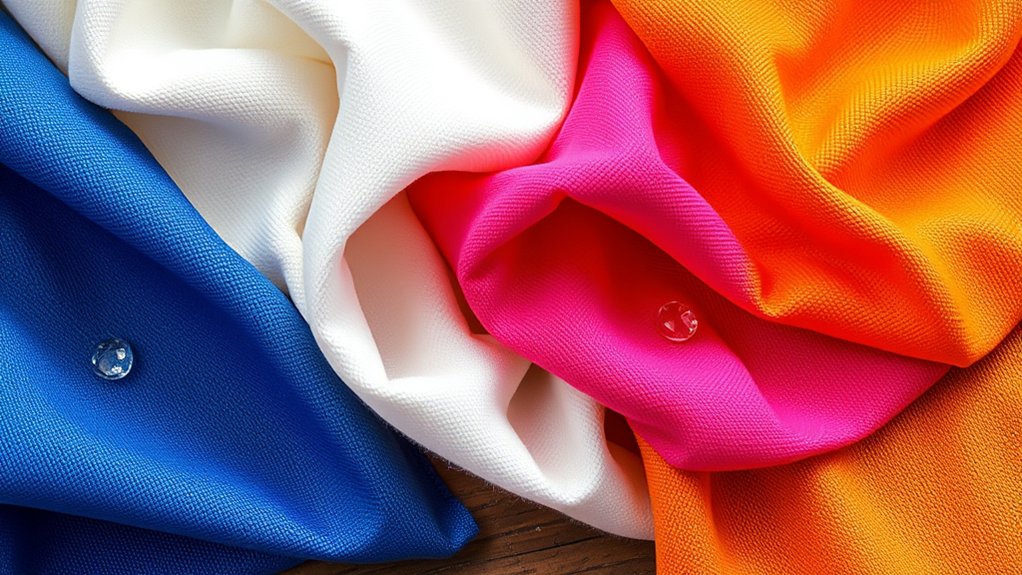
Although bleach is a powerful cleaner, it can damage some fabrics more than others. When you use bleach, you need to understand how fabric composition and dyeing techniques affect its resistance. Some fabrics handle bleach better because their fibers are naturally stronger or less absorbent.
Colorfastness issues come into play too. If a fabric’s dye isn’t stable, bleach will cause fading or discoloration. Fabric dyeing techniques also matter. Fabrics dyed with reactive or vat dyes tend to resist bleach damage, while those with direct or basic dyes are more vulnerable.
When you pick fabrics with high colorfastness and strong fibers, you reduce the risk of bleach damage. So before bleaching, consider how the fabric was dyed and its inherent resistance. This way, you avoid ruining your clothes and keep them looking fresh longer.
Understanding these factors helps you use bleach safely and effectively on the right fabrics.
Bleach-Resistant Natural Fabrics: Cotton and More
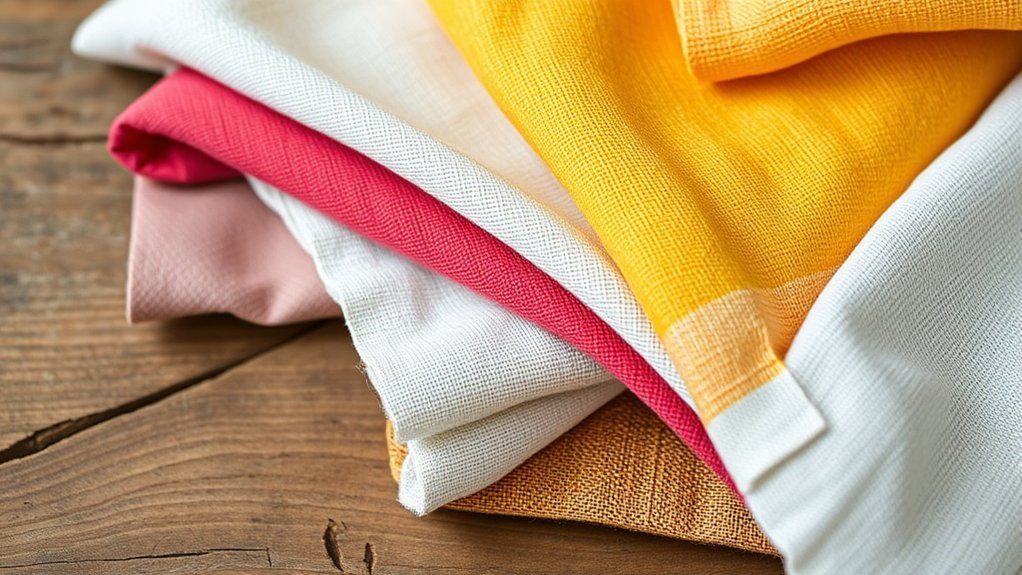
When you choose natural fabrics like cotton, you benefit from their inherent durability and better bleach resistance compared to many synthetic options. Cotton’s tighter fabric weave helps limit dye penetration, making it less likely for bleach to cause severe discoloration.
Natural fabrics like cotton offer superior durability and resist bleach discoloration thanks to their tight weave.
Here are some natural fabrics that handle bleach better than you might expect:
- Cotton – Its dense weave offers good protection against bleach damage, especially when dyed with colorfast methods.
- Linen – Made from flax fibers, it resists bleach well due to its sturdy weave and natural fiber strength.
- Hemp – Similar to linen, hemp’s coarse weave and minimal dye penetration contribute to its bleach resistance.
- Ramie – This lesser-known fabric has a strong weave and resists bleach fading better than other natural fibers.
While no natural fabric is completely bleach-proof, understanding how fabric weave and dye penetration affect bleach resistance helps you pick the right materials for long-lasting wear.
Polyester: A Synthetic Fabric That Stays Bright With Bleach

If you want a fabric that holds its color even after bleach exposure, polyester is a smart choice. This synthetic fabric boasts excellent color retention, meaning it resists fading and keeps its vibrant look despite regular bleach use.
When you’re dealing with tough stains or sanitizing laundry, polyester won’t lose its brightness like some natural fibers do. Beyond color retention, polyester offers impressive fabric durability. It withstands repeated washing, stretching, and exposure to harsh chemicals without breaking down or weakening.
This makes it perfect for activewear, uniforms, or any garments you want to last while staying fresh and clean. You’ll also appreciate that polyester dries quickly and resists wrinkles, adding to its practicality.
Why Nylon Is a Reliable Bleach-Resistant Fabric
Polyester isn’t the only fabric that handles bleach well; nylon also stands out for its resistance. When you choose nylon, you’re opting for a fabric that maintains excellent color fastness even after exposure to bleach. Here’s why nylon is reliable for bleach resistance:
- Nylon fibers have a strong molecular structure that resists breaking down when exposed to harsh chemicals like bleach.
- It offers impressive stain resistance, so spills and discolorations don’t easily set in.
- Nylon retains its vibrant color longer than many other fabrics, reducing the chance of bleach-related fading.
- Its durability allows you to clean and disinfect items frequently without worrying about fabric damage.
How to Choose and Care for Bleach-Resistant Fabrics
Although bleach-resistant fabrics offer durability, you’ll still want to choose and care for them properly to maximize their lifespan. When selecting these fabrics, focus on options with excellent color fastness to ensure they maintain their vibrant hues even after repeated bleach exposure. Look for materials specifically labeled as bleach-resistant, as they often boast superior fabric durability compared to standard textiles.
To care for your bleach-resistant garments, always follow the manufacturer’s washing instructions carefully. Use diluted bleach solutions when necessary, and avoid prolonged soaking to prevent any weakening of fibers. Rinse thoroughly to remove all bleach residues, which can degrade fabric durability over time. Furthermore, avoid mixing bleach-resistant fabrics with non-resistant ones to protect color fastness across your laundry. By choosing the right fabric and maintaining proper care routines, you’ll extend the life and appearance of your bleach-resistant clothing efficiently.
Frequently Asked Questions
Can Bleach-Resistant Fabrics Be Dyed After Bleaching?
Yes, you can dye bleach-resistant fabrics after bleaching, but keep in mind that color retention might vary depending on the fabric type. Since these fabrics are designed for fabric durability, they often handle the dyeing process well.
However, bleaching can alter the fabric’s fibers slightly, so the final color might be uneven. To get the best results, test a small area first and use dyes suited for synthetic or treated fabrics.
Are Bleach-Resistant Fabrics Safe for Baby Clothing?
You want your baby’s clothes to be as safe as a warm hug, and bleach-resistant fabrics can help with that. They offer excellent baby safety because their fabric durability means they withstand frequent washing without breaking down, keeping harmful chemicals away from your little one’s skin.
Just be sure to choose fabrics labeled non-toxic and gentle. That way, you protect your baby while enjoying long-lasting, sturdy clothing.
How Does Bleach Resistance Affect Fabric Breathability?
Bleach resistance can slightly reduce fabric breathability because treatments that improve fabric durability and color retention often create a protective layer on the fibers. This layer helps the fabric withstand harsh chemicals and maintain vibrant colors, but it might also limit airflow.
However, many modern bleach-resistant fabrics balance these properties well. So, you’ll still get decent breathability without sacrificing durability or color retention. It’s all about finding the right fabric for your needs.
Do Bleach-Resistant Fabrics Hold up Well in Hot Water?
You might be surprised, but yes, bleach-resistant fabrics usually hold up well in hot water. Their fabric durability is designed to withstand harsh conditions, so you don’t have to worry about weakening fibers.
Plus, these fabrics excel at color retention, meaning your clothes stay vibrant even after multiple washes. Just be sure to check care labels, as some blends might have specific temperature limits to keep your garments looking their best.
Can Bleach-Resistant Fabrics Be Recycled or Repurposed?
Yes, you can recycle or repurpose bleach-resistant fabrics, but it depends on the material and manufacturing processes used. These fabrics often have chemical treatments that might affect their environmental impact during recycling.
You should check with local recycling programs or textile recyclers to see if they accept these fabrics. Repurposing them into cleaning cloths or craft projects is a greener way to extend their life and reduce waste.
Conclusion
When you pick bleach-resistant fabrics like cotton, polyester, or nylon, you’re choosing armor for your wardrobe. These materials stand strong, like a lighthouse in a storm, protecting your clothes from fading and damage.
By knowing how to care for them, you keep their bright spirit alive, ensuring your favorite pieces stay vibrant through every wash. So, wear your bleach-resistant fabrics with confidence. They symbolize durability and lasting beauty in your daily life.