10 Fabrics That Shrink in Hot Water
If you’ve ever pulled your favorite shirt out of the wash only to find it’s suddenly too small, you’re not alone. Many people struggle with clothes shrinking after washing, especially when using hot water. It’s frustrating to lose a perfectly good outfit just because of a washing mishap. That’s why understanding which fabrics shrink in hot water can save you time, money, and wardrobe headaches.
You should avoid washing certain fabrics in hot water because it causes shrinkage by relaxing and contracting fibers. Cotton, wool, linen, silk, rayon, acrylic, polyester blends, and denim all shrink when exposed to heat, losing shape and color vibrancy.
Hot water breaks fiber bonds, weakens dyes, and tightens fabric structure, especially in natural fibers. If you want to keep your clothes fitting well and looking fresh, knowing how each fabric reacts to heat can help you care for them properly.
Key Takeaways
- Cotton, wool, linen, silk, and rayon fibers commonly shrink because heat relaxes and contracts their fiber structures in hot water.
- Blended fabrics with natural fibers like cotton-polyester blends shrink more than pure synthetic fabrics when exposed to hot water.
- Hot water weakens fiber bonds and dyes, causing shrinkage, color fading, and fabric distortion across many natural and blended textiles.
- Denim cotton fibers contract and lose shape with hot water, leading to shrinkage and rapid dye fading.
- To prevent shrinkage, always follow care labels. Use cold water, gentle detergents, and air-dry or low-heat drying methods.
Why Hot Water Causes Clothes to Shrink
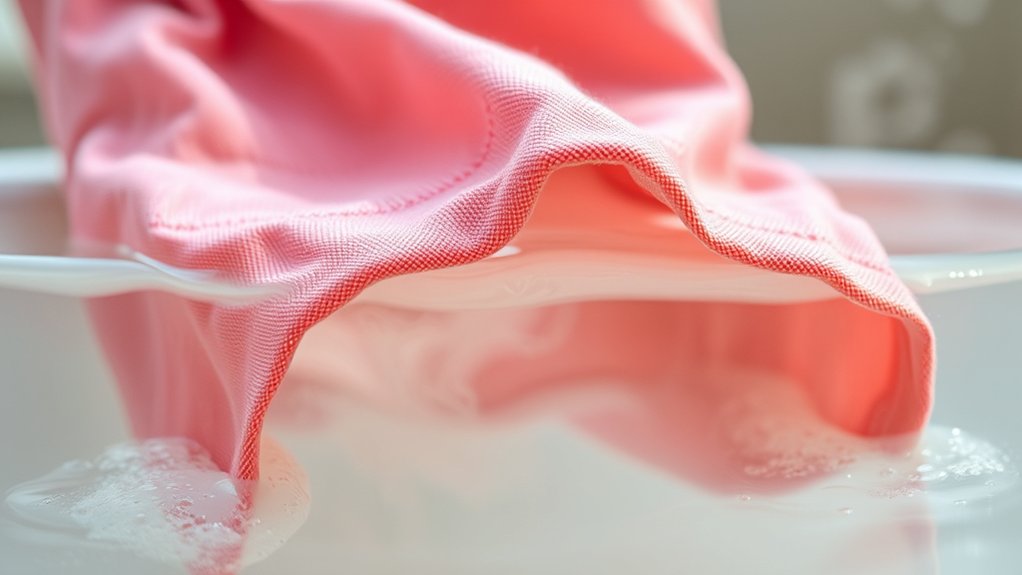
Although you might expect hot water to simply clean your clothes, it actually causes many fabrics to shrink. When you wash clothes in hot water, the heat relaxes the fibers, which then contract as they cool down. This contraction leads to shrinking.
Fabric dyes also play a role; some dyes weaken the fibers when exposed to high temperatures, making shrinkage more noticeable. Moreover, washing detergents formulated for cold or warm water might not protect fibers as well in hot water, which can further contribute to shrinkage.
You should keep in mind that the combination of heat, detergents, and fabric dyes can alter the structural integrity of your clothes. So, if you want to avoid shrinking, it’s best to use water temperatures recommended for each fabric and opt for detergents designed to protect fibers at those temperatures. This careful approach preserves your clothes’ size and color longer.
Cotton: Why Hot Water Shrinks Your Favorite Tees
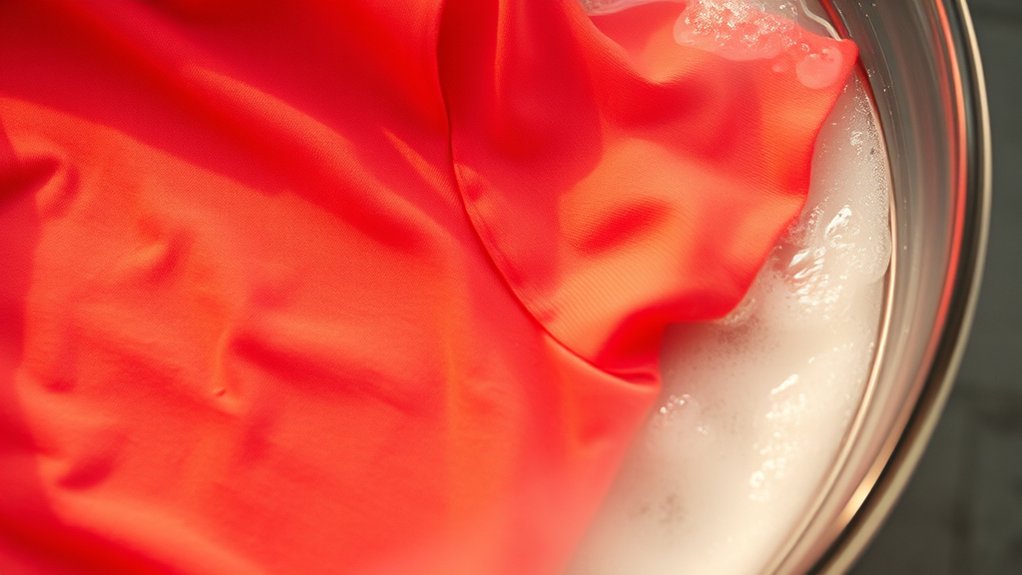
You might not realize it, but cotton fibers are made of tiny, twisted strands that react strongly to heat. So, when you wash your favorite tees in hot water, the fibers actually loosen up first. Then, as they dry, they tighten back down, which causes your shirts to shrink. Knowing how heat affects cotton can really help you keep your clothes fitting just right.
Cotton Fiber Structure
Because cotton fibers have a natural twist and a porous structure, they react strongly to heat and moisture. When you look closely, cotton’s unique fiber structure influences how the fabric behaves during textile dyeing and fabric weaving. Here’s what you should know:
- The fibers’ twist creates gaps that absorb water easily, affecting shrinkage.
- Porosity allows moisture and dye to penetrate, making textile dyeing effective.
- During fabric weaving, fibers align but don’t fully straighten, leaving room for movement.
- This structure means cotton fabrics can contract when exposed to hot water, as fibers tighten.
Understanding cotton fiber structure helps you appreciate why your favorite tees shrink after washing and how textile processes impact final fabric quality.
Heat Impact Mechanism
When hot water hits cotton fibers, their natural twists tighten and pull the fabric inward, causing your favorite tees to shrink. During textile manufacturing, cotton undergoes processes that set its twisted structure, but these twists remain sensitive to heat.
Hot water disrupts the hydrogen bonds within the fibers, making them contract. Moreover, fabric dyeing often involves heat, which can further affect fiber tension.
When you wash cotton tees in hot water, the fibers react by shrinking as they try to return to their original, tighter state. Understanding this heat impact mechanism helps you realize why cold water washes better preserve your tees’ size and shape.
Wool: How Heat Changes Its Fibers and Size
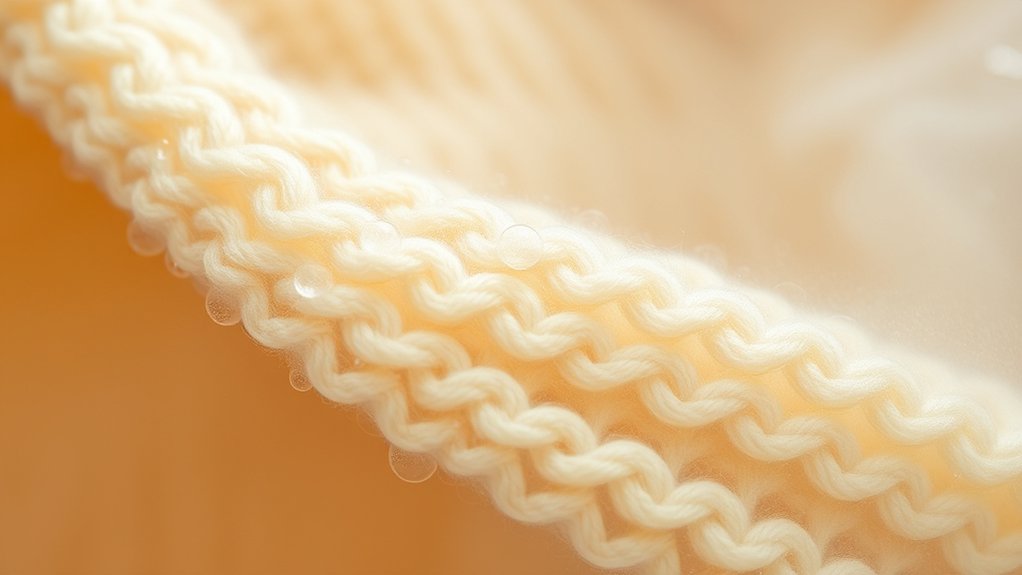
Although wool is prized for its warmth and softness, exposing it to hot water causes its fibers to contract and tighten, leading to noticeable shrinkage. This happens because wool properties include a unique fiber elasticity that reacts strongly to heat and moisture. When you wash wool in hot water, the scales on the fibers open and interlock, causing the fabric to become denser and smaller.
Wool’s fibers contract and interlock when exposed to hot water, causing the fabric to shrink and tighten.
Here’s what you should know about how heat changes wool fibers and size:
- Wool fibers swell when wet but shrink as heat causes them to contract.
- The fiber elasticity allows wool to stretch, but hot water reduces this flexibility.
- The scaly surface of wool fibers locks together under heat, tightening the fabric.
- Repeated exposure to hot water amplifies shrinkage and alters wool’s texture.
Understanding these effects helps you care for wool and avoid unwanted shrinkage.
Linen: What Hot Water Does to This Natural Fabric
If you expose linen to hot water, you’ll notice it behaves quite differently from wool. Linen is a strong, natural fiber made from flax, and while it can shrink when washed in hot water, the shrinkage is generally less dramatic. However, frequent exposure to high temperatures can weaken the fibers over time, affecting fabric durability. You’ll want to approach linen care with care. Opt for cooler water settings when washing to maintain its size and strength.
Hot water can cause linen fibers to contract, resulting in some shrinkage, but it doesn’t felt or distort as wool does. To preserve linen’s natural crispness and extend its lifespan, avoid repeated hot water washes. Instead, hand wash or use a gentle cycle with cold water, and always air dry to prevent unnecessary stress on the fabric. By following these linen care tips, you’ll keep your garments looking great while protecting fabric durability.
Silk: Why Heat Makes Delicate Silk Shrink
You might not realize it, but silk’s delicate fibers are especially sensitive to heat. When you expose silk to hot water, the protein structure tightens up, which causes the fabric to shrink. So, if you want to keep your silk looking its best, it’s important to know how to prevent this heat-induced shrinkage.
Silk Fiber Structure
Why does delicate silk shrink when exposed to hot water? It all comes down to the unique silk fiber structure and fabric elasticity. When you look closely, silk fibers are made of protein chains arranged in a crystalline pattern, giving the fabric its smooth texture and strength. However, this structure also affects how the fabric reacts to heat and moisture.
Here’s what you need to know about silk fiber structure:
- Silk fibers have tightly packed protein chains.
- These chains create natural fabric elasticity.
- Heat causes the fibers to relax and contract.
- Moisture allows fibers to swell, altering elasticity.
Understanding this helps you see why silk reacts so sensitively to hot water, leading to shrinkage.
Heat Impact Mechanism
Although silk’s delicate structure gives it a luxurious feel, it also makes the fabric highly sensitive to heat. When exposed to hot water, silk fibers contract, causing shrinkage. Heat disrupts the natural protein structure, and combined with moisture, this leads to fiber tightening.
Furthermore, the fabric dyeing process can be affected. High temperatures can cause color fading, which alters silk’s vibrant appearance.
Here’s a quick summary of heat’s impact on silk:
| Effect | Explanation |
|---|---|
| Fiber contraction | Heat causes protein fibers to tighten |
| Color fading | Hot water can dull fabric dyeing |
| Structural damage | Heat weakens silk’s delicate bonds |
Understanding this mechanism helps you appreciate why silk needs careful handling in hot water.
Preventing Silk Shrinkage
Since silk fibers contract when exposed to heat, preventing shrinkage requires careful temperature control during washing and drying. To protect your silk color and maintain fabric softness, you need to follow precise steps.
Here’s how you can do it:
- Use cold water for washing to avoid heat-induced fiber contraction.
- Choose a gentle detergent designed for delicate fabrics to preserve silk color.
- Avoid wringing; instead, gently press out water to protect fabric softness.
- Air dry silk in the shade, keeping it away from direct sunlight and heat sources.
Rayon: How Hot Water Affects This Semi-Synthetic Fabric
When you wash rayon in hot water, the fabric often shrinks because its semi-synthetic fibers are sensitive to heat and moisture. Rayon is made from regenerated cellulose fibers, which can swell and contract when exposed to hot water. This reaction causes the fabric to lose its original shape and size.
Rayon fibers are heat-sensitive and can shrink or lose shape when washed in hot water.
Furthermore, many rayon garments use eco friendly dyes applied through specific fabric dyeing techniques that require careful temperature control. Hot water can disrupt these dyes, leading to color fading or bleeding.
To keep your rayon clothes looking great, wash them in cold water and use gentle detergents formulated for delicate fabrics. Avoid twisting or wringing the fabric to minimize stress on the fibers.
When drying, air dry flat or hang to prevent unwanted shrinking and maintain the integrity of the eco friendly dyes. By understanding how rayon reacts to heat and water, you can extend the life of your garments while supporting sustainable fabric care.
Polyester Blends: When Hot Water Causes Shrinkage
When you wash polyester blends in hot water, the different fibers can react in various ways. Sometimes, this leads to shrinkage. So, the temperature you pick really matters when it comes to how much your clothes might shrink. To keep your polyester blends looking great, it’s a good idea to stick with cooler water and always follow the care labels closely.
Composition Impact on Shrinkage
Although polyester is known for its resistance to shrinking, blends that combine polyester with natural fibers can behave differently in hot water. You need to understand how the fabric’s composition impacts shrinkage to care for such garments properly. Factors like fabric dyes and stitching techniques also play a role in how the fabric reacts.
Here’s what you should keep in mind:
- Higher natural fiber content increases the chance of shrinkage.
- Fabric dyes can affect fiber stability, sometimes causing uneven shrinking.
- Stitching techniques influence how the fabric stretches or contracts during washing.
- Blends with cotton or wool tend to shrink more than those mixed with synthetic fibers.
Knowing these helps you prevent unwanted shrinkage in your polyester blends.
Washing Temperature Effects
If you expose polyester blends to hot water, you may notice unexpected shrinkage despite polyester’s usual resilience. Hot water can relax synthetic fibers, causing them to contract when cooled.
Furthermore, high temperatures may accelerate color fading, especially if combined with harsh detergent effects. Detergents with strong enzymes or bleach can weaken fibers, making shrinkage more likely.
| Factor | Effect on Polyester Blends |
|---|---|
| Hot Water | Fiber contraction and shrinkage |
| Detergent Effects | Fiber weakening, potential fading |
| Color Fading | Accelerated by heat and detergents |
| Fabric Composition | More cotton = higher shrink risk |
| Washing Cycle | Long cycles increase exposure |
Understanding these effects helps you anticipate changes when washing polyester blends in hot water.
Preventing Polyester Blend Shrinkage
Hot water can cause polyester blends to shrink by relaxing and contracting the fibers as they cool. To prevent this, you need to handle these fabrics carefully, especially if you want to support eco friendly fabrics and sustainable textile options. Here’s what you can do:
- Use cold or lukewarm water for washing to avoid fiber contraction.
- Choose gentle wash cycles to reduce agitation that can distort fabric shape.
- Air-dry your polyester blend clothes instead of using high heat in dryers.
- Look for brands that prioritize sustainable textile options, ensuring better fabric resilience.
Acrylic: Shrinking Risks in Hot Water Washes
When you wash acrylic fabrics in hot water, they can shrink unexpectedly because the heat causes the synthetic fibers to contract. Acrylic fibers are sensitive to high temperatures, so you need to be careful to keep shrinkage under control. Using hot water can lead to fabric distortion, making your favorite sweaters and garments smaller and misshapen.
To avoid this, always choose cold or lukewarm water and gentle cycles. Acrylic is durable but not immune to heat damage, so follow care labels closely. Here’s a quick overview of acrylic shrinkage risks:
| Factor | Effect on Acrylic Fabric |
|---|---|
| Hot Water | Fibers contract, causing shrinkage |
| Cold Water | Maintains size and shape |
| High Heat Drying | Further shrinkage and damage |
| Low Heat Drying | Helps preserve fabric integrity |
Denim: Why Hot Water Can Ruin Your Jeans
Although denim is known for its durability, exposing your jeans to hot water can cause significant damage that you might not expect. Hot water affects both the fabric and the dyeing process, which can quickly ruin your favorite pair. Here’s why you should be cautious:
- Shrinkage: The cotton fibers contract in hot water, making your jeans tighter and shorter.
- Fading Colors: Fabric dyeing techniques used for denim aren’t designed to withstand high temperatures, leading to rapid color loss.
- Distorted Fit: Shrinking can alter the shape, ruining the tailored fit that fashion trends now favor.
- Weakened Fibers: Hot water breaks down the cotton’s strength, reducing the jeans’ lifespan.
If you want to keep your jeans looking fresh and fitting well, you need to avoid hot water. Denim’s combination of cotton fibers and deep fabric dyeing requires gentle care to maintain its style and durability.
How to Prevent Clothes From Shrinking in Hot Water
Since fabrics respond differently to heat, you’ll need to take specific steps to prevent your clothes from shrinking in hot water. First, always check care labels for washing instructions to avoid using excessively hot water.
Different fabrics react uniquely to heat, so always check care labels to avoid shrinking clothes in hot water.
When you do wash, opt for eco friendly detergents. They’re gentler on fabrics and help maintain the fibers’ integrity. Avoid harsh chemicals that can weaken fibers and increase shrinkage risk.
Next, consider adding fabric softening agents during the rinse cycle. They relax fibers, making them less prone to tightening when exposed to heat. Also, try to avoid high heat in your dryer; instead, air-dry clothes or use a low-heat setting.
If you must use hot water, wash delicate or shrink-prone items separately and limit wash cycles. By being mindful of these steps, you’ll keep your clothes looking great and fit just right, even when using hot water occasionally.
Frequently Asked Questions
Can Shrinking Fabrics Be Stretched Back to Original Size?
You can sometimes stretch shrinking fabrics back to their original size, but it depends on fabric elasticity. Natural fibers like cotton lose some elasticity when shrunk, making full recovery tricky. Synthetic fabrics often bounce back better.
Don’t fall for shrinking myths that claim all fabrics can return easily. Many won’t regain their exact shape. To improve your chances, gently stretch damp fabric and let it air dry, but results vary.
Does Fabric Shrinkage Affect Color or Texture?
Yes, fabric shrinkage can affect both color retention and fabric feel. When your fabric shrinks, the fibers tighten, which might make colors look darker or uneven.
You’ll also notice changes in fabric feel. It can become stiffer or rougher. To keep your clothes looking and feeling their best, wash them in cooler water and avoid high heat when drying.
This helps preserve color and maintain the original texture.
Are There Specific Detergents That Prevent Shrinking?
Yes, there are detergents that help prevent shrinking, but it’s not as simple as picking any bottle off the shelf. Detergent formulations designed for delicate fabrics often contain enzymes and gentle cleaning agents that protect fibers.
Pairing these with a fabric softener can further reduce friction during washing, minimizing shrinkage. So, if you want to keep your clothes fitting perfectly, look for those specialized detergents and never underestimate the power of a good fabric softener.
How Does Water Temperature Impact Drying and Shrinkage?
Water temperature greatly impacts drying and shrinkage because heat exposure causes fibers to contract, leading to shrinkage. When you use hot water, it relaxes and agitates the fabric fibers more aggressively, increasing water agitation that can distort the fabric’s shape.
To minimize shrinkage, you should use cooler water and gentler agitation during washing and drying. This helps prevent excessive heat and mechanical stress from damaging your clothes.
Is Professional Cleaning Better for Shrinking-Prone Fabrics?
Yes, professional cleaning can reduce shrinkage by up to 30%, thanks to controlled fabric care techniques. When you choose professional cleaning, experts use precise water temperatures and detergents designed for shrink prevention.
This means your shrinking-prone fabrics get treated gently, preserving their size and shape. So, if you want to keep your clothes looking great longer, investing in professional fabric care is a smart move that helps avoid unpleasant surprises caused by home washing.
Conclusion
If you’re not careful, hot water can turn your favorite clothes into shrunk treasures you barely recognize. But don’t let heat steal your wardrobe’s charm. Treat your fabrics gently and wash with cool water to keep their size and shape intact.
Think of your clothes as delicate dancers. Give them the right stage, and they’ll move gracefully without losing their form. With a little care, shrinking won’t stand a chance, especially for fabrics that shrink in hot water.