What Is Flannel?
If you’ve ever struggled to find fabric that’s warm, cozy, and still durable enough for everyday wear or home use, you’re not alone. Many people search for that perfect material to keep comfortable without sacrificing style or quality.
That’s where flannel comes in—offering a soft touch and timeless appeal that fits a variety of needs.
Flannel is a soft, brushed fabric that you use for clothing and home goods because it feels warm, cozy, and durable. You’ll find it made from cotton, wool, or synthetic blends, and its signature texture comes from a brushing process that raises the fibers.
Flannel can be lightweight or heavy, and it may come in solids, checks, or plaid patterns. If you keep going, you’ll see how to choose and care for it well.
Key Takeaways
- Flannel is a soft, warm fabric typically made from cotton, wool, or synthetic blends. Its cozy feel comes from brushing the fibers to create a fuzzy nap that traps heat.
- Flannel is used for shirts, pajamas, sheets, blankets, and other cold-weather items. It can come in solid colors, checks, or plaid patterns; plaid is a design, not a fabric.
- To keep flannel soft and durable, wash it gently in cold water and dry on low heat.
What Is Flannel Fabric?

Flannel fabric is a soft, cozy textile known for its warmth and comfort. You’ll often find it made from cotton, wool, or blends, and you can spot it by its brushed appearance and casual feel.
Soft, cozy flannel offers warmth and comfort, with a brushed finish that feels casual and inviting.
When you wear flannel, you get a fabric that works well for shirts, pajamas, sheets, and blankets because it balances comfort with practicality. Its flannel origins trace back to Wales, where workers valued durable cloth that could handle cold weather.
Over time, flannel history expanded through Europe and North America, where the fabric became popular for everyday clothing and workwear. Today, you see flannel used in both classic and modern styles, but it still keeps its familiar, relaxed character.
If you’re choosing fabric for cooler days, flannel gives you dependable warmth without feeling heavy or stiff.
How Flannel Gets Its Soft Texture

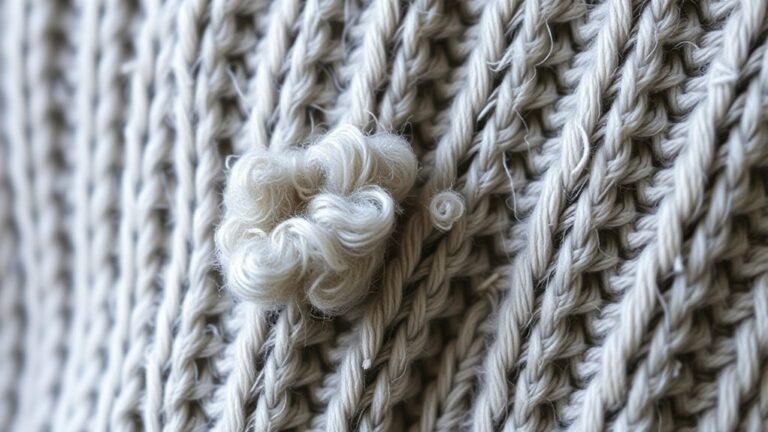
What gives flannel its signature softness is a finishing process called brushing. Fine metal brushes raise the fabric’s fibers from the surface. You feel that change as a gentle nap, which traps air and creates a warmer, cozier hand.
Makers may repeat this soft fiber treatment on one or both sides, depending on the look and feel they want. These fabric finishing techniques don’t change the cloth’s basic structure; they simply lift and smooth the surface you touch.
| Step | Effect |
|---|---|
| Weave | Builds a stable base |
| Wash | Cleans and relaxes fibers |
| Brush | Lifts tiny threads outward |
| Shear | Evens the surface |
| Finish | Adds the final plush touch |
When you run your fingers across flannel, you notice less slickness and more loft. That’s the brushed texture working for you, giving the fabric its familiar softness.
Cotton, Wool, and Synthetic Flannel

Not all flannel starts with the same fiber, and that’s part of why it can feel so different from one piece to the next. When you compare cotton flannel, wool flannel, and synthetic flannel, you’ll notice each one changes the fabric’s feel, care, and drape.
Cotton flannel usually feels familiar and easy to wear. Wool flannel brings a more structured, classic character. Synthetic flannel can mimic softness while adding easy-care convenience.
Cotton flannel feels easy and familiar, wool brings structure, and synthetics add softness with simple care.
- Cotton flannel often feels breathable and soft.
- Wool flannel can feel more substantial and refined.
- Synthetic flannel may resist wrinkles better.
- Each option changes key flannel properties.
- Your fabric comparison depends on comfort and use.
If you want a dependable everyday choice, cotton often fits best. If you prefer a sharper look, wool may suit you. If low-maintenance matters most, synthetic can be practical.
Choose the fiber that matches your priorities, and you’ll get the flannel experience you want.
Flannel Weave, Weight, and Warmth
Because flannel’s weave, weight, and warmth work together, the fabric can feel light and breathable or dense and cozy depending on how it’s made. You’ll notice that a brushed finish traps tiny air pockets, which boosts insulation without adding bulk.
Heavier yardage usually means more warmth, while lighter cloth suits layering and milder days. From its flannel origins as a practical woolen cloth, the fabric evolved to balance comfort and performance.
You can also judge flannel durability by how tightly it’s woven and how well it resists pilling after repeated wear.
| Feature | Effect |
|---|---|
| Loose weave | Airy feel |
| Tight weave | More structure |
| Heavier weight | Greater warmth |
| Brushed surface | Softer touch |
When you choose flannel, weigh the climate, your activity, and how much softness you want. That way, you get the right mix of warmth, breathability, and lasting wear.
Flannel vs. Plaid: What’s the Difference?
You might think flannel and plaid mean the same thing, but actually, they don’t. Flannel is a type of fabric, while plaid is a pattern. Flannel has this soft, brushed weave that gives it warmth and texture.
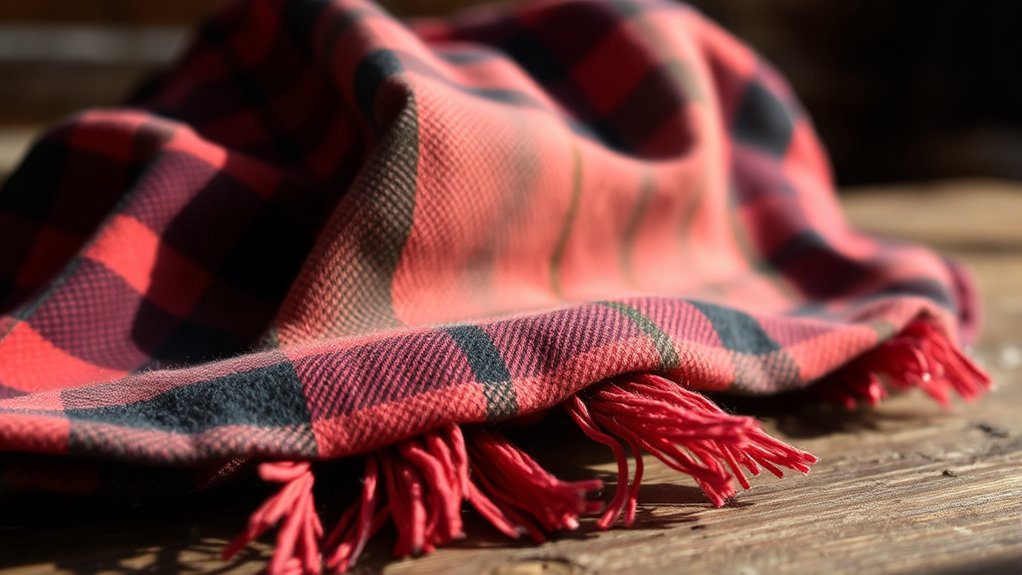
And here’s the thing—you can find flannel in solids, checks, or plaid prints. It’s pretty common to see plaid flannel used in shirts, blankets, and pajamas because it combines comfort with that classic style we all love.
Pattern Versus Fabric
Flannel and plaid often get mixed up, but they’re not the same thing: flannel is a fabric, while plaid is a pattern. When you shop, focus on the fabric qualities first, then the design. Pattern types tell you how a garment looks, not what it’s made from.
- Flannel describes the material
- Plaid describes the printed or woven design
- You can find plaid on flannel, cotton, or wool
- You can also find solid flannel without plaid
- Your choice depends on feel and style
If you want warmth, softness, and a casual look, choose flannel. If you want visual interest, choose plaid. Knowing the difference helps you read labels, compare options, and pick clothes that match your needs.
Weave Characteristics
At the weave level, flannel stands apart from plaid: flannel is usually made with a plain or twill weave and then brushed to raise the fibers, which gives it that soft, fuzzy feel. You’ll notice that the fabric’s structure, not the pattern, creates its warmth and handfeel.
Different weave types change how tightly the yarns sit together, so you can get lighter or denser versions. After finishing, brushing lifts short fibers and creates subtle texture variations that make the surface feel cozy and slightly napped.
Plaid, by contrast, only describes a pattern of intersecting lines, so it can appear on many fabrics, including smooth ones. When you choose flannel, you’re choosing a woven material with a specific construction, not just a visual design.
Common Style Uses
In everyday style, flannel usually shows up as shirts, overshirts, pajamas, and blankets because its brushed surface feels warm and comfortable. Plaid can appear on all kinds of garments and accessories simply as a pattern. You’ll use flannel for comfort, and plaid for visual variety in casual outfits.
Try layering techniques with a flannel overshirt. Choose sleepwear styles made from soft flannel. Follow seasonal trends with autumn and winter looks. Add home decor touches like throws and pillow covers. Mix fabric pairings for outdoor wear and cozy accessories.
When you want warmth, reach for flannel. When you want pattern, pick plaid. You can combine both for relaxed style without overthinking it.
Common Ways People Use Flannel
You’ll usually find flannel in everyday clothing, especially shirts, pajamas, and robes because it’s soft, warm, and comfortable. You can wear it as stylish shirts for casual days, or choose cozy pajamas and other sleepwear options when you want comfort at night.
Many people also reach for flannel as layering pieces in cool weather, since it adds warmth without feeling stiff. You’ll see it in outdoor wear for crisp mornings, and in home decor too, where it brings a lived-in feel.
| Use | Why you like it | Example |
|---|---|---|
| Clothing | Soft comfort | Shirts |
| Sleep | Warm ease | Pajamas |
| Home | Cozy atmosphere | Blankets |
Flannel also follows seasonal trends, so you may notice it returning every fall. When you want warmth that feels familiar, flannel gives you practical comfort with a relaxed look.
How to Choose the Right Flannel
Choosing the right flannel starts with how you plan to use it, since the best option depends on warmth, weight, and feel. If you need a shirt for layering, choose a lighter weave. For cold weather, pick a thicker fabric that traps heat. You should also check the fit, because flannel works best when it lets you move comfortably.
Look at fiber content for softness and durability. Compare flannel styles to match your wardrobe. Test the weight if you want year-round wear. Choose colors and patterns that suit your taste. Consider the flannel benefits you want most: warmth, breathability, or comfort.
When you shop, run your hand over the fabric and notice how it feels against your skin. A good flannel should balance coziness with versatility, so you get a piece you’ll actually wear often.
Caring for Flannel the Right Way
To keep flannel soft and long-lasting, wash it in cold water with a gentle detergent and avoid high heat in the dryer. Good flannel care starts with simple washing techniques that protect the fibers and reduce fading.
Turn shirts, sheets, or blankets inside out before washing, and skip bleach unless the care label allows it. If you need to remove stains, treat them gently before the cycle starts.
For drying methods, use low heat or air-dry whenever you can, since too much heat can cause shrinkage and wear. Remove the fabric while it’s slightly damp to help it finish drying without stiffness.
When you’re done, fold flannel neatly and follow smart storage tips: keep it in a cool, dry place away from direct sunlight. These habits help your flannel stay comfortable, neat, and ready to wear or use again.
What Makes Flannel Feel Cozy
You can feel flannel’s coziness right away because its soft brushed fibers create a gentle touch against your skin. Plus, its lofty weave adds a plush texture that traps tiny pockets of air. And that trapped air helps hold warmth close, so you stay comfortable longer.
Soft Brushed Fibers
Flannel gets its signature cozy feel from brushed fibers that lift and soften the fabric’s surface. You notice the difference right away: the texture feels gentler against your skin, and the finish reduces that crisp, stiff sensation you might expect from other cotton fabrics.
Soft brushed fibers also help you enjoy practical fabric benefits, like a warmer touch and a more inviting drape. When you wear or use flannel, you get comfort without sacrificing everyday usability.
- You feel a smoother surface.
- You get less scratchiness.
- You enjoy a warmer handfeel.
- You notice softer contact on skin.
- You choose comfort for daily wear.
That brushed finish gives flannel its signature appeal, making it a go-to choice when you want softness that feels instantly familiar and easy to live with.
Lofty Weave Structure
Along with its brushed surface, flannel’s lofty weave traps tiny pockets of air that make the fabric feel warmer and more insulating. You can feel that structure the moment you touch it: the yarns sit a little apart, creating a lofty texture that adds softness without weight.
This open construction helps the cloth drape easily, so you get cozy comfort without stiffness. Because the weave isn’t packed tightly, you also enjoy breathable warmth, which keeps flannel comfortable in changing conditions.
That balance is part of what makes it so appealing for shirts, bedding, and pajamas. When you choose flannel, you’re choosing a fabric that feels plush, airy, and relaxed, with a texture that invites you to settle in and stay comfortable.
Warm Air Retention
Because of its brushed fibers and open loft, flannel holds a thin layer of warm air close to your body. That trapped air boosts insulation properties, so you feel cozy without heavy bulk. When you wear it, your body heat stays near the fabric, and flannel helps with temperature regulation through steady warmth and breathability.
It traps air in tiny pockets. It slows heat loss on chilly days. It feels soft against your skin. It warms quickly after you put it on. And it balances comfort with breathable coverage.
You’ll notice that this simple structure makes flannel ideal for shirts, sheets, and pajamas. It doesn’t rely on thickness alone; it uses air retention to keep you comfortable.
Why Flannel Still Feels Timeless
Even as trends come and go, flannel stays relevant because it balances comfort, durability, and easy style in a way few fabrics can match. You can wear it on a chilly morning, layer it for work, or tie it around your waist, and it still looks natural.
Its timeless appeal comes from that rare mix of practicality and character, while its cultural significance reaches from labor wear to music scenes and weekend wardrobes. You don’t need to overthink it; flannel adapts to your life instead of demanding a specific moment or mood.
The brushed texture feels familiar, the patterns feel grounded, and the fabric never seems forced. That’s why you keep returning to it: flannel delivers warmth, versatility, and personality without chasing attention.
In a fast-changing fashion world, it remains a dependable choice that always feels current.
Frequently Asked Questions
Can Flannel Be Worn Year-Round?
Yes, you can wear flannel year-round if you style it right. In cooler months, you’ll love layering flannel over tees or under jackets.
In warmer weather, choose lightweight fabric and roll up the sleeves. You can also pick brighter flannel patterns for a seasonal feel. Since flannel breathes well and feels versatile, you can make it work from winter to summer without sacrificing comfort or style.
Is Flannel Suitable for Sensitive Skin?
Yes, flannel can suit sensitive skin, especially if you choose soft, brushed flannel fabric. About 50 million Americans deal with some form of skin irritation each year, so texture matters. You should look for high-quality cotton flannel, avoid rough blends, and wash it before wearing.
If you notice itching or redness, switch to a smoother weave or layer it over a cotton base. Your skin comfort should always come first.
Does Flannel Shrink After Washing?
Yes, flannel can shrink after washing, especially if you use hot water or high heat. You’ll get better results when you follow proper flannel care: wash it in cold water and dry it on low.
Different flannel types shrink at different rates, so prewashed fabric usually changes less. If you want to keep the size and softness, you should avoid overdrying and check the label before you wash it.
How Can You Tell High-Quality Flannel?
You can tell high-quality flannel by feeling its weight, softness, and weave. You’ll notice dense fibers, even brushing, and a smooth drape that doesn’t feel flimsy.
Check the label for fiber content and flannel origins, since better materials usually last longer. Compare flannel types, too: cotton and wool options differ in warmth and texture.
If it resists pilling and keeps its shape, you’ve likely found a quality piece.
Is Flannel Environmentally Friendly?
Yes, you can find environmentally friendly flannel if you choose carefully. For example, if you buy a shirt made from organic cotton flannel, you’re supporting sustainable materials and eco friendly practices.
You’ll want to check whether the brand uses low-impact dyes, recycled packaging, and fair labor. Flannel itself isn’t always green, but you can make it more sustainable by picking responsibly made pieces and washing them gently to last longer.
Conclusion
So, when you choose flannel, you’re choosing soft, snug style that stays timeless. You can wrap yourself in its warm weave, enjoy its cozy comfort, and count on its classic charm through chilly days and cool nights.
Whether you wear it, layer it, or lounge in it, flannel gives you that familiar, fireside feeling. It’s simple, sturdy, and always soothing, making every moment feel a little more mellow, a little more magical. That’s the lasting appeal of flannel.