What Is Spandex?
Finding clothes that fit comfortably while allowing you to move freely can be a real challenge. If you’ve ever struggled with outfits that feel too tight or lose their shape, you’re not alone. Many people look for fabrics that combine stretch and durability without sacrificing style or comfort. What Is Spandex?
Spandex is a highly stretchy synthetic fiber that you’ll see in clothes that need a close fit, comfort, and easy movement. You may know it as elastane, while Lycra is a brand name for the same material. It’s made from segmented polyurethane, which lets the fiber stretch and spring back into shape.
You’ll find it blended with polyester, nylon, or cotton in activewear, swimwear, hosiery, and basics.
And there’s more to learn about how it works.
Key Takeaways
- Spandex is a highly elastic synthetic fiber made from segmented polyurethane. It stretches easily and returns to its original shape after being pulled.
- In the U.S., it is called spandex; internationally, it is known as elastane.
- It is commonly blended with fabrics like polyester, nylon, and cotton for added stretch.
- Spandex is widely used in activewear, swimwear, hosiery, and fitted everyday clothing.
What Is Spandex?

Spandex is a highly elastic synthetic fiber known for its exceptional stretch and recovery. You know it as the material that lets clothing move with you while snapping back into shape. It’s made from segmented polyurethane, which gives it that unique flexibility and resilience.
When you wear garments that contain it, you get comfort, close fit, and freedom of motion without losing structure. In spandex history, the fiber emerged in the late 1950s as a solution for replacing rubber in textiles. Since then, spandex innovations have improved durability, softness, and performance in activewear, swimwear, and compression garments.
You’ll often find it blended with other fibers to add stretch without overwhelming the fabric. That makes it valuable in everyday clothes and technical apparel alike. Because it’s lightweight, strong, and adaptable, spandex has become a staple in modern textile design and functional fashion worldwide.
Spandex, Elastane, and Lycra: What’s the Difference?
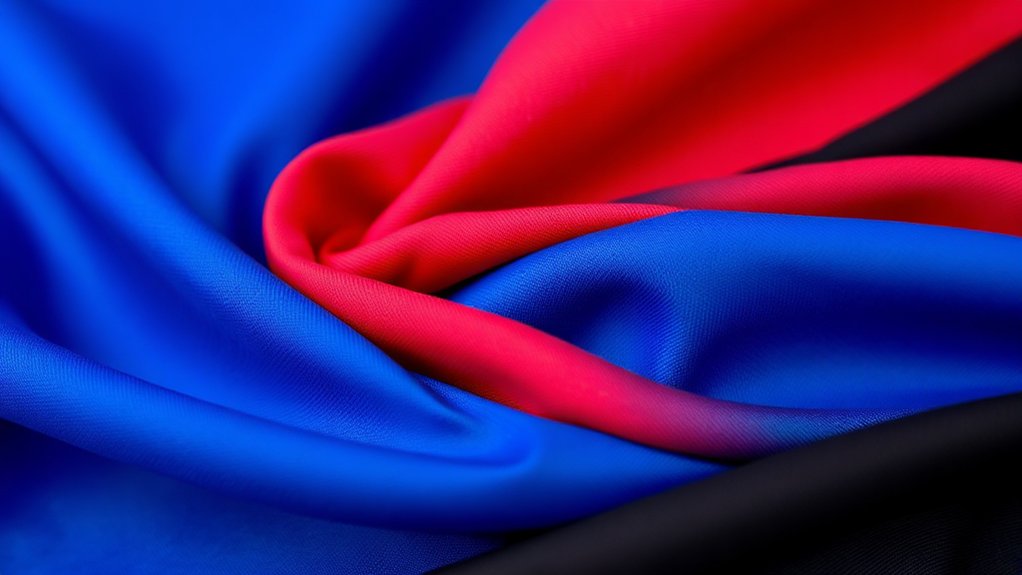
You may see this fiber called spandex, elastane, or Lycra, but the names don’t mean three different materials. “Spandex” is the common term in the United States, while “elastane” is used more often in Europe and many international markets. “Lycra” is a brand name owned by one company.
When you shop, the label choice can feel confusing, yet the stretch and recovery you expect stay the same. That consistency matters because it shapes comfort, fit, and confidence.
| Term | Meaning |
|---|---|
| Spandex | U.S. common name |
| Elastane | International generic name |
| Lycra | Brand name |
Understanding this spandex history helps you read labels without second-guessing quality. It also shows how spandex innovations turned a single fiber into a global staple for activewear, swimwear, and everyday clothes.
How Spandex Is Made

You start with the raw materials that form spandex, usually a mix of chemicals that create its stretchy polymer. Then, manufacturers spin that polymer into fine fibers through a controlled production process. After that, they treat and finish the fibers so you end up with the elastic fabric used in clothing.
Raw Materials
To make spandex, manufacturers start with a few key raw materials, mainly a long-chain polymer called prepolymer and two types of chemical reagents: a diisocyanate and a chain extender. You can think of the prepolymer as the base that gives spandex its stretch potential, while the diisocyanate helps build strong links in the chain.
The chain extender then adjusts flexibility and strength, helping you get the performance needed for tight, resilient fabrics. These ingredients matter because they shape spandex applications in athletic wear, swimwear, undergarments, and other fitted clothing.
In spandex history, chemists developed these materials to create a lighter, more elastic alternative to rubber. By choosing precise raw materials, manufacturers control how the final fiber behaves, feels, and lasts.
Fiber Production
Once the raw materials are prepared, spandex fiber production usually begins with a reaction that turns the prepolymer into a thicker, more workable liquid. You then add a chain extender, which helps build the long, stretchy polymer strands that give the fiber its signature elasticity.
Next, manufacturers spin the liquid through a tiny nozzle, forming filaments as the solvent evaporates or is removed. This step depends on the chosen production processes, which can affect texture, strength, and stretch.
After that, the fibers are heat-set and often finished with protective coatings so they handle better during weaving or knitting. Different fiber types may need slightly different treatments, but the goal stays the same: create durable, flexible yarn that snaps back after stretching and keeps its shape in clothing.
Why Spandex Stretches So Well
Spandex stretches so well because its long-chain polymer molecules can uncoil and realign under tension, then snap back when the force is removed. You get that impressive give from its segmented structure: hard sections hold the shape, while soft sections absorb strain.
When you pull the fiber, the chains straighten instead of breaking, so the material lengthens easily and still recovers.
These stretching mechanisms depend on how the polymer was built, including the ratio of flexible to rigid segments and the way the chains were linked. Those elasticity factors let spandex resist permanent deformation while staying snug against movement.
You can bend, twist, and stretch it repeatedly because the molecular network keeps distributing stress instead of letting one spot fail. That’s why spandex feels both strong and springy, delivering stretch without losing its original form.
Common Spandex Blends and Uses
You’ll often find spandex blended with polyester, nylon, or cotton to improve comfort, durability, and stretch. Polyester-spandex blends are great for activewear because they handle movement and moisture well. Nylon-spandex fabrics add a smooth, supportive feel that’s perfect for things like leggings or swimwear. And when spandex is mixed with cotton, it keeps everyday clothes soft while giving them extra flexibility. So, when you choose clothes with these blends, you’re getting a better fit, easier movement, and a shape that lasts longer.
Polyester Spandex Blends
Polyester-spandex blends pair polyester’s durability and wrinkle resistance with spandex’s stretch, creating fabrics that move comfortably while holding their shape. You’ll find these blends in activewear, leggings, swimwear, dancewear, and fitted tops because they recover well after repeated wear.
Polyester properties, like quick drying and color retention, make the fabric practical for busy routines, while the added spandex improves comfort and freedom of movement. This combination also boosts fabric durability, so you can wash and wear garments often without losing fit as quickly.
When you choose polyester-spandex clothing, you get lightweight support, easy care, and a smooth finish that works for both performance and everyday outfits.
Nylon Spandex Fabrics
Nylon-spandex blends are another popular choice because they combine nylon’s strength, smooth feel, and moisture-wicking performance with spandex’s stretch. You’ll notice nylon durability in leggings, swimwear, and athletic tops that need to keep their shape through repeated wear.
Nylon breathability also helps you stay cooler during workouts.
| Fabric | Best Use | Key Benefit |
|---|---|---|
| Nylon-spandex | Leggings | Flexible fit |
| Nylon-spandex | Swimwear | Quick drying |
| Nylon-spandex | Sportswear | Smooth comfort |
When you choose this blend, you get a sleek finish, reliable recovery, and easy movement. It works well when you want clothes that feel supportive without feeling stiff, making it a go-to option for active, fitted, performance-focused pieces.
Cotton Spandex Uses
Cotton-spandex blends offer a softer, more casual feel than performance-focused fabrics, making them a favorite for everyday basics. You’ll often see cotton spandex blends in T-shirts, leggings, tank tops, dresses, underwear, and loungewear because they give you stretch without losing cotton’s familiar comfort.
In cotton spandex applications, the fabric moves with your body, resists bagging, and keeps a smoother fit through repeated wear. You can wear it for errands, lounging, light workouts, or layering under jackets and sweaters.
If you want clothing that feels breathable, looks clean, and flexes easily, this blend delivers. It’s especially useful when you need comfort for long days and just enough elasticity to improve shape, recovery, and ease of movement without sacrificing softness.
Benefits of Spandex in Clothing
Spandex adds stretch, comfort, and shape retention to clothing, which is why you’ll find it in everything from activewear to jeans. You get a better fit because the fabric moves with your body instead of fighting it. That means you can bend, reach, and walk with less restriction throughout the day.
It also helps garments recover their original form, so your clothes keep looking neat after repeated wear. When you follow fashion trends, spandex lets designers create slim, flexible silhouettes without sacrificing the comfort factor. You can wear fitted pieces that still feel easy to move in, making them useful for work, workouts, or casual outings.
A small amount of spandex can improve how shirts, pants, and dresses drape, giving you a smoother look and more dependable wear. Because it blends well with other fibers, you get practical style without giving up softness or flexibility.
Drawbacks of Spandex Fabric
Despite its many advantages, spandex does have a few drawbacks you should keep in mind. You may love the stretch, but it can also create wearability issues when garments feel too tight or lose their shape during long wear. If you’re sensitive, some blends can trigger allergic reactions, leaving you itchy, red, or uncomfortable.
Spandex also traps heat more than natural fibers, so you might feel hot and restricted in warm weather. Because it’s so elastic, it can highlight body lines you’d rather smooth out, which may make you feel self-conscious.
- You can feel squeezed instead of supported.
- You may notice irritation if your skin reacts.
- You might dislike how quickly it shows fit changes.
These drawbacks don’t make spandex bad, but they do mean you should choose it carefully. The right blend and fit can help you avoid frustration and get a better wearing experience.
How to Care for Spandex Garments
To keep spandex garments looking and fitting their best, you’ll want to wash them gently and avoid high heat. Use cool water, a mild detergent, and your machine’s delicate cycle. Or hand wash them if you prefer extra control. Turn items inside out to reduce abrasion, and skip bleach or fabric softener because they can weaken fibers and leave residue.
Separate spandex from rough fabrics like denim or towels so you don’t snag or stretch it unnecessarily. For drying methods, air drying is your safest choice. Lay garments flat or hang them in a shaded, well-ventilated spot, and keep them away from direct sun and hot dryers.
If you must use a dryer, choose the lowest heat setting and remove items while they’re still slightly damp. These washing techniques help preserve elasticity, shape, and comfort. Store your spandex folded neatly, and avoid wringing, ironing, or twisting it since that can damage the stretch and shorten its life.
Where Spandex Is Used Most
You’ll find spandex most often in apparel and activewear because it adds stretch, comfort, and helps clothes keep their shape. It’s also common in swimwear and hosiery, where it makes garments fit snugly and move with you. Even just a little bit of spandex can make a big difference in how comfortable and flexible your clothes feel.
Apparel And Activewear
In apparel and activewear, spandex shows up everywhere because it gives fabrics stretch, recovery, and a closer fit without adding much weight. You feel freer when your clothes move with you during an active lifestyle, whether you’re lifting, running, or stretching.
Modern fabric technology blends spandex with cotton, polyester, or nylon to improve comfort, shape retention, and durability. That means your gear can hug your body without feeling restrictive, and it bounces back after every workout.
- You gain confidence when your outfit supports every motion.
- You stay comfortable when fabric flexes instead of fighting you.
- You enjoy performance wear that looks sharp and works hard.
That balance makes spandex a favorite in everyday athletic clothing.
Swimwear And Hosiery
Swimwear and hosiery are where spandex really shines, because both need a snug fit, strong stretch, and excellent shape retention. You rely on it when you want a suit that moves with you, resists sagging, and keeps its shape after sun, salt, or chlorine.
In modern swimwear trends, spandex helps designers create sleek cuts, supportive panels, and flattering silhouettes that stay comfortable in the water. You’ll also notice it in hosiery styles, where it adds elasticity, smooths the fit, and improves durability.
Whether you choose sheer tights, compression leggings, or high-performance swim pieces, spandex gives you flexibility without sacrificing appearance. That balance makes it essential in garments you wear close to the body every day.
Is Spandex Sustainable?
Spandex isn’t considered a sustainable fiber because it comes from petrochemicals, uses energy-intensive production, and can shed microplastics when washed. You can still reduce its impact by choosing blends only when stretch truly matters and by caring for garments gently.
If you want greener choices, look for eco friendly alternatives like organic cotton, hemp, or recycled polyester. Also, support brands with recycling initiatives that take back worn items.
- You feel better when your clothing choices match your values.
- You cut waste when you buy less and wear longer.
- You help protect waterways when you wash synthetic fabrics less often.
Spandex won’t disappear from wardrobes soon, but you can make smarter decisions. Check labels, choose durability, and favor repair over replacement. Small steps won’t solve everything, yet they can lower your footprint and push the market toward cleaner materials.
Frequently Asked Questions
Can Spandex Be Dyed at Home?
Yes, you can dye spandex at home, but you’ve gotta use gentle spandex dyeing techniques. You’ll get the best results with dye made for synthetic fibers, warm water, and low heat.
Follow home dyeing tips like testing a small area first, stirring often, and avoiding harsh bleach. Since spandex stretches easily, you should handle it carefully so you don’t damage the fabric or ruin the fit.
Does Spandex Cause Skin Irritation?
Yes, spandex can irritate your skin if you’re sensitive to it or if the fabric traps sweat and heat. You might notice itching, redness, or a rash, especially with tight clothing.
If you have skin allergies, try wearing looser, breathable fabrics and washing new clothes before use. If symptoms keep showing up, you should stop wearing it and check with a dermatologist for spandex sensitivity.
How Does Spandex Affect Garment Recycling?
Spandex can make garment recycling harder because you’ll often need to separate it from other fibers first. Its tiny stretch fibers can clog recycling methods and lower the quality of recovered material, which increases environmental impact.
You can improve recycling by choosing blends designed for easier disassembly, supporting mechanical or chemical recycling programs, and donating garments when reuse makes more sense. Sorting accurately helps you keep more textiles in circulation.
Is Spandex Biodegradable?
No, you shouldn’t treat spandex as biodegradable. You’ll usually find that its spandex durability comes from synthetic polymers that resist breaking down naturally.
If you want a lower-impact choice, you can look at spandex alternatives like natural rubber or other stretch fibers. Even then, you’ll need to check each material’s sourcing and disposal.
In practice, you’ll get long wear from spandex, but not easy biodegradation in soil or compost.
Can Spandex Fabrics Be Repaired Easily?
Yes, you can repair spandex fabrics, but it isn’t always easy. You’ll get the best results when you handle small snags, seam splits, or tiny holes quickly, since spandex durability can drop after repeated stretching.
For better spandex maintenance, use a stretch stitch, matching thread, and gentle washing. You should avoid heavy repairs that stiffen the fabric because they can limit flexibility and make the damage more noticeable.
Conclusion
So, when you reach for a fabric that moves with you, you’re likely choosing spandex. You can call it spandex, elastane, or Lycra, but the idea stays the same: stretch, comfort, and shape.
You’ve seen it in leggings, swimsuits, and athletic wear because it works so well. Treat it with care, and it’ll return the favor.
In the end, spandex keeps up when you do, and that’s exactly why spandex matters.