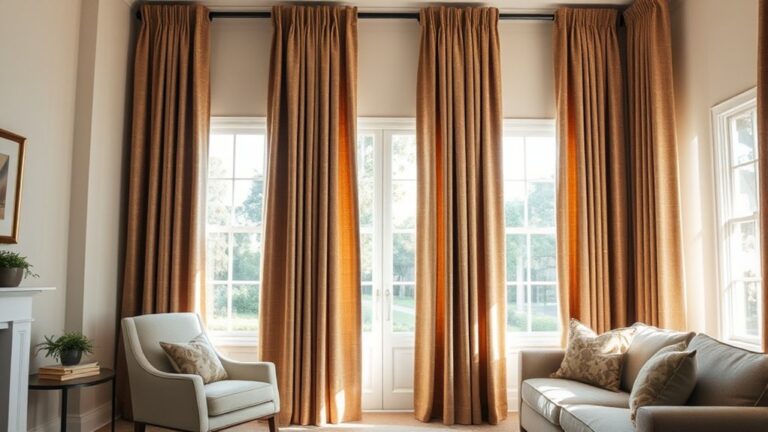
What Are Fabrics?
Finding the perfect fabric can be frustrating. You want something that feels good, lasts long, and suits your style—but with so many options, it’s easy to feel overwhelmed. You’re not alone; many people struggle to understand what makes one fabric better than another for their needs.
Fabrics are materials you use every day for clothing, furniture, and home goods, and they’re made by weaving, knitting, felting, or bonding fibers together. Those fibers can come from plants, animals, or synthetic sources, each giving you different qualities like softness, strength, stretch, and breathability.
You’ll also find fabrics in many weights, finishes, and constructions, which change how they look and feel.
Keep going, and you’ll see how each type works for different needs.
Key Takeaways
- Fabrics are materials made by weaving, knitting, felting, or bonding fibers together.
- They are used in clothing, furniture, and household items for comfort, durability, and style.
- Fabrics come from natural fibers like cotton, wool, and silk, or synthetic fibers like polyester and nylon.
- Fabric construction, weight, and finishes affect stretch, breathability, texture, and performance.
- Choosing the right fabric depends on use, care needs, durability, and desired feel.
What Are Fabrics?
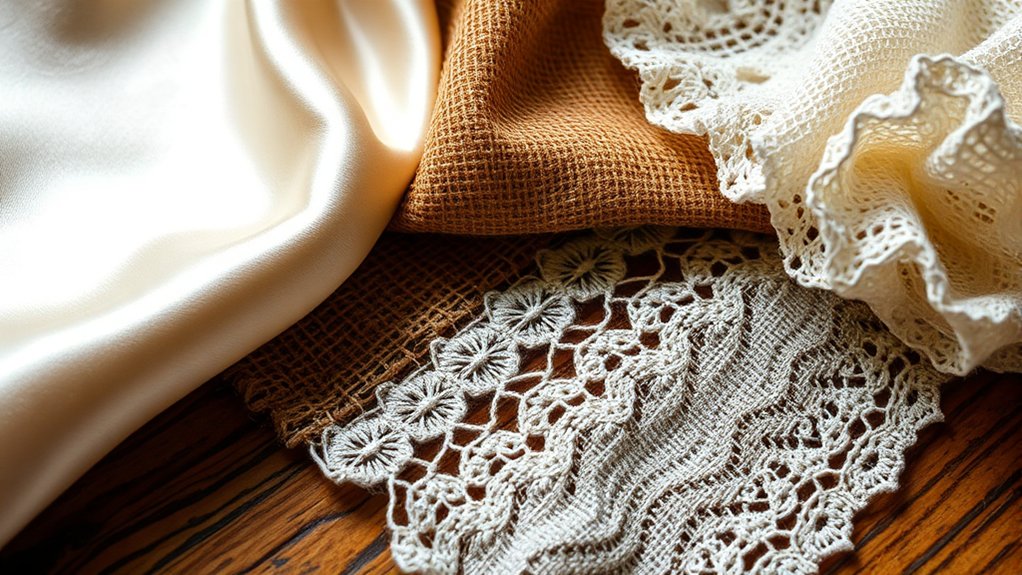
Fabrics are materials made by weaving, knitting, felting, or bonding fibers together, and you use them every day in clothing, furniture, and countless household items. When you look closely, you’ll see that fabrics do more than cover surfaces; they shape comfort, durability, and style.
Different fabric properties affect how a material feels, stretches, breathes, or resists wear, so you can choose the right one for each purpose. Soft, lightweight fabrics suit shirts and curtains, while stronger, denser ones work better for upholstery, bags, or protective gear.
You’ll also find fabric applications in bedding, towels, sportswear, and industrial products, showing how versatile these materials really are. By understanding what fabrics are, you can make smarter choices about appearance, function, and care.
In everyday life, fabrics help you stay comfortable, express personal taste, and meet practical needs with ease.
How Fabric Starts as Fibers
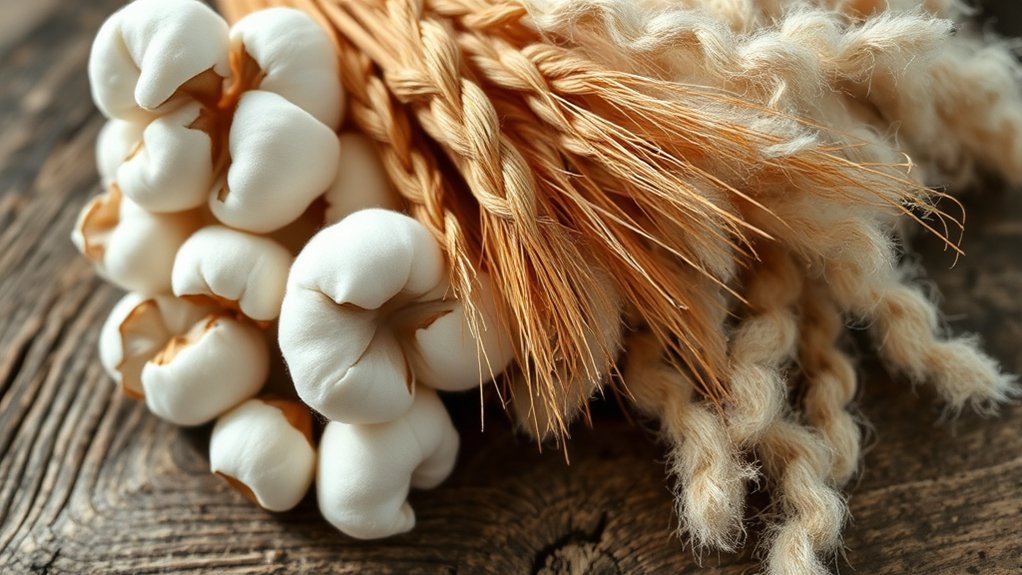
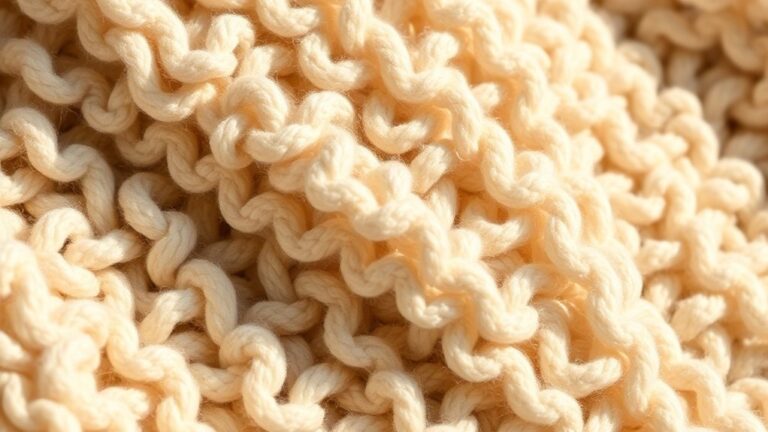
Before fabric can become a shirt, a sheet, or a sofa cover, it starts as fibers, tiny strands from plants, animals, or man-made sources. You can think of fibers as the raw building blocks of cloth.
Different fiber sources give you different qualities like strength, softness, stretch, or sheen. In fiber processing, people clean, sort, and prepare those strands so they’re ready to be spun.
Some fibers are short and need twisting together into yarn; others are long and can be used with less handling. You’ll see that the way fibers are gathered and treated affects the final fabric’s texture and performance.
If the fibers are smooth, rough, thick, or fine, the finished material will feel different on your skin and behave differently in use. So when you look at fabric, keep in mind that it began as tiny strands shaped by nature or made by people.
Natural Fabrics: Cotton, Wool, and Silk
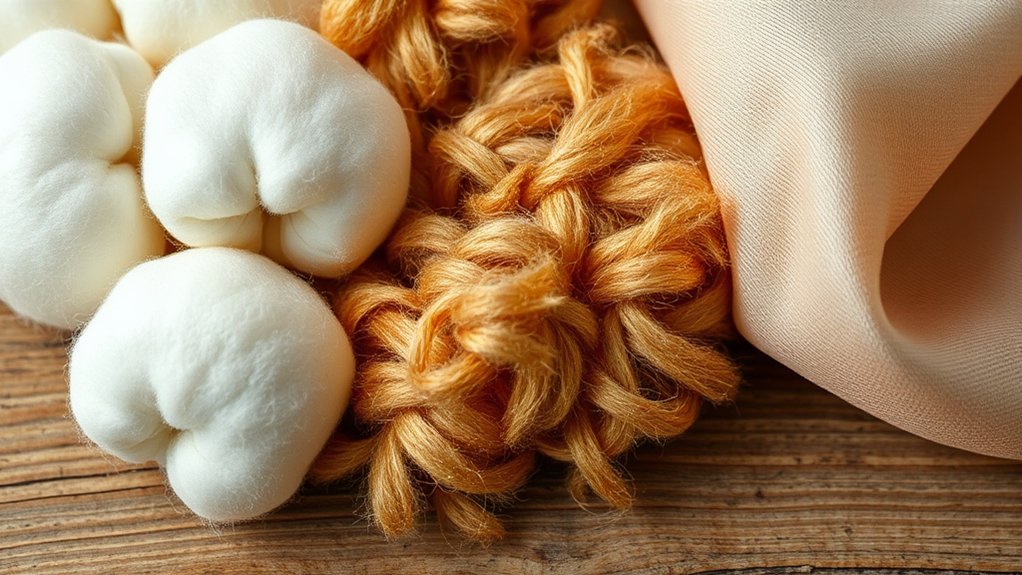
Cotton, wool, and silk are three of the best-known natural fabrics, and each comes from a different source in nature. You can trace their fabric origins to plants and animals, which helps you understand why they feel so different.
Cotton offers softness, breathability, and easy care, so you often choose it for everyday wear and appreciate cotton benefits in warm weather.
Wool types range from fine merino to sturdy sheep’s wool, and each traps heat while still letting moisture escape.
Silk properties include a smooth surface, light drape, and a natural sheen that feels luxurious against your skin.
Textile sustainability often favors these fibers because nature renews them, especially when you choose responsible sourcing. You can also notice how dye techniques, weaving methods, and fabric blends change color, texture, and performance without losing each fiber’s natural character.
Synthetic Fabrics: Polyester, Nylon, and Spandex
When you choose synthetic fabrics, you’ll notice polyester’s low-maintenance feel. It’s great because it resists wrinkles and shrinking, making your life easier.
Then there’s nylon, which is all about strong, durable wear. It really holds up well over time, so your clothes last longer.
And don’t forget spandex—it adds flexible stretch. That means your clothes move with you comfortably, no matter what you’re doing.
Polyester Characteristics
Polyester is one of the most common synthetic fabrics because it’s durable, wrinkle-resistant, and easy to care for. You’ll often choose it when you want clothing that keeps its shape and dries quickly after washing.
It resists shrinking and stretching, so you can wear it often without much fuss. You’ll also find polyester in home textiles, bags, and outdoor gear, which shows how broad its polyester applications can be.
When you think about polyester sustainability, keep in mind that recycled polyester can reduce waste and reuse plastic resources. Still, you should consider how often you’ll use it, since thoughtful buying matters.
If you want a fabric that’s practical, versatile, and low-maintenance, polyester offers a reliable option for everyday life.
Nylon Durability
Nylon is known for its strength, abrasion resistance, and long-lasting performance, so you can count on it for items that need to handle frequent wear. You’ll notice nylon advantages in gear that keeps its shape and resists scuffs better than many other fibers.
It handles repeated use well, so you can rely on it for nylon applications like backpacks, ropes, hosiery, and outerwear. Here’s a quick look:
| Feature | Benefit |
|---|---|
| Tough fibers | Resist tearing |
| Smooth surface | Reduce friction |
You’ll also appreciate how nylon keeps working in demanding settings without feeling bulky. When you need fabric that can take daily stress and still look good, nylon gives you dependable durability and practical value.
Spandex Stretchability
Although spandex isn’t usually used alone, its ability to stretch and snap back makes it essential in fabrics that need flexibility and a close fit. You’ll notice spandex elasticity in activewear, swimwear, and support garments because it moves with you and quickly regains shape.
Manufacturers blend small amounts of spandex with polyester or nylon to improve comfort without sacrificing strength.
It lets clothes hug your body. It helps fabrics recover after stretching. And it expands spandex applications across sportswear and fashion.
When you choose garments with spandex, you get easier movement, less sagging, and a smoother fit. That’s why this fiber plays such a big role in modern fabric design.
Woven vs. Knitted vs. Nonwoven Fabrics
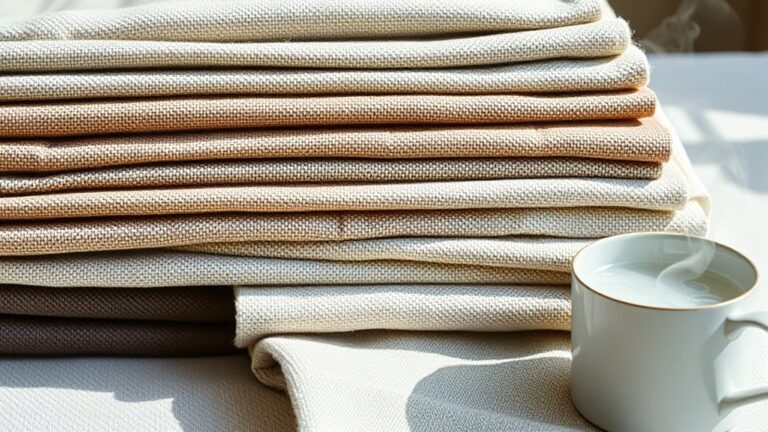
When you compare woven, knitted, and nonwoven fabrics, the key difference is how the fibers are put together. You’ll notice woven structures use two yarn sets crossing at right angles, which gives them crisp shape and dependable strength.
Knitted patterns loop one yarn through another, so they can flex and recover more easily. Nonwoven fabrics skip weaving and knitting altogether; producers bond fibers with heat, pressure, or chemicals, making them useful in many nonwoven applications like filters, wipes, and medical products.
As you choose fabric, think about fabric versatility: each construction serves different needs in clothing, home goods, and industry. Textile innovations keep improving performance, from stretch recovery to durability.
You can also weigh material sustainability, since some fabrics use fewer resources or recycle more efficiently than others. By understanding how each type is built, you’ll make smarter choices for comfort, function, and environmental impact.
Fabric Weight and How It Feels
When you pick out fabric, the weight really gives you a good idea of how it’ll perform and where it’s best used. Lighter fabrics tend to feel airy and drape softly. On the other hand, heavier ones usually come across as sturdier, warmer, and more substantial.
Often, you can just tell what’s right by how the fabric moves and feels when you hold it in your hand. It’s kind of like getting a sneak peek of how it’ll behave once you start working with it.
Fabric Weight Basics
Fabric weight shapes how a fabric drapes, feels, and performs, so it’s one of the first things you should notice. You can judge it by grams per square meter or ounces per square yard, which gives you a clear fabric density measurement. This helps you compare options without guessing.
Fabric weight classification usually falls into three groups:
- Lightweight: airy, flexible, and easy to layer
- Midweight: balanced, versatile, and durable
- Heavyweight: sturdy, warm, and structured
When you shop, check the label, then match the weight to your project. You’ll choose more confidently if you think about season, use, and care. A thin fabric can suit shirts, while a heavier one often works better for outerwear or upholstery.
How Fabric Feels
Weight tells you more than how thick a fabric is; it also hints at how it will feel in your hand and on your skin. When you touch cloth, you notice its tactile qualities first: smooth, crisp, plush, or airy. That texture perception shapes your sensory experience and tells you whether fabric comfort will support you all day or cling in the wrong places.
Use this quick guide:
| Weight | Feel | Mood |
|---|---|---|
| Light | Breezy | Easy |
| Mid | Balanced | Calm |
| Heavy | Dense | Cozy |
You’ll often prefer lighter fabrics for heat and movement, while heavier ones can feel secure and warm. Trust your hands because they reveal what your eyes can’t.
Fabric Finishes and Treatments
After weaving or knitting, manufacturers often apply finishes and treatments that change how fabric looks, feels, and performs. You’ll see fabric treatments that soften handfeel, add structure, or boost durability. Common finishing techniques can increase stain resistance, water repellency, flame retardants, and antimicrobial treatments. These give you practical performance improvements without changing the base fiber.
Eco-friendly finishes reduce harsh chemicals and can lower environmental impact. Durable coatings help fabrics resist spills, wear, and everyday moisture. Specialty treatments can improve comfort, safety, and make care easier.
When you choose fabric, these details matter because they influence how it behaves in real use. A finish can make a material easier to clean, longer lasting, or better suited to demanding conditions. You don’t just buy fabric for its fiber; you also get the result of careful treatment that shapes its final character.
Fabrics for Clothing, Furniture, and Décor
When you pick fabrics for clothing, you’re really balancing comfort, drape, and durability because you want something that works for everyday wear. Now, when it comes to furniture upholstery, the game changes a bit—you need materials that can stand up to friction, stains, and heavy use, but still keep their style intact. And for home décor textiles, fabrics become a great way to bring in texture, color, and personality to your space. It’s all about choosing the right fabric for the right purpose!
Clothing Fabrics
Clothing fabrics shape how your garments look, feel, and perform, from breathable cotton and insulating wool to durable synthetics and elegant blends. You can pick each one for comfort, fit, and purpose, whether you need a crisp shirt, a warm sweater, or activewear that moves with you.
Sustainable fabrics are gaining attention because you want style with less environmental impact. Fabric trends now favor recycled fibers, plant-based materials, and softer finishes.
- Cotton feels cool and easy to wear.
- Wool traps heat and resists wrinkles.
- Polyester and blends add stretch and durability.
When you choose fabrics wisely, you improve comfort, extend garment life, and match your wardrobe to the season.
Furniture Upholstery
For furniture upholstery, you want fabrics that balance comfort, durability, and style. Sofas, chairs, and cushions face daily wear while setting the tone for a room. You can match upholstery styles to your needs, whether you prefer crisp tailoring, relaxed slipcovers, or plush tufting.
Watch fabric trends, but choose color choices that fit your space and lifestyle. Compare texture options for softness, grip, and visual depth. Then check durability factors like weave strength, abrasion resistance, and stain handling.
Use design principles to coordinate scale, contrast, and proportion. Smart fabric sourcing helps you find quality materials at a fair price. Follow practical maintenance tips, such as regular vacuuming and quick spill cleanup, so your upholstery stays attractive and performs well over time.
Home Décor Textiles
Home décor textiles tie together comfort, function, and style across the spaces you live in and the clothes you wear. You can use them to express your taste, manage light, and shape mood through color psychology. Today’s textile trends favor eco-friendly fabrics, bold fabric patterns, and versatile seasonal fabrics that adapt through the year.
Choose curtains, throws, and pillows for texture variety. Mix natural fibers with fabric innovations for durability. Look to historical textiles for timeless inspiration.
When you compare materials, you’ll notice how weave, weight, and finish change the feel of every room. In clothing, the same principles help you select pieces that look good and perform well. By balancing beauty and practicality, you create spaces that feel personal, livable, and current.
How to Choose the Right Fabric
Choosing the right fabric starts with how you want the garment to look, feel, and perform. If you want structure, pick firmer weaves; if you want drape, choose softer, fluid materials. Touch matters too: you’ll wear a fabric more happily when it feels comfortable against your skin.
Think about the setting as well, because a formal jacket, a summer shirt, and an exercise layer all need different qualities. You should also weigh fabric sustainability, since recycled, organic, or responsibly sourced options can lower environmental impact.
Keep an eye on fabric trends, but don’t let them override your needs; style only works when the fabric suits the purpose. Compare stretch, breathability, opacity, and texture before you buy. When you match those factors to your project, you’ll choose a fabric that looks right and works hard for you.
Care Tips for Longer-Lasting Fabrics
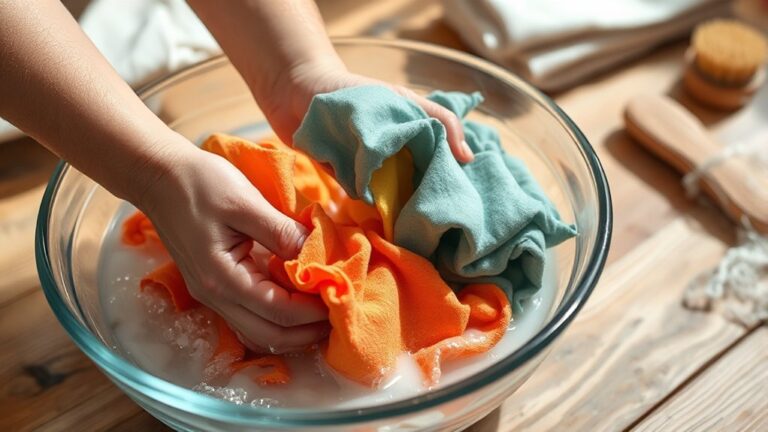
Once you’ve chosen the right fabric, proper care helps it keep its shape, color, and strength for longer. Good fabric maintenance starts with reading labels and sorting items by color and weight. Use gentle washing techniques, cool water, and mild detergent to protect fibers. Treat spills quickly with targeted stain removal, blotting instead of rubbing so you don’t spread the mark.
Choose drying methods that match the material. Air-dry delicate pieces whenever you can. Follow ironing tips carefully, using the correct heat setting and a pressing cloth when needed. Use storage solutions like breathable bags, padded hangers, and dry, dark spaces.
These fabric care habits reduce wear and help your textiles stay fresh. Build simple longevity strategies into your routine, and you’ll save money while keeping clothing, linens, and décor looking their best.
Frequently Asked Questions
What Makes a Fabric Sustainable?
A fabric’s sustainable when you choose organic materials, conserve resources, and support sustainable practices throughout production. You’ll want fibers grown without harmful pesticides, low-water processing, and ethical labor standards.
You can also look for durability, recyclability, and minimal waste in manufacturing and packaging. If a fabric lasts longer and can be reused or composted, it reduces environmental impact. So, your best pick balances performance, responsibility, and lower carbon emissions overall.
How Are Recycled Fabrics Made?
You make recycled fabrics by turning old clothes, plastic bottles, or factory scraps into fresh fibers. First, you sort, clean, and shred the waste. Then you melt or spin it into yarn, which you weave or knit into new cloth.
You help cut landfill waste and save resources when you choose recycled textiles made from eco friendly materials. The result feels like a second life for discarded stuff.
Why Do Some Fabrics Pill More Than Others?
You see more pilling in some fabrics because pilling causes depend on fiber length, yarn twist, and surface friction. Shorter, weaker fibers break free and tangle into tiny balls, especially when you wear or wash them often.
Some fabric types, like wool and polyester blends, pill more easily than tightly woven cotton or long-staple fibers. If you choose smoother, denser fabrics and wash gently, you can reduce pilling a lot.
Can Fabrics Be Biodegradable?
Yes, fabrics can be biodegradable if you choose biodegradable materials like cotton, hemp, wool, or silk. You’ll find they break down naturally through fabric decomposition when microbes, moisture, and oxygen do their work.
Not all fabrics decompose easily, though, since synthetics like polyester can linger for years. If you want a smaller footprint, you should look for natural fibers and avoid blends that slow down the process.
How Do Fabric Dyes Affect the Environment?
Fabric dyes can harm the environment by releasing dye chemicals into wastewater, and you can help reduce damage by choosing safer options. When manufacturers dump untreated runoff, those chemicals can cause water pollution, stain rivers, and hurt aquatic life.
You’ll also see effects from heavy water use and energy demand during dyeing. If you buy low-impact, natural, or certified dyes, you support cleaner production and healthier ecosystems overall.
Conclusion
So, when you pick a fabric, you’re not just choosing something pretty. You’re deciding if your shirt breathes, your sofa lasts, or your curtains look expensive. Cotton may feel humble, silk might act fancy, and polyester will happily survive the apocalypse.
Know the fiber, the weave, and the finish, and you won’t end up with scratchy regrets. Treat your fabrics well, and they’ll stick around longer than your last impulse buy. Understanding what fabrics are will help you make better choices every time.