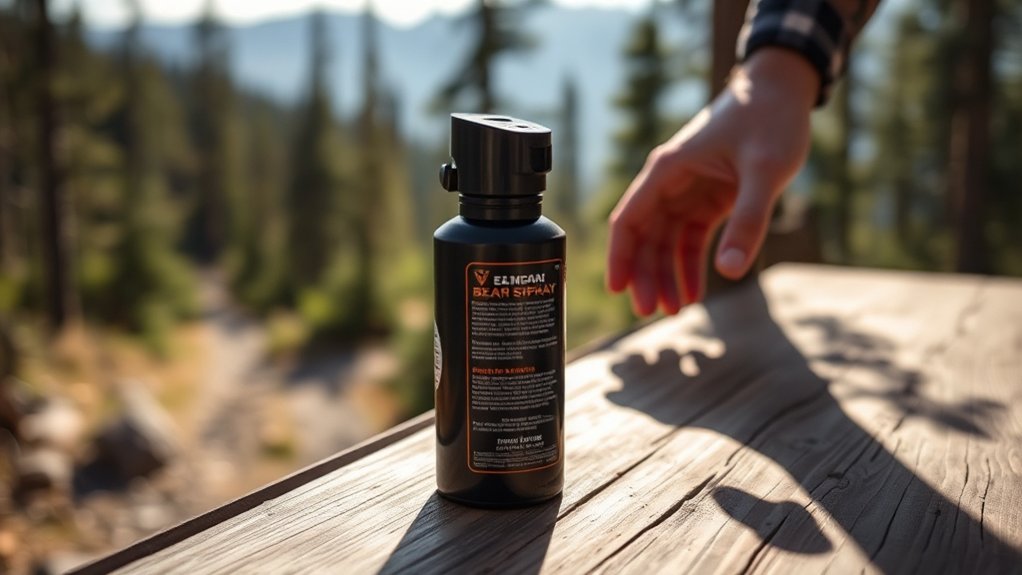
Is Bear Spray Legal for Self-Defense?
Feeling safe when you’re out exploring nature or even walking your neighborhood is something many people worry about. You’re not alone if you’ve wondered whether carrying bear spray for self-defense is a smart, legal option. With so many questions about when and where it’s allowed, it can be confusing to know if it’s right for you.
Yes, bear spray can be legal for self-defense, but it depends on where you are and how you use it. You need to follow local laws, park rules, and any limits on size or labeling.
In a true emergency, it may be used defensively if the threat is immediate and your response is reasonable. Misuse can lead to assault charges or civil claims, so check your local rules before you carry it, and there’s more to know below.
Key Takeaways
- Bear spray may be legal for self-defense, but laws vary by state, locality, and setting.
- Check rules on canister size, labeling, transportation, and restricted places before carrying it.
- Using bear spray defensively is usually judged by immediacy, necessity, and proportionality.
- Misusing bear spray to threaten, retaliate, or intimidate can be treated as assault.
- After use, move away, decontaminate exposed skin, document the incident, and contact authorities if needed.
Is Bear Spray Legal for Self-Defense?
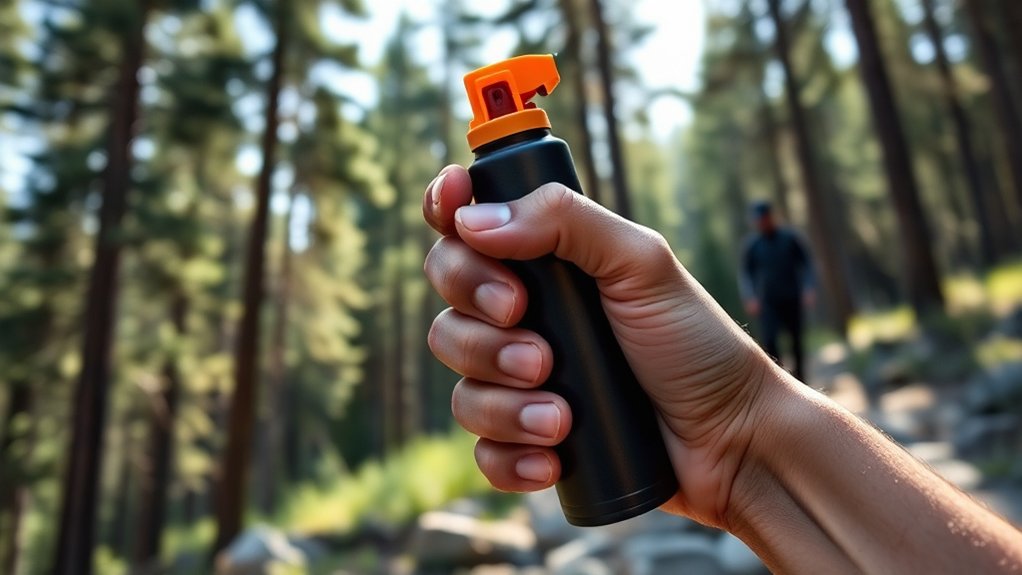
Yes, bear spray can be legal for self-defense, but it depends on where you live and how you use it. You can carry it for protection in some self-defense scenarios, especially when you’re outdoors and want a nonlethal option.
Still, you should treat it like any other defensive tool: use it only when you genuinely fear harm, and aim to stop a threat, not punish someone. If you misuse it, you could face legal issues like assault charges, improper carry, or violating local weapons rules.
You should also check whether the product is labeled for wildlife or human defense, since that can affect how authorities view it. In practice, your best move is to understand the law before you rely on it. That way, you can protect yourself while reducing the risk of crossing a legal line.
How Bear Spray Laws Vary by State
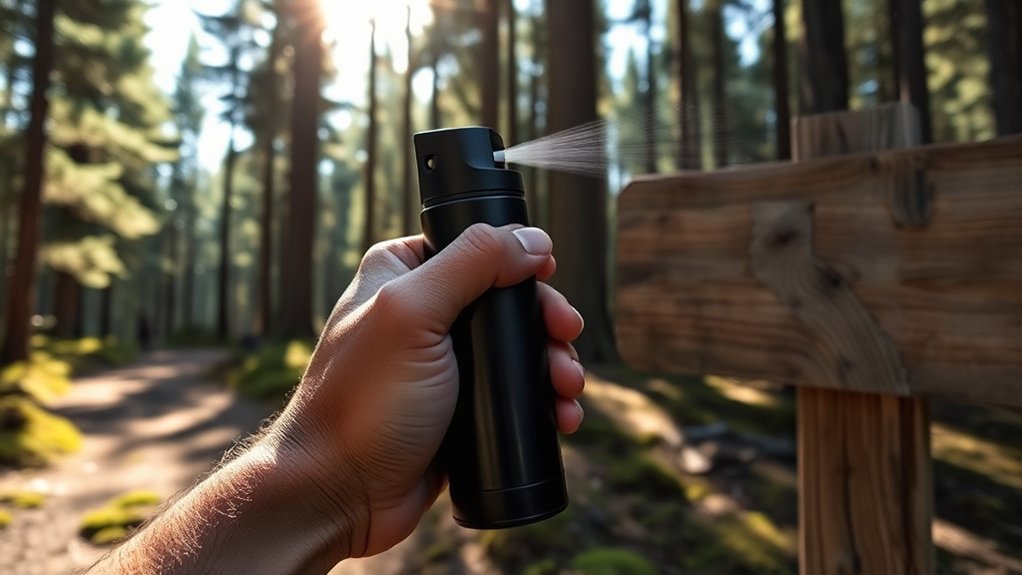
Bear spray laws can change a lot from state to state, so you shouldn’t assume what’s allowed in one place is legal in another. You’ll often find that some states treat bear spray like a wildlife safety tool, while others set rules on canister size, labeling, or where you can carry it.
If you’re traveling, check local statutes before you pack it, especially for parks, airports, and public lands. You should also verify whether your destination limits use to bear safety in areas with known wildlife encounters.
Even when a state allows bear spray, you may still face restrictions on how you store it or when you can use it. Reading state fish and wildlife guidance helps you avoid surprises and keeps you prepared.
When in doubt, contact local authorities or park officials so you know the rules before you head out.
When Does Bear Spray Count as a Weapon?
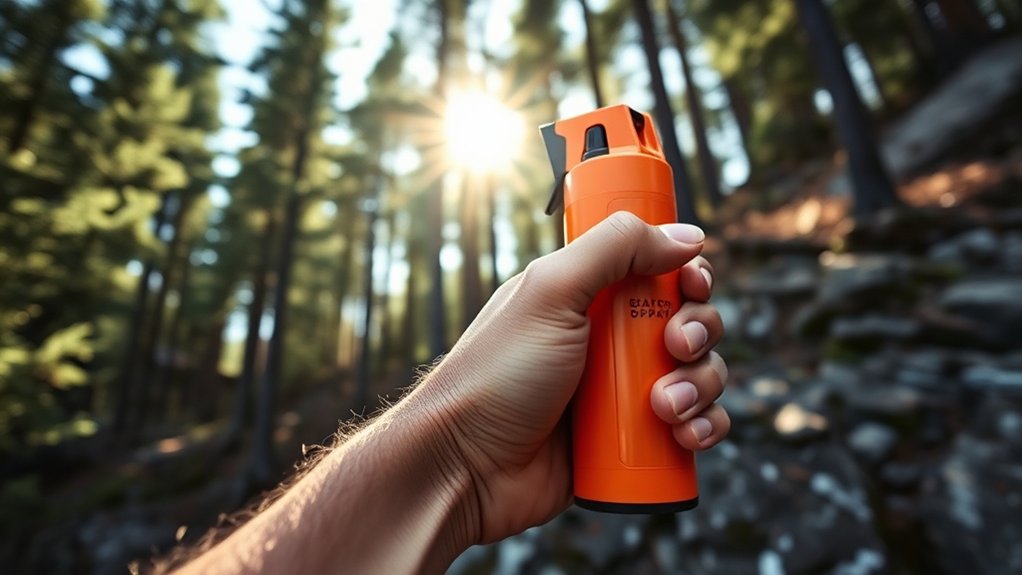
Bear spray can count as a weapon when you use it with the intent to harm, threaten, or intimidate someone, instead of just stopping an immediate danger. It’s important to know how your state defines this because that line can really change how your use of the spray is viewed legally. Even if you’re acting in self-defense, you can’t go beyond what’s reasonably necessary to protect yourself.
Legal Definition Threshold
The line between a defensive tool and a weapon often turns on intent, context, and how you use the spray. If you carry bear spray for wildlife defense, you usually stay within ordinary self defense criteria. But if you brandish it to threaten someone, aim it to intimidate, or use it in a fight unrelated to protection, legal implications can shift fast.
Courts and police often look at whether you had a reasonable fear, whether the spray was proportionate, and whether your conduct matched a protective purpose. You should also know that labeling by itself doesn’t control the answer; the facts do. So your safest approach is to treat bear spray as a situational safety tool, not a general-purpose weapon, and understand your local rules before carrying it.
Self-Defense Use Limits
When you use bear spray strictly to stop an imminent animal or human attack, it usually functions as a defensive tool rather than a weapon. However, once you use it to threaten, punish, or escalate a dispute, it can be treated like one.
In self-defense scenarios, you should limit your use to the minimum force needed to create space and escape. If you spray someone who’s already backing off, you may cross the line from protection to unlawful assault.
Courts often look at your intent, the level of danger, and whether your response matched the threat. If you misuse bear spray, you could face criminal charges or civil claims. So, stay focused on immediate safety, report the incident, and explain why you acted.
Can You Use Bear Spray on a Person?
Yes, you can use bear spray on a person in some situations, but you shouldn’t treat it like a casual self-defense tool. In real self-defense scenarios, you may rely on it only when you reasonably believe someone is about to hurt you.
Bear spray effectiveness can help you create distance because it sends a strong cloud that irritates the eyes, nose, and lungs. That can stop an attacker long enough for you to escape and call for help. But you should still understand that it isn’t a guaranteed shield, and wind, distance, and panic can affect how well it works.
You also need to know your local laws, because some places care more about how you used it than what product you carried. If you decide to carry bear spray, keep it accessible, learn how to deploy it quickly, and use it only when you truly need to protect yourself.
What Happens If You Misuse Bear Spray?
Misusing bear spray can get you into serious trouble, even if you carry it for protection. If you blast it at someone without a real threat, you could face misuse consequences that go beyond an awkward confrontation. You might trigger police involvement, a civil claim, or criminal charges, depending on what happened and where it happened.
- You may be arrested or cited for assault, disorderly conduct, or unlawful use.
- The victim may sue you for medical bills, lost wages, and emotional harm.
- You could lose your right to possess or carry the spray after a court case.
Because bear spray is potent, even careless use can injure eyes, lungs, and skin. If you point it recklessly in a crowd, near a doorway, or during horseplay, you risk legal penalties and serious liability. Always use it only when you face genuine danger and can explain your actions clearly later.
Bear Spray vs. Pepper Spray Laws
When you compare bear spray and pepper spray laws, you’ll notice they’re often treated differently. This usually depends on their strength and what they’re meant for. So, you can’t just assume the same rules apply to both.
Many places have limits on how and when you can carry or use each type. Plus, state rules can vary quite a bit. That means it’s really important to check local restrictions before you rely on either for self-defense.
Legal Definitions
Legal definitions matter because bear spray and pepper spray aren’t always treated the same under the law. You need to read the product label and the statute, because legal terminology can change how authorities classify what you carry. In many places, spray meant for animals is treated differently than a personal defensive spray, even if both contain similar irritants.
Bear spray usually targets wildlife, not people. Pepper spray often fits local self defense criteria. Your intent and the product’s wording can affect legality.
When you choose a spray, you should check whether the law defines it as an animal deterrent, a chemical agent, or a personal defense tool. That definition can shape your rights and your exposure to penalties.
Use Restrictions
Even if the label and statute allow you to own bear spray, how you use it still matters. You should treat it as a last-resort tool for self-defense scenarios, not a way to threaten, joke, or settle a dispute.
If you spray someone without a real and immediate danger, you can face legal consequences for assault, unlawful use of force, or property damage. You also shouldn’t carry it into places that ban chemical deterrents because misuse can create separate charges.
Use only the amount needed to stop the threat, then get away and call law enforcement. Keep the canister aimed at an aggressor, not bystanders, and don’t test it indoors. Proper use helps show that you acted to protect yourself, not to punish anyone.
State Rules
State rules can treat bear spray and pepper spray differently, so you need to check your state’s definitions before you carry either one. Some states focus on canister size, concentration, or labeled use, and those state regulations can change what you may legally buy, carry, or use. You should also weigh safety considerations, since bear spray isn’t designed for close-range human defense.
- Verify whether your state classifies bear spray as an animal deterrent only.
- Check age limits, purchase rules, and any restrictions on public carry.
- Confirm whether local ordinances add stricter rules than state law.
If you travel, you can cross into a state with different rules and suddenly face penalties. Read the label, save proof of compliance, and stay updated before you rely on either spray.
Where Bear Spray Is Banned or Restricted
Although bear spray is legal in many places, you can’t assume it’s allowed everywhere or for every purpose. You should check local rules before you carry it, because bear spray restrictions can vary by state, city, park, and even specific venues.
Some transit systems, airports, schools, government buildings, and private businesses prohibit it outright. International travel can be even stricter, and border inspections may treat it as a prohibited chemical weapon.
Even when bear spray legality is clear for outdoor wildlife use, a place may still limit how much you can carry, how you store it, or whether you may bring it into crowded public spaces. Always read posted signs, review park regulations, and confirm policies with officials before you leave.
If you ignore a restriction, you could lose the spray, face fines, or get removed from the property.
What Self-Defense Laws Affect Bear Spray?
Bear spray’s legality for self-defense also depends on local self-defense laws, not just possession rules. If you use it in a real threat, the law usually asks whether you acted reasonably and used the right amount of force.
In many self-defense scenarios, you can’t rely on bear spray as a weapon unless you truly faced imminent harm.
- Immediacy: You should use it only when danger is immediate, not after the threat has passed.
- Necessity: You need a good-faith reason to believe spray was necessary to stop the threat.
- Proportionality: The response should match the risk; excessive use can hurt your claim.
Bear spray effectiveness can support your defense if it stopped an attack, but it won’t excuse reckless or retaliatory use. If you spray someone during a dispute, officers may treat it as assault.
You should know your state’s rules before relying on it for protection.
How to Carry Bear Spray Legally
Before you carry bear spray, make sure to check your local regulations first. This way, you’ll know exactly where and how it’s allowed. It’s a good idea to keep it in an accessible holster so you can grab it quickly when you need it. And if you’re traveling, don’t forget to follow airline, park, and state rules to avoid any problems along the way.
Check Local Regulations
Where you carry bear spray can matter as much as whether you carry it at all. Check your city, county, and state rules before you head out, because regulatory differences can change how you’re allowed to transport and use it. Local enforcement may treat bear spray like a safety tool in one place and a restricted aerosol in another.
- Review wildlife, park, and transportation rules before carrying it.
- Confirm whether the container size, labeling, or formulation matters.
- Ask local authorities if you’re unsure about legal storage or possession.
You should also know whether certain public spaces ban it outright. Keeping a quick record of the rule you checked can help if someone questions you later. When you verify the law first, you reduce confusion and avoid unnecessary trouble.
Use Accessible Holsters
To carry bear spray legally and use it quickly, keep it in an accessible holster rather than buried in a backpack or glove compartment. You should choose accessible designs that let you draw the canister with one hand and secure it during movement.
Look for holster materials that resist wear, grip the spray can firmly, and won’t shift when you walk, hike, or jog. A belt, chest, or pack-strap holster can keep the canister visible and ready without slowing you down.
Make sure the holster fits your specific spray size, so you don’t struggle during a tense moment. Test the draw at home until it feels natural, and keep the safety clip aligned for fast release.
Follow Travel Rules
Travel rules can change how you carry bear spray from one place to another, so check local laws before you head out. You’ll protect your travel safety and avoid fines when you follow transport rules for wildlife encounters. Some areas let you keep bear spray in your pack, while others require sealed packaging or limited sizes.
- Verify airline, train, or bus policies before departure.
- Store the spray upright and easy to reach, but not loose.
- Keep it out of checked luggage if local rules forbid it.
When you cross borders or enter parks, ask officials about restrictions. You should also know whether the spray counts as a weapon or a deterrent. Planning ahead helps you carry it legally and use it responsibly.
What to Do After Using Bear Spray
After using bear spray, get to a safe distance right away and make sure the threat is gone. Then check yourself for any spray drift, rinse exposed skin and eyes with cool water, and change contaminated clothing if you can. If anyone is affected, call emergency help and follow post usage care steps quickly.
Document what happened while details are fresh, including time, location, and why you used it; this can help if legal consequences come up later.
| Action | Why it matters | When |
|---|---|---|
| Move away | Protects you from exposure | Immediately |
| Decontaminate | Reduces irritation | As soon as possible |
| Report | Supports your account | If needed |
Keep the canister with you, but don’t handle it more than necessary. If the situation involved a person, contact local authorities and give a clear, factual report.
Frequently Asked Questions
Can Bear Spray Expire?
Yes, bear spray can expire, so you should check the can’s date regularly. Over time, pressure drops and bear spray effectiveness can decline, especially if you store it in heat or cold.
You should also inspect the nozzle and make sure the bear spray ingredients haven’t separated or degraded. If the label’s damaged, the can leaks, or the expiry date has passed, replace it before you head out.
How Far Does Bear Spray Reach?
Bear spray usually reaches 20 to 30 feet, like a sudden wall of peppery wind. You’ll get the best bear spray effectiveness when you aim at the charging bear’s face and use short bursts.
Wind can shorten that range, so practice handling it before you head out. If you’re comparing bear spray alternatives, keep in mind that nothing else gives you the same standoff distance and fast stopping power in the wild.
Does Bear Spray Work on All Bears?
No, bear spray doesn’t work uniformly well on all bears, but you can expect it to deter most when you use it correctly. Your spray effectiveness depends on bear behavior, distance, wind, and how quickly you react.
It’s strongest against curious or defensive bears, especially grizzlies and black bears. It’s not a guarantee, so you should keep backing away, stay calm, and follow safety guidelines whenever you’re in bear country.
Is Bear Spray Allowed on Airplanes?
No, you generally can’t bring bear spray on airplanes. Like a storm cloud in your carry-on, it’s treated as a dangerous item. Airlines and security rules usually ban it because of pressurized contents and irritant chemicals.
You should check bear spray regulations before you travel and plan ahead if you need bear spray effectiveness at your destination. Buy it after you land, and keep it packed for outdoor use only.
How Should Bear Spray Be Stored Safely?
You should store bear spray in a cool, dry place away from heat, flames, and direct sunlight. Keep it in a secure storage container, upright if possible, and out of children’s reach.
Don’t leave it in a hot car or near sharp objects. Check the expiration date regularly and follow all safety tips on the label so you can avoid accidental discharge and keep it ready when you need it.
Conclusion
So, is bear spray legal for self-defense? In many places, yes, but only if you use it lawfully and only when you truly need it. You should always check your local laws before carrying it since rules can vary a lot by state or city.
Bear spray can protect you, but it can also create legal trouble if you misuse it. Isn’t the safest defense the one you understand before you ever need it? Remember, knowing the rules about bear spray is key to using it responsibly for self-defense.