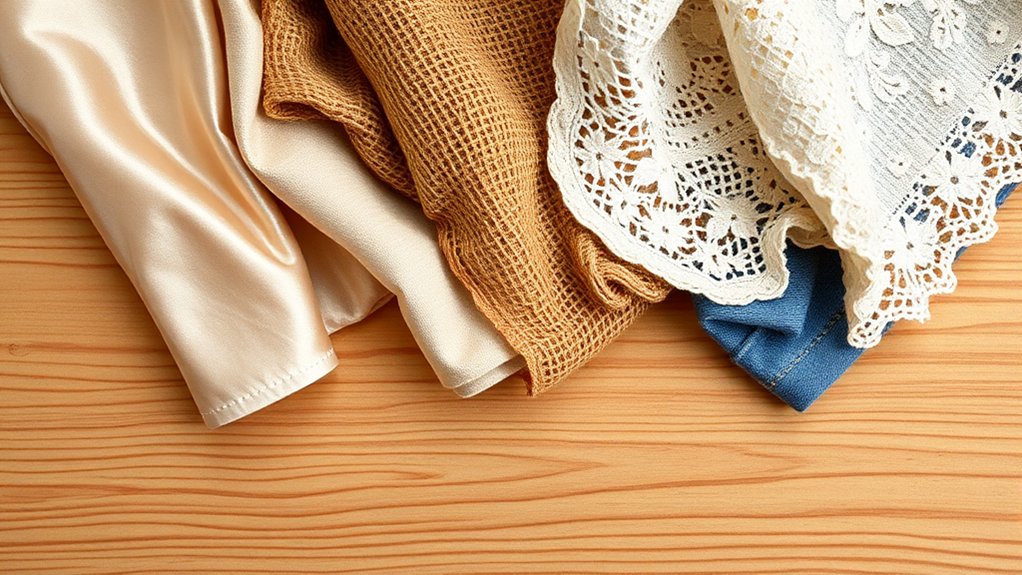
7 Cloth Material Names With Pictures
Choosing the right fabric for your clothes can feel overwhelming—you want something comfortable, durable, and suited to your style and the season.
You’re not alone; many people struggle with understanding different cloth materials and what makes each one special. That’s why we’ve put together this handy guide to help you get familiar with popular fabrics and find the perfect match for your wardrobe.
Here are 7 cloth material names with pictures: cotton, linen, wool, silk, satin weave, denim, and polyester.
You’ll notice cotton feels soft and breathable, linen stays cool, wool keeps you warm, silk looks smooth and luxurious, satin gives a glossy finish, denim feels sturdy and casual, and polyester is easy to care for.
Each fabric works best for different clothes and seasons, so as you go on, you’ll spot which ones suit you best.
Key Takeaways
- Cotton is soft, breathable, and easy to care for, making it a common everyday fabric.
- Linen is cool, crisp, and moisture-absorbing. It’s ideal for warm-weather clothing and home textiles.
- Wool provides natural warmth and breathability, making it suitable for winter layers and outerwear.
- Silk has a smooth sheen and elegant drape. It’s often used for formalwear, scarves, and blouses.
- Polyester is durable, wrinkle-resistant, and low-maintenance, making it practical for frequent everyday use.
Cotton: Soft, Breathable, and Everyday
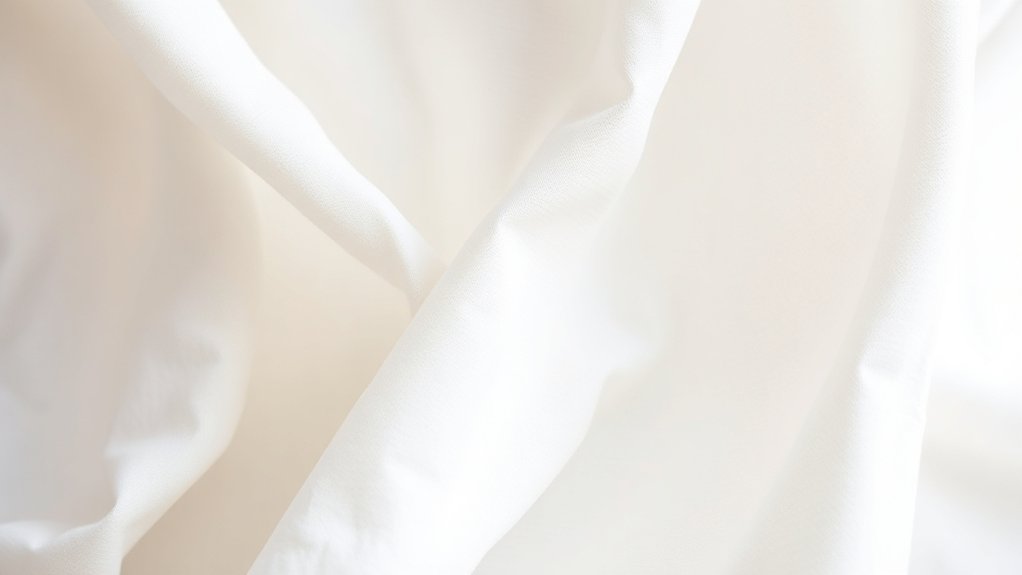
Cotton is the fabric you reach for when you want comfort without fuss. You’ll notice its soft hand, steady breathability, and easy care the moment you wear it. These cotton properties make it a smart choice for shirts, T-shirts, dresses, pajamas, and bedding.
Cotton offers soft comfort, breathable ease, and simple care for everyday shirts, dresses, pajamas, and bedding.
It feels gentle against your skin, absorbs moisture well, and helps you stay comfortable through long days.
You can also choose from many cotton types, including combed cotton for a smoother finish, organic cotton for a lower-impact option, and denim for durable everyday wear. Because cotton takes dye well, you’ll find it in countless colors and prints.
It also launders easily, so you don’t need to baby it. When you want a reliable cloth that balances softness, comfort, and practicality, cotton delivers without trying too hard.
Linen: Light Texture and Summer Comfort
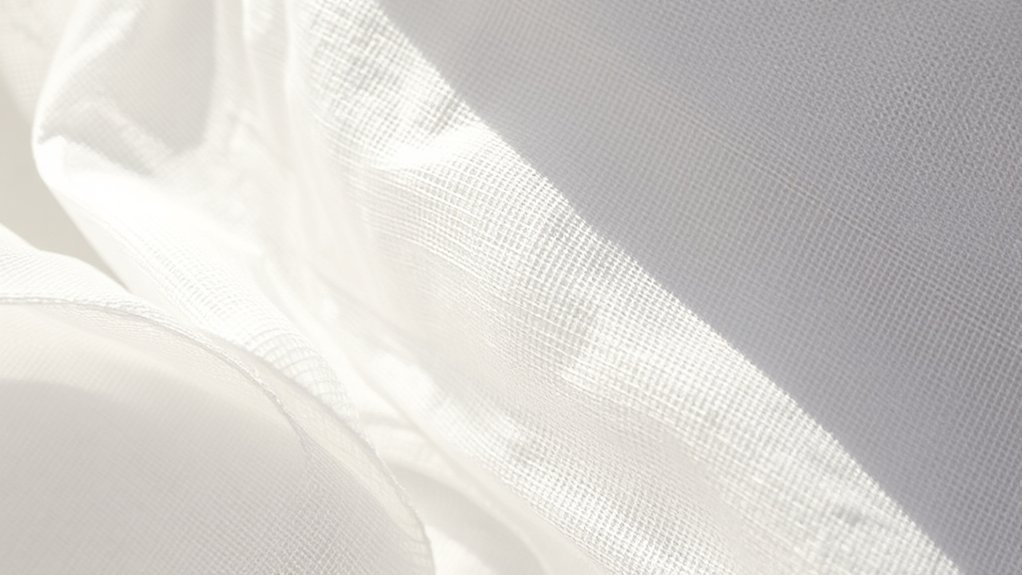
Linen keeps you cool because its breathable summer weave lets air move easily through the fabric. Plus, you’ll notice its crisp, natural texture that gives clothes a clean, relaxed feel. When the weather turns warm, linen offers comfort without adding any extra weight. It’s like wearing a light, airy hug on a hot day.
Breathable Summer Weave
When the heat rises, linen steps in as a smart, breathable weave that keeps you cool without sacrificing style. You’ll notice how its loose structure lets air move freely, so your skin feels less trapped on muggy days.
Because it belongs among breathable fabrics, linen works well for shirts, dresses, trousers, and relaxed layers you can wear from morning errands to evening dinners. You can pair it with light cotton or sandals for easy summer styles, and it still looks polished.
Linen also absorbs moisture quickly, helping you stay comfortable when temperatures climb. If you want clothing that feels airy, wears beautifully, and suits warm weather, this weave gives you a practical option without adding weight or fuss.
Crisp Natural Texture
A crisp, natural texture gives linen its easy charm, with a slightly dry hand that feels light and fresh against the skin. You’ll notice how the weave keeps air moving, so summer outfits stay cool and relaxed.
Because linen comes from natural fibers, it often shows subtle texture variations, which add character without looking fussy.
- It feels breathable in warm weather.
- It softens as you wash and wear it.
- It holds a clean, lived-in look.
- It drapes with effortless structure.
- It suits shirts, dresses, and home textiles.
When you choose linen, you get comfort, durability, and a surface that looks honest and refined. That crispness helps your clothes feel easy, polished, and ready for sunny days.
Wool: Warmth, Stretch, and Winter Wear

Wool stands out for its natural warmth, soft resilience, and ability to hold its shape, making it a reliable choice for cold-weather clothing. You’ll appreciate wool benefits like breathability, moisture control, and strong wool insulation that keeps you comfortable without overheating.
Different wool types, from merino to lambswool, give you options for sweaters, coats, socks, and scarves. You can also choose a wool blend when you want added durability or easier stretch in everyday wear.
Wool fashion works well for both casual and polished winter outfits, and its wool history shows why people have relied on it for centuries. For wool uses, think layering pieces, outerwear, and cozy accessories.
Good wool care matters too: air garments out, wash gently, and store them properly so they keep their shape and softness through many seasons.
Silk: Shine, Drape, and Luxury
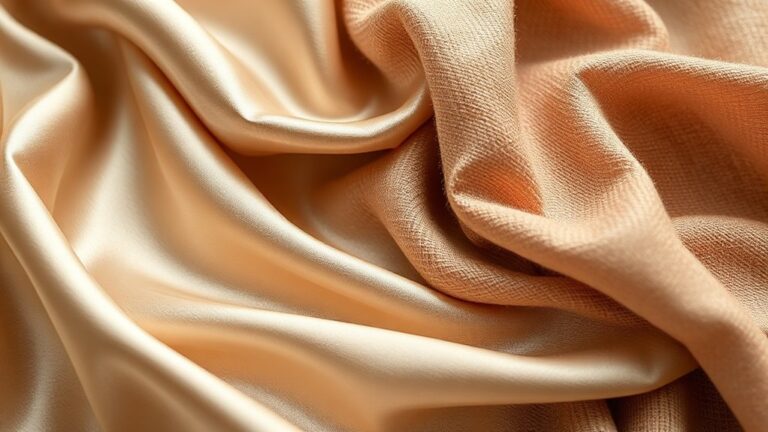
Silk catches the light with a natural shine that really makes any garment stand out. You’ll notice how it drapes smoothly over the body, creating an elegant flow. Plus, its soft, luxe feel adds a sense of luxury you can both see and feel.
Silk Shine
Gleam and grace are what often set silk apart: its surface catches light with a soft, luminous shine, while its fluid drape lets garments fall smoothly against the body. You notice that glow most in natural light, where silk reflects color with depth and clarity.
During silk production, fine fibers are carefully reeled and woven to preserve that sheen. With proper silk care, you can keep the finish bright and elegant for years.
- Choose silk for formalwear
- Look for a subtle, polished glow
- Expect rich color saturation
- Avoid harsh washing methods
- Store it away from direct sun
That gentle radiance makes silk feel refined without looking flashy, so you get a fabric that reads as timeless, not overdone.
Draping Quality
Because of its fluid structure, silk hangs in soft, graceful folds that move with the body instead of stiffening around it. You’ll notice how it follows curves, skims edges, and creates elegant lines without much effort. This makes it a favorite when you want movement in dresses, blouses, and scarves.
With the right draping techniques, you can shape silk to emphasize flow rather than structure. Its fabric behavior changes with cut and weight, so a bias cut often gives you the most natural sweep. Light silk floats; heavier silk settles with more control.
You don’t need bulky tailoring to make it look refined, because the material already does the visual work for you, giving each garment a polished, effortless silhouette.
Luxe Feel
When you want a fabric that feels as luxurious as it looks, silk delivers instantly with its smooth touch, subtle sheen, and elegant drape. You’ll notice why it tops luxe fabrics: it catches light beautifully, skims your body, and adds polish without bulk.
In texture exploration, silk stands out because it feels cool at first, then softens into a fluid, second-skin experience.
- It shines with understated elegance
- It drapes cleanly over curves
- It feels light yet refined
- It enhances formal and casual pieces
- It signals premium quality fast
Choose silk when you want comfort and glamour in one fabric. You’ll get a finish that looks rich, moves gracefully, and makes everyday dressing feel special.
Satin Weave: Smooth, Dressy, and Shiny
Satin weave gives fabric its smooth hand, dressy look, and glossy surface. You’ll notice how light skims across the face while the back stays softer and less shiny. That contrast makes satin feel polished for evening pieces, lingerie, scarves, and special-occasion outfits.
Different satin types change the result, from heavier duchess satin to lighter charmeuse, so you can choose the drape and sheen you want. Good satin care, like gentle washing and low heat, helps preserve the finish.
| Satin type | Feel | Best use |
|---|---|---|
| Charmeuse | Fluid | Blouses |
| Duchess | Structured | Gowns |
| Crepe-back | Mixed sheen | Dresses |
| Stretch satin | Flexible | Fitted styles |
You can also test satin by rubbing the surface lightly; the sheen should stay even, not dull or rough.
Denim: Durable Cotton for Casual Wear
Denim is a sturdy cotton fabric built for everyday wear, and you’ll recognize it by its twill weave, blue dye, and rugged feel. You wear it when you want comfort with resilience, and you can dress it up or down with ease.
Denim history traces back to workwear, where strength mattered most, and that legacy still shapes modern jeans, jackets, and skirts. If you want longer-lasting pieces, look for sustainable denim made with lower-impact dyes and responsible cotton.
- Strong fabric for daily use
- Distinct diagonal weave
- Ages with character
- Works in many cuts
- Pairs with casual basics
You can spot quality by checking the weight, stitching, and fade pattern. Unlike delicate fabrics, denim handles frequent wear and still keeps its structure.
When you choose well, you get style, durability, and practicality in one dependable cloth.
Polyester: Easy-Care for Everyday Wear
Polyester is a practical synthetic fabric that makes everyday dressing easier because it resists wrinkles, dries quickly, and holds its shape well. You can wear it to work, travel, or run errands without worrying much about ironing or shrinking.
It often feels light, smooth, and tough, so it handles frequent use better than many delicate fabrics. When you choose polyester blends, you get extra comfort, stretch, or breathability while keeping the easy-care benefits you want.
For fabric care, wash polyester in cool or warm water, then tumble dry on low or hang it up to save energy. You’ll also find that stains usually release easily, which keeps laundry simple.
Because it’s affordable and versatile, polyester fits many wardrobes and helps you spend less time on upkeep and more time wearing clothes you like.
Frequently Asked Questions
Which Fabrics Are Best for Sensitive Skin?
You’ll usually do best with cotton, bamboo, silk, and Tencel because they feel soft and breathe well. You can also look for hypoallergenic options that reduce irritation, especially if your skin reacts easily.
Choose soothing textures with smooth finishes. Avoid scratchy wool or rough synthetics, and wash new fabrics before wearing them. If you pick loose weaves and natural fibers, you’ll help your skin stay calmer and more comfortable.
How Do I Identify Fabric Types by Touch?
You can identify fabric types by touch like a detective reading clues. Feel the fabric texture: cotton usually feels soft and breathable, wool feels warm and slightly springy, silk feels smooth and cool, and polyester often feels slick or plastic-like.
Check the tactile characteristics, too. Notice the weight, stretch, and drape. Rub it between your fingers, see how it wrinkles, and trust repeated comparisons to build your recognition skills fast.
What Materials Resist Wrinkles the Most?
You’ll get the best wrinkle resistance from polyester, nylon, spandex blends, and treated cotton-poly fabrics. These wrinkle resistant fabrics hold their shape well, travel easily, and stay smooth longer than linen or pure cotton.
If you want fewer creases, choose knits or blends over crisp woven cloth. For simple fabric care tips, hang garments promptly, remove them from the dryer quickly, and avoid overloading the machine to reduce wrinkling.
Which Cloths Are Best for Hot Weather Travel?
You’ll stay coolest in breathable fabrics like linen, cotton blends, and merino. In hot-weather travel, lightweight clothing helps your body shed heat fast, and moisture-wicking materials pull sweat away so you don’t feel sticky.
About 90% of travelers say comfort matters most on long trips, so choose clothes that dry quickly, pack small, and offer UV protection. You’ll enjoy sightseeing more when your outfit works with the heat.
How Can I Tell Natural From Synthetic Fabrics?
You can tell natural from synthetic fabrics by checking the feel, drape, and label. Natural fibers usually breathe, wrinkle more, and may feel softer or vary slightly. Think cotton, wool, or linen.
Synthetic fabrics often feel smoother, stretchier, and dry faster. Look for natural fiber characteristics like absorbency and texture. Then compare synthetic fabric benefits such as durability, easy care, and quick drying.
A burn test can help, too.
Conclusion
Now that you’ve seen these seven fabric types, you can choose materials that fit your needs, style, and comfort. Cotton and linen keep you cool, while wool and silk bring warmth and elegance. Denim and polyester offer durability and easy care.
Here’s an interesting stat: the global textile market is projected to keep growing as consumers seek both comfort and sustainability. That trend shows how much fabric choice shapes what you wear every day.
Understanding these cloth material names helps you make better decisions when picking fabrics that suit your lifestyle and preferences.