What Is Jacquard Loom Fabric?
Finding fabric that combines durability, stunning patterns, and rich texture can be a real challenge. If you’ve struggled to find textiles that look as good as they feel, you’re not alone. Many people want something unique and long-lasting for their wardrobe or home but aren’t sure where to start.
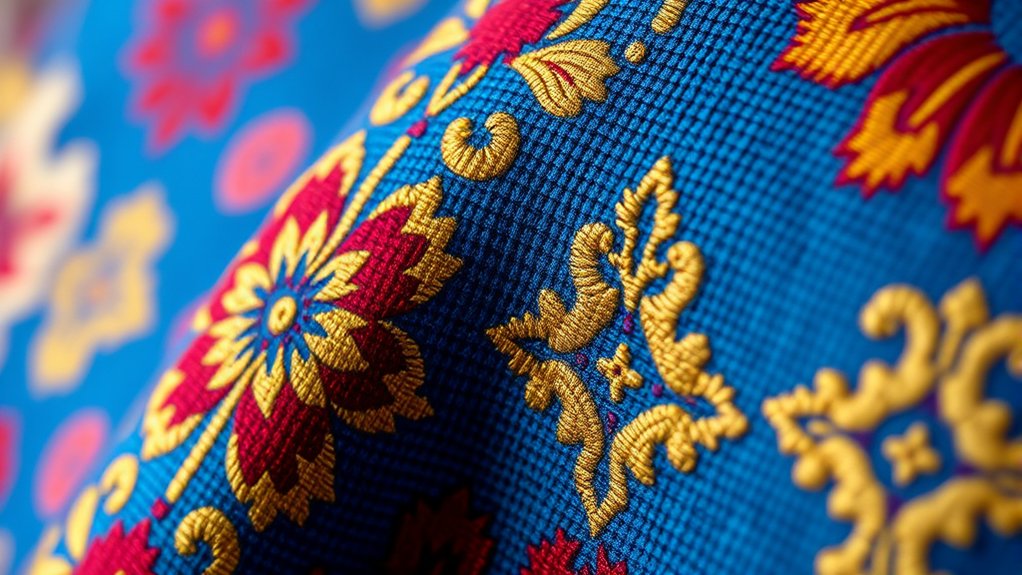
Jacquard loom fabric is woven using a special loom that controls each warp thread individually, letting you enjoy intricate, durable patterns you can feel and see. This fabric stands out because the designs are woven directly into it, not printed or embroidered, giving rich textures and vibrant colors.
You’ll find it in luxury fashion and decor, made from materials like cotton, silk, or blends, often with sustainable options. Keep exploring to uncover its history, patterns, and benefits.
Key Takeaways
- Jacquard loom fabric is woven with individually controlled warp threads, creating detailed, intricate patterns directly in the fabric.
- It revolutionized textile design by automating complex patterns using a punch card system, enabling high precision and artistic expression.
- Common patterns include florals, damasks, brocades, and paisleys, characterized by rich textures and seamless color blending.
- Made from fibers like cotton, silk, wool, or blends, it can also incorporate sustainable materials such as organic cotton and recycled polyester.
- Authentic Jacquard fabric is durable with woven patterns visible on both sides, offering timeless elegance and cultural significance in fashion and decor.
What Is Jacquard Loom Fabric and How Is It Made?

What makes Jacquard loom fabric unique is the way it’s woven. You’ll notice intricate patterns created by controlling each warp thread individually, thanks to the Jacquard loom’s innovative mechanism. This method allows for detailed and complex designs that are impossible with traditional weaving techniques.
Understanding its historical significance helps you appreciate how this fabric transformed textile production in the 19th century, making elaborate designs accessible on a larger scale.
The cultural influence of Jacquard loom fabric is vast. You’ll find it in tapestries, upholstery, and fashion, often symbolizing luxury and craftsmanship. Different cultures adopted and adapted these fabrics, blending traditional motifs with Jacquard’s detailed weaving possibilities.
When you handle Jacquard fabric, you’re touching a piece of history that connects technological innovation with artistic expression, reflecting both the past and cultural evolution in textiles.
The Jacquard Loom’s Impact on Textile Weaving

You’ll see how the Jacquard loom totally changed the game when it came to pattern complexity. Suddenly, creating intricate designs wasn’t such a headache anymore. It really pushed weaving technology forward, letting people produce fabric faster and with way more precision. So, let’s take a closer look at how these advancements ended up transforming textile weaving for good.
Revolutionizing Pattern Complexity
Although weaving intricate patterns once demanded immense skill and time, the Jacquard loom transformed this process by automating complex designs. This breakthrough in textile innovation allowed you to investigate weaving techniques that were once impossible or too labor-intensive.
As you engage with Jacquard loom fabric, you experience how it transforms pattern complexity, enabling you to create stunning, detailed textiles with ease.
Here’s why it impacts you emotionally:
- You witness artistry made accessible, turning imagination into fabric.
- You save time and effort while producing intricate designs.
- You connect with a legacy of craftsmanship reshaped by technology.
The Jacquard loom empowers you to push creative boundaries and cherish the beauty of woven patterns like never before.
Advancements in Weaving Technology
How did the Jacquard loom transform textile weaving? It revolutionized the way you create woven patterns by automating complex designs that once took hours to produce. This breakthrough introduced a punch card system, allowing you to control individual threads precisely, resulting in intricate and consistent patterns.
The Jacquard loom paved the way for textile innovation, enabling faster production and greater design flexibility. As a weaver, you no longer struggle with manual pattern control, so you can focus on creativity and efficiency.
This advancement also influenced modern computerized looms, making the Jacquard system a cornerstone in textile technology. Ultimately, the loom’s impact means you can now produce detailed, high-quality fabrics with less effort and more innovation, shaping the future of weaving.
What Makes Jacquard Loom Fabric Unique?

You’ll notice Jacquard loom fabric really stands out thanks to its complex weaving mechanism that creates intricate patterns. It’s pretty fascinating because this process lets you explore designs that are not just detailed but also unique. And on top of that, the fabric you get is durable and textured, which makes it great for all kinds of uses.
Complex Weaving Mechanism
What sets Jacquard loom fabric apart is its intricate weaving mechanism that allows for highly detailed patterns. When you examine this fabric, you’ll notice a rich tactile texture and vivid color variation. Both are made possible by the loom’s precise control over individual warp threads.
Here’s why the mechanism feels so special:
- It lifts each warp thread independently, giving you unmatched texture depth.
- It blends colors seamlessly, creating subtle shifts that catch your eye.
- It adapts quickly, so complex designs emerge without compromising fabric quality.
With this mechanism, you don’t just get fabric. You experience craftsmanship that brings patterns to life through touch and color.
Intricate Pattern Possibilities
Because the Jacquard loom controls each warp thread separately, it lets you create patterns of remarkable complexity and detail. This textile innovation transformed fabric design, giving you unmatched pattern versatility.
You can weave intricate motifs, from florals to geometric shapes, all within a single piece. The loom’s ability to handle countless combinations means you’re not limited to simple repeats; instead, you craft unique, elaborate designs that stand out.
Whether you’re designing upholstery or fashion textiles, this precision empowers your creativity. The Jacquard loom’s detailed control makes it ideal for expressing complex artistic visions, pushing the boundaries of traditional weaving.
Durable And Textured Fabric
Although Jacquard loom fabric is prized for its intricate designs, its durability and rich texture truly set it apart. When you choose this fabric, you’re getting more than just visual appeal; you’re investing in quality and feel.
Here’s what makes it unique:
- The fiber dyeing process guarantees colors penetrate deeply, maintaining vibrancy even after repeated washes.
- The complex weaving technique creates a fabric texture that feels substantial and luxurious, adding depth to any garment or decor.
- Its robust construction resists wear and tear, making it ideal for everyday use without sacrificing elegance.
You’ll notice how the fabric’s texture and durability combine to deliver both style and long-lasting performance, making Jacquard loom fabric a smart, beautiful choice.
Common Patterns in Jacquard Loom Fabric
How do Jacquard looms create such intricate designs? They use a sophisticated mechanism that controls each warp thread individually, allowing you to weave complex patterns directly into the fabric. Common patterns you’ll find in Jacquard loom fabric include florals, damasks, brocades, and paisleys.
These designs are rich in detail and often showcase elegant motifs that stand out thanks to the precise weaving technique. When you handle Jacquard fabric, you’ll notice how textile dyeing improves these patterns, adding depth and vibrancy.
Fabric finishing further refines the look and feel, ensuring the designs remain sharp and durable. Whether you’re choosing upholstery, drapery, or apparel, Jacquard’s distinctive patterns offer a timeless, luxurious appeal that’s hard to match with other weaving methods.
The combination of advanced weaving, dyeing, and finishing brings out the full potential of each pattern, giving you fabric that’s both beautiful and long-lasting.
Materials Used to Make Jacquard Loom Fabric
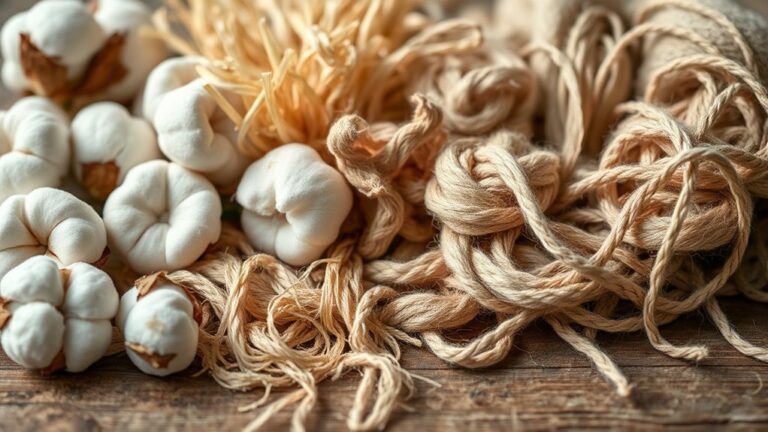
When you look into Jacquard loom fabric, you’ll see it’s made from a mix of fibers like cotton, silk, and wool. It’s pretty interesting how these materials come together.
You’ll also find blends that mix different fibers to add strength and texture to the fabric. It’s a smart way to get the best of both worlds.
And these days, sustainable options are gaining popularity. So, if you’re after eco-friendly choices, you don’t have to worry about giving up quality either.
Common Fibers Utilized
Since Jacquard loom fabric combines intricate patterns with durability, the choice of fibers plays a crucial role in its quality and appearance. The historical significance of Jacquard fabric is reflected in the fibers used, as they’ve been carefully selected to honor cultural influences and craftsmanship through time.
When you investigate common fibers, you’ll find:
- Cotton – Loved for its softness and breathability, it connects to traditional weaving practices worldwide.
- Silk – Offers a luxurious sheen and strength, often highlighting cultural elegance in Jacquard textiles.
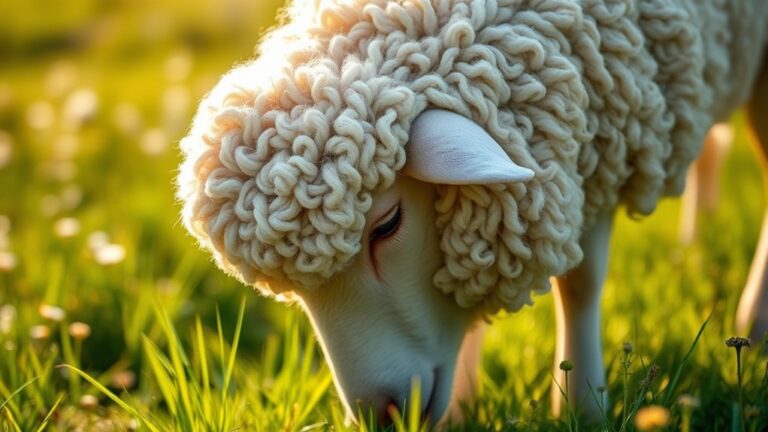
- Wool – Adds warmth and texture, embodying rich heritage from colder regions where Jacquard weaving thrived.
These fibers not only improve the fabric’s beauty but also preserve the deep cultural stories woven into every thread.
Blended Material Options
Although traditional Jacquard fabrics often rely on single fibers, blending materials has become popular to improve both performance and aesthetics. When you choose a blended material, you combine the strengths of different fibers to create fabric combinations that offer durability, texture, and visual interest.
For example, mixing cotton with polyester boosts wrinkle resistance and longevity, while blending silk with wool adds softness and warmth with a refined sheen. These fabric combinations let you enjoy Jacquard’s intricate patterns alongside practical benefits like breathability or stretch.
Sustainable Fabric Choices
As you investigate Jacquard fabric options, choosing sustainable materials can make a significant environmental impact without compromising quality or design. When selecting fabrics, focus on sustainable sourcing to reduce your ecological footprint.
Many Jacquard fabrics now incorporate eco-friendly dyes, which minimize harmful chemicals and pollution. Here are three sustainable choices you’ll appreciate:
- Organic cotton Jacquard, grown without synthetic pesticides, offers softness and durability.
- Recycled polyester blends maintain strength while cutting down textile waste.
- Hemp fibers provide a renewable, sturdy alternative that softens over time.
How to Identify Authentic Jacquard Loom Fabric
How can you tell if a Jacquard loom fabric is truly authentic? Start by examining the intricate patterns woven directly into the fabric rather than printed on the surface. Authentic Jacquard fabric boasts detailed and complex designs, reflecting its historical significance as a pioneering textile technique. You’ll notice how the weaving reveals depth and texture, a hallmark of genuine Jacquard work.
Next, consider the cultural influences behind the design. Authentic Jacquard fabrics often incorporate motifs rooted in the culture and era they originate from, making each piece unique. Check the fabric’s weight and feel; it should have a substantial, durable texture due to the weaving method.
Lastly, inspect the edges and back side. They typically mirror the front design, unlike cheaper imitations. By focusing on these details, you’ll confidently identify authentic Jacquard loom fabric and appreciate its rich heritage.
How Jacquard Loom Fabric Differs From Other Textiles
When you compare Jacquard loom fabric to other textiles, you’ll immediately notice the complexity of its woven patterns, which stand apart from printed or embroidered designs. Unlike textiles that rely on surface treatments like textile dyeing or fabric finishing for visual appeal, Jacquard fabric integrates intricate designs directly into the weave. This means the pattern isn’t just on top; it’s part of the fabric’s structure.
You’ll appreciate how:
- The detailed motifs are woven thread by thread, making them durable and vibrant.
- Textile dyeing often enhances Jacquard fabric’s depth without overshadowing the woven design.
- Fabric finishing techniques preserve the texture while adding luster and softness unique to Jacquard.
This weaving method gives Jacquard fabric a richness and dimensionality you won’t find in printed or embroidered textiles, making it stand out in both appearance and feel.
Benefits of Jacquard Fabric for Fashion and Decor
Because Jacquard fabric blends durability with intricate design, it offers unique advantages for both fashion and decor. When you choose Jacquard, you’re tapping into a fabric with deep historical significance, reflecting centuries of craftsmanship. Its richly textured patterns bring a timeless elegance to garments and interiors alike, making your pieces stand out with sophistication.
You’ll also appreciate how Jacquard fabric captures diverse cultural influences, from European brocades to Asian motifs, allowing you to express a global aesthetic. This versatility means you can seamlessly incorporate it into statement clothing or eye-catching upholstery, elevating your style and living space.
Thanks to its durable weave, Jacquard holds up well against wear, so your fashion items and decor maintain their beauty longer. Overall, using Jacquard fabric lets you combine artistry, history, and practicality, making it a smart choice for anyone who values both form and function.
Care and Maintenance of Jacquard Loom Fabric
Though Jacquard loom fabric is known for its durability, you still need to handle it with care to preserve its intricate patterns and texture. Proper loom maintenance ensures the fabric remains flawless during production, but your care after purchase is just as crucial. To keep your Jacquard fabric looking its best, follow these essential steps:
- Gentle Cleaning: Always check care labels and opt for hand washing or delicate machine cycles with mild detergent. Avoid harsh chemicals that can damage fibers and patterns.
- Thoughtful Fabric Storage: Store Jacquard fabric in a cool, dry place away from direct sunlight. Use breathable garment bags or wrap in acid-free tissue paper to prevent discoloration and creasing.
- Regular Inspections: Periodically examine your fabric for signs of wear or damage. Promptly address any loose threads or snags to prolong its life.
Finding Quality Jacquard Loom Fabric: Where and How
If you want to find quality Jacquard loom fabric, knowing where to look and what to check is essential. Start by exploring reputable fabric sourcing hubs, both online and in specialty stores that focus on textile innovation. These places often offer authentic Jacquard fabrics crafted with precision and care.
When evaluating fabric, pay close attention to the weave’s clarity and the richness of the patterns. These reflect the skill behind the textile innovation. Don’t hesitate to ask about the fabric’s origin and the weaving process; transparency signals quality.
You can also seek out suppliers who collaborate with skilled artisans or trusted mills, ensuring each piece meets high standards. If possible, request samples to assess texture and durability firsthand. By combining informed fabric sourcing with a keen eye for detail, you’ll confidently select Jacquard loom fabric that raises your projects with timeless elegance and durability.
Frequently Asked Questions
Can Jacquard Fabric Be Used for Upholstery Projects?
Yes, you can use jacquard fabric for upholstery projects, but you should consider textile durability and colorfastness concerns. Jacquard fabrics often offer good durability due to their intricate weave, making them suitable for furniture.
However, some jacquard textiles may fade over time, especially in direct sunlight. To guarantee your upholstery lasts, choose jacquard fabric with strong colorfastness ratings and consider applying protective treatments to maintain its vibrant look.
Is Jacquard Fabric Suitable for Summer Clothing?
Jacquard fabric isn’t always the best for summer comfort, as it can feel a bit heavy, like wearing a cozy blanket on a hot day. You might face breathability concerns since its intricate weave traps heat and limits airflow.
However, lighter jacquard blends can work if you want unique patterns without overheating. If you prioritize staying cool, you’ll want to choose fabrics specifically designed for breathability and moisture-wicking instead.
Are There Eco-Friendly Jacquard Fabric Options Available?
Yes, you can find eco-friendly Jacquard fabric options that use sustainable textiles like organic cotton, hemp, or bamboo blends. These fabrics often incorporate eco-friendly dyes, reducing harmful chemical use.
When shopping, look for certifications like GOTS or OEKO-TEX to guarantee eco standards. Choosing these options helps you support environmentally responsible production while still enjoying the intricate patterns and durability Jacquard fabric offers.
How Does Jacquard Fabric Perform in Outdoor Conditions?
Jacquard fabric performs fairly well in outdoor conditions if it’s treated for weather resistance and UV protection. You’ll want to choose jacquard fabrics specifically designed with these features because untreated jacquard can fade or weaken under prolonged sun exposure and moisture.
When properly finished, it resists fading and damage, making it suitable for outdoor use. Just remember, regular maintenance helps keep its durability and vibrant look intact over time.
Can Jacquard Fabric Be Customized With Personal Designs?
Yes, you can definitely customize jacquard fabric with personal design options. Using advanced customization techniques, you can create intricate patterns tailored to your preferences, whether for fashion or home décor.
The jacquard loom allows for detailed, complex designs woven directly into the fabric. This means your unique ideas become part of the material itself, giving you a truly personalized and high-quality textile that stands out and suits your style perfectly.
Conclusion
Think of Jacquard loom fabric as a masterful storyteller, weaving intricate tales with every thread. Like a painter’s brush crafting vivid scenes, it blends art and technology to create patterns that dance under your fingertips.
When you choose Jacquard, you’re wrapping yourself in a tapestry of history and innovation. Each fabric is a chapter rich with texture and life. Treat it well, and Jacquard loom fabric will keep telling its beautiful story for years to come.