What Is Crepe Fabric?
Finding the perfect fabric that feels luxurious, looks polished, and moves gracefully can be a real challenge. You’re not alone if you’ve struggled to find a textile that combines comfort, style, and durability all in one. Many people want something wrinkle-resistant and versatile enough for both clothing and home décor.
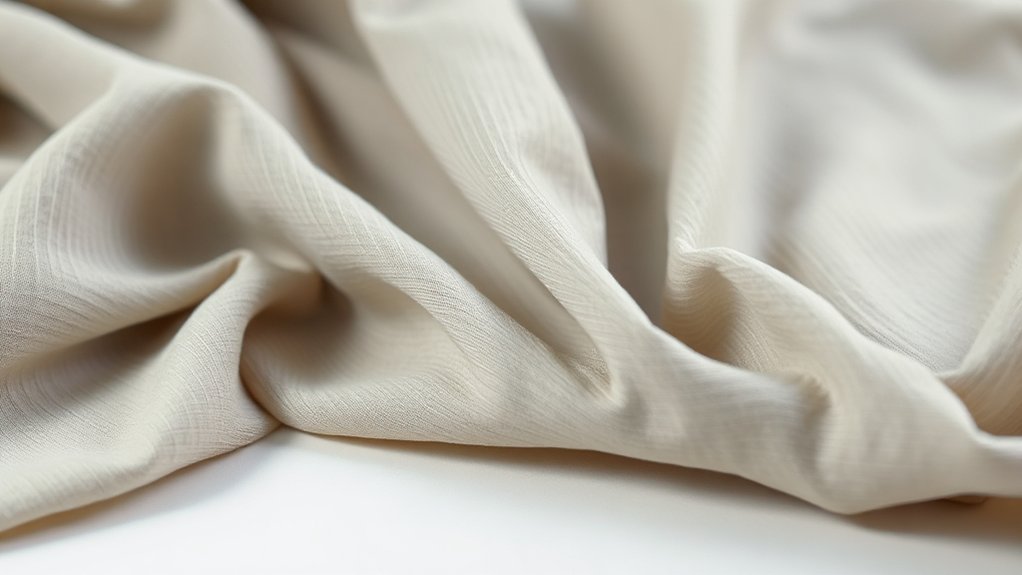
Crepe fabric is a textured textile you’ll recognize by its crinkled, pebbled surface and soft, elegant drape. You can find it in silk, wool, and synthetic blends, and each type gives you a different feel and level of structure.
It’s comfortable, wrinkle-resistant, and works well for dresses, blouses, trousers, and home décor. If you want a fabric that looks polished and moves beautifully, crepe has plenty more to show you.
Key Takeaways
- Crepe fabric is a textured textile with a crinkled, pebbled surface and a soft, elegant feel.
- Its texture comes from twisted yarns or special weaves that create subtle grain and springiness.
- Crepe can be made from silk, wool, or synthetic blends. Each material offers different drape and structure.
- It is valued for wrinkle resistance, comfort, and a polished look in clothing and home décor.
- Common uses include dresses, blouses, skirts, trousers, scarves, curtains, and table linens.
What Is Crepe Fabric?
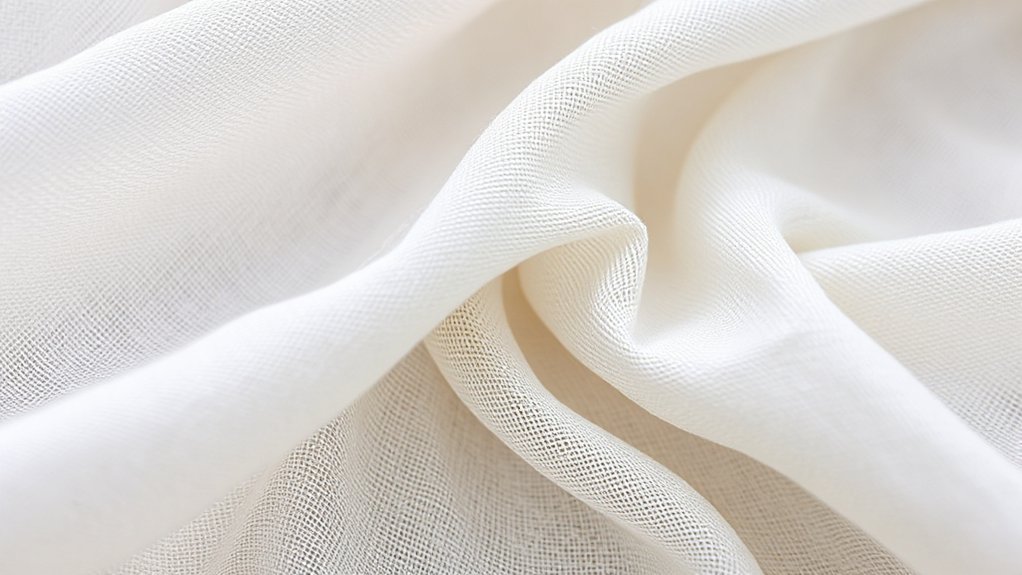
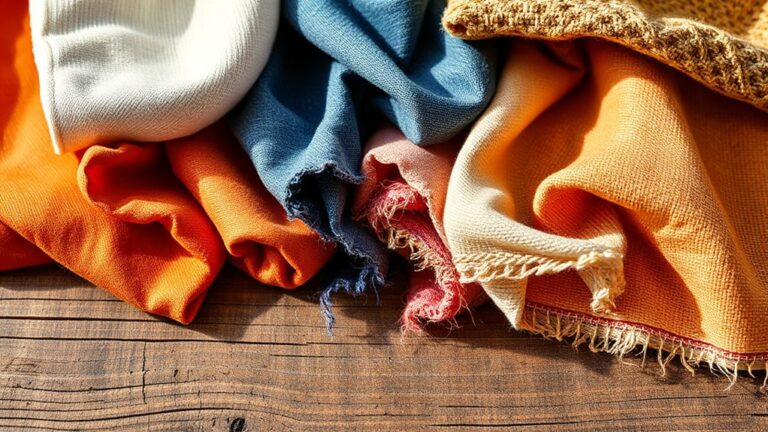
Crepe fabric is a textured textile known for its crinkled surface and graceful drape. You’ll recognize it by its slightly pebbled look, which gives garments a soft, elegant finish.
Crepe fabric’s crinkled texture and elegant drape give garments a soft, polished finish.
Crepe can be made from silk, wool, polyester, or blends, so you’ll find options that suit both formal and everyday wear. Its crepe history stretches across fashion traditions worldwide, where makers valued its refined appearance and versatility.
Because it hangs well and resists looking stiff, you can use it in many fabric applications, from dresses and blouses to scarves, skirts, and tailored suits. When you choose crepe, you’re choosing a material that balances structure with movement.
It offers visual interest without heavy ornamentation, making it a favorite when you want clothing that feels polished, modern, and comfortable.
How Crepe Fabric Gets Its Crinkled Texture
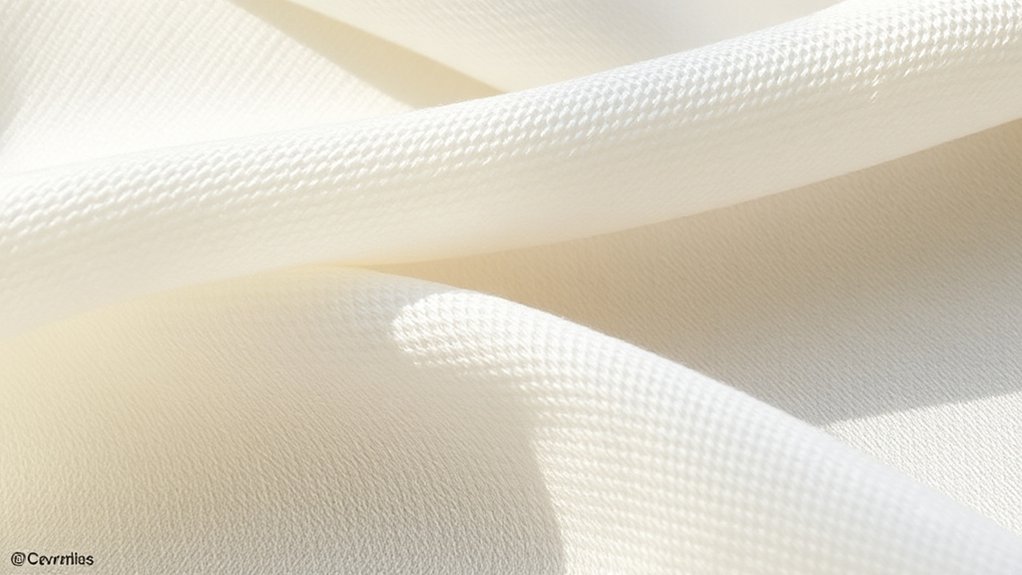
You can spot crepe’s crinkled look in the way makers twist the yarns before weaving. They also use special weaves that build surface texture into the fabric. Then, heat setting locks in those ripples so the finish stays distinct.
Twisted Yarns
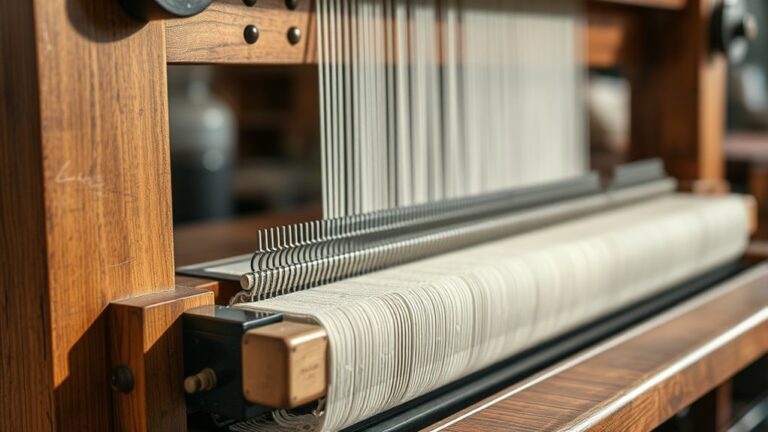
Twisted yarns give crepe fabric its signature crinkled surface by building tension directly into the fibers before weaving or knitting. You’ll notice the effect when the yarn relaxes after production, creating tiny ridges that feel lively in your hand.
This technique appears throughout crepe history, and you still see it in many crepe applications today.
| Yarn twist | Surface effect | Result |
|---|---|---|
| High twist | More puckering | Sharper texture |
| Balanced twist | Gentle crinkle | Softer drape |
| Loose twist | Less tension | Subtle grain |
You get a fabric that moves with character, resists flatness, and shows depth without extra finishing. That’s why twisted yarns matter so much in crepe’s identity.
Special Weaves
Beyond yarn twist, crepe fabric can also get its crinkled look from the way it’s woven. You’ll notice that manufacturers use special weaves to create uneven surfaces that catch light differently across the cloth.
These structures may pair tightly twisted yarns with plain, basket, or satin variations, which helps the fabric develop special textures without feeling stiff. When you look closely, you’ll see tiny ridges, ripples, and irregular bumps that give crepe its signature feel.
You can also find weaves that produce unique patterns, making the fabric appear lively and dimensional. Because the weave itself shapes the surface, you get depth and movement even before the fabric becomes a finished garment, dress, or scarf.
Heat Setting
Heat setting locks in crepe’s crinkled texture after the yarns or fabric have been formed, using controlled heat to stabilize the twists and waves. You’ll usually see this step applied to synthetic or blended fibers, where heat setting techniques help the material keep its puckered surface without relaxing back into a smooth state.
Manufacturers carefully manage temperature, time, and tension so the fabric holds its lively drape and grain. The heat setting benefits include better shape retention, more consistent texture, and improved resistance to shrinkage.
When you wear or sew crepe, you can notice that this process gives it a crisp, slightly springy feel while preserving softness. It also helps the fabric perform reliably in garments that need structure and movement.
Common Types of Crepe Fabric

When you look into crepe fabric, you’ll come across some common types like silk crepe, wool crepe, and synthetic blends. Silk crepe is known for its smooth, elegant drape. On the other hand, wool crepe provides warmth and structure. Then, synthetic crepe blends often bring added durability, stretch, and make care a bit easier.
Silk Crepe Variants
Silk crepe comes in several variants, and each one offers a slightly different look, feel, and drape. When you compare silk variations, you’ll notice how crepe qualities shift from crisp and grainy to soft and fluid.
Crepe de Chine gives you a smooth surface and a graceful fall. Silk georgette feels lighter, sheerer, and more textured. Satin-backed crepe gives you shine on one side and matte contrast on the other. Plissé crepe adds subtle texture that boosts visual interest.
You can use these fabrics for blouses, scarves, dresses, or eveningwear when you want movement without stiffness. Choose the version that matches your project’s finish, opacity, and drape needs.
Wool Crepe Types
Wool crepe brings a warmer, more substantial feel to the crepe family, with a pebbled texture and a dry, elegant drape that works well in tailored garments. You’ll often see lighter dress weights, suiting crepes, and double-faced versions, each shaped by different wool characteristics like resilience, loft, and natural warmth.
Because the surface holds a crisp grain, you can cut it into skirts, jackets, and trousers that keep their form without looking stiff. For wool applications, this fabric suits structured dresses, business wear, and coats where you want movement plus body.
You should press it carefully and let its texture do the visual work, since wool crepe already adds depth, polish, and understated sophistication.
Synthetic Crepe Blends
Synthetic crepe blends take the crepe look in a more versatile, easy-care direction, combining fibers like polyester, rayon, nylon, or spandex to adjust drape, stretch, durability, and wrinkle resistance. You’ll often choose them when you want crisp texture without high maintenance, and they’re common in dresses, blouses, trousers, and linings.
You get smoother care and faster drying. You can enjoy better stretch and recovery. You’ll find options that mimic silk at lower cost. You should weigh sustainability concerns before buying.
These blends follow fashion trends well because manufacturers can tweak finish, weight, and handfeel quickly. If you need fabric that travels, holds shape, and resists creasing, synthetic crepe can be a practical pick, though it may feel less breathable than natural fibers.
What Crepe Fabric Feels Like
Crepe fabric has a distinctly textured feel that sets it apart from smoother materials. When you run your hand across it, you notice a slight grainy surface and a subtle springiness. The crepe texture can feel lightly crisp at first, then soften as you touch it more.
Depending on the fiber content, you may find it airy and dry or a bit more fluid against your skin. That contrast gives the cloth its character. You won’t feel a silky glide like satin, but you also won’t get a rough, scratchy sensation.
Instead, crepe often balances structure with fabric softness in a way that feels refined and comfortable. If you wear it, the surface can seem pleasantly matte and lightly nubby, which adds interest without feeling bulky. Overall, you experience a fabric that feels tactile, elegant, and easy to notice.
Why Crepe Fabric Works So Well
You’ll notice crepe fabric works so well because its textured weave gives it a graceful drape and natural movement. Plus, it resists wrinkles better than many other fabrics, so you can wear it with less fuss. And best of all, it stays comfortable while still looking polished.
Textured Drape And Movement
Because of its softly pebbled surface, this fabric doesn’t just hang. It moves with purpose, creating a drape that feels fluid, light, and controlled at the same time. You get visual depth without stiffness, so your textured garments look polished and alive.
The uneven surface catches light in shifting ways, giving each fold more character and making fluid movement easy to notice as you walk or turn.
- It skims the body gracefully
- It adds interest without bulk
- It follows motion with ease
- It creates elegant, layered lines
When you choose crepe, you’re choosing fabric that responds beautifully to shape. It lets silhouettes flow naturally and keeps your look refined without trying too hard.
Wrinkle Resistance And Comfort
That same textured surface does more than create beautiful movement. It also helps the fabric hold up in everyday wear. You’ll notice crepe resists obvious wrinkles because its crinkled finish hides small creases and lets the cloth spring back after you sit, travel, or layer it.
That makes it a smart pick when you want polish without constant ironing. Its soft hand also feels easy against your skin, so you can wear it for hours comfortably.
| Benefit | Why you’ll like it |
|---|---|
| Wrinkle resistance | Looks neat longer |
| Soft texture | Feels comfortable all day |
| Durability factors | Handles regular use well |
| Seasonal suitability | Works in warm or cool looks |
These qualities explain why crepe feels practical and refined.
Common Clothing and Décor Uses for Crepe
Crepe fabric shows up in plenty of everyday clothing and home décor because its textured surface and graceful drape make it both practical and polished. You’ll spot it in many dress styles, from flowy wrap dresses to tailored midi looks, because it moves well and flatters the body.
Designers also use it in blouses, skirts, trousers, and scarves, where its soft structure keeps outfits looking refined. In home textiles, crepe adds a subtle, elegant touch to curtains, pillow covers, and table accents.
Its fabric durability helps it hold shape in pieces you wear or display often, while fashion trends keep bringing it back for modern, versatile wardrobes.
- Dresses with clean, fluid lines
- Lightweight tops with a luxe feel
- Curtains and decorative drapes
- Pillow covers and table linens
How to Care for Crepe Fabric
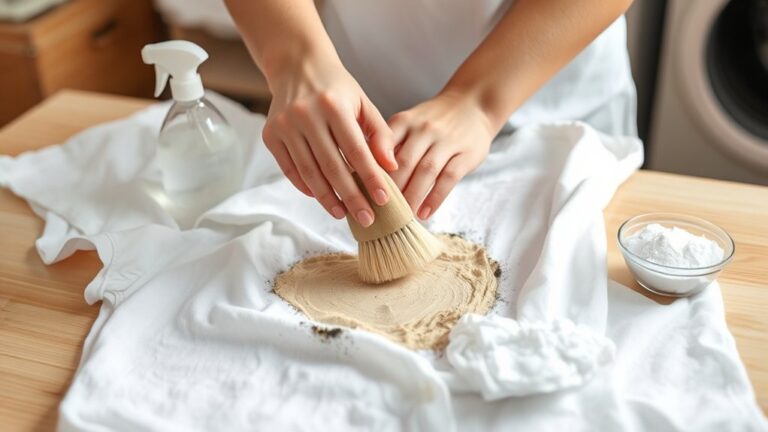
How do you keep crepe looking its best? Start by checking the care label before you wash it. You’ll usually protect the fabric by using cold water, a mild detergent, and a gentle cycle, or by handwashing when the item feels delicate.
Turn garments inside out to reduce abrasion, and don’t wring or twist them. Instead, press out excess water with a towel and reshape the piece while it’s damp.
For drying, lay crepe flat or hang it carefully away from direct heat and sunlight. High heat can damage the texture and cause shrinkage.
If you need to iron, use a low setting and a pressing cloth, or steam lightly from the inside. Store crepe on padded hangers or folded neatly to avoid creases.
These care techniques support better fabric maintenance and help your crepe pieces stay smooth, graceful, and ready to wear.
Crepe Fabric vs. Other Fabrics
When you compare crepe with fabrics like silk, chiffon, or satin, the differences usually come down to texture, drape, and durability. You’ll notice crepe feels lightly pebbled and less slippery than silk or satin, which gives it more grip and structure.
Chiffon flows softly too, but it’s usually sheer and delicate, while crepe offers a bit more body for everyday wear. These crepe characteristics make it easier to style in tailored dresses, blouses, and skirts without losing shape.
Crepe resists cling better than satin.
Crepe feels less fragile than chiffon.
Crepe adds texture without heavy bulk.
Crepe applications work well in polished outfits.
If you want a fabric that looks refined but doesn’t demand constant fussing, crepe often beats smoother, shinier options. It balances elegance with practicality, so you can dress it up or keep it simple.
How to Spot High-Quality Crepe Fabric
A refined crepe stands out not just by appearance, but by the way it feels in your hands and behaves when you move it. You should look for crisp drape, subtle texture, and even surface grain. High-quality crepe keeps its shape, resists sagging, and feels balanced, not flimsy.
When you compare options, use fabric comparisons to judge weight, stretch, and recovery.
| Check | What you want | Why it matters |
|---|---|---|
| Hand feel | Soft, dry, springy | Shows strong crepe characteristics |
| Drape | Fluid, controlled fall | Signals quality weaving or finishing |
| Surface | Even pebble texture | Avoids patchy or overly shiny areas |
| Recovery | Snaps back well | Helps the fabric hold form |
| Edges | Clean, stable finish | Suggests better construction |
If you spot irregular slubs, loose threads, or limp behavior, the fabric probably won’t wear well. Choose pieces that look refined up close and move elegantly in motion.
Where to Buy Crepe Fabric
For the best crepe fabric, start with trusted sources like textile mills, reputable online fabric shops, and local stores where you can feel the hand and inspect the drape in person. You’ll find plenty of choices at online retailers, but compare fiber content, weight, and photos before you buy.
Visit fabric stores and specialty shops when you want to test texture, stretch, and opacity firsthand. Check fabric marketplaces for wider price ranges, then read seller reviews carefully. Local boutiques often carry small-batch crepe with unique colors and prints, and they may offer custom orders if you need a specific finish or yardage.
- Shop online retailers for convenience and variety
- Visit fabric stores to judge quality in person
- Browse specialty shops for premium selections
- Ask local boutiques about custom orders
Frequently Asked Questions
Can Crepe Fabric Be Dyed Easily?
Yes, you can dye crepe fabric, but you’ll get the best results if you match the fiber type and use proper dyeing techniques. Silk and wool crepe usually absorb dye well, while polyester crepe can resist color.
You may face colorfastness issues if you skip heat setting or rinsing. Always test a small swatch first, and you’ll avoid surprises when you dye the full piece.
Is Crepe Fabric Suitable for Summer Wear?
Yes, you can wear crepe fabric in summer, and it often works well. If you’ve heard it traps heat, that isn’t always true; many crepes feel light and airy.
You’ll want to check the breathability factors since fiber content and weave matter. Lightweight crepe can keep you comfortable, while heavier types may feel warm.
Try loose cuts and layering options for cooler evenings or breezy indoor spaces.
Does Crepe Fabric Wrinkle Less Than Cotton?
Yes, crepe fabric usually wrinkles less than cotton because its textured surface hides creases better. In this fabric comparison, you’ll notice crepe often offers stronger wrinkle resistance, especially in drapey garments and travel wear.
Cotton can feel softer and cooler, but it tends to crease more easily unless it’s blended or treated. If you want a neater look with less ironing, you’ll likely prefer crepe over plain cotton.
Can Crepe Fabric Be Used for Formal Dresses?
Absolutely, you can use crepe fabric for formal dresses. You’ll find it drapes beautifully, so it flatters many formal dress styles and creates a polished look.
Since it’s lightweight yet elegant, you can wear it to weddings, galas, or evening events without feeling overdressed. To keep it looking sharp, follow simple crepe fabric care: hang it properly, avoid harsh washing, and steam out wrinkles gently for best results.
Is Crepe Fabric Stretchy?
Yes, crepe fabric can be stretchy, but you’ll notice it depends on the fiber content and weave. Some crepe characteristics include a slightly crinkled texture and a fluid drape, while others feel firm with little give.
If you choose crepe blends with elastane or spandex, you’ll get more stretch and comfort. Always check the label, because pure silk or polyester crepe usually stretches less than blended versions.
Conclusion
Crepe fabric is like a quiet trail through your wardrobe, soft, textured, and full of movement. When you choose it, you’re choosing comfort with character, whether it’s in a dress, blouse, or evening look.
Its crinkled surface hides wrinkles and adds elegance without trying too hard. If you care for it well, crepe keeps giving back, season after season.
In your closet, crepe fabric is the fabric that never fades into the background.