Are Synthetic Fabrics Bad for You?
If you’ve ever felt itchy or uncomfortable after wearing certain clothes, you’re not alone. Many people struggle with finding fabrics that feel good on their skin and don’t cause irritation or other health issues. Choosing the right material can make a huge difference in comfort and wellbeing.
Yes, synthetic fabrics can affect your health because they’re made from petrochemicals and contain chemicals like formaldehyde and phthalates, which may irritate your skin or disrupt hormones over time. They trap heat and moisture, worsening skin sensitivity and allergies.
Plus, they shed microplastics, harming the environment. While durable and affordable, choosing natural, breathable fabrics can help you stay comfortable and safe. There’s more to understand about their impact and healthier alternatives.
Key Takeaways
- Synthetic fabrics contain chemicals like phthalates and formaldehyde that can cause skin irritation and disrupt hormonal balance over time.
- They lack breathability, trapping heat and moisture, which may worsen skin sensitivities and cause discomfort during wear.
- Microplastic shedding from synthetic fabrics pollutes waterways and contributes to long-term environmental harm.
- Limited recycling and landfill accumulation of synthetics release toxins, posing health and ecological risks.
- Natural fabrics offer better breathability, hypoallergenic properties, and biodegradability, making them safer and more comfortable alternatives.
What Are Synthetic Fabrics Made Of?
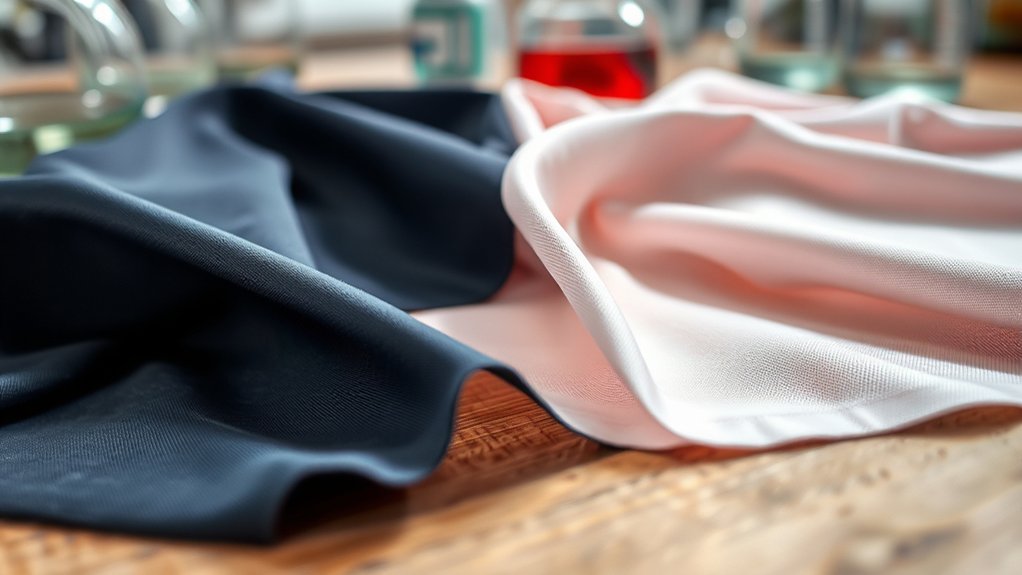
Although you might not realize it, synthetic fabrics are made from man-made materials rather than natural fibers. When you wear polyester, nylon, or acrylic, you’re actually wearing textiles created through complex manufacturing processes that rely heavily on petrochemicals.
These processes involve refining crude oil and transforming it into polymers, which are then spun into fibers.
The transformation of crude oil into polymers forms the foundation for spinning synthetic fibers.
You should know that these manufacturing processes have a significant environmental impact. They consume large amounts of energy and water, and often release harmful emissions.
Plus, synthetic fabrics don’t biodegrade easily, contributing to long-term pollution once discarded. While synthetic fabrics offer durability and affordability, their production and disposal pose challenges for the environment.
Understanding what synthetic fabrics are made of helps you make informed choices about the clothing you buy and wear, considering not only comfort and style but also the broader environmental consequences of these man-made materials.
Which Chemicals in Synthetic Fabrics Affect Your Health?

When you wear synthetic fabrics, your skin comes into contact with various chemicals used during their production. Some of these can affect your health. These fabrics often contain harmful substances that may leach out, especially when exposed to heat or sweat.
Chemical leaching from dyes, flame retardants, and plasticizers can irritate your body and pose long-term health risks. Beyond your skin, the environmental impact of these chemicals is significant. They persist in ecosystems and contaminate water sources.
Here are some chemicals in synthetic fabrics that you should be aware of:
- Phthalates: Linked to hormone disruption and respiratory issues.
- Formaldehyde: Used to prevent wrinkles but can cause allergic reactions.
- Perfluorinated compounds (PFCs): Found in water-resistant finishes, these accumulate in your body and environment.
- Heavy metals: Used in dyes, they can be toxic with prolonged exposure.
Knowing this helps you make informed choices about what you wear and its broader environmental consequences.
How Do Synthetic Fabrics Affect Your Skin?
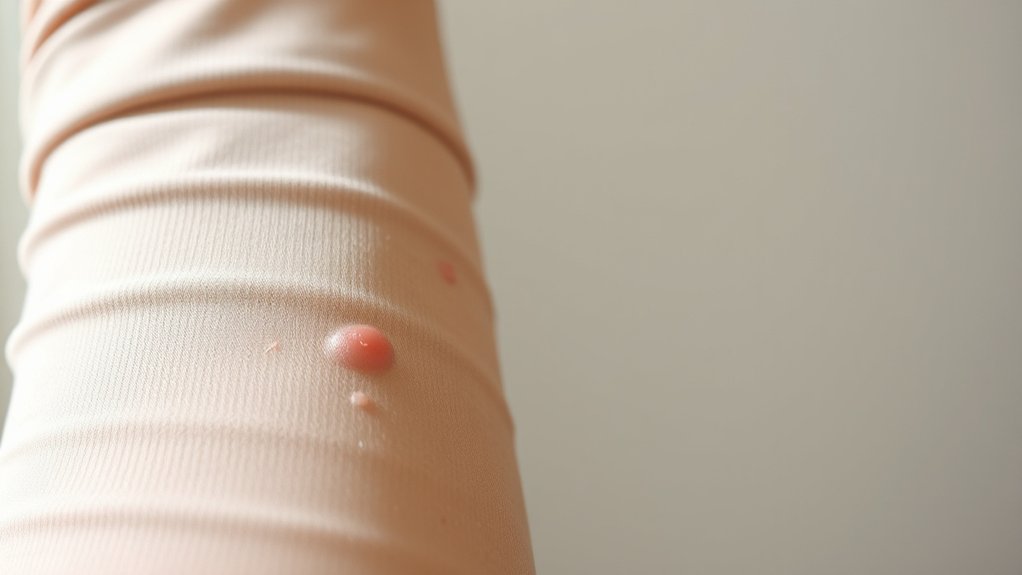
How exactly do synthetic fabrics impact your skin? When you wear clothes made from these materials, your skin comes into direct contact with residues from fabric dyeing and chemical treatments used during production. These substances can leave behind irritants that affect your skin’s comfort and health.
Since synthetic fabrics don’t breathe as well as natural fibers, moisture and heat can build up, creating an environment where your skin feels sweaty or itchy. Furthermore, the chemicals used in fabric dyeing may remain trapped in the fibers, potentially influencing how your skin reacts over time.
While synthetic fabrics can offer durability and easy care, the chemical treatments involved sometimes reduce skin breathability and comfort. To minimize negative effects, you can opt for garments labeled as free from harmful dyes or treated with fewer chemicals.
Are Synthetic Fabrics Linked to Allergies or Irritations?
You might notice more than just discomfort when wearing synthetic fabrics. Some people experience allergic reactions or skin irritations linked to these materials. If you have chemical sensitivities, your skin may react to the dyes, finishes, or the fabric itself. These reactions can range from mild redness to intense itching, making you dread putting on certain clothes.
You might find yourself dealing with unexplained itching after wearing polyester or nylon, red, inflamed patches that don’t go away quickly, a burning sensation especially in sensitive areas, or flare-ups triggered by certain detergents combined with synthetic fibers.
These allergic reactions occur because synthetic fabrics can trap heat and moisture, creating an environment that irritates your skin. If you notice these symptoms, it’s wise to contemplate natural fibers or hypoallergenic clothing options to protect your skin from ongoing irritation and discomfort.
Long-Term Health Risks of Synthetic Fabrics
Although synthetic fabrics offer durability and affordability, they may pose long-term health risks you should consider. These materials often contain chemicals like formaldehyde and phthalates, which can linger and potentially disrupt your hormonal balance over time.
Synthetic fabrics, while durable and affordable, may contain chemicals that disrupt hormonal balance over time.
Wearing synthetic clothing regularly might increase your exposure to these substances, especially if the fabric doesn’t breathe well, trapping sweat and bacteria against your skin.
Beyond personal health, synthetic fabrics contribute heavily to environmental impact. They shed microplastics during washing, which enter waterways and disrupt ecosystems.
Unfortunately, textile recycling options for synthetics remain limited, meaning much of this waste ends up in landfills or incinerators, releasing toxins that can indirectly affect human health.
To protect yourself, it’s wise to balance your wardrobe with natural fibers and be mindful of synthetic fabric care. Understanding these risks helps you make informed choices about what you wear and how it impacts your well-being and the planet.
Comparing Synthetic and Natural Fabrics for Health and Comfort
Considering the potential health risks and environmental impact of synthetic fabrics, it’s important to weigh them against natural fibers when choosing your clothing. Natural fabrics like cotton, linen, and wool offer breathability and comfort that synthetics often lack. While fashion trends push synthetic blends for their durability and stretch, you might find natural fabrics more soothing on your skin.
When you prioritize eco friendly alternatives, you support not only your health but the planet’s well-being. Natural fibers biodegrade faster and reduce microplastic pollution, unlike many synthetic materials.
Think about how your clothing feels and impacts you daily:
- You’ll feel less irritation and fewer allergic reactions with natural fabrics.
- Natural fibers help regulate your body temperature better.
- Eco friendly alternatives contribute to a cleaner environment.
- Wearing natural fabrics can connect you to timeless, sustainable fashion trends.
Choosing wisely means caring for both your comfort and health in the long run.
Benefits of Wearing Synthetic Fabrics
Several advantages make synthetic fabrics a popular choice for many people. You’ll find they often cost less, resist wrinkles, and dry faster than natural fibers. Plus, they adapt well to the latest fashion trends, offering a wide variety of styles and colors.
While concerns about environmental impact exist, many manufacturers now use recycled materials, reducing waste and energy consumption.
Here’s a quick look at the benefits:
| Benefit | Why It Matters to You |
|---|---|
| Durability | Lasts longer, saving you money over time |
| Versatility | Fits current fashion trends easily |
| Environmental Impact | Recycled options reduce your carbon footprint |
When to Avoid Wearing Synthetic Fabrics
You should steer clear of synthetic fabrics in situations where breathability and moisture absorption matter most, like during intense physical activity or in hot, humid weather. These fabrics can trap sweat and heat, making you uncomfortable and increasing the risk of skin irritation.
Even though fashion trends often push synthetic garments with vibrant colors from fabric dyeing processes, comfort should come first. Avoid synthetic fabrics when:
Fashion trends may favor synthetic fabrics, but prioritizing comfort is essential when choosing what to wear.
- You’re working out or doing any strenuous exercise
- You’re spending long hours outdoors in the heat
- You have sensitive skin prone to rashes or allergies
- You want to prevent odors that synthetic fibers can trap
How to Choose Safe and Comfortable Clothing Fabrics
You’ll want to make sure the fabric is breathable so you stay comfortable all day long. Also, if your skin is sensitive or tends to get irritated, look for hypoallergenic materials—they can make a big difference. At the same time, it’s good to find a balance between durability and comfort. That way, your clothes will last without feeling rough or uncomfortable on your skin.
Fabric Breathability Matters
How well your clothing allows air to flow can make a huge difference in comfort and skin health. Breathability issues often arise with synthetic fabrics, which can trap moisture and heat. This not only causes discomfort but may irritate your skin, especially if the fabric dyeing process uses harsh chemicals.
To choose safer, more comfortable clothing, keep these points in mind:
- Look for natural fibers or blends that promote airflow
- Avoid tightly woven synthetics that block ventilation
- Be cautious of intense fabric dyeing that may add irritants
- Prioritize fabrics that wick moisture away from your skin
Hypoallergenic Material Options
Since breathability plays a big role in comfort and skin health, choosing hypoallergenic fabrics can further reduce irritation and allergic reactions. You’ll want to focus on eco friendly alternatives and chemical free options to keep your skin safe.
Natural fibers like organic cotton and bamboo often fit this bill because they avoid harsh chemicals and allow your skin to breathe. Here’s a quick guide to some hypoallergenic material options:
| Fabric | Key Benefits |
|---|---|
| Organic Cotton | Chemical free, breathable |
| Bamboo | Soft, moisture-wicking |
| Hemp | Durable, eco friendly |
| Linen | Lightweight, hypoallergenic |
| Tencel | Sustainable, gentle on skin |
Durability Versus Comfort
Although durability is important for making your clothing last, comfort shouldn’t take a backseat when choosing fabrics. You want materials that feel good on your skin while standing up to wear and tear. Prioritizing fashion sustainability means selecting fabrics that blend resilience with breathability and softness.
Ethical sourcing guarantees your clothes support fair labor practices and environmentally safe production. When deciding, consider these emotional factors:
- The joy of wearing something that feels like a second skin
- Confidence from knowing your clothes are ethically made
- Pride in supporting sustainable fashion choices
- Relief in investing in durable pieces that don’t irritate your skin
Balancing durability and comfort helps you choose safe, long-lasting clothing without sacrificing how you feel every day.
How to Care for Synthetic Fabrics Safely
When you handle synthetic fabrics with care, you can extend their lifespan and keep them looking good. These fabrics often follow fashion trends, so keeping them vibrant is important. Avoid harsh fabric dyeing methods that can weaken fibers. Instead, use gentle detergents and cold water for washing to preserve colors and shape.
Here’s a quick guide to care for synthetic fabrics safely:
| Task | What to Do | What to Avoid |
|---|---|---|
| Washing | Use cold water and mild detergent | Hot water and bleach |
| Drying | Air dry or tumble dry low | High heat drying |
| Ironing | Use low heat or steam | High heat that melts fabric |
Frequently Asked Questions
Do Synthetic Fabrics Harm the Environment During Production?
Yes, synthetic fabrics do harm the environment during production. You should know their environmental impact includes significant chemical emissions that pollute air and water.
When you choose synthetic materials, you’re indirectly supporting processes that release harmful substances, contributing to ecosystem damage. If you want to reduce your environmental footprint, consider alternatives like organic cotton or recycled fabrics, which typically involve fewer chemicals and less pollution during manufacturing.
Can Synthetic Fabrics Contribute to Microplastic Pollution?
Yes, synthetic fabrics can contribute to microplastic pollution when you wash them, as tiny fibers shed and enter waterways. This pollution worsens if textile recycling isn’t properly managed, leading to more waste.
Plus, chemical runoff from producing these fabrics adds to environmental harm. To reduce your impact, you can choose recycled textiles and wash synthetic clothes less frequently or use filters that catch microfibers before they reach the water system.
Are Synthetic Fabrics More Durable Than Natural Ones?
Like a knight in shining armor, synthetic fabrics often outlast natural ones because of their superior fabric longevity and wear resistance. When you choose synthetics, you’re picking materials designed to withstand frequent use and harsh conditions without fading or tearing easily.
While natural fabrics can feel softer, synthetics hold up better over time. They’re a smart choice if you want clothes that stay strong and durable through countless wears and washes.
How Do Synthetic Fabrics Perform in Athletic Wear?
Synthetic fabrics perform well in athletic wear because they offer great fabric breathability, which helps keep you cool and dry during workouts. They wick moisture away from your skin, reducing discomfort and preventing chafing.
However, some people might experience skin irritation due to the texture or chemical treatments used in these fabrics. If you have sensitive skin, you might want to test different brands or opt for blends that include natural fibers to avoid irritation.
Do Synthetic Fabrics Retain Odors More Than Natural Fabrics?
Yes, synthetic fabrics often struggle with stubborn scent storage, showing stronger odor retention than natural fabrics. When you wear synthetic materials, sweat and bacteria can settle deep into the fibers, making fabric freshness harder to maintain.
Unlike natural fabrics, which tend to breathe and release smells more easily, synthetics trap odors, leaving you needing more frequent washes. To keep synthetic wear fresh, you’ll want special detergents or odor-fighting sprays.
Conclusion
Wearing synthetic fabrics can feel like walking through a plastic forest, sometimes uncomfortable and potentially irritating your skin. While they offer benefits like durability and moisture-wicking, you should be cautious if you have sensitive skin or allergies.
Choosing breathable, safe fabrics and caring for them properly helps protect your health. Listen to your body, and don’t hesitate to opt for natural fibers when synthetic materials cause discomfort or irritation. Remember, understanding how synthetic fabrics affect you is key to making the best choice for your comfort and well-being.