What Are Fabrics and How Are They Made?
Finding the perfect fabric for your clothes or home can feel overwhelming. You want something comfortable, stylish, and durable, but with so many options, it’s easy to get stuck. You’re not alone—many people struggle to understand what makes one fabric better than another and how to choose the right one for their needs.
Fabrics are the materials that make up your clothes and home textiles, crafted from natural fibers like cotton or wool, or synthetic ones made chemically. These fibers are spun into yarn, then woven, knitted, or bonded to create different textures and strengths.
Finishing techniques add color, softness, and durability. Knowing how fabrics are sourced and made helps you pick options that match your comfort, style, and sustainability goals. There’s plenty more to uncover about how fabrics shape your world.
Key Takeaways
- Fabrics are textiles made from natural, synthetic, or blended fibers. They’re used in clothing, furniture, and home decor.
- Natural fibers like cotton and wool come from sustainable farming and animal welfare practices.
- Fibers get cleaned and spun into yarn. Then, they’re woven, knitted, or bonded into fabrics that have different textures and strengths.
- Dyeing and finishing add color, softness, and durability. These steps also improve how the fabric looks and feels.
- When you understand fabric types and how they’re made, it helps you make sustainable choices. It also boosts fabric durability and comfort.
What Fabrics Are and Why They Matter to You
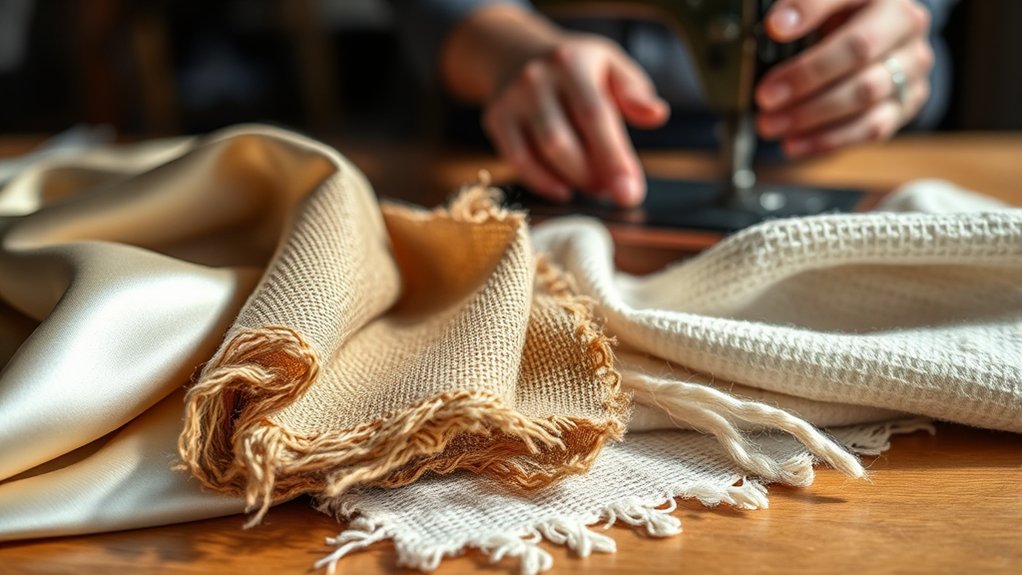
What exactly are fabrics, and why should you care about them? Fabrics are the textiles that make up almost everything you wear, sit on, and even decorate your home with. Understanding fabrics helps you make smarter choices, especially as fashion trends shift toward sustainability.
Fabrics surround us daily—knowing them helps you make smarter, more sustainable choices in fashion and home.
You’ll notice more brands embracing eco friendly materials to reduce environmental impact, so knowing the basics helps you spot these options easily. Fabrics can be natural, synthetic, or blends, each with unique properties affecting comfort, durability, and style.
When you choose fabrics thoughtfully, you support innovations in sustainable fashion and reduce waste. Plus, your wardrobe becomes more versatile and long-lasting.
Staying informed about fabrics empowers you to align your fashion sense with your values, keeping you trendy and eco-conscious at the same time. So next time you shop, you’ll appreciate why fabrics matter beyond just looks. They’re a key part of a more sustainable future.
How Natural Fibers Like Cotton and Wool Are Sourced
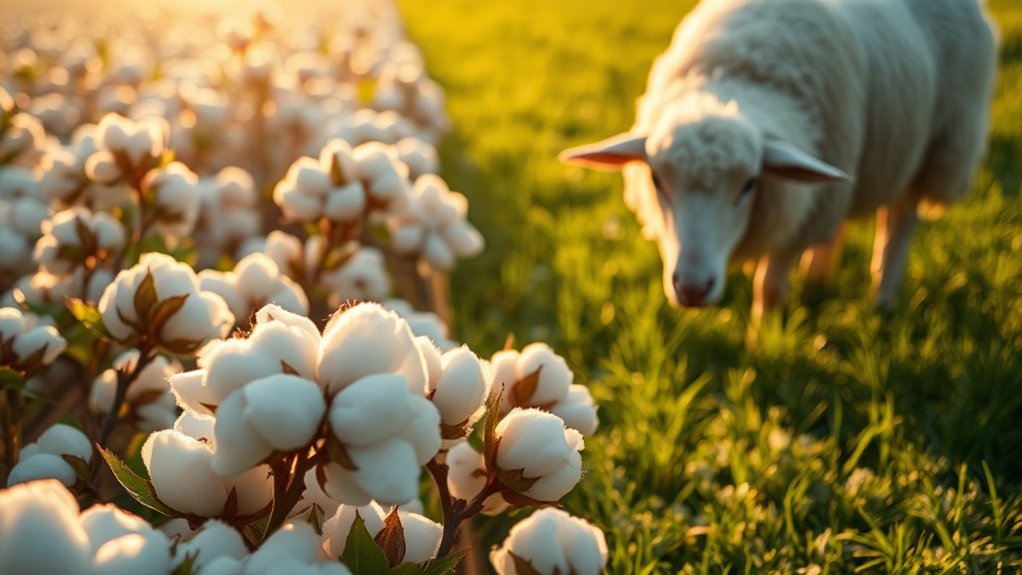
Because natural fibers come directly from plants and animals, their sourcing involves specific agricultural and farming practices you might not have considered before. Regarding cotton, farmers grow the plants in fields, carefully managing soil health through sustainable farming techniques that reduce chemical use and conserve water.
Once the cotton bolls mature, workers harvest them, ensuring the fibers remain clean and strong. Wool comes from sheep raised on farms where animal welfare is a priority, and grazing practices support land regeneration.
You’ll find many producers now embracing organic dyes in the initial stages to minimize environmental impact. These dyes help keep the entire supply chain eco-friendly from fiber to fabric.
How Yarn Turns Fibers Into Fabric

After fibers like cotton and wool are carefully sourced, the next step is turning them into yarn, which forms the foundation of fabric. You start by cleaning and aligning the fibers, then spinning them into long, continuous threads.
Fiber blending plays a key role here. By mixing different natural fibers, you can create yarns with unique textures, strengths, and appearances. Once spun, the yarn might undergo dyeing techniques to add color before weaving or knitting.
Dyeing at the yarn stage guarantees vibrant, consistent hues that penetrate deeply, unlike fabric dyeing which sits on the surface. After dyeing, you can weave or knit the yarn into fabric, where the yarn’s strength and texture directly affect the final material’s quality.
Synthetic Fabrics: What They Are and How They’re Made
Although natural fibers like cotton and wool have been used for centuries, synthetic fabrics offer unique advantages that you might find useful. These fabrics are made from man-made fibers like polyester, nylon, and acrylic, created through chemical processes that transform petrochemicals into long polymer chains.
You’ll find synthetic fabrics are durable, wrinkle-resistant, and often cheaper to produce, making them popular in everyday clothing and industrial applications.
Recent sustainable innovations have improved synthetic fabric production by reducing environmental impact. For example, advances in textile recycling allow manufacturers to repurpose plastic waste into new fibers, cutting down on landfill and resource use.
When you choose synthetic fabrics made from recycled materials, you help support a circular economy that promotes sustainability. Understanding how these fabrics are made can help you make informed choices about your clothing and textile purchases, balancing performance, cost, and environmental responsibility.
How Weaving, Knitting, and Bonding Make Different Fabrics
When you investigate how fabrics come to life, you’ll see that weaving, knitting, and bonding are the key methods manufacturers use to transform fibers into textiles. Each method produces distinct fabric types with unique textures and strengths.
Weaving, knitting, and bonding transform fibers into textiles with unique textures and strengths.
Weaving interlaces threads at right angles, a practice rooted in historical textile techniques that shaped many cultures. Knitting loops yarns together, creating stretchier fabrics often used in clothing. Bonding, a more modern approach, fuses fibers using adhesives or heat, producing nonwoven textiles ideal for industrial or medical uses.
These methods don’t just create fabric; they carry cultural fabric significance, reflecting traditions and innovations worldwide. By understanding how these processes differ, you appreciate the craftsmanship behind your clothes and home textiles.
Each technique offers specific advantages, influencing fabric durability, flexibility, and appearance. So, when you feel the texture of a fabric, you’re touching a product of centuries-old techniques combined with contemporary technology, woven deeply into the fabric of human history and culture.
How Weaving Creates Fabric on a Loom
Among the methods that turn fibers into fabric, weaving stands out for its structured approach. When you use a loom, you interlace two sets of yarns: the warp (lengthwise threads) held tight, and the weft (crosswise threads) woven through them. This process creates a strong, stable fabric that can be plain or intricate, depending on the pattern you choose.
As you weave, you control the density and texture, influencing how the fabric feels and behaves. Once woven, fabrics often undergo dyeing techniques to add color and personality. These techniques can improve the fabric’s look and emphasize cultural fabric symbolism, conveying identity or tradition.
How Knitting Works and What Makes Knitted Fabrics Unique
How does knitting transform simple yarn into soft, stretchy fabric? When you use knitting techniques, you create a series of interlocking loops from a single yarn strand. Unlike weaving, which crosses threads at right angles, knitting loops yarn continuously, giving the fabric its unique stretch.
This looped structure enhances yarn elasticity, allowing knitted fabrics to flex and recover their shape easily. As you knit, the fabric’s flexibility adapts to movement, making it perfect for garments like sweaters, socks, and activewear.
Different knitting techniques, such as weft or warp knitting, alter the fabric’s texture and strength. By adjusting stitch patterns and yarn type, you control the fabric’s thickness, breathability, and stretch.
In short, knitting turns yarn into fabric by looping rather than interlacing, relying heavily on yarn elasticity to produce comfortable, form-fitting textiles that stand out from woven counterparts.
When and Why Bonded Fabrics Are Used
While knitting relies on loops to create stretch and comfort, bonded fabrics take a different approach by fusing layers in addition to stitching or weaving. You’ll often see bonded fabrics used when durability and strength matter, like in outerwear, upholstery, and industrial textiles.
Bonded fabrics fuse layers for strength and durability, ideal for outerwear, upholstery, and industrial uses.
Their application benefits include improved stability and resistance to wear, making them ideal for products that face frequent stress or harsh conditions. If you want fabrics that combine different textures or properties, bonding layers lets you do exactly that without adding bulk.
This technique also helps reduce fraying and increases fabric lifespan, which is a big plus for both manufacturers and users. So, when your project demands toughness, structure, or a unique blend of materials, bonded fabrics offer a smart, efficient solution that knitting or weaving alone can’t always provide.
Understanding these benefits helps you choose the right fabric type for your specific needs.
Key Fabric Finishing Techniques That Enhance Texture and Durability
Though the raw construction of a fabric lays the foundation, finishing techniques truly bring out its best qualities. When you handle fabrics, you’ll notice how dyeing techniques add vibrant, lasting color that *improves* appearance without compromising strength.
These methods *guarantee* the fabric holds color evenly and resists fading, so your textiles look fresh longer. Fabric softening is another key finishing process you’ll appreciate. It *refines* the texture, making materials feel smoother and more comfortable against your skin.
This step also *amplifies* flexibility, reducing stiffness and improving drape. *Moreover*, finishes like calendaring or heat-setting can boost durability by strengthening fibers and preventing shrinkage or distortion.
How Knowing Fabric Types Helps You Choose Better Textiles
Knowing fabric types helps you pick textiles that last, feel comfortable, and suit your lifestyle. You’ll get a good sense of how durable a fabric is and how breathable it feels against your skin. Plus, you’ll know exactly what care each fabric needs to keep it looking great for longer.
Fabric Durability Matters
When you choose a fabric, its durability plays a crucial role in how well it will hold up over time. Understanding fabric durability helps you select textiles that withstand daily wear and tear without losing their shape or color.
Thanks to fabric innovation, manufacturers now create stronger, longer-lasting textiles that meet modern demands. Sustainable textiles also focus on durability, ensuring products not only reduce environmental impact but also last longer, minimizing waste.
By knowing the durability of different fabric types, you can make smarter choices for your wardrobe or home, investing in materials that stay intact through frequent use. This knowledge saves you money and supports sustainability by reducing the need for frequent replacements.
Prioritize durable fabrics to enjoy quality and eco-friendly benefits.
Comfort and Breathability
Durability keeps your fabric looking good longer, but comfort and breathability determine how it feels against your skin. When choosing textiles, understanding fabric types helps you pick options that keep you comfortable all day.
Natural fibers like cotton and linen excel in breathability, letting air flow freely and reducing sweat buildup. Meanwhile, advancements in eco friendly innovations have led to breathable synthetic blends that don’t sacrifice comfort.
Sustainable sourcing also plays a role, ensuring the fabrics you choose promote responsible farming and reduce environmental impact. By prioritizing comfort and breathability alongside sustainability, you’ll enjoy textiles that feel great and support a healthier planet.
Knowing these factors empowers you to make smarter, more comfortable fabric choices every time.
Care and Maintenance
How do you keep your fabrics looking their best over time? Understanding the historical evolution of different textiles helps you care for them properly. For instance, natural fibers like cotton and wool need gentle washing and air drying, while synthetics often tolerate machine cycles better.
Knowing these details ensures you avoid damage and extend your fabric’s life. Additionally, adopting sustainable practices like using eco-friendly detergents and washing in cold water reduces environmental impact.
Choosing fabrics based on their care requirements also means less waste, as you won’t discard garments prematurely due to poor maintenance. When you’re aware of fabric types and their origins, you make smarter choices that benefit both your wardrobe and the planet.
Frequently Asked Questions
How Do Environmental Factors Affect Fabric Production?
Imagine a cotton field under a blazing sun or heavy rain. It’s those environmental factors that shape fabric production. You’ll see how droughts or floods can disrupt crop growth, increasing the environmental impact.
But by adopting sustainable practices like organic farming and water recycling, you can reduce harm and create eco-friendly fabrics. So, the environment directly influences not just how fabrics grow but how responsibly they’re made for your wardrobe.
What Are the Health Risks of Synthetic Fabrics?
You face health risks from synthetic fibers mainly due to chemical exposure during production and wear. These fabrics can release harmful substances like formaldehyde and volatile organic compounds, which might irritate your skin or respiratory system.
Prolonged contact or inhalation may cause allergic reactions or worsen asthma. To protect yourself, choose breathable, natural alternatives when possible, and wash synthetic garments before wearing to reduce chemical residues.
How Is Fabric Recycling Done?
You recycle fabric by sorting textiles through various recycling processes like mechanical shredding or chemical treatment. These methods break down old materials into fibers that can be reused for new products, supporting material sustainability.
When you participate in fabric recycling, you help reduce waste and conserve resources, making the fashion industry greener. Always check local recycling guidelines to know how to properly recycle different types of fabrics.
What Innovations Are Emerging in Fabric Technology?
You’ll find emerging innovations like sustainable fibers made from algae, bamboo, and recycled plastics transforming fabric tech. These materials reduce environmental impact and offer durability.
Smart textiles are another breakthrough. They embed sensors or conductive fibers into fabric, letting you track health metrics or regulate temperature. These advances not only make fabrics more eco-friendly but also interactive, pushing the boundaries of what clothing and textiles can do for you every day.
How Do Cultural Traditions Influence Fabric Patterns?
You know the saying, “Clothes make the man”? Traditional motifs in fabric patterns reveal cultural symbolism, telling stories and preserving heritage.
When you wear or create these patterns, you connect with history and identity, often passed down through generations. These designs aren’t just decorative; they carry meaning, beliefs, and values unique to each culture, influencing how you see and express yourself through fabric.
Conclusion
Now that you know how fabrics come to life from cotton fields to high-tech synthetics, you’re better equipped to pick the perfect textile for any need. Whether you’re weaving a tapestry worthy of a Renaissance castle or just choosing a comfy shirt, understanding these processes makes all the difference.
So next time you shop, remember fabric isn’t just cloth. It’s a blend of history, science, and art working just for you. Understanding fabrics helps you appreciate the story behind every thread.