What Is Silk Fabric and How to Identify It
If you’ve ever bought a silk garment only to wonder if it’s real or just a cheap imitation, you’re not alone. Many people struggle with identifying genuine silk fabric, especially since fakes can look surprisingly similar. Understanding how to spot authentic silk can save you money and ensure you enjoy the luxury and comfort that only real silk provides. What is silk fabric.
Silk fabric comes from silkworms spinning fine filaments that get woven into smooth, shimmering cloth known for its natural sheen and soft, breathable feel. You can identify real silk by its cool touch that warms quickly, gentle whispering sound when rubbed, and rich, vibrant colors with slight texture.
Unlike synthetics, silk smells like burnt hair when burned and leaves powdery ash. Keep exploring to uncover more about its care, benefits, and spotting fakes.
Key Takeaways
- Silk fabric is a natural fiber made from silkworms’ fine filaments. It’s known for its softness, sheen, and luxurious texture.
- It has a natural sheen that changes with light and feels smooth, soft, and slightly textured. This is quite different from slick synthetic fabrics.
- Genuine silk produces a gentle whispering sound when rubbed. It warms quickly to your skin but feels cool at first.
- The burn test helps identify real silk: it smells like burnt hair and leaves powdery ash. In contrast, synthetics melt and smell like plastic.
- Authentic silk has an irregular slub texture and deep, vibrant dyeing. This sets it apart from common imitations like polyester and rayon.
What Is Silk Fabric and Where Does It Come From
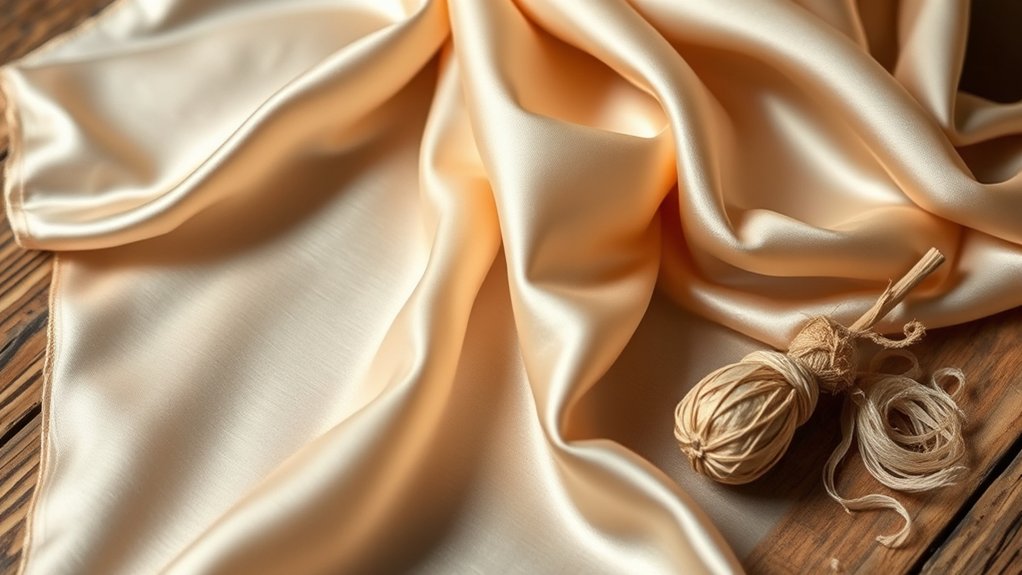
Although you might see silk in many forms, it all starts with the silkworm. This tiny creature spins a fine filament that becomes the foundation of silk fabric. Understanding silk history helps you appreciate how this natural fiber has been treasured for centuries, especially in Asia where silk weaving first flourished.
When you look at silk fabric, you’re not just seeing a smooth, lustrous material. You’re witnessing a craft refined over thousands of years.
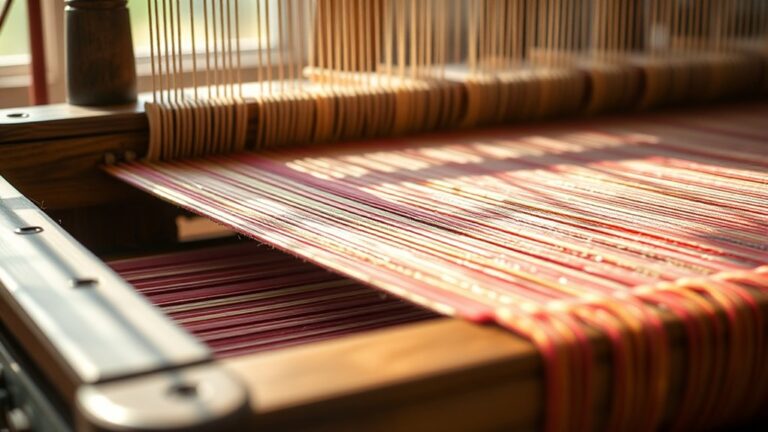
Silk weaving transformed raw silk threads into intricate patterns, making fabrics that symbolized luxury and status. You’ll notice silk’s unique texture and sheen come from the way these threads are woven.
How Silk Fabric Is Made: From Silkworm to Fabric
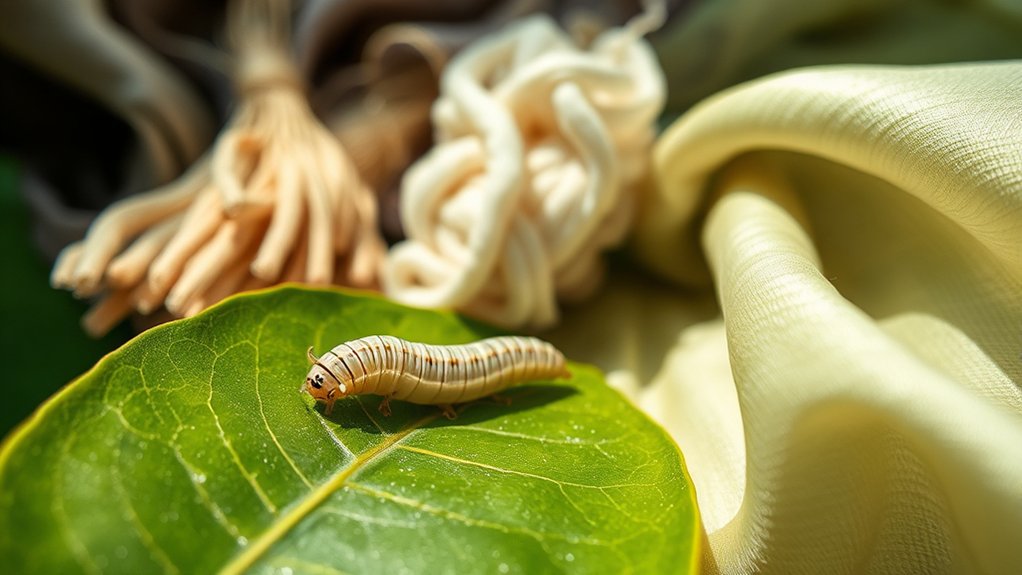
When you follow the journey of silk from silkworm to fabric, you’ll see how delicate care and skilled craftsmanship transform tiny filaments into luxurious material. Silk production begins on a silk farm, where silkworms feast on mulberry leaves, spinning fine cocoons. Once harvested, these cocoons undergo a careful process to extract silk threads without damaging their strength and luster.
You’ll appreciate the meticulous steps involved:
- Rearing silkworms with patience and attention to detail
- Harvesting cocoons at just the right time
- Boiling cocoons gently to loosen silk fibers
- Reeling long, continuous silk strands carefully
- Weaving threads into smooth, shimmering fabric
Each stage demands precision, reflecting nature’s elegance and human skill. Knowing this journey helps you value silk’s unique beauty and the dedication behind every yard of fabric you touch.
How to Tell Real Silk Fabric From Synthetic Fakes
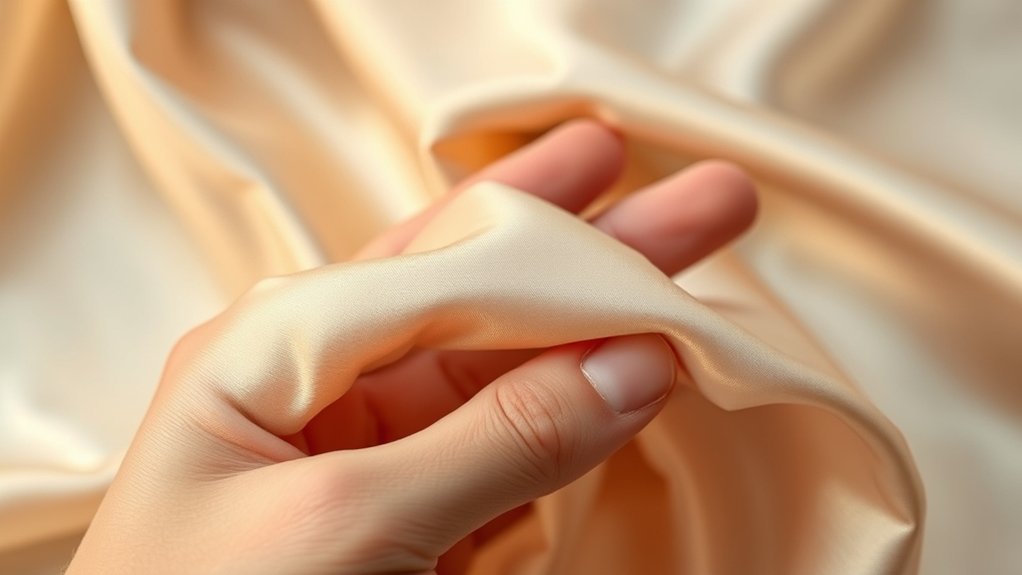
You can tell real silk from synthetic fakes by paying close attention to the texture and feel of the fabric. It should feel smooth and soft, not slick or plastic-like. Another quick way to check is the burn test. Real silk burns slowly and smells like burnt hair, while synthetics melt and smell like plastic. These simple checks can really help you spot genuine silk with confidence.
Texture And Feel
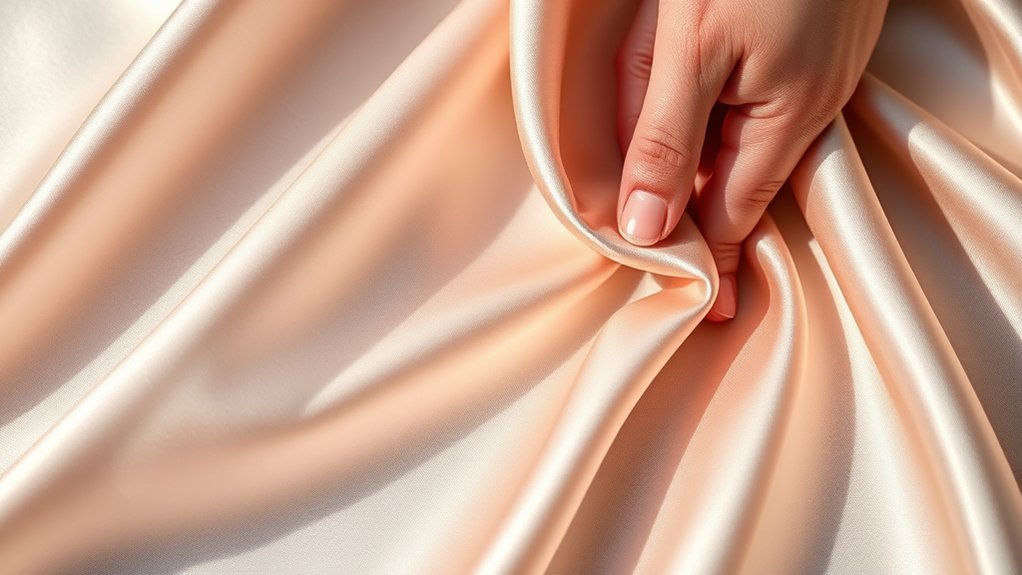
How can you tell if silk fabric is genuine just by touch? Real silk has a unique texture and feel that synthetic fakes can’t easily mimic. Thanks to traditional silk weaving and dyeing techniques, authentic silk feels smooth yet slightly textured, with a natural sheen that catches the light beautifully.
When you run your fingers over silk, you might notice a cool, soft sensation that warms quickly to your skin. There’s also a subtle, irregular slub texture from natural fibers. It’s a lightweight yet strong fabric that drapes elegantly.
You may hear a gentle, almost silky whisper sound when it’s rubbed. Plus, the color is vibrant and deep, thanks to expert dyeing techniques. These tactile clues help you distinguish real silk from synthetic imitations without needing complex tests.
Burn Test Differences
Although it might seem risky, performing a burn test can quickly reveal whether silk fabric is genuine or synthetic. When you carefully burn a small edge of the fabric, real silk from the silk industry smells like burnt hair and leaves a brittle, black ash.
In contrast, synthetic silk fakes melt, emit a chemical or plastic odor, and form hard, sticky beads. This test is especially useful after silk dyeing, which can sometimes mask the natural fiber’s look and feel.
Before you try it, verify you’re in a safe, well-ventilated area and use tweezers to hold the fabric. By understanding these burn test differences, you can confidently spot authentic silk and avoid imitations that might compromise quality or comfort.
Simple Tests to Spot Real Silk Fabric at Home
You can quickly check if your silk is real by doing a simple burn test and paying attention to its texture and sheen. Real silk feels smooth but a bit rough to the touch, with a natural shine that shifts when you look at it from different angles. These easy tests you can do at home make it simple to spot genuine silk—no special tools needed.
Burn Test Method
Wondering how to quickly tell if your fabric is genuine silk? The burn test method offers a straightforward way to check. Since silk production involves natural protein fibers, the fabric reacts distinctly to fire compared to synthetics.
Here’s how to do it safely: Cut a small, inconspicuous fabric piece. Use tweezers to hold it over a non-flammable surface. Light it with a match or lighter. Observe the smell: real silk smells like burnt hair due to its protein content. Check the ash: genuine silk leaves soft, powdery ash that crushes easily.
Keep in mind, silk dyeing techniques don’t affect this test’s outcome. This simple burn test helps you distinguish real silk from imitations confidently without needing fancy tools.
Texture And Sheen
When you run your fingers over genuine silk, you’ll notice a distinctly smooth yet slightly textured feel that sets it apart from synthetic fabrics. This unique texture results from traditional silk weaving techniques, which create fine, irregular patterns you can often feel.
Real silk also boasts a natural sheen that shifts subtly under light, unlike the uniform shine of artificial fibers. This luster comes from the triangular prism-like structure of silk fibers, enhancing how light refracts on its surface.
Furthermore, silk dyeing on authentic silk appears rich and deep because the fibers absorb dye differently than synthetics. To spot real silk at home, focus on this combination of tactile texture and ever-changing sheen. It’s a simple, effective way to identify genuine silk fabric without special tools.
Common Silk Fabric Imitations and How to Spot Them
Although genuine silk has a distinct texture and sheen, many fabrics mimic its appearance to offer cheaper alternatives. These imitations often lack the subtle depth achieved through traditional silk dyeing and weaving techniques. To avoid disappointment, you need to spot the differences quickly.
Here are common silk fabric imitations and how to identify them:
- Polyester satin: Shiny but feels slick and less breathable.
- Rayon: Soft, but lacks silk’s natural elasticity and cool touch.
- Nylon: Often stiff with an unnatural shine.
- Acetate: Has a duller finish and wrinkles easily.
- Cotton blends: Look matte and lack the fluid drape of silk.
Why Does Real Silk Fabric Feel So Soft and Luxurious?
Spotting fake silk is important, but understanding why real silk feels so soft and luxurious helps you appreciate its unique qualities even more. Silk’s softness comes from its natural protein fibers produced by silkworms during silk production. These fibers have a triangular prism-like structure that reflects light, giving silk its characteristic sheen and smooth texture.
When you touch real silk, you’ll notice how it glides effortlessly over your skin, unlike synthetic fabrics that can feel rough or plasticky.
Furthermore, ethical sourcing plays a key role in maintaining silk’s quality. When silk is harvested responsibly without harming silkworms, the fibers remain intact and strong, contributing to its delicate feel.
Knowing that your silk comes from ethical sources adds value beyond the touch. It makes you appreciate its craftsmanship and care.
Benefits of Choosing Real Silk Fabric Over Alternatives
When you choose real silk, you’re getting natural breathability that keeps you comfortable all day. Plus, it’s super durable, so your silk pieces will last much longer than synthetic alternatives. Knowing these benefits makes it easier to pick the right fabric for you.
Natural Breathability and Comfort
Because silk fibers naturally regulate temperature, you’ll stay comfortable whether it’s warm or cool. Real silk’s breathability comes from its unique protein structure, allowing air to flow freely and moisture to evaporate quickly. When you choose silk, you get benefits boosted by expert silk weaving and vibrant silk dyeing, which keep the fabric soft and breathable.
You’ll love how real silk feels lightweight and airy against your skin. It absorbs moisture without feeling damp and keeps you cool in heat and warm in chill. Plus, it offers a smooth, soothing touch all day and retains breathability even after silk dyeing.
This natural comfort sets silk apart from synthetic alternatives, making your wardrobe feel luxurious and breathable.
Durability and Longevity Benefits
Although silk feels delicate, it offers remarkable durability that outlasts many synthetic fabrics. When you choose real silk, you benefit from centuries-old silk weaving techniques that create strong, tightly woven fibers resistant to wear and tear.
This craftsmanship ensures your silk garments or home textiles maintain their shape and texture over time. Furthermore, silk dyeing processes improve color retention without compromising the fabric’s integrity, so your silk stays vibrant even after multiple washes.
Unlike cheaper alternatives, genuine silk adapts to your lifestyle, combining strength with elegance. By investing in authentic silk, you enjoy long-lasting beauty and resilience, making it a smart choice for those who want both luxury and durability in their fabric selection.
When Should You Avoid Wearing Silk Fabric?
If you plan to attend an outdoor event on a rainy day, you should steer clear of silk fabric. Despite its luxurious feel and rich history, silk isn’t suited for wet or rough conditions. Water stains easily damage its delicate fibers, and the ecological impact of replacing ruined silk can weigh heavily on the environment.
You should also avoid silk when you expect heavy perspiration, which can weaken silk threads. Or if you’re in a highly abrasive environment because silk tears easily.
Also, skip silk if you’ll be exposed to direct sunlight for long periods since it fades quickly. And if you need something extremely durable for physical activities, silk isn’t the best choice.
Finally, avoid silk when you’re dealing with stains or substances that are hard to remove from the fabric.
How to Care for Silk Fabric to Keep It Beautiful
To keep silk fabric looking its best, you’ll need to handle it with care and attention. Avoid harsh detergents and opt for gentle hand washing with cold water. When dealing with silk dyeing, protect colors by washing separately and avoiding prolonged sun exposure.
For silk embroidery, treat the delicate stitches gently to prevent damage.
Here’s a quick care guide:
| Care Aspect | Tips |
|---|---|
| Washing | Hand wash cold, use mild detergent |
| Drying | Air dry flat, away from direct sunlight |
| Ironing | Use low heat, iron inside out |
| Storage | Store in breathable bags, avoid plastic |
Where to Buy Authentic Silk Fabric: Trusted Tips and Sources
When searching for authentic silk fabric, you’ll want to focus on reputable sources that guarantee quality and origin. Look for sellers who specialize in natural silk and offer transparency about their products. Authentic silk often features exquisite silk dyeing and silk embroidery, which can be a helpful indicator of genuine craftsmanship.
Focus on reputable sellers specializing in natural silk with transparent sourcing and exquisite dyeing or embroidery craftsmanship.
Here are trusted tips and sources to find authentic silk fabric:
- Visit established textile markets known for high-quality silk.
- Investigate artisan boutiques that highlight traditional silk dyeing techniques.
- Check online platforms with verified reviews and seller certifications.
- Consult brands that emphasize sustainable and traceable silk production.
- Attend silk fairs or expos where you can examine fabric firsthand.
Frequently Asked Questions
Can Silk Fabric Cause Allergies or Skin Irritation?
Yes, silk fabric can cause skin irritation or trigger silk allergies in some people, though it’s rare. If you have sensitive skin or a history of textile allergies, you might notice redness, itching, or a rash after wearing silk.
You should test a small patch first to see how your skin reacts. If irritation occurs, avoid silk and opt for hypoallergenic fabrics instead to keep your skin comfortable and healthy.
How Does Silk Fabric Impact the Environment Compared to Other Fabrics?
You know what they say: “You reap what you sow.” Silk fabric often involves sustainable production, especially when sourced from responsible sericulture practices. Compared to synthetic fibers, it’s more eco friendly, using less water and chemicals.
However, it’s not as low-impact as organic cotton or hemp. If you want truly eco friendly alternatives, consider those fabrics, since silk still requires mulberry cultivation and energy for processing, which impacts the environment.
What Are the Most Popular Colors and Patterns in Silk Fabric?
You’ll find that the most popular color trends in silk fabric include rich jewel tones like emerald, sapphire, and ruby, alongside classic neutrals such as ivory and champagne.
As for pattern varieties, florals, paisleys, and intricate geometric designs dominate. You can also spot bold animal prints and delicate hand-painted motifs. These vibrant colors and diverse patterns make silk a favorite for both timeless elegance and contemporary style.
Can Silk Fabric Be Dyed or Printed at Home?
Yes, you can dye or print silk fabric at home, but it’s not as simple as tossing cotton in the washer. Dyeing techniques like acid dyes or fiber-reactive dyes work best.
Printing methods such as block printing or screen printing can create stunning designs. Just remember, silk’s delicate nature demands gentle handling and precise temperature control, or you risk ruining its luxurious texture and vibrant colors.
How Long Does Silk Fabric Typically Last With Proper Care?
With proper care, silk fabric can last 10 to 15 years or even longer. You’ll want to follow care tips like gentle hand washing, avoiding direct sunlight, and storing it away from moisture to maintain its quality.
Longevity factors include how often you wear it and exposure to harsh conditions. If you treat your silk gently and keep it clean, you’ll enjoy its luxurious feel for many years.
Conclusion
Now that you know how to spot real silk and care for it, you’re ready to make silk a staple in your wardrobe. Don’t let fake fabrics pull the wool over your eyes. Choosing authentic silk means enjoying its unmatched softness and elegance.
Just remember, silk requires a delicate touch, so handle it with care to keep it looking its best. With these tips, you’ll have the inside track on silk that truly shines. Embracing genuine silk fabric will elevate your style and ensure lasting quality.