What Is Poplin Fabric?
If you’ve ever struggled to find a fabric that’s both durable and comfortable, you’re not alone. Many people want textiles that look great, feel good, and stand up to daily wear without losing their shape or style. Finding the perfect fabric can be frustrating, especially when you’re aiming for something versatile enough for different uses.
Poplin fabric is a lightweight, plain-weave textile that gives you a crisp feel and a smooth, polished look. You’ll often find it in shirts, dresses, linings, and home décor because it’s breathable, durable, and easy to style.
Its tight weave helps it hold its shape, resist wear, and show prints clearly.
Depending on the fibers used, it can feel soft, structured, or wrinkle-resistant, and there’s more to know about why it works so well.
Key Takeaways
- Poplin is a lightweight, plain-weave fabric with a smooth, crisp surface and polished look.
- It is made from cotton, polyester, silk, wool, or blends, depending on the desired feel and performance.
- Poplin is breathable, durable, and slightly structured, which makes it comfortable for everyday wear.
- You’ll often find it used for shirts, dresses, skirts, linings, and other tailored garments.
- It also works well for home décor items like curtains, pillow covers, and table linens.
What Is Poplin Fabric?

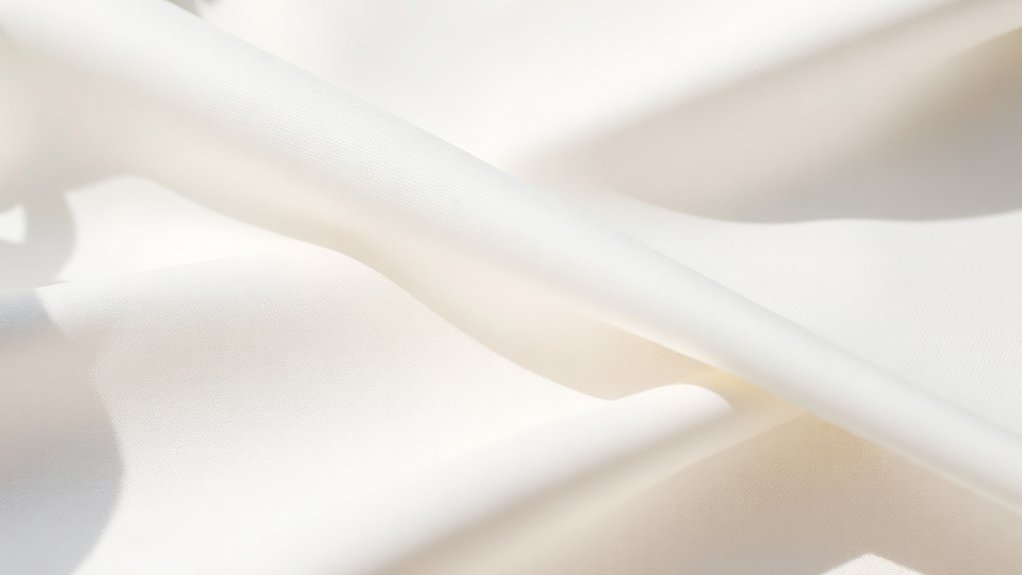
Poplin fabric is a lightweight, plain-weave textile known for its crisp feel and smooth finish. You’ll notice its tight weave creates a clean surface that works well for shirts, dresses, and linings.
Poplin’s tight weave creates a crisp, smooth finish, making it ideal for shirts, dresses, and linings.
When you compare fabric types, poplin stands out because it balances structure with comfort. So, you can wear it in both casual and polished looks.
Its textile properties include breathability, durability, and a soft drape. These qualities help it feel pleasant against your skin while still holding its shape.
You can find poplin in cotton, polyester, or blended versions, and each one changes the hand and performance slightly. If you want a fabric that looks neat without feeling stiff, poplin gives you that middle ground.
It’s versatile, easy to style, and often chosen when you need a refined appearance with everyday practicality.
How Is Poplin Fabric Made?

You’ll see poplin fabric start with careful yarn preparation, where fibers are spun and readied for weaving. After that, the yarn goes into a plain weave construction, which gives poplin its smooth, durable surface. Then, mills finish and treat the fabric to improve its feel, appearance, and performance.
Yarn Preparation Process
Before weaving begins, manufacturers prepare the yarn so poplin can achieve its smooth, crisp finish and signature fine-ribbed texture. You’ll see careful selection of yarn types because fiber length, strength, and fineness affect feel and drape.
Makers then choose spinning techniques that control twist, evenness, and surface smoothness. This helps the cloth stay tidy and resilient. During preparation, they also inspect yarn for knots, weak spots, and uneven tension since defects can show up in the final fabric.
- Cotton, polyester, or blends may be used
- Fine warp yarns often get higher twist
- Softer weft yarns balance structure
- Consistent tension supports uniform fabric quality
- Clean, well-prepared yarn reduces breakage
Plain Weave Construction
At the loom, the fabric’s structure takes shape through a simple plain weave: warp and weft yarns cross over and under one another in a tight, balanced pattern. You get poplin when this basic structure uses finer warp yarns and slightly thicker weft yarns, creating a subtle ribbed surface.
This plain weave gives you clear plain weave benefits: strength, stability, and a smooth hand that resists distortion. Because the interlacing is even, you’ll notice poplin characteristics like crispness, breathability, and a clean drape.
The weave also lets the fabric hold its shape well, so it works nicely for shirts, dresses, and other tailored garments. In short, the construction itself defines poplin’s practical appeal and everyday versatility.
Finishing And Treatment
After weaving, poplin often goes through finishing steps that refine its feel, appearance, and performance. You may see dyeing techniques applied before or after finishing, depending on the desired color depth and fabric balance. Makers then use finishing processes to smooth the surface, stabilize the weave, and improve handfeel.
These treatments can also boost wrinkle resistance, shrink control, and moisture management without changing poplin’s crisp character.
Mercerization can add sheen and strength.
Sanforization helps limit shrinkage.
Calendering can flatten and polish the cloth.
Prewashing softens the fabric.
Protective coatings may improve durability.
What Fibers Are Used in Poplin?
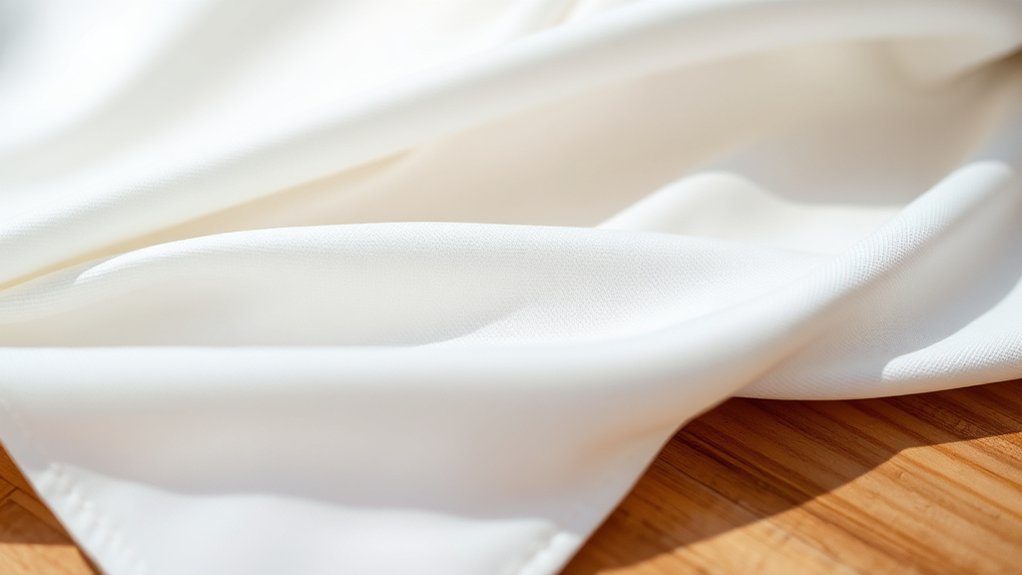
Poplin can be made from cotton, polyester, wool, silk, or blends of these fibers, and each one changes the fabric’s feel and performance. If you want a classic option, cotton poplin and cotton blends are common because they’re breathable and easy to care for.
When you need lower cost or wrinkle resistance, manufacturers often choose synthetic fibers like polyester or nylon. You’ll also find wool poplin for tailored garments and silk poplin for a smoother, more refined look. Blends let you balance strength, drape, and maintenance.
| Fiber | Common benefit |
|---|---|
| Cotton | Breathable, versatile |
| Polyester | Durable, low maintenance |
| Wool | Structured, warm |
| Silk | Lustrous, refined |
You should check the fiber content tag before you buy, since the fiber mix affects how the fabric handles washing, pressing, and daily wear.
What Poplin Fabric Feels Like
You’ll notice poplin feels smooth with a crisp hand that gives it a clean, polished touch. It’s lightweight yet structured, so it holds its shape without feeling stiff. Plus, the fabric feels cool and breathable against your skin, making it really comfortable in warmer weather.
Smooth, Crisp Hand Feel
A polished finish gives poplin its signature smooth, crisp hand feel. You’ll notice a smooth texture that glides against your skin, while the fabric keeps a neat, crisp appearance that feels refined rather than stiff. It doesn’t feel fuzzy or bulky; instead, it offers a clean touch that works well when you want polish without heaviness.
You feel a tidy surface with little visual or tactile disruption. You get a sharp, tailored sensation in your hands. You notice the cloth resists a limp, worn-in feel. You sense controlled structure without roughness. You experience comfort that still looks put together.
Lightweight Yet Structured
Even with its light weight, poplin still feels structured in your hands. You can hold it up and notice how it keeps its shape without seeming stiff or bulky. That balance gives you a fabric that works well when you want polish without extra weight.
It drapes neatly, but it doesn’t collapse, so your shirts, dresses, and skirts keep a clean outline. You get breathable durability that makes it practical for regular wear, and its controlled feel adds stylish versatility across casual and tailored looks.
Because it’s easy to handle, you can move from everyday outfits to sharper pieces without changing fabrics. Poplin gives you a crisp presence that feels dependable, refined, and comfortably light.
Cool Breathable Texture
That clean structure also shapes how poplin feels against your skin: cool, smooth, and pleasantly breathable. You’ll notice the fabric lets air move easily, so it doesn’t trap heat the way heavier weaves can. Its fine ribs give you a crisp hand without roughness, and that balance makes it comfortable for warm days or layered outfits.
Depending on fiber content, you may feel subtle texture variations, from cotton softness to a slightly silkier glide.
- Breathable benefits keep you cooler
- Smooth surface reduces cling
- Light drape feels easy and crisp
- Tight weave adds a polished touch
- Texture variations change the handfeel
How Does Poplin Compare to Other Cotton Weaves?
Compared with other cotton weaves, poplin stands out for its smooth surface, light weight, and crisp drape, so you’ll often find it used for shirts, blouses, and dresses. You’ll notice it feels finer than twill, which shows a diagonal line and usually feels denser.
It’s also less textured than oxford, so you get a cleaner look and a sleeker hand. Compared with broadcloth, poplin can feel a bit more structured, while still staying easy to wear.
These poplin characteristics help explain poplin versatility, since you can choose it for polished basics or simple everyday pieces. If you want a weave that looks neat without feeling heavy, poplin gives you that balance.
It doesn’t rely on bulky yarns or rough texture, so you get a fabric that feels streamlined and easy to style.
Why Poplin Works So Well for Clothing
Poplin’s smooth finish and crisp structure make it a natural choice for clothing because it holds its shape while still feeling light and comfortable. You get a fabric that looks polished without feeling stiff, so it works for shirts, dresses, skirts, and tailored pieces.
Its tight weave helps your clothes resist wear, giving you better style durability over time. Because poplin drapes cleanly, you can wear it for both relaxed outfits and more refined looks, boosting fashion versatility in your wardrobe.
It keeps seams and edges looking sharp. It feels breathable enough for daily wear. It layers well under jackets and sweaters. It holds color and print with clarity. It offers a clean look that stays reliable.
When you want clothing that balances structure, comfort, and adaptability, poplin delivers. It helps you look put in harmony with less effort and more consistency.
How Poplin Fabric Is Used in Home Décor
In home décor, poplin brings a clean, polished look to pieces like curtains, pillow covers, table linens, and lightweight upholstery accents. You can use it across many home textile applications because it drapes neatly, holds shape, and adds a crisp finish without feeling stiff.
If you want a room to feel fresh and tailored, poplin works well for roman shades, bed skirts, napkins, and decorative slipcovers. It also prints beautifully, so you can choose poplin patterns that echo your style, from subtle stripes to bold florals.
Since it’s smooth and lightweight, you can layer it with heavier fabrics to balance texture and softness. In your space, poplin helps tie colors together and keeps details looking intentional.
Poplin layers beautifully with heavier fabrics, balancing texture while tying colors together with a polished, intentional look.
Whether you prefer modern minimalism or classic charm, you’ll find poplin easy to adapt to your décor goals.
How to Care for Poplin Fabric
You can keep poplin looking crisp by washing it gently in cold water with a mild detergent. Then, let it air-dry or use a low heat setting so the fabric doesn’t shrink or lose its shape. If it wrinkles, just press it on a low to medium iron setting for a smooth finish.
Washing Poplin Gently
When washing poplin, use a gentle cycle with cool or lukewarm water to help protect the fabric’s smooth weave and crisp finish. Turn garments inside out before you wash them, and sort them with similar colors to reduce fading. Use a mild detergent, and skip fabric softener unless the care label says it’s safe, since it can coat fibers and dull poplin’s clean hand.
Close zippers and buttons first. Avoid overcrowding the washer. Treat stains before washing. Rinse thoroughly to remove detergent. Check the care label for special instructions.
If you hand wash, swish the fabric lightly instead of rubbing it hard. Treat poplin kindly, and it’ll keep its neat structure and polished look longer.
Drying And Ironing
After washing poplin gently, dry it with care to keep its smooth finish intact. You should shake out excess water, then hang the fabric or lay it flat on a clean towel. Choose drying techniques that limit wrinkling and keep the weave crisp.
Skip high heat, since it can weaken fibers and shrink the cloth. If you use a dryer, select the lowest setting and remove the item while it’s still slightly damp.
For ironing tips, press poplin on the wrong side with a medium heat setting. Use steam lightly, and move the iron in smooth strokes without lingering. If creases remain, mist the fabric first.
Let the garment cool fully before folding or wearing it, so it holds its shape and stays neat.
How to Choose the Right Poplin Fabric
Choosing the right poplin fabric starts with matching the weave’s characteristics to your project’s needs. You’ll want to balance drape, structure, and comfort so the fabric works the way you expect.
For shirts, dresses, and lightweight linings, look for smooth yarns and a crisp hand. If you’re selecting fabric for decor or tailored pieces, a firmer feel can help hold shape.
- Choosing Patterns that suit the weave’s clean surface
- Fabric Weight that matches the garment or project
- Color Selection for the look you want
- Print Options that stay sharp on the fabric
- Usage Versatility for pieces you can wear or use often
Test a swatch in natural light, feel the finish, and picture how it’ll perform after sewing. That way, you’ll choose poplin that fits your style and purpose without guesswork.
What to Know Before Buying Poplin Fabric
Before you buy poplin fabric, check the fiber content, weave density, and intended use so you know how it’ll feel, drape, and hold up. Cotton poplin usually breathes well and feels crisp, while polyester blends resist wrinkles and can cost less.
If you’re sewing shirts, dresses, or linings, compare fabric types so you pick the right weight and finish for the project. Hold the fabric up to light to judge opacity, and rub it between your fingers to test softness and recovery.
Good buying tips also include checking care labels, shrinkage rates, and whether the fabric needs prewashing. Ask for swatches when possible, because photos can hide texture or sheen.
If you want structure, choose a tighter weave. If you want more flow, choose a lighter one. A little checking now saves time, money, and frustration later.
Frequently Asked Questions
Is Poplin Fabric Eco-Friendly?
Poplin fabric can be eco-friendly, but you’ll need to check what it’s made from and how it’s produced. If you choose organic cotton, recycled fibers, or responsibly sourced blends, you’ll get better sustainability benefits.
You can also extend its life with simple fabric care, like washing cold and air drying. Still, conventional poplin may rely on intensive farming, dyes, or synthetics, so your choice matters.
Does Poplin Wrinkle Easily?
Yes, poplin can wrinkle, but it usually doesn’t crumple like a napkin in a windstorm. You’ll notice light creasing after sitting or packing it tightly. The smooth weave helps it look neat longer than many fabrics.
Poplin characteristics give you a crisp feel and fairly good wrinkle resistance. With smart poplin maintenance—like prompt hanging, gentle washing, and quick ironing—it stays looking sharp and polished.
Can Poplin Be Dyed at Home?
Yes, you can dye poplin at home if you choose the right dyeing techniques and follow careful steps. You’ll get better results with natural-fiber poplin than with synthetic blends, so check the label first.
Prewash the fabric, use hot water when required, and stir often for even color. After dyeing, rinse thoroughly and follow proper fabric care to keep the finish smooth and the color looking fresh longer.
Is Poplin Suitable for Summer Wear?
Yes, you can wear poplin in summer, and you’ll likely feel comfortable doing it. You might worry it’ll trap heat, but its breathable texture helps air move, while its lightweight feel keeps you from feeling weighed down.
You can choose poplin shirts, dresses, or shorts for warm days, and they’ll usually stay crisp without feeling heavy. If you want a polished look that won’t overheat you, poplin’s a smart pick.
Does Poplin Shrink After Washing?
Yes, poplin can shrink after washing if you use hot water or high heat drying. You can reduce shrinkage by following fabric care labels and using gentle washing tips: wash in cool water, choose a mild cycle, and air-dry or tumble dry low.
If you’ve got cotton poplin, expect a bit more shrinkage than blends. You’ll keep the fit better when you treat it carefully from the start.
Conclusion
So, when you choose poplin, you’re not just picking a fabric. You’re setting up a finish that can surprise you. Its crisp feel, smooth look, and easy care make it a smart choice for shirts, curtains, and more.
But the real appeal shows up when you touch it, drape it, and live with it. Before you buy, think about fiber, weave, and weight. You’ll find the poplin that’s waiting to do more than you expect.