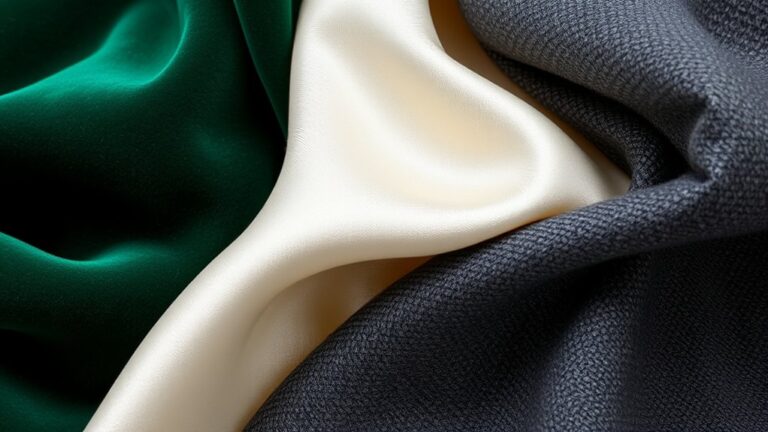
7 Best Fabrics for You to Tie Dye
Finding the perfect fabric for tie dye can be tricky, and you’re not alone if you’ve struggled with colors fading or designs not turning out as vibrant as you hoped. Many people want their tie dye projects to pop with bold, lasting hues but aren’t sure which materials work best.
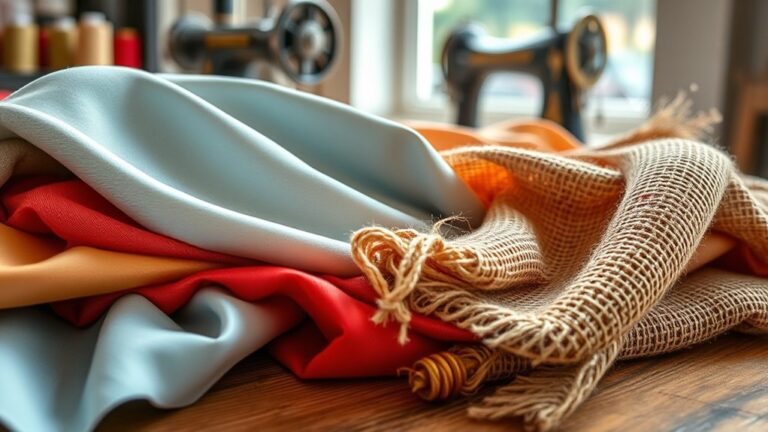
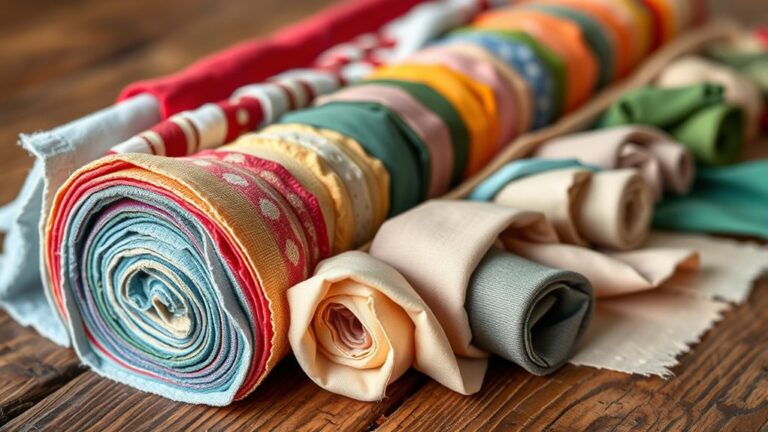
Choosing the right fabric is key to getting those stunning, colorful results that last wash after wash. You’ll get the best tie dye results by choosing natural fibers like cotton, which absorb vibrant colors and hold them after washes. Rayon and viscose offer soft, rich hues, while silk adds a shiny, luxurious finish. Linen gives you a durable, breathable option with a rustic look.
Even cotton-polyester blends work well, balancing color retention and fabric strength. Pick the right fabric and prep it well to make your colors pop. There’s much more to investigate about each fabric’s unique benefits.
Key Takeaways
- Natural fibers like cotton, linen, silk, rayon, and viscose absorb dye well. This produces vibrant, lasting tie dye results.
- Cotton is the most popular for tie dye due to its excellent dye absorption and durability through multiple washes.
- Linen offers a rustic look with strong dye absorption and durability. It does require proper care for color longevity.
- Silk provides a smooth, luminous finish. It reacts well with acid dyes for rich, radiant colors.
- Cotton-polyester blends balance vibrant dye uptake with enhanced durability and wrinkle resistance. They are suitable for sustainable tie dye projects.
Why Fabric Choice Makes All the Difference

Why does fabric choice make all the difference when tie dyeing? Because the fabric you pick directly impacts how well the dye absorbs and stays vibrant over time.
If you choose a fabric with poor dye fixation, the colors can fade quickly or bleed, ruining your design. When you select materials with strong fabric durability, your tie-dye project lasts longer without deteriorating after washing or wearing.
Natural fibers like cotton, for example, offer excellent dye fixation, ensuring that the colors sink deep into the fabric. Synthetic fabrics, on the other hand, often repel dye or hold it unevenly, leading to dull or patchy results.
Preparing Fabrics for Vibrant Tie Dye

How you prepare your fabric can make all the difference in achieving vibrant tie dye colors. Start by washing your fabric without fabric softener to remove any dirt or oils that interfere with dye absorption. Proper fabric care guarantees the dye bonds effectively during fixation.
Next, soak your fabric in a soda ash solution for about 15 minutes. This step raises the pH, enhancing dye fixation and resulting in brighter, longer-lasting colors. After soaking, wring out excess liquid before tying your fabric.
| Step | Purpose | Tips |
|---|---|---|
| Wash fabric | Remove residues | No fabric softener |
| Soda ash soak | Improve dye fixation | Use warm water, 15 min soak |
| Wring fabric | Prepare for tying | Damp, not dripping wet |
Following these steps sets the stage for vivid tie dye results by optimizing fabric readiness and dye fixation.
Cotton: Tie Dye’s Classic Fabric for Bright Colors

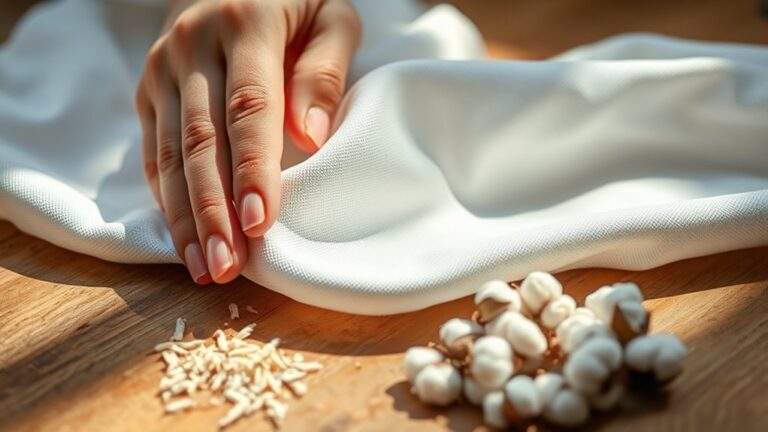
When you choose cotton for tie dye, you’ll notice just how brilliantly it soaks up colors. It’s really something that makes the whole dyeing process feel simple and rewarding. Plus, you get bright, bold results every single time.
You’ll also love how easy it is to work with cotton when you’re creating those vibrant designs. It just makes the whole experience way more enjoyable!
Vibrant Color Absorption
Cotton stands out as one of the best fabrics for tie dye because it absorbs vibrant colors effortlessly. When you work with cotton, you’ll notice how well it supports color blending, allowing shades to mix smoothly and create stunning gradients.
This natural fiber’s excellent absorption means your designs pop with bright, vivid hues that last. Plus, cotton’s fabric durability ensures your tie-dyed pieces hold up well over time, even after repeated washes. You won’t have to worry about colors fading quickly or fabric wearing thin.
Choosing cotton means you get a reliable canvas for your creativity, producing bold, lasting tie dye that keeps its vibrancy and shape wear after wear. It’s the perfect choice for eye-catching, durable tie dye.
Easy Dyeing Process
You’ll find that dyeing cotton is remarkably straightforward, making it the go-to fabric for both beginners and experts in tie dye. Cotton’s natural fibers absorb dye easily, which guarantees vibrant, long-lasting colors.
The fabric durability of cotton means it can handle multiple washings without losing its shape or strength, making your tie-dyed creations last. When you work with cotton, the dye colorfastness is impressive; your patterns stay sharp and vivid, resisting fading over time.
Plus, cotton’s breathability helps the dye set evenly, reducing blotches and uneven spots. Whether you’re using fiber-reactive dyes or other types, cotton’s forgiving nature simplifies the dyeing process. This ease of use, combined with its reliable results, makes cotton a classic choice for tie dye projects.
Rayon and Viscose: Soft Fabrics for Tie Dye
You’ll love how rayon and viscose feel buttery soft against your skin. They’re perfect choices for tie dye projects because they soak up dye beautifully. This means you get rich and vibrant colors every time. Plus, their smooth texture helps your designs come out crisp and clear.
Texture and Feel
How does it feel to wear a tie-dyed fabric that’s incredibly soft and breathable? When you choose rayon or viscose, you get exceptional fabric softness that feels gentle against your skin.
These materials offer a smooth texture variety, from silky to slightly crisp, giving you options depending on your project. Their lightweight nature makes them perfect for warm weather or layering.
You’ll notice the fabric drapes beautifully, enhancing the tie dye’s visual impact. Unlike rougher fibers, rayon and viscose won’t irritate, so you can enjoy your vibrant creations comfortably all day.
When selecting fabrics for your next tie-dye project, focusing on texture and feel guarantees you create wearable art that looks great and feels fantastic too.
Dye Absorption Quality
Rayon and viscose absorb dye exceptionally well, making them ideal for vibrant tie-dye projects. You’ll love how these soft fabrics take in color, but be mindful of colorfastness issues. They may fade faster than cotton.
Also, fabric weight considerations matter. Lighter weights absorb dye more quickly but can be delicate, while heavier weights offer durability but might require longer dye time.
| Factor | Impact on Tie Dye |
|---|---|
| Dye Absorption | High, vibrant colors |
| Colorfastness Issues | May fade, needs gentle care |
| Fabric Weight | Lighter = faster absorption; heavier = durable |
Choosing rayon or viscose means balancing bright, soft results with care for longevity and fabric handling.
Silk: Adding Luxurious Shine to Tie Dye
Silk stands out as one of the most elegant fabrics to tie dye, thanks to its smooth texture and natural sheen. When you choose silk, you’re working with a luxury textile that amplifies your design’s vibrancy and depth. The fabric texture allows dyes to soak in beautifully, creating bright, luminous colors that catch the light.
Here’s why silk is perfect for your tie dye projects:
- The smooth surface absorbs dye evenly, producing crisp patterns.
- Its natural sheen adds a luminous glow to your colors.
- Silk’s lightweight quality makes it comfortable and wearable.
- It reacts well with acid dyes, giving you more color options.
Keep in mind, silk requires gentle handling during dyeing and washing to preserve its shine and softness. If you want your tie dye to have a luxurious finish with rich, radiant colors, silk is a fantastic choice that elevates your work among luxury textiles.
Linen: Durable, Breathable Fabrics for Tie Dye
Linen offers three standout qualities that make it ideal for tie dye: durability, breathability, and texture. When you work with linen, you’ll notice it holds up well through multiple washes, thanks to its strong fibers. This durability means your vibrant tie dye designs last longer without fading or wearing out quickly.
Linen’s breathability keeps you comfortable in warm weather, making it perfect for summer garments. Its natural texture adds a unique, slightly rustic look to your tie dye projects, enhancing the overall aesthetic.
For the best results, focus on fabric care by washing linen items gently in cold water and avoiding harsh detergents. Proper dye fixation is also essential; you’ll want to set the dye with a fixative or heat treatment to guarantee colors stay bright. With these tips, you can enjoy beautiful, long-lasting tie dye on linen fabric that feels as good as it looks.
Tie Dye-Friendly Blends: Cotton-Polyester and More
While natural fabrics like linen offer great results for tie dye, blends can give you a unique combination of qualities that improve your project. Cotton-polyester blends, for example, combine cotton’s absorbency with polyester’s durability. This results in vibrant colors that last longer thanks to improved dye fastness. These blends also often improve fabric sustainability by reducing reliance on 100% synthetic fibers.
Cotton-polyester blends enhance tie dye with vibrant, lasting colors and greater fabric sustainability.
When choosing tie dye-friendly blends, consider these benefits:
- Balanced dye absorption for rich, lasting colors
- Increased durability and wrinkle resistance
- Improved moisture-wicking properties
- Reduced environmental impact through sustainable fabric sourcing
Keep in mind that polyester content may reduce dye uptake compared to pure cotton. So, using fiber-reactive dyes designed for blends helps achieve the best results. By selecting the right blend, you’ll enjoy the vibrancy of tie dye while supporting fabric sustainability and boosting your garment’s longevity.
Frequently Asked Questions
How Long Does Tie Dye Ink Take to Dry on Different Fabrics?
Tie dye ink drying time depends on fabric absorption. Natural fabrics like cotton absorb ink quickly, so they usually dry within 6 to 12 hours.
Synthetic fabrics, like polyester, absorb less, making drying slower, sometimes up to 24 hours or more. You’ll notice thinner fabrics with high absorption dry faster, while thicker ones take longer.
To speed things up, you can use a fan or hang your piece in a warm, well-ventilated area.
Can Tie Dye Techniques Damage Delicate Fabrics?
Yes, tie dye techniques can damage delicate fabrics because their fabric durability is lower, making them more prone to tearing or weakening during the dyeing process.
Coincidentally, the very dye penetration that creates vibrant patterns can stress fragile fibers, causing wear or holes. You’ll want to handle delicate materials gently and use milder dyes or techniques to preserve their integrity while still enjoying your creative designs.
What Are the Best Tie Dye Patterns for Beginners?
You’ll find spiral and bullseye patterns perfect for beginners since they’re simple yet striking. Focus on color blending to make your design pop and create smooth shifts between hues.
Also, practice pattern symmetry by folding fabric evenly before tying. It helps keep your design balanced and visually appealing. These techniques make your first tie dye projects rewarding and fun while giving you room to experiment and improve.
How Should Tie Dyed Fabrics Be Washed to Preserve Colors?
A stitch in time saves nine, so start by rinsing your tie-dyed fabric in cold water to remove excess dye. Use fabric preparation techniques like soaking in a vinegar and salt solution to set colors.
Wash it separately on a gentle cycle with cold water and mild detergent. Avoid bleach and harsh chemicals. Following these colorfastness tips guarantees your vibrant designs stay bright and fresh wash after wash.
Are There Eco-Friendly Dyes Suitable for Tie Dyeing?
Yes, you can definitely use eco-friendly dyes for tie dyeing! Natural dyes made from plants, fruits, and vegetables are a great choice if you want to avoid harsh chemicals. They give your fabric beautiful, earthy tones.
If you need more vibrant colors, there are also synthetic alternatives designed to be less harmful to the environment. You’ll enjoy experimenting with both while keeping your project eco-conscious and colorful!
Conclusion
Choosing the right fabric can make all the difference in your tie dye results. Whether you pick classic cotton for those vibrant colors or silky fabrics for a luxurious shine, you’ll see how material affects the final look.
So, why settle for less when you can create stunning designs with the best fabrics? Get ready to experiment, have fun, and watch your tie dye projects come to life like never before with the best fabrics for you to tie dye!