Types of Outdoor Fabric: A How-To Guide
Finding the perfect outdoor fabric can feel overwhelming, especially when you want something that lasts through sun, rain, and everyday wear. You’re not alone—many people struggle to pick the right material that balances durability, style, and budget.
Outdoor fabric is built to stand up to sun, rain, dirt, and daily wear, so you can use it for furniture, cushions, awnings, and covers.
For the best results, choose solution-dyed acrylic for fade resistance, polyester for budget-friendly versatility, or olefin for strength and quick drying.
Check UV, water, and mildew ratings, then match the fabric to your climate and care needs.
With a few smart choices, you’ll find the right fit and uncover even more useful tips.
Key Takeaways
- Outdoor fabric is designed to resist sun, moisture, dirt, and wear for patios, decks, cushions, awnings, and covers.
- Acrylic, polyester, and olefin are common furniture fabrics. They offer different balances of fade resistance, affordability, and durability.
- For cushions, choose solution-dyed acrylic, polyester blends, or vinyl-coated fabrics. These options provide weather resistance and are easy to maintain.
- For awnings, use woven acrylic or tightly woven solution-dyed polyester. Make sure the stitching is strong and the fabric weight is appropriate.
- Check UV, fade, and water resistance ratings. Then match your fabric choice to your climate and cleaning needs.
What Is Outdoor Fabric?
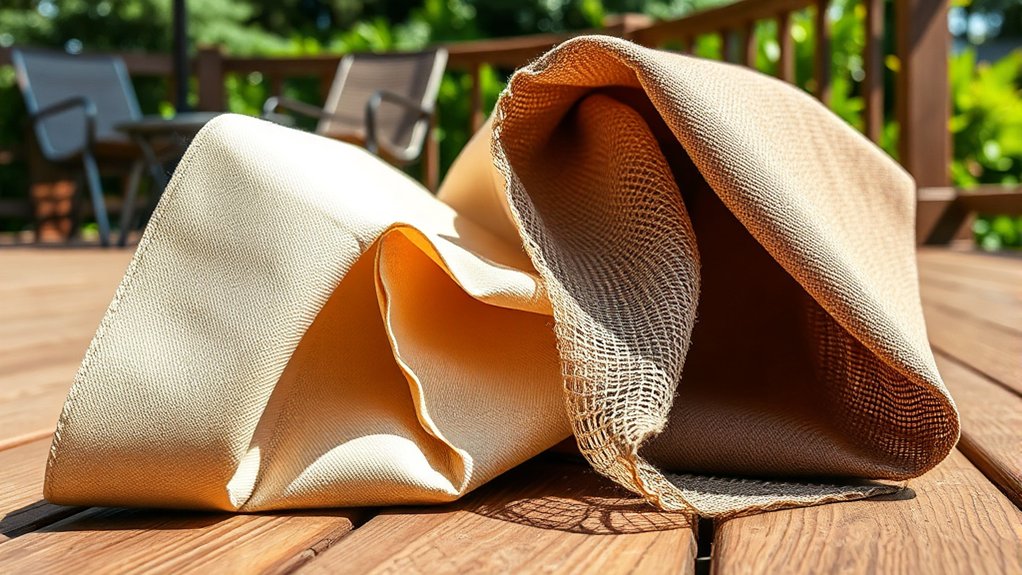
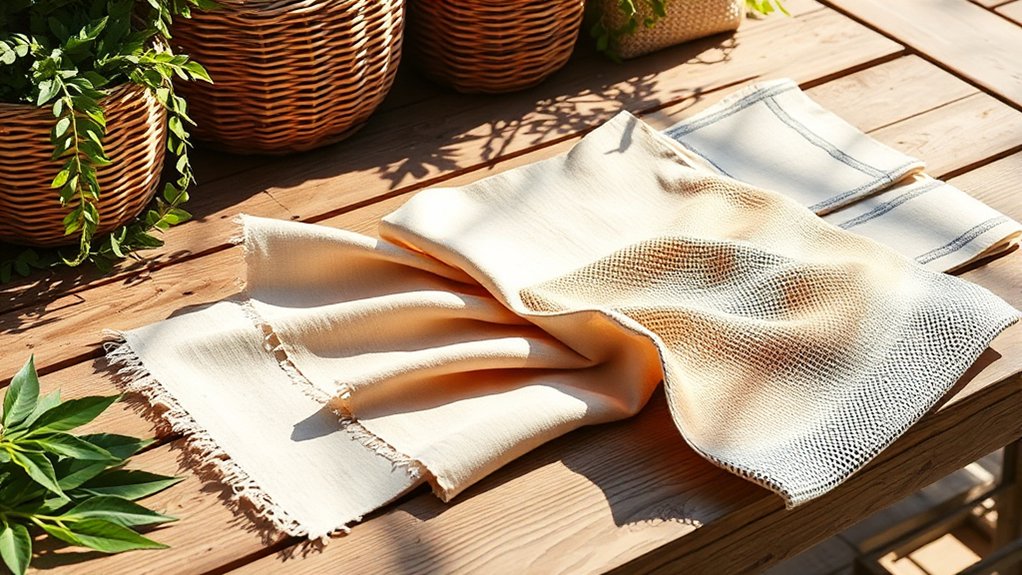
Outdoor fabric is a durable material made to handle sun, moisture, dirt, and regular wear better than standard indoor textiles. You use it when you need a surface that can stand up to changing weather and frequent cleaning without quickly fading or wearing out.
Unlike ordinary cloth, it’s built with added resistance that helps it last longer outdoors, so you can rely on it for patios, decks, and other exposed spaces. The main outdoor fabric benefits include better durability, easier maintenance, and stronger protection against the elements.
You’ll also find many outdoor fabric applications in cushions, umbrellas, awnings, covers, and decorative accents. Because it’s designed for outdoor use, it helps you keep spaces looking fresh while reducing the need for constant replacement.
When you choose it, you’re selecting a practical material that balances appearance, performance, and everyday resilience.
Best Outdoor Fabric Types for Furniture
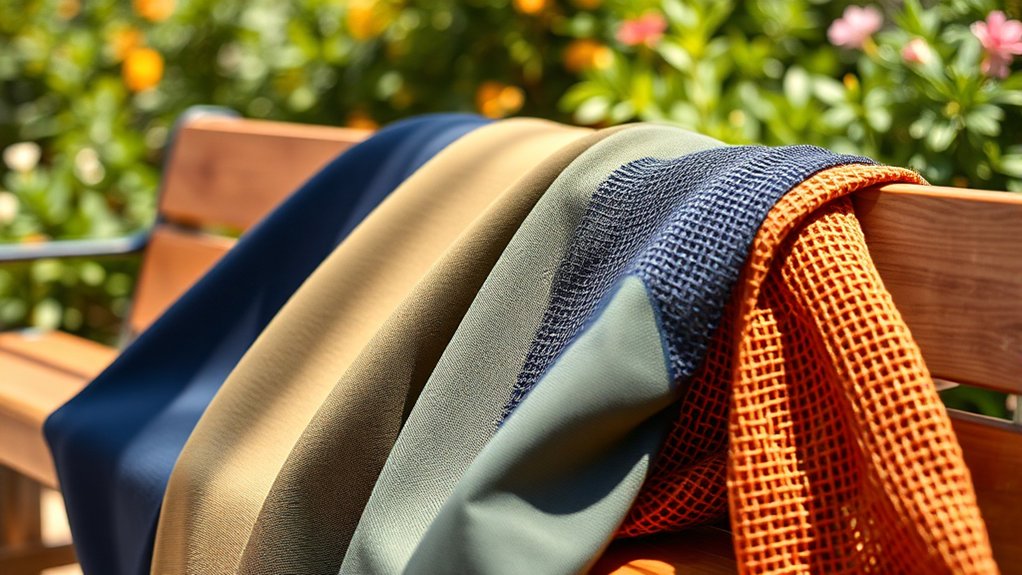
When you’re choosing fabric for patio chairs, sofas, or cushions, the material you pick has a big impact on comfort, durability, and upkeep. Acrylic is a top choice because it feels soft, resists fading, and comes in many color choices. So, you can match your outdoor style with ease.
Polyester with a protective coating also works well if you want a budget-friendly option that still handles daily use. For a natural look, solution-dyed olefin offers strength, quick drying, and dependable performance. It’s often found in sustainable fabrics too.
- Acrylic: best for comfort and vibrant style.
- Polyester: best for affordable, versatile furniture covers.
- Olefin: best for toughness and easy maintenance.
You should compare texture, weight, and cleaning needs before you buy. The right fabric keeps your furniture looking fresh and helps you enjoy your space longer.
How to Choose Sun-Resistant Fabric
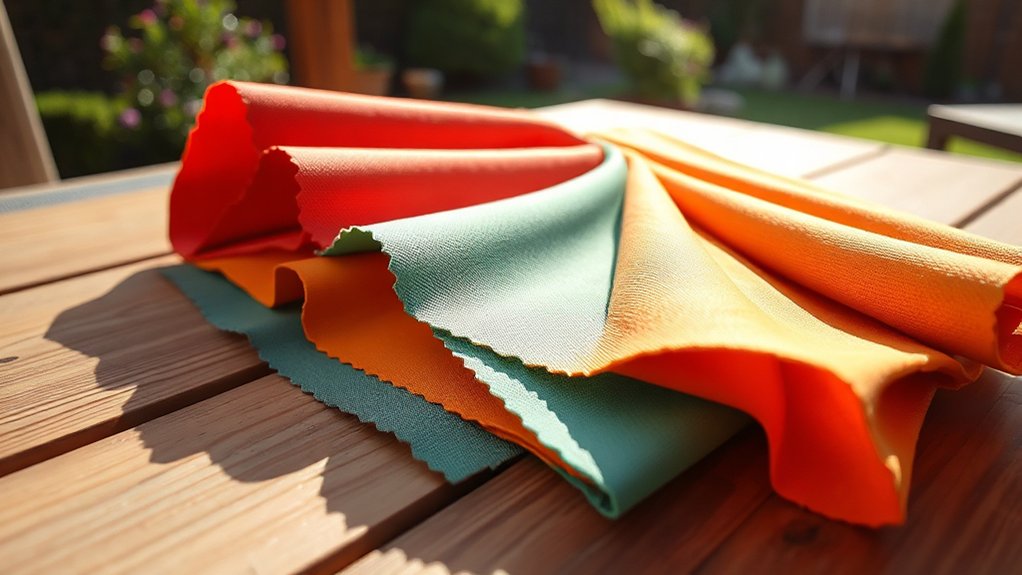
To choose sun-resistant fabric, start by checking its UV rating and how it handles prolonged exposure to direct light. You should look for tightly woven materials, solution-dyed fibers, and labels that mention strong fade resistance. These features help the fabric keep its color and structure under daily sun exposure.
If you’re buying cushions, umbrellas, or patio covers, compare warranties and test results, since they often hint at fabric longevity. Choose lighter colors if you want less heat buildup, or darker tones if you want richer color that still resists fading.
Also, feel the material; a sturdy hand often signals better performance outdoors. Ask where the fabric was made and whether it was designed for outdoor use, not just indoor decor. When you match the fabric to your climate and usage, you’ll make a smarter choice that lasts longer and looks better.
Pick Water-Repellent Outdoor Fabric
When you’re choosing water-repellent outdoor fabric, it’s a good idea to check its water resistance rating. That way, you’ll know how well it stands up to rain and splashes.
Also, take a look at the different fabric coatings available. These coatings can really boost protection without making the fabric heavy or bulky.
For the best results, try to pick a material that offers strong weatherproof performance and matches the kind of outdoor use you have in mind.
Water Resistance Ratings
If you want outdoor fabric that stands up to rain and spills, water resistance ratings give you a quick way to compare options. You can shop smarter when you know how much water a fabric repels before it soaks through. Look for clear labels because they help you match the material to your climate and use case.
For outdoor cushions, umbrellas, and covers, you should favor waterproof materials that still support moisture management so trapped dampness doesn’t linger.
- Light rain: good for brief exposure and quick drying.
- Moderate rating: better for splashes, mist, and short showers.
- High rating: best for frequent weather and tougher conditions.
Check your fabric’s rating against real use, and you’ll avoid guessing.
Best Fabric Coatings
Water resistance ratings tell you how a fabric performs, but the coating usually makes that performance possible. When you choose water-repellent outdoor fabric, look for coatings like polyurethane, acrylic, or silicone. These fabric treatment techniques help droplets bead up and roll off instead of soaking in.
You’ll often get better results from tightly woven base cloths paired with a durable finish. If you want softer hand feel, acrylic can work well; if you need more slip and longevity, silicone often excels. Compare performance improvement methods by checking how the coating affects breathability, texture, and care needs.
Pick a coating that matches your project, whether you’re making cushions, covers, or shade panels, so you get dependable use without sacrificing comfort or style.
Weatherproof Performance
To get dependable weatherproof performance, choose a water-repellent outdoor fabric that matches the exposure your project will face. You’ll want a tight weave or durable coating that sheds rain without trapping moisture inside. For patios, cushions, or covers, check how the fabric handles sun, wind, and quick showers before you buy.
- Pick breathable options when you need airflow and reduced mildew risk.
- Choose heavier fabrics if you want better insulation properties and less stretch.
- Test seams and edges, because weak stitching can let water seep through.
You’ll get the best results when you balance repellency with comfort, so your fabric stays useful, dries fast, and lasts through changing weather.
Choose Fabric for Outdoor Cushions
When you’re picking fabric for outdoor cushions, you’ll want something that can stand up to the sun, rain, and everyday wear and tear. It’s important to find a fabric that feels comfortable too, so you can actually enjoy sitting on it.
Also, think about how easy it is to clean. You want something that lets you keep your cushions looking fresh without too much hassle. That way, your outdoor space stays inviting all season long.
Weather Resistance
Weather resistance should be a top priority when you choose fabric for outdoor cushions, because your material needs to handle sun, rain, humidity, and sudden temperature shifts without breaking down. Compare fabric types by looking for solution-dyed acrylic, polyester blends, or vinyl-coated options that resist fading and moisture. Check whether the weave repels water and dries quickly after storms.
You should also think about environmental impact, since longer-lasting fabrics cut replacement waste. Choose UV-stable fibers for stronger color retention. Pick mildew-resistant finishes to limit damage in damp climates.
Confirm water repellency and easy cleaning for daily exposure. When you match performance to your climate, you’ll protect your cushions and extend their useful life.
Comfort and Texture
Comfort matters just as much as durability when you choose fabric for outdoor cushions. The right material should feel pleasant against the skin and still hold up outside.
You’ll notice that woven acrylics, polyester blends, and solution-dyed fabrics each create different comfort levels. Softer weaves feel inviting for lounging, while tighter weaves can feel smoother and more structured.
Texture variations also change the look of your seating area, adding depth or a crisp, tailored finish.
| Fabric | Feel |
|---|---|
| Woven acrylic | Soft, relaxed |
| Polyester blend | Smooth, versatile |
| Canvas | Firm, sturdy |
| Textured weave | Rich, tactile |
When you compare options, sit on samples if you can. The best choice balances a pleasant touch with the style you want outdoors.
Cleaning and Care
Cleaning outdoor cushion fabric should be part of your decision from the start, not an afterthought. You’ll save time later if you choose materials that resist stains and dry fast. Look for fabrics you can wipe down or wash without fading.
Use these fabric maintenance tips to keep cushions looking fresh: Brush off dirt weekly so grit doesn’t settle into the weave. Blot spills immediately with mild cleaning solutions, then rinse well. Store cushions in a dry place during storms or long stretches of rain.
Check the care label before you buy, because some fabrics need special treatment. If you plan to host often, pick a low-maintenance option that fits your routine. Easier care means your cushions stay comfortable, clean, and ready to use all season.
Choose Durable Fabric for Awnings
When you choose fabric for awnings, durability should come first because the material has to handle constant sun, wind, and rain without fading or breaking down. Pick woven acrylic or solution-dyed polyester if you want a sturdy surface that keeps its shape and looks sharp.
You’ll also find plenty of color options that fit current design trends, from clean neutrals to bold stripes.
| Feature | Why it matters |
|---|---|
| Tightly woven fibers | Resist everyday wear |
| Stable stitching | Helps seams hold up |
| Easy upkeep | Saves you time |
| Strong finish | Supports long-term use |
Check the frame’s size, then match the fabric weight to the span you need. Heavier cloth often hangs better and feels more substantial, while lighter fabric can work for smaller shades. Choose a style that fits your home, but don’t sacrifice performance for looks.
What UV, Fade, and Mildew Ratings Mean?
When you compare outdoor fabrics, UV resistance ratings show how well they handle sun exposure without breaking down. Think of it as a measure of how tough the fabric is against the sun’s rays.
Fade-resistant fabrics help keep colors looking fresh. So, if you want your cushions or umbrellas to stay vibrant over time, this rating is important.
Mildew protection levels tell you how well the material resists moisture damage. This is key if your fabric will be exposed to damp or humid conditions.
You’ll want to check all three ratings to choose fabric that lasts longer outdoors and keeps looking great.
UV Resistance Ratings
UV resistance ratings tell you how well an outdoor fabric stands up to sunlight, fading, and mildew over time. When you shop, check the label to compare UV protection methods and judge UV longevity factors, such as weave tightness, fiber type, and protective finishes.
Higher ratings mean the fabric can handle harsher sun and longer exposure without breaking down as fast. You should also read care instructions, because cleaning and storage affect performance.
- Look for rated fabrics in direct-sun areas.
- Match the rating to your climate and use.
- Recheck ratings before buying cushions, awnings, or covers.
A strong UV rating helps you choose fabric that lasts longer outdoors and keeps your setup more reliable through seasonal use.
Fade-Resistant Fabrics
Fade-resistant fabrics help your outdoor pieces keep their color even after long sun exposure, but the label can mean more than one thing. You should look for ratings that describe how well a fabric holds its original shade, not just how it blocks light. Better fade performance means stronger color stability and long-lasting vibrancy.
| Rating term | What it tells you |
|---|---|
| UV rating | How well the fabric handles sunlight exposure |
| Fade rating | How slowly color changes over time |
| Finish quality | Whether dyes and treatments support durability |
When you compare options, check the whole label, not just one claim. A fabric can resist fading yet still vary by dye type, weave, and finish. So, choose materials that match your sun exposure and style goals for lasting color.
Mildew Protection Levels
Color stability is only part of the story, because outdoor fabrics also need protection against mildew in damp conditions. When you shop, check labels for mildew ratings, UV protection, and fade resistance; they tell you how well the fabric handles moisture, sun, and long exposure.
Higher mildew ratings mean the textile resists mold growth better, but no fabric stays clean forever if you leave it wet.
- Choose mildew resistant materials for cushions, umbrellas, and covers.
- Follow mildew prevention tips: dry fabrics quickly, brush off debris, and store them in a ventilated space.
- Clean spills early, because dirt and moisture feed mildew.
If you live in a humid climate, prioritize tightly woven, treated fabrics that balance comfort, durability, and easy care.
Match Fabric to Your Climate
Your climate should shape the fabric you choose because the right material handles sun, rain, humidity, and temperature swings differently. In hot, sunny regions, pick fabrics with strong UV resistance so colors stay vivid and fibers don’t break down quickly.
In wet or coastal areas, choose materials that dry fast and resist salt, mold, and moisture buildup. In cooler climates, look for fabrics that stay flexible in low temperatures instead of stiffening or cracking.
If you face big seasonal swings, prioritize climate considerations that support fabric longevity through repeated expansion, contraction, and exposure. You should also think about airflow: breathable weaves help reduce trapped heat and dampness in humid weather, while tighter constructions can work better where wind and dust are common.
Balance Cost, Comfort, and Durability
Choosing the right outdoor fabric means weighing what you pay now against how well it performs over time. You don’t need the most expensive option, but you do need one that fits your goals. If you plan to use cushions, slings, or umbrellas often, comfort levels matter as much as strength.
Softer weaves can feel better, while tighter constructions usually last longer and resist wear.
- Set your budget first: compare fabrics by cost effectiveness, not price alone.
- Test the feel: choose a texture and thickness that support daily comfort.
- Check long-term value: pick a fabric that can handle sun, moisture, and frequent use.
When you balance these factors, you avoid overpaying for features you won’t notice and underbuying on quality you’ll regret. The best choice gives you enough comfort, durability, and savings for your space.
How to Care for Outdoor Fabric
Regular cleaning helps outdoor fabric stay attractive and last longer, so you should treat care as part of the purchase. Brush off dirt and leaves each week, then rinse the fabric with cool water to prevent buildup.
For stains, use mild soap and soft cloths instead of harsh scrubbers that can damage fibers. Check the care label before applying any cleaner, and test outdoor cleaning solutions on a hidden spot first.
If you own cushions, unzip covers when possible and wash them on a gentle cycle. Let everything dry completely before you store or use it again, because trapped moisture can cause mildew.
Good fabric maintenance tips also include keeping furniture covered during storms, rotating cushions for even wear, and storing pieces indoors during the off-season. With regular attention, you’ll protect color, texture, and performance without much effort.
Frequently Asked Questions
How Do I Measure Fabric Yardage for a Patio Project?
Measure your patio pieces first, then convert each width and length into yards. You’ll want to add extra for hems, seams, and pattern matching.
Use measuring techniques like taping the full area and noting each cut piece. A yardage calculator can save time and reduce mistakes by totaling everything for you.
Always round up slightly, since outdoor fabric mistakes happen and you’ll appreciate the backup later.
Can Outdoor Fabric Be Sewn With a Regular Home Machine?
Yes, you can sew outdoor fabric with a regular home machine if you use the right sewing techniques and choose suitable fabric types. You’ll want a sharp needle, strong polyester thread, and a longer stitch length to handle thicker, water-resistant materials.
Go slowly, and don’t force bulky seams through the machine. If your project is heavy duty, you might need a walking foot or industrial machine for easier control.
What Colors Hide Dirt Best on Outdoor Fabric?
You’ll hide dirt best with dark shades like navy, charcoal, olive, and deep brown. They mask dust, pollen, and small stains better than light colors.
Patterned fabrics, too, can distract the eye and make grime less noticeable between cleanings. If you want a forgiving choice, skip bright whites and pale pastels.
You’ll also notice textured weaves help break up marks, keeping your outdoor fabric looking cleaner longer.
How Long Does Outdoor Upholstery Fabric Typically Last?
You can expect outdoor upholstery fabric to last about 5 to 10 years, sometimes longer if you choose high-quality fabric durability and care for it well. Sun, rain, and daily use wear it down like a weathered sail.
You’ll extend its life with simple maintenance tips: brush off dirt, clean spills quickly, and store cushions during harsh weather. With a little attention, your fabric can stay vibrant and strong.
Can Outdoor Fabric Be Used for Indoor Furniture?
Yes, you can use outdoor fabric for indoor furniture, and you’ll likely enjoy its indoor durability. It handles spills, fading, and everyday wear better than many standard upholstery options.
You’ll still want to think about fabric maintenance, though, because some outdoor textiles can feel stiffer or less cozy indoors. Choose patterns and textures that suit your space, and you’ll get a practical, long-lasting look without sacrificing style.
Conclusion
Choosing the right outdoor fabric makes your furniture last longer and look better. You’ll want to take into account sun resistance, water repellency, comfort, and your local climate before you buy.
For example, if you live in a humid area, solution-dyed acrylic can help resist fading and mildew on patio cushions. When you balance durability with style and price, you’ll end up with outdoor fabric that fits your space and holds up beautifully season after season.
In the end, picking the best outdoor fabric ensures your furniture stays protected and stylish no matter the weather.