Types of Waterproof Fabric: How to Choose the Right One
Finding the perfect waterproof fabric can feel overwhelming, especially when you want gear that keeps you dry without sacrificing comfort. You’re not alone—many people struggle with choosing the right material for their specific needs.
Whether you’re gearing up for outdoor adventures or looking for durable everyday protection, understanding your options can make all the difference.
You can choose the right waterproof fabric by matching its construction, coating, and breathability to your use. Waterproof fabrics block rain almost completely, while water-resistant ones handle light moisture but may soak through.
For lightweight gear, choose polyurethane-coated fabric; for heavy-duty covers, pick PVC; for active wear, breathable fabrics like Gore-Tex work best. Waxed canvas adds durable everyday protection.
If you keep going, you’ll see which option fits your project best.
Key Takeaways
- Waterproof fabrics block water almost completely, while water-resistant fabrics only slow moisture and suit lighter exposure.
- Common waterproof fabric types include polyurethane-coated fabric, PVC, TPU-laminated fabric, breathable waterproof textiles, and waxed canvas.
- Choose fabric based on intended use, such as rain jackets, backpacks, outdoor covers, or industrial tarps.
- Consider durability, breathability, weight, and seam integrity to match comfort and long-term performance needs.
- Maintain waterproof fabrics with gentle cleaning, air drying, and reproofing when water stops beading.
What Makes Fabric Waterproof?
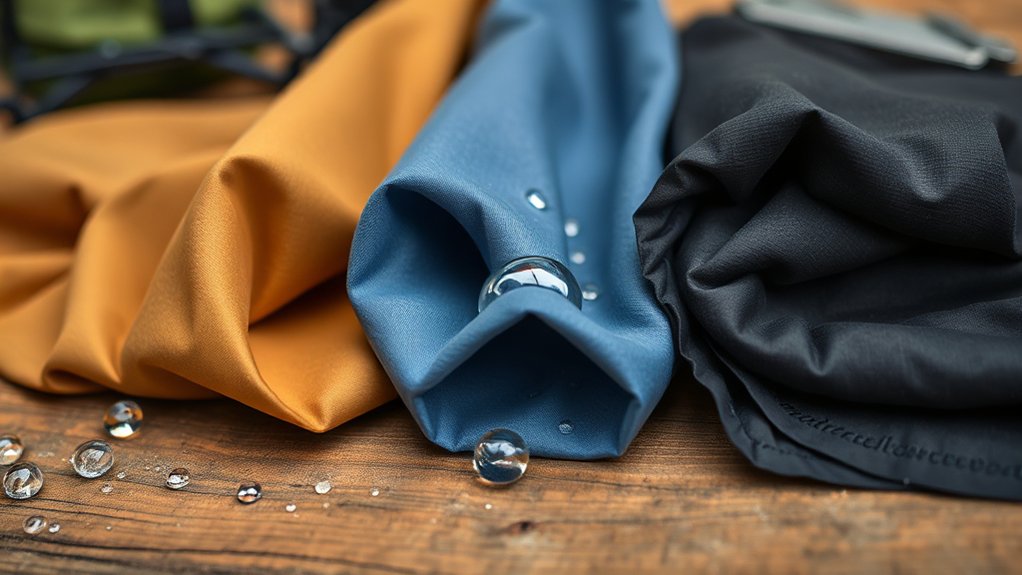
Fabric becomes waterproof when it’s engineered to stop water from passing through its fibers or weave. You’ll usually get that effect from dense fabric structures, coated membranes, or hydrophobic treatments that repel liquid at the surface.
Fabric becomes waterproof through dense weaves, coatings, or treatments that keep water from passing through.
When you choose a material, you’re looking for a design that blocks gaps where water can sneak in and keeps moisture from soaking into each thread. Tight weaves help, but they’re only part of the equation; the finish matters too.
A fabric can feel smooth and still resist water if its outer layer sheds droplets instead of absorbing them. You should also consider how the layers work together, since the face fabric, barrier layer, and backing can each affect performance.
In practice, waterproofing means the material manages contact with water before it penetrates. That’s why the best options combine construction and treatment, not just one or the other.
Waterproof Fabric vs. Water-Resistant Fabric
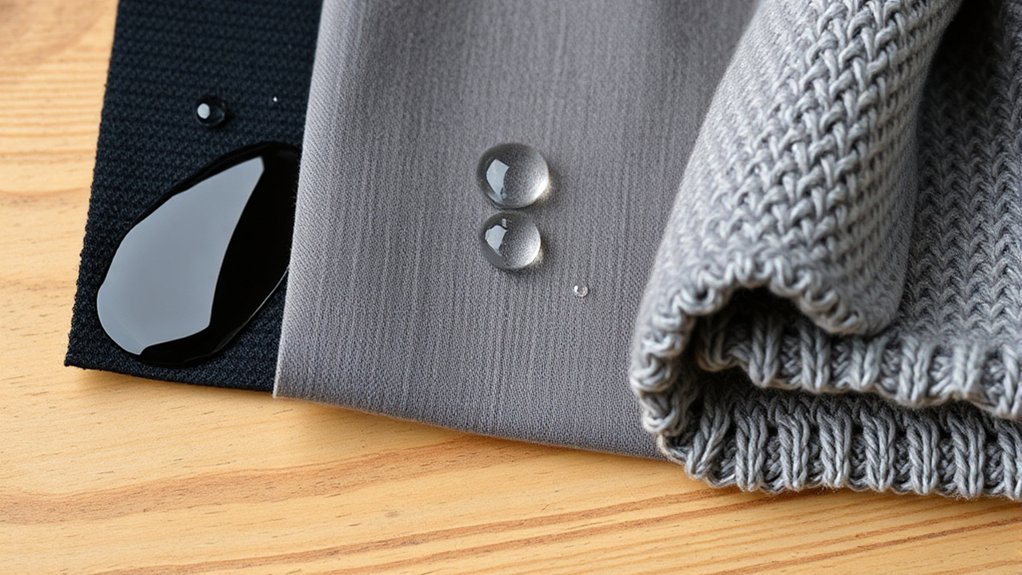
When you compare waterproof and water-resistant fabric, you’ll see they deal with moisture in pretty different ways. Waterproof fabric blocks water almost completely, so it keeps you dry no matter what. On the other hand, water-resistant fabric just slows water down a bit—it can still soak through if there’s enough pressure or if you’re out in the rain for a long time.
Waterproof vs. Water-Resistant
Waterproof and water-resistant fabrics aren’t the same, and knowing the difference helps you pick the right material for your needs. Waterproof fabrics block rain and spray, while water-resistant ones only slow moisture down.
When you shop, think about how much exposure you’ll face and how long you need protection.
| Fabric type | What it does |
|---|---|
| Waterproof | Keeps water out |
| Water-resistant | Resists light moisture |
| Waterproof materials | Use stronger moisture barriers |
You’ll usually choose waterproof materials for gear that must stay dry in harsh weather, and water-resistant options for lighter use. Check labels carefully because brands often use similar terms for different finishes and coatings.
If you match the fabric to your activity, you’ll avoid overbuying and get better comfort.
Key Performance Differences
Although both options help manage moisture, they perform differently under real-world conditions. If you need full protection, waterproof fabric blocks liquid penetration even during heavy rain, splash exposure, or prolonged contact.
You’ll notice it usually relies on coatings, membranes, or tightly engineered weaves that improve resistance but can limit comfort if breathability factors aren’t balanced well. Water-resistant fabric handles light rain and brief dampness, yet it can saturate once exposure increases.
When you compare choices, check durability metrics like seam integrity, abrasion resistance, and how well the finish holds up after washing. You should match performance to your activity: choose waterproof for storms, marine use, or demanding gear, and choose water-resistant when you want lighter protection and better airflow for everyday wear.
How to Choose the Right Waterproof Fabric
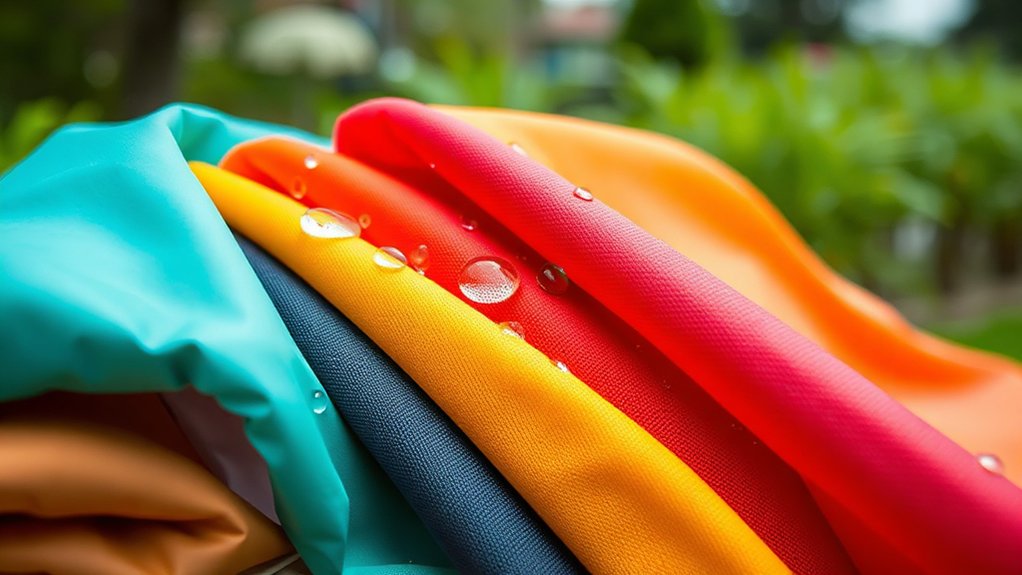
Choosing the right waterproof fabric starts with how you’ll use it, because the best option for a rain jacket won’t be the same as the best one for a backpack liner or outdoor upholstery. You should match fabric durability to the abuse it’ll face and compare waterproof technology for the protection level you need.
If you’ll fold, sew, or wash it often, choose a fabric that keeps its barrier after repeated use. For outdoor furniture, prioritize sun resistance and easy cleaning too.
Check where moisture comes from. Balance weight against toughness. Compare seam sealing needs. Test hand feel and flexibility.
You’ll also want to think about breathability, color, and budget before you buy. When you compare samples in real conditions, you’ll spot flaws faster and avoid paying for features you won’t use.
Polyurethane-Coated Fabric for Lightweight Protection
Polyurethane-coated fabric gives you a thin waterproof layer that blocks moisture without adding much weight. It’s perfect when you need light weather protection for jackets, bags, or covers. You’ll find it really handy for everyday use.
That said, it’s not as durable as heavier fabrics, so it might not hold up as well over time or in rough conditions. But if you’re looking for something lightweight and water-resistant, this fabric does the job nicely.
PU Coating Basics
When you need a light, affordable layer of water resistance, PU coating is one of the most common options. You’ll see it on packs, jackets, tents, and liners because it bonds to fabric without adding much weight.
PU coating techniques usually spread a thin polymer film on the back of the textile, then cure it for flexibility. In PU coating applications, you get dependable moisture blocking for everyday use, plus easier printing and sewing than many heavier laminates.
Choose it when packability matters. Expect a smooth, flexible hand feel. Use it for moderate rain exposure. Check care labels to protect the finish.
It’s a smart pick when you want simple protection without sacrificing comfort or adding bulk.
Lightweight Weather Defense
For lightweight weather defense, polyurethane-coated fabric gives you a thin, flexible barrier that helps keep out rain without weighing down your gear. You’ll like how it balances comfort and protection when you need lightweight options for everyday carry. Its smooth coating helps shed moisture, while the base fabric stays soft enough for easy movement.
| Feature | Benefit | Note |
|---|---|---|
| Low weight | Easier to pack | Good for travel |
| Flexible feel | Better comfort | Moves with you |
| PU coating | Rain resistance | Simple weather adaptability |
You can choose it when you want reliable shielding without bulk. It works well for jackets, bags, and covers that need quick-drying convenience. If you value simple performance and easy handling, this fabric fits your kit nicely.
Best Uses And Limits
That light, flexible barrier works best when you need everyday rain protection without extra bulk. You’ll find it ideal for packable jackets, stroller covers, tote linings, and casual gear that sees light showers, not storms. Its best applications include travel items, emergency shells, and low-cost outer layers where comfort matters more than rugged endurance.
Choose it when you want easy folding and low weight. Use it for short exposure to drizzle or splashes. Expect solid value in simple, low-stress projects. Watch for performance limitations in abrasion, heat, and prolonged rain.
You shouldn’t rely on it for heavy-duty workwear, hiking in constant wet weather, or anything that faces sharp wear. If you need tougher protection, look for thicker laminates or coated fabrics built for harsher conditions.
PVC Fabric for Heavy-Duty Weather Resistance
PVC fabric is a strong choice when you need heavy-duty weather resistance, especially for outdoor covers, tarps, awnings, and industrial applications. You can rely on it when rain, UV exposure, and dirt are constant threats. Its coated surface blocks moisture well, so you get dependable protection in harsh environments.
For many pvc applications, this material also resists abrasion and holds up under repeated use. When you’re making a durability assessment, check thickness, seam quality, and the finish on both sides. Heavier grades usually last longer, but they can feel stiffer and weigh more.
You should also think about cleaning needs, since PVC wipes down easily and doesn’t absorb water. If you need a tough, low-maintenance fabric for demanding outdoor work, PVC often fits the job. Choose it when strength and weather protection matter more than softness or breathability.
TPU-Laminated Fabric for Flexibility and Strength
TPU-laminated fabric gives you a strong mix of flexibility and durability, making it a smart option when you need material that can move without cracking or becoming brittle. You can rely on it for projects that need repeated bending, folding, or stretching while still holding up to daily wear.
When you compare durability factors, look at coating thickness, base fabric quality, and seam construction, since these affect how long it lasts. Its flexibility benefits also make it easier to sew, shape, and use in gear that needs a clean fit.
- Stands up well to abrasion
- Feels lighter than stiffer alternatives
- Handles repeated motion with less stress
- Works well for bags, covers, and outerwear
If you want a fabric that balances strength with ease of use, TPU-laminated material deserves serious attention.
Breathable Waterproof Fabrics Like Gore-Tex
When you need protection from rain without trapping sweat, breathable waterproof fabrics like Gore-Tex are worth a close look. You get a thin membrane that blocks liquid water while letting water vapor escape, so you stay drier during movement. That’s the core of its breathability benefits, and it matters most when you’re hiking, commuting, or working hard in changing weather.
You’ll also notice better moisture management, since perspiration can move away from your skin instead of building up inside your layers.
To get the best performance, pair the fabric with layers that support vapor transfer and avoid clogging the membrane with dirt or heavy oils. You should also check the garment’s seam sealing, fit, and outer face fabric, because all three affect how well it works in real conditions.
If you want reliable rain protection without a clammy feel, this type of fabric gives you a strong balance of comfort and weather defense.
Waxed Canvas for Durable Everyday Use
Waxed canvas is a strong choice when you want tough, everyday protection with a classic look. You get a tightly woven fabric coated with wax, so light rain beads off instead of soaking through. It also resists scuffs, which makes it ideal when you carry gear, wear jackets, or handle bags often.
During durability testing, waxed canvas usually shows solid abrasion resistance and dependable performance after repeated use. You can re-wax it to restore water resistance.
You should avoid machine washing, which strips the finish. You’ll notice a lived-in patina that adds character over time. You can follow simple maintenance tips to keep it flexible and effective.
If you want a material that balances style and ruggedness, waxed canvas delivers without feeling overly technical. It’s practical, repairable, and built for regular use.
Best Waterproof Fabric for Each Use Case
The best waterproof fabric depends on how you plan to use it, since no single material wins in every setting. If you need rugged daily carry, choose waxed canvas for balanced fabric durability and style.
For rain jackets or packs, pick coated nylon when you want light weight and strong water resistance. For heavy-duty work gear, PVC-coated polyester handles abrasion and excels in performance testing.
For outdoor covers, solution-dyed acrylic resists moisture and fading better than many alternatives.
| Use case | Best fabric |
|---|---|
| Everyday bags | Waxed canvas |
| Jackets and packs | Coated nylon |
| Work gear | PVC-coated polyester |
| Covers and awnings | Solution-dyed acrylic |
You should match the fabric to rain exposure, weight, and expected wear. When you compare options, look for lab results, seam strength, and real-world performance testing.
That way, you won’t overpay for features you don’t need, and you’ll get the protection your project actually requires.
How to Care for Waterproof Fabric
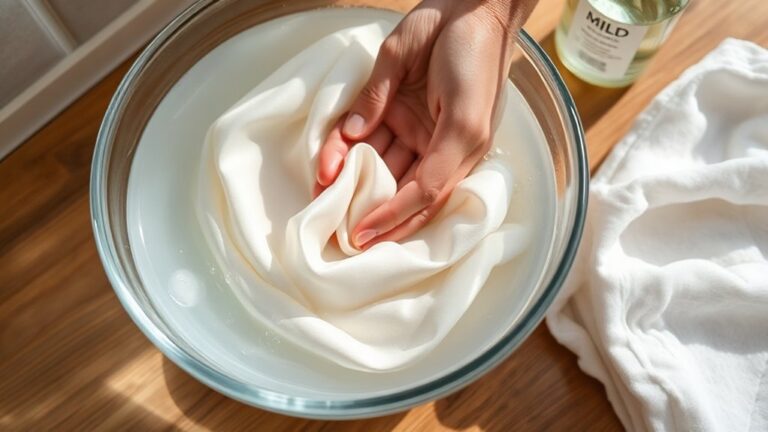
To keep your waterproof fabric working well, just clean it gently with some mild soap and cool water. Then, let it air dry—no need to rush it. When you notice that water stops beading on the surface, that’s your cue to restore its protection. You can do this by using a suitable reproofing spray or treatment. Also, make sure to store the fabric in a dry, cool place. And here’s a tip: don’t fold it while it’s still damp, as that can cause damage over time.
Cleaning Best Practices
Even the toughest waterproof fabric lasts longer when you clean it the right way. For smart fabric maintenance, brush off loose dirt first. Then wipe spills with mild soap and lukewarm water.
Use gentle cleaning techniques so you don’t damage seams or protective coatings. Rinse well because leftover detergent can attract grime and reduce performance. Air-dry the fabric fully in a shaded spot. Heat can weaken fibers and finishes.
Check the care label before you start. Spot-clean stains instead of scrubbing hard. Use a soft cloth or sponge only. Wash only when the fabric truly needs it.
With regular care, you’ll keep waterproof material looking sharp and performing well longer.
Reproofing And Storage
When water stops beading on the surface, it’s time to reproof the fabric so it keeps shedding moisture as intended. Use reproofing techniques that match the material: spray-on treatments work well for shells, while wash-in products suit some laminates. Always clean the fabric first, then follow the label and heat-set only if allowed.
For storage tips, dry everything fully, fold loosely, and keep it away from direct sun, heat, and damp air. Don’t cram items into tight bags, or you’ll weaken coatings and seams.
| Task | Do | Don’t |
|---|---|---|
| Reproof | Apply evenly | Skip cleaning |
| Dry | Air-dry fully | Store damp |
| Store | Use breathable space | Compress tightly |
Check gear periodically, so you can reproof before leaks start.
Frequently Asked Questions
Can Waterproof Fabric Be Safely Machine Washed?
Yes, you can machine wash many waterproof fabrics safely if you follow the care label and use gentle fabric care. Use cold water, mild detergent, and a delicate cycle, and skip bleach and fabric softener. These washing tips help protect the waterproof coating.
Air-dry the item or tumble dry low only if allowed. If the fabric has taped seams or special membranes, you’ll want extra caution to avoid damage.
Does Waterproof Fabric Lose Effectiveness Over Time?
Yes, waterproof fabric can lose effectiveness over time if you don’t care for it properly. Wear, UV exposure, heat, and repeated washing can weaken coatings and finishes, reducing waterproof fabric durability.
You can extend performance with regular waterproof fabric maintenance, like gentle cleaning, air drying, and reapplying DWR treatments when needed. If you spot leaks or flattening beading, you should treat the fabric sooner rather than later.
Are Waterproof Fabrics Eco-Friendly?
Not all waterproof fabrics are eco-friendly, but you can choose better options. You’ll find some biodegradable options made from natural fibers or plant-based coatings, though they may not last as long.
You can also support sustainable practices by picking durable fabrics, recycled materials, and brands that avoid harmful chemicals. When you wash and care for them properly, you’ll reduce waste and extend their life, making your choice greener overall.
Can Waterproof Fabric Be Repaired After Punctures?
Yes, you can usually repair waterproof fabric after punctures, and that truth shows a deeper point: damage doesn’t have to mean replacement. You can often restore protection with proper puncture repair, patches, or sealants.
Act quickly, clean the area, and follow the fabric’s care instructions. Good fabric maintenance helps you stop leaks early and keep the material performing well, so you extend its life instead of discarding it.
Do Waterproof Fabrics Feel Noisy or Stiff When Worn?
Yes, some waterproof fabrics can feel noisy or stiff when you wear them, especially cheaper coated options. You’ll notice rustling during movement, and that can affect your comfort levels.
Better membranes and softer shells usually reduce sound and improve flexibility. You should also think about breathability concerns because less breathable fabrics can trap heat and feel clammy.
If you choose well, you’ll get protection without sacrificing too much comfort.
Conclusion
Choosing the right waterproof fabric means matching your needs with the material’s strengths. You’ll want lightweight polyurethane for easy everyday protection, tough PVC for harsh weather, breathable Gore-Tex for active adventures, or waxed canvas for durable, dependable wear.
When you pick smart, you stay dry, comfortable, and confident. Care carefully, clean gently, and your fabric will fight the elements for years.
With the right choice of waterproof fabric, you’ll weather wet conditions with ease.