10 Types of Curtain Fabric
Choosing the perfect curtain fabric can feel overwhelming, especially when you want to balance style, light control, and privacy. You’re not alone—many people struggle to find the right material that fits both their aesthetic and practical needs.
But understanding the different types of curtain fabric can make the process much easier and even enjoyable.
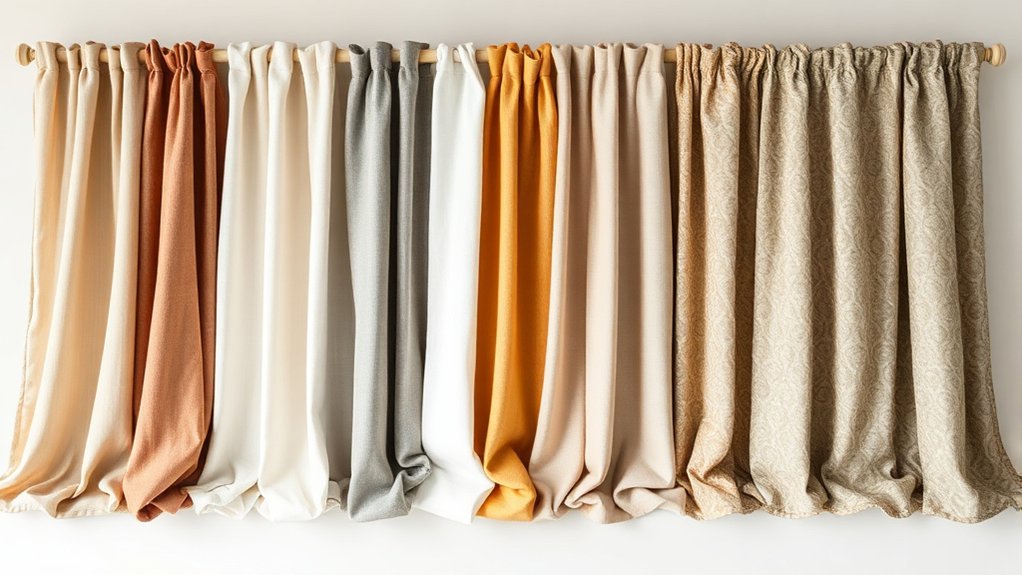
You can choose from 10 curtain fabrics, and each one changes light, privacy, style, and upkeep in a different way.
Cotton works well for everyday use, linen gives rooms a soft, airy feel, and velvet adds warmth and drama.
Silk suits formal spaces, while polyester offers easy care and durability.
Blackout fabric helps bedrooms stay dark, and thermal fabric improves insulation.
Keep your room’s needs in mind, and you’ll see which options fit best when you look a little closer.
Key Takeaways
- Cotton, linen, velvet, silk, polyester, blackout, and thermal are common curtain fabric types.
- Cotton is versatile, breathable, durable, and easy to maintain for everyday use.
- Linen offers a relaxed, airy look with soft light filtering and natural texture.
- Velvet and silk create a luxurious feel. Velvet adds privacy, while silk brings polished elegance.
- Polyester, blackout, and thermal fabrics provide durability, light control, privacy, and energy efficiency.
How to Choose Curtain Fabric for Your Space
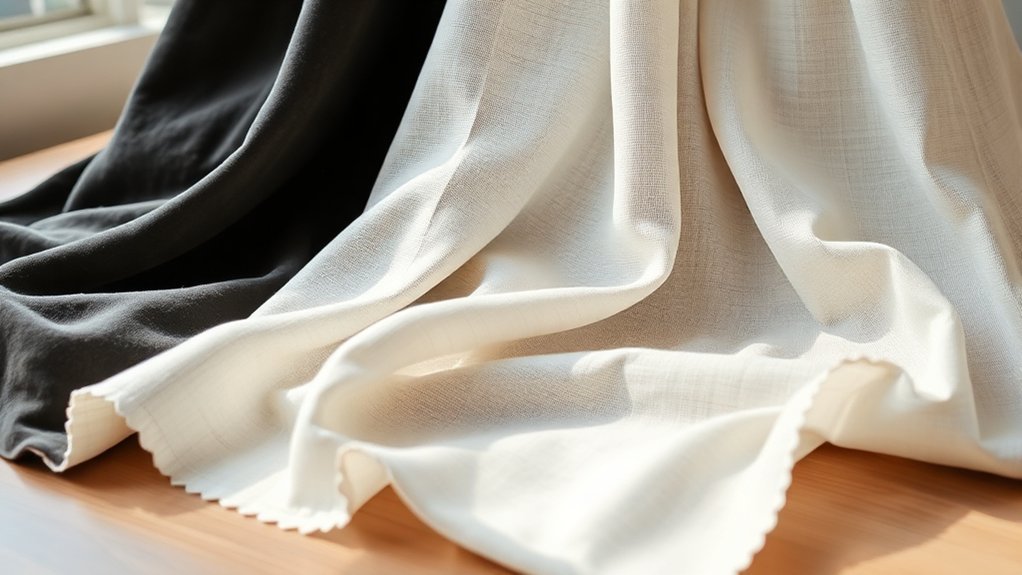
Choosing the right curtain fabric for your space starts with how you use the room and what you want the curtains to do. If you need privacy, light control, or a softer look, match the fabric to that goal first.
Start with how the room is used, then choose curtain fabric that supports privacy, light control, and style.
In busy rooms, prioritize fabric durability so your curtains hold up to daily use and frequent handling. In formal spaces, you can focus more on drape, texture, and a refined finish.
Next, look at color coordination. Your curtains should either blend with your walls and furniture or create a deliberate contrast that adds interest without overwhelming the room.
Also consider the amount of sunlight the window gets, because strong light can fade some fabrics over time. Measure carefully, sample a few swatches, and view them at different times of day.
When you balance function, style, and upkeep, you’ll choose curtains that fit your space beautifully.
Cotton Curtain Fabric for Everyday Use
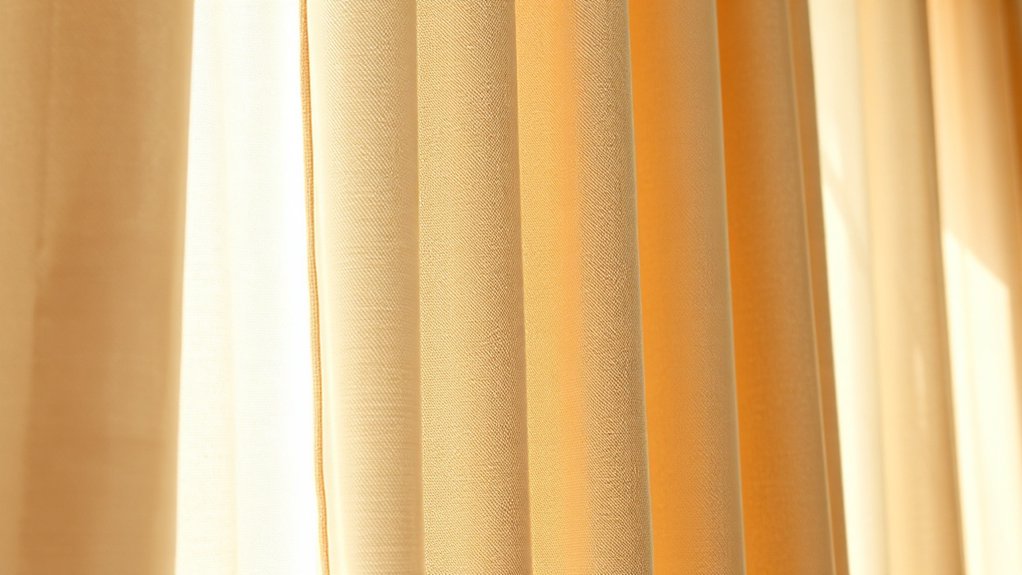
Cotton curtains are a practical everyday choice because they’re soft, breathable, and easy to live with. You can hang them in bedrooms, living rooms, or kitchens, and they’ll suit casual spaces without feeling fussy.
Their cotton durability means they handle regular opening, closing, and washing better than many delicate fabrics, so you won’t have to baby them. You’ll also appreciate cotton versatility, since it comes in many weights, weaves, and colors that match simple, patterned, or modern décor.
If you want a clean look, choose a smooth weave. If you prefer more texture, look for a slub or twill finish. Cotton also takes dye well, so you can find options that feel fresh and personal.
With basic care, you’ll keep cotton curtains looking neat and comfortable for years.
Linen Curtain Fabric for Light, Airy Rooms
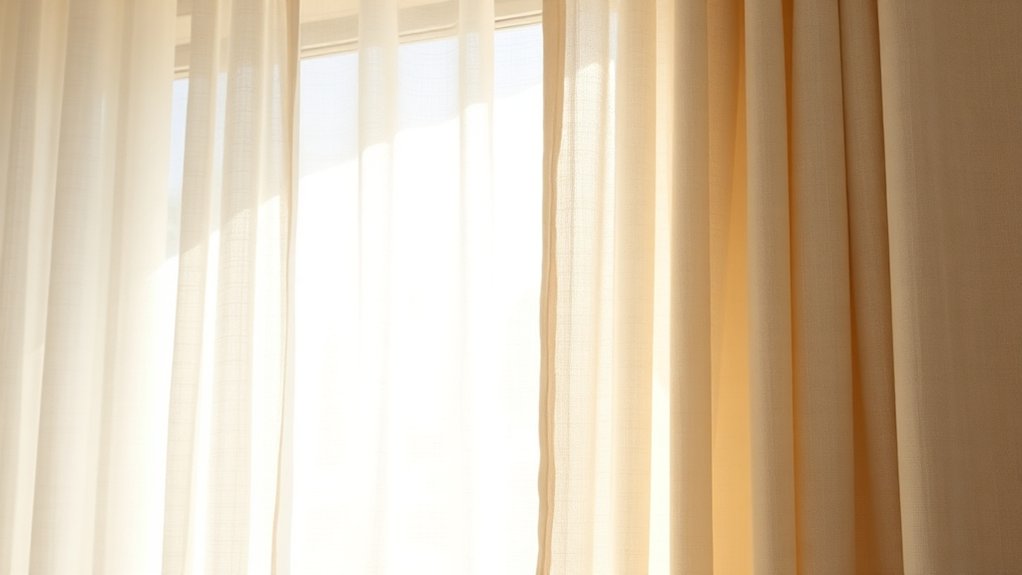
Linen curtains let natural light filter through while still giving you a soft sense of privacy. You’ll love how their breezy texture keeps a room feeling fresh and relaxed.
And when you pair them with neutral tones, you can create a calm, light-filled space that feels effortless. It’s all about that easy, airy vibe that makes any room inviting.
Natural Light Filtering
If you want a room that feels bright without losing softness, linen curtains are a natural fit. You get gentle light diffusion that turns harsh sun into a calm glow, so your space stays welcoming instead of glaring.
Because the weave isn’t heavy, you can let daylight in while still gaining privacy improvement during the day. That balance works especially well in living rooms, dining areas, and bedrooms where you want openness without feeling exposed.
You’ll notice that linen softens window edges and keeps the room visually light, which helps smaller spaces feel less closed in. When you choose this fabric, you’re not blocking the day; you’re shaping it into something warmer, easier on the eyes, and more comfortable for everyday living.
Breezy Texture Benefits
A breezy weave gives linen curtains their easygoing charm, adding texture without making a room feel heavy or crowded. You get a relaxed look that softens hard edges and helps your space feel open, calm, and inviting.
The fabric’s natural slubs catch light in a subtle way, so you enjoy breezy aesthetics without sacrificing character. Linen also offers seasonal versatility: it feels cool and fresh in warmer months, yet still layers well when temperatures drop.
Because it drapes with an effortless, slightly lived-in finish, you can use it to create a room that feels polished but never fussy. If you want your windows to look light, airy, and timeless, linen curtains give you that balance with very little effort.
Styling With Neutrals
Neutral tones bring out linen’s airy quality, letting the fabric’s soft texture stand out without overpowering the room. You can pair linen curtains with neutral color palettes like ivory, sand, taupe, or warm gray to keep your space calm and bright.
These shades reflect natural light, so your room feels larger and more open. If you want more depth, mix sheer panels with heavier drapes using smart fabric layering techniques. This adds dimension without losing the relaxed feel linen creates.
You can also echo the curtain color in rugs, cushions, or wood tones to build a cohesive look. Keep patterns subtle and finishes matte, and you’ll highlight linen’s understated elegance while maintaining a fresh, airy atmosphere throughout your room.
Velvet Curtain Fabric for a Luxurious Finish
Velvet curtain fabric instantly adds depth, softness, and a sense of grandeur to any room. You can use it to make a living room feel polished or turn a bedroom into a cozy retreat.
Velvet curtain fabric adds instant depth and softness, making any room feel polished, cozy, and grand.
Its thick pile absorbs light, so it gives your windows a rich, dramatic look while helping with privacy and insulation. Choose from velvet styles like crushed, cotton, or polyester blends to match your space and budget.
You’ll find that darker shades feel especially opulent, while jewel tones add a bold accent. For luxury maintenance, vacuum with a brush attachment and avoid harsh rubbing to keep the pile smooth.
If you need cleaner folds, steam from the back and let the panels hang naturally. When you want a finish that feels elegant without trying too hard, velvet delivers lasting impact. Its texture brings warmth, making even simple décor feel carefully designed.
Silk Curtain Fabric for Formal Spaces
If you want a fabric that feels even more refined than velvet, silk curtain fabric brings a sleek, formal elegance to dining rooms, parlors, and other polished spaces. You can use it to frame tall windows, soften sharp architectural lines, and make the room feel intentionally composed. Its subtle sheen catches light beautifully, so your curtains look rich without feeling heavy.
Because silk drapes smoothly, you get crisp folds that instantly enhance formal elegance. When you choose silk, pay attention to silk durability and lining. A quality lining helps protect the fibers, supports the drape, and improves everyday wear. You’ll also want to place silk where it won’t face harsh sun or constant handling.
In the right setting, silk curtain fabric adds sophistication, complements fine furnishings, and gives your space a polished finish that feels timeless rather than trendy.
Sheer Curtain Fabric for Soft Light Control
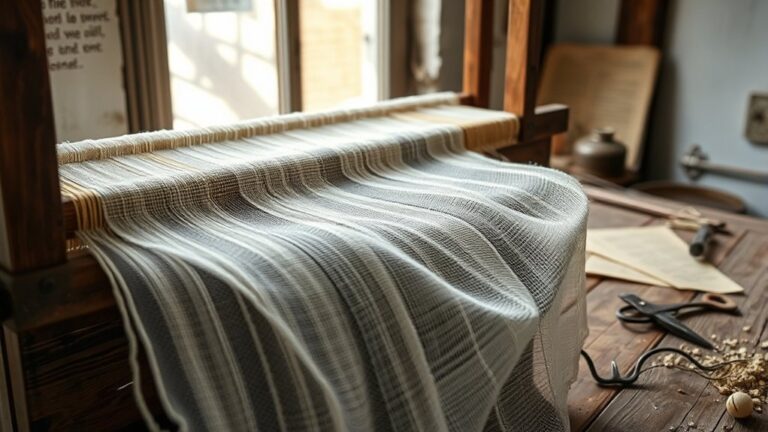
Sheer curtain fabric softens daylight while still letting your room feel open and bright. You can use it when you want privacy without blocking the view or making a space feel heavy. The airy weave creates gentle light diffusion, so harsh sun becomes a calm glow across your walls and furniture.
With sheer layers, you can frame windows beautifully and add depth without clutter. Pair it with blinds for adjustable coverage. Hang it in living rooms, bedrooms, or sunrooms.
Choose white, ivory, or soft gray for a clean look. Let it move easily with a breeze. Combine it with denser panels when evening privacy matters.
You’ll like how sheer fabric updates a room without dominating it. It works best when you want softness, balance, and a relaxed atmosphere that still feels connected to the outside.
Polyester Curtain Fabric for Easy Care
Polyester curtain fabric is great because it’s super easy to care for and resists wrinkles that just won’t quit. You can wash it, toss it in the dryer, and hang it back up without any hassle. So, if you want curtains that look neat without having to put in a ton of extra effort, this is definitely the way to go.
Wrinkle Resistance
Wrinkle resistance makes polyester curtains a smart choice when you want a crisp look with minimal upkeep. You get dependable fabric durability, so the panels hold their shape and resist sagging. This helps with wrinkle prevention when you open, close, or layer them over blinds.
- They stay smoother after hanging
- They recover quickly from folding
- They suit busy rooms
- They keep hems looking neat
- They support a polished finish
You’ll notice the difference in rooms where curtains move often or face changing temperatures. Polyester keeps lines cleaner, so your window treatment looks intentional instead of rumpled. If you want style without constant fuss, this fabric gives you that balanced, tidy appearance.
Simple Maintenance
Easy upkeep is one more reason many people choose this fabric for curtains. You can usually keep polyester looking fresh with a quick vacuum, a gentle shake, or a simple wash, depending on the care label.
Its stain resistance helps you handle spills before they settle, so everyday messes don’t become big problems. Because the fibers dry fast, you won’t wait long to hang them back up.
This also supports fabric durability, since less aggressive cleaning reduces wear over time. You can spot-clean minor marks with mild soap and water, then let the fabric air dry.
If you want curtains that fit a busy routine, polyester saves you effort without sacrificing appearance or performance.
Blackout Curtain Fabric for Bedrooms
If you want a bedroom that stays dark, quiet, and restful, blackout curtain fabric is one of the best choices. You can use it to block early sunlight, reduce glare, and create a calmer sleep space. The blackout benefits are especially helpful if you work nights, share a room, or need better nap time for kids.
Different fabric types give you options, too, from tightly woven polyester to lined blends that feel softer and hang neatly.
- You sleep longer on bright mornings.
- You cut down streetlight distractions.
- You get more privacy at night.
- You help your bedroom feel more peaceful.
- You can pair it with your decor easily.
Choose a style that matches your room and cover the window fully for the best effect. When you want reliable darkness without sacrificing style, blackout fabric makes your bedroom feel more restful every day.
Thermal Curtain Fabric for Better Insulation
Thermal curtain fabric helps you keep your home more comfortable by reducing heat loss in winter and blocking excess heat in summer. You get thermal insulation benefits because the fabric adds a barrier between your windows and the room, helping steady indoor temperatures throughout the day.
That means your heating and cooling systems don’t have to work as hard, which can improve energy efficiency and may lower utility bills. You’ll also notice less draft near windows, making rooms feel cozier in cold weather and cooler during heat waves.
Thermal curtain fabric helps reduce drafts and ease strain on heating and cooling, improving comfort and efficiency.
These curtains often use dense weaves or layered construction to slow heat transfer without sacrificing style. When you hang them properly, you maximize their insulating effect and make your space feel more balanced.
If you want comfort, protection, and practical performance, thermal curtain fabric is a smart choice for everyday living.
Which Curtain Fabric Should You Choose?
Choosing the right curtain fabric depends on what you need most in each room. You should match the fabric to light control, privacy, and style, then think about care and budget.
Cotton works well if you want easy upkeep and a casual look. Linen adds texture and feels airy, while velvet gives you warmth and drama. Sheer panels soften sunlight, and blackout fabric helps you sleep better.
Also, consider curtain color and fabric patterns, since both can change how large, bright, or cozy a space feels.
- Pick cotton for versatility.
- Choose linen for a relaxed look.
- Use velvet for rich, formal rooms.
- Try sheers for soft natural light.
- Go with blackout fabric for bedrooms.
If you’re unsure, start with your room’s function and your existing decor. The right choice should look good, work hard, and make daily life easier.
Frequently Asked Questions
Which Curtain Fabric Is Best for Reducing Noise?
Heavy velvet is your best curtain fabric for reducing noise because it has excellent acoustic properties and blocks more sound than lighter fabrics. You’ll get better results if you choose thick, tightly woven soundproof materials with a dense lining.
For even more noise reduction, layer the curtains and make sure they cover the entire window. While no curtain can fully soundproof a room, these choices can noticeably soften outside noise and echoes.
How Often Should Curtain Fabrics Be Professionally Cleaned?
You should professionally clean curtain fabrics every 12 to 24 months, though high-traffic or allergy-prone homes may need it sooner. Nearly 80% of indoor dust can settle in fabrics, so regular cleaning frequency really matters.
You’ll protect appearance, extend fabric maintenance, and reduce allergens by scheduling deeper cleans annually. If you notice odors, stains, or fading, don’t wait. Book a professional sooner.
Can Curtain Fabric Affect Indoor Air Quality?
Yes, curtain fabric can affect indoor air quality because you choose curtain materials that may trap dust, pollen, pet dander, and odors. If you select synthetic or heavily treated fabrics, fabric treatments can also release VOCs, especially when new.
You’ll improve air quality by washing curtains regularly, vacuuming them, and picking low-VOC, washable options. Natural fibers often breathe better, but they still need upkeep to stay cleaner and healthier indoors.
What Fabrics Are Best for Pet-Friendly Homes?
You’ll do best with tightly woven polyester, microfiber, or washable cotton blends because they handle claws, fur, and frequent cleaning well. Choose durable materials with stain resistance so you can wipe messes quickly and keep your curtains looking fresh.
If your pets shed a lot, avoid delicate silks or loose weaves that trap hair. Darker colors and simple patterns can also hide everyday wear better in busy homes.
Do Curtain Fabrics Fade Differently in Direct Sunlight?
Yes, curtain fabrics fade differently in direct sunlight, and you’ll notice it fast with low-quality materials. You should choose fabrics with strong UV resistance and better color retention if your windows get heavy sun exposure.
Synthetic blends often hold up better than many natural fibers, while darker shades may show fading sooner. If you want curtains that stay vibrant, you’ll need to check fabric ratings before you buy.
Conclusion
Choosing the right curtain fabric comes down to how you live and what you want from each room. If you want easy care, polyester works well; if you want softness, cotton or linen may suit you better.
And if you need privacy or better sleep, blackout or thermal fabrics are smart picks. Did you know blackout curtains can block up to 99% of light? That’s a simple upgrade that can make your space feel better fast.
When selecting curtain fabric, consider these options to get the best look and function for your home. Curtain fabric choices really do make a difference.