Velvet Vs Velour: 5 Key Differences
Choosing between velvet and velour can be tricky, especially when both fabrics look so similar at first glance. If you’ve ever felt confused about which one suits your needs best, you’re not alone. Many people struggle with understanding the subtle differences that affect how these fabrics feel, look, and wear over time.
Velvet and velour may look alike, but you’ll notice five key differences right away. Velvet is woven, smoother, and more lustrous, while velour is knitted, stretchier, and softer.
Velvet feels richer and more polished, so you’ll often see it in formalwear, décor, and upholstery.
Velour feels lighter and more casual, making it common in loungewear and tracksuits.
Velvet usually lasts longer, too, though both need gentle care if you want them to stay beautiful longer.
Key Takeaways
- Velvet is woven with a dense pile, while velour is usually knitted and more stretchy.
- Velvet feels richer and more lustrous; velour feels softer, lighter, and more casual.
- Velvet is common in formalwear and décor, while velour is used for loungewear and casual clothing.
- Velvet is generally more durable and polished, but velour can wear faster with frequent use.
- Velvet suits luxury and elegance, while velour emphasizes comfort and everyday practicality.
Velvet Vs. Velour: Key Differences at a Glance

At a glance, velvet and velour can look similar, but they’re not the same. Velvet is typically woven and has a smoother, more lustrous pile, while velour is usually knit and feels stretchier, softer, and more casual.
Velvet looks smoother and more luxurious, while velour feels stretchier, softer, and more relaxed.
You’ll notice velvet often reads as elegant and formal, making it a go-to for evening wear, upholstery, and decorative pieces. Velour gives you a relaxed feel, so it works well for loungewear, sportswear, and everyday comfort.
When you compare them, texture and drape help you choose the right fabric for your project. Fabric care also differs: you may need to handle velvet more delicately, while velour usually tolerates easier cleaning and more regular wear.
Their historical significance matters too, since velvet has long symbolized luxury and status, while velour reflects a modern emphasis on comfort and practicality. So, you can pick the one that matches your style, use, and maintenance preferences.
How Velvet and Velour Are Made

To understand why velvet and velour feel so different, it helps to look at how they’re made. In fabric production, you’ll see that velvet usually starts on a loom that weaves two layers at once. Then manufacturers cut the joined pile apart, creating a dense, upright surface.
That process often uses silk, cotton, or synthetics, which shapes its material properties and appearance.
Velour follows a knit-based path instead, so you get a stretchier cloth with a looped or brushed surface. Because you’re working with knit construction, producers can make it faster and often at lower cost.
- Velvet is woven, then cut.
- Velour is knitted, then finished.
- Velvet’s structure takes more time and skill.
- Velour’s structure supports easier mass production.
When you compare them this way, you can see how construction drives each fabric’s structure, durability, and overall performance in use.
Velvet Vs. Velour Texture and Feel

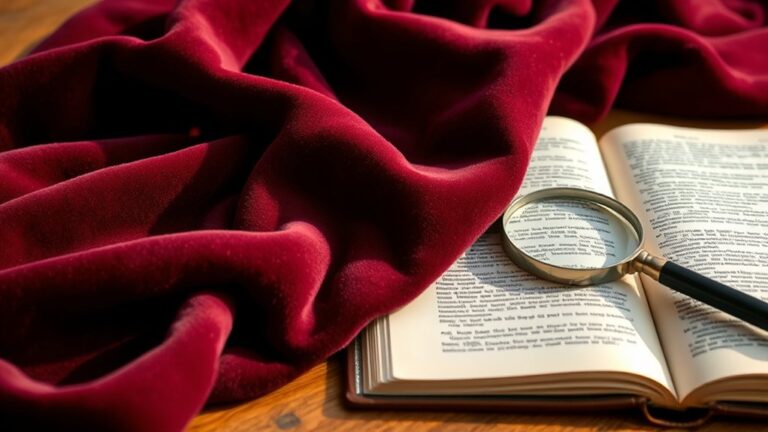
When you run your hand across velvet, you usually notice a smooth, dense pile with a rich, plush feel that looks as luxurious as it feels. You get a soft, slightly weighty surface that can catch light and shift tone as you move it.
Velvet feels smooth, dense, and plush, with a rich surface that catches light beautifully as it moves.
Velour, by contrast, gives you a smoother, stretchier touch with a more casual, knit-like softness. In this texture comparison, velvet feels more upright and refined, while velour feels more flexible and relaxed.
Your feel analysis should also notice how velvet offers a deeper pile and a more polished finish, whereas velour often feels thinner, more elastic, and easier to move with. Both fabrics invite touch, but they deliver different sensory experiences.
If you want a fabric that feels elegant and deeply plush, velvet stands out. If you prefer something softer, lighter, and less rigid, velour gives you that gentler hand.
Common Uses for Velvet and Velour
Velvet and velour show up in different places because each fabric suits different needs. You’ll notice velvet in pieces where you want a richer look, while velour fits relaxed, sporty, or casual styles. In both cases, you can use them to follow fashion trends without overdoing your outfit.
- Velvet often appears in evening dresses, blazers, and accessories.
- Velour works well for tracksuits, loungewear, and casual jackets.
- Velvet can enhance drapes, cushions, and other upholstery choices.
- Velour adds softness to throws, robes, and comfy home pieces.
When you pick between them, think about the setting you’re dressing or decorating. Velvet usually feels more formal, so you can reach for it when you want drama. Velour gives you a laid-back finish, so it suits everyday wear and easygoing interiors. Both fabrics help you create a distinct style with minimal effort.
Which Fabric Lasts Longer?
Durability matters just as much as appearance, especially if you’ll wear or use the fabric often. In a durability comparison, velvet usually lasts longer when you choose a high-quality weave and treat it carefully. Its dense pile resists wear better, but it can crush or mark if you rub it hard.
Velour feels softer and stretchier, yet that flexibility can make it show abrasion faster, especially on garments you wear frequently. If you want the longer-lasting option, velvet often wins for upholstery, formalwear, and décor.
Still, you can extend either fabric’s life with smart maintenance tips. Brush the pile gently, keep it away from direct heat, and avoid harsh washing cycles. You should also store both fabrics flat or hung properly to prevent creasing.
With good care, velour can still serve you well, but velvet generally gives you better long-term durability and holds its shape more consistently over time.
Frequently Asked Questions
Can Velvet and Velour Be Washed in a Machine?
Yes, you can sometimes machine wash velvet and velour, but you’ve got to check the care instructions first. You should use cold water, a gentle cycle, and mild detergent to protect the fabric. Don’t overload the washer, and turn the item inside out if possible.
After washing, choose proper drying methods like air drying or low heat, because high heat can crush the pile and damage the texture.
Are Velvet and Velour Suitable for Summer Clothing?
Not really. You’ll usually find them too warm for summer wear. You may love their soft, luxe feel, but velvet and velour can trap heat like a cozy blanket on a hot day.
For summer outfits, you should look at breathability factors before choosing either fabric. Seasonal trends sometimes feature lighter versions, yet these materials still work best for cool evenings, special events, or air-conditioned spaces where comfort won’t melt away.
Which Fabric Is More Affordable, Velvet or Velour?
Velour’s usually more affordable than velvet, so you’ll often save money with it. In most fabric pricing comparisons, velour costs less because manufacturers can produce it more cheaply and with simpler finishing.
When you do a cost comparison, velvet often feels more luxurious, but you’ll pay extra for that look and texture. If you want a similar plush feel on a budget, you’ll likely choose velour over velvet.
Do Velvet and Velour Attract Pet Hair Easily?
Yes, both velvet and velour can attract pet hair, but you’ll usually notice it more on plush, textured surfaces. You can reduce buildup with regular fabric care, like vacuuming with a brush attachment, using a lint roller, and brushing fibers gently.
If you’ve got shedding pets, choose tighter weaves or darker shades carefully, since hair can cling and show more on some finishes than others.
Are Velvet and Velour Eco-Friendly Materials?
Velvet and velour can be eco-friendly, but you’ll need to check the fiber content and manufacturing process. If you choose recycled or organic fibers, and brands use responsible material sourcing and sustainability practices, you can reduce your impact.
Traditional versions may rely on polyester or resource-heavy production, which isn’t as green. You can look for certifications, low-water dyeing, and durable construction to make a better choice.
Conclusion
So, which fabric should you choose? By now, you can see velvet and velour may look alike, but they’re not twins. One feels richer, one wears easier, and one may surprise you with its durability.
But here’s the twist: the best choice isn’t just about style. It’s about how you’ll use it. Before you decide, think about comfort, care, and how long you want it to last.
The answer might be more unexpected than you think when it comes to velvet vs velour.